Introduction
Tired of spending big money at steakhouses only to wonder if you could make it better at home? Or worse—have you tried cooking Ribeye Steak in Ovenin your oven only to end up with a gray, overcooked disappointment that’s tough and flavorless? You’re not alone. Most home cooks struggle with oven steak because they don’t understand the crucial balance between searing and roasting.
This ribeye steak in oven recipe delivers steakhouse-quality results with a perfectly seared crust, juicy medium-rare interior, and a luxurious garlic butter finish that melts into every bite. Picture a beautifully caramelized exterior giving way to tender, pink meat that’s so flavorful and juicy, you’ll never want to overpay for restaurant steak again. The secret lies in the reverse-sear technique—or the traditional sear-then-roast method—both of which I’ll teach you to master.
As someone who’s spent over 12 years perfecting beef preparations in professional kitchens and competition barbecue circuits, I can confidently say that cooking Ribeye Steak in Oven is not only possible—it’s often superior to grilling, especially during harsh weather or when you want precise temperature control. The oven provides consistent, even heat that’s impossible to achieve on a grill, while a screaming-hot cast iron skillet delivers that coveted crust.
In this comprehensive guide, you’ll discover everything needed to cook perfect Ribeye Steak in Oven, including how to select the best ribeye cuts at the butcher counter, the exact temperature and timing for your preferred doneness, the game-changing garlic butter that elevates the steak from great to unforgettable, and professional techniques that guarantee restaurant-quality results every single time. Whether you’re cooking for a special occasion or simply treating yourself to a weeknight indulgence, this recipe will transform how you think about cooking steak at home.
Table of Contents
Why This Ribeye Steak in Oven Recipe Works
This ribeye steak in oven recipe has become the gold standard for home cooks who demand steakhouse quality without leaving their kitchen:
- Oven cooking provides foolproof consistency: Unlike outdoor grilling where temperature fluctuates with weather and wind, your oven delivers reliable, even heat every single time. This consistency removes the guesswork and delivers predictable, perfect results whether it’s your first attempt or your fiftieth.
- The sear-and-roast method creates the perfect crust: By searing the ribeye in a screaming-hot cast iron skillet before finishing in the oven, you develop a deeply caramelized, flavor-packed crust through the Maillard reaction while keeping the interior perfectly juicy. This two-stage approach solves the age-old problem of burned exteriors with raw centers.
- Works year-round regardless of weather: Rain, snow, subzero temperatures, or sweltering heat—none of it matters when you’re cooking Ribeye Steak in Oven. You get perfect steak in January as easily as July, making this a truly reliable method for any season.
- Garlic butter adds restaurant-quality richness: The compound butter melting over the hot steak creates an instant pan sauce that’s aromatic, luxurious, and incredibly flavorful. This simple addition transforms a great steak into an unforgettable one.
- Minimal active cooking time: Despite the impressive results, the actual hands-on time is minimal. Season the steak, sear it for 2-3 minutes per side, transfer to the oven, and let the heat do the work. You’ll have more time to prepare sides or simply relax with a glass of wine.
- Perfect for multiple steaks simultaneously: While grills can get crowded, the oven easily accommodates multiple steaks, making this ideal for dinner parties. Sear all the steaks in batches in your skillet, then finish them all together in the oven—everyone eats at the same time with identical doneness.
- Cost-effective luxury at home: Restaurant Ribeye Steak in Oven often cost $50-80 per plate. Cooking ribeye steak in oven at home costs a fraction of that while delivering equal or superior quality, making this an economical way to enjoy premium beef regularly.
Choosing the Right Ribeye Steak in Oven
The foundation of an exceptional ribeye steak in oven preparation begins at the butcher counter. Understanding ribeye characteristics and selecting the right cut dramatically impacts your final results.
Best Cuts for This Recipe Ribeye Steak in Oven
Ribeye Steak in Oven comes from the rib section of the cow (ribs six through twelve) and is prized for its exceptional marbling—those white ribbons of intramuscular fat that melt during cooking, creating the tender, juicy, flavorful experience ribeye is famous for. For oven cooking, you want steaks that are 1.25 to 1.75 inches thick—this thickness allows for proper searing without overcooking the interior during the oven-finishing stage.
Thinner steaks (less than 1 inch) cook through too quickly in the searing phase, making it nearly impossible to achieve a proper crust without overcooking. Thicker steaks (over 2 inches) work but require longer oven time and sometimes benefit from the reverse-sear method (oven first, then sear) rather than the traditional approach.
Look for “Ribeye Steak in Oven” or “rib steak” at the butcher. The difference is minimal—rib steak typically includes the bone, while ribeye may be boneless. Both work beautifully for this recipe. If you see “cowboy steak” or “tomahawk steak,” these are simply bone-in Ribeye Steak in Oven with an extended rib bone left intact for dramatic presentation. They cook identically to standard ribeye, just with impressive visual appeal.
Prime grade Ribeye Steak in Oven offers the most marbling and the most tender, flavorful result. If your budget allows, Prime is worth the premium—you’ll taste the difference. Choice grade ribeye provides excellent marbling at a more accessible price point and is what most home cooks purchase regularly. Select grade has less marbling and isn’t ideal for this preparation, as the lower fat content results in a less tender, less flavorful steak.
Aim for Ribeye Steak in Oven with abundant, fine marbling throughout (those white flecks distributed evenly through the red meat) rather than large pockets of fat. The intramuscular fat melts during cooking, basting the meat from within, while large external fat caps contribute less to flavor and tenderness.
Buying Tips
When selecting your Ribeye Steak in Oven cooking, use both your eyes and your nose. Look for meat with a bright cherry-red color that looks moist but not wet or slimy. The fat should be creamy white or slightly ivory—yellowed fat indicates older beef. The surface should have a slight sheen without appearing dried out or dull.
Examine the marbling carefully. More marbling equals more flavor and tenderness, so look for steaks with abundant small flecks throughout rather than one or two large fat sections. The marbling should be evenly distributed—if one half of the steak has significantly more or less marbling than the other, cooking will be uneven.
Check the packaging date if buying pre-packaged steaks. Beef can age beautifully, but you want to know how long it’s been in the package. Ideally, use beef within 3-5 days of packaging for optimal freshness, though properly refrigerated beef can last 7-10 days.
Don’t hesitate to ask your butcher for assistance. Request steaks cut to your desired thickness (1.5 inches is ideal for this recipe), ask about the age of the beef, and inquire about marbling quality. Developing a relationship with your butcher often results in better cuts, insider tips on upcoming sales, and access to specialty items.
If possible, buy from a butcher counter rather than pre-packaged options. Butchers can cut steaks to your exact specifications, share information about the beef’s origin and aging, and often offer superior quality. Yes, it may cost slightly more per pound, but the improvement in flavor and texture justifies the expense.
Smell the meat if purchasing from a counter—fresh beef has a clean, slightly metallic smell. Any sour, ammonia-like, or strong unpleasant odors indicate spoilage. Trust your nose.
Substitutions
While this recipe specifically showcases ribeye steak in oven, the cooking technique adapts beautifully to other premium cuts. New York strip steak (also called strip loin or Kansas City strip) provides excellent results with less marbling than ribeye but a beefier, more robust flavor and slightly firmer texture. Cook it identically to ribeye.
Filet mignon (tenderloin) is the most tender cut but has less marbling and milder flavor than ribeye. It works with this method but benefits from wrapping in bacon or a richer compound butter to compensate for lower fat content. Top sirloin offers a more affordable option with good flavor, though it’s less tender—consider using a reverse-sear method for sirloin.
Bone-in vs. boneless is largely personal preference for ribeye. Bone-in steaks (rib steak) take slightly longer to cook and some believe the bone adds flavor, though this is debated. Boneless Ribeye Steak in Oven are easier to eat and easier to get consistent edge-to-edge doneness. Both work perfectly for this recipe.
If you can’t find quality ribeye or it’s outside your budget, consider purchasing a ribeye roast and slicing your own steaks to your preferred thickness. This is often more economical and gives you complete control over the cuts.
Ingredients & Prep Ribeye Steak in Oven
Ribeye Steak in Oven Prep Essentials
Proper preparation ensures your Ribeye Steak in Oven cooks evenly and develops maximum flavor. Begin by removing the steaks from the refrigerator 30-45 minutes before cooking—this brings them to room temperature, which is crucial for even cooking. Cold steak straight from the fridge cooks unevenly, with an overcooked exterior by the time the center reaches proper temperature.
While the steak tempers, pat it completely dry with paper towels on all sides. This step is critical—moisture on the surface creates steam during searing, preventing the formation of that coveted brown crust. Dry steak = great crust. Wet steak = gray, steamed exterior.
Examine your Ribeye Steak in Oven for any excessively thick fat caps on the edges. While some fat is desirable, caps thicker than ¼ inch should be trimmed down. Use a sharp knife to trim, leaving a thin layer of fat that will render and add flavor during cooking. Don’t trim too aggressively—that fat contributes to juiciness and taste.
Score the remaining fat cap lightly with shallow cuts in a crosshatch pattern. This prevents the steak from curling during cooking (the fat shrinks more than the meat) and allows seasonings to penetrate. Make cuts about ½ inch apart and only about ⅛ inch deep—you’re not cutting into the meat itself.
If your ribeye has the classic “spinalis” or “cap” muscle—that intensely marbled, crescent-shaped section on one side that’s considered the most delicious part of the Ribeye Steak in Oven—congratulations! This is prime real estate. No special preparation needed, just know you’re in for a treat.
Essential Seasoning and Garlic Butter
The beauty of a quality ribeye steak in oven lies in simplicity—the beef itself is the star, so seasonings should enhance rather than mask.
For the Steaks (serves 2-4):
- 2 ribeye steaks (10-12 ounces each, 1.5 inches thick)
- 2 teaspoons kosher salt (or 1 teaspoon fine sea salt)
- 1 teaspoon freshly ground black pepper
- 2 tablespoons high-heat oil (avocado, grapeseed, or refined vegetable oil)
For the Garlic Butter:
- 4 tablespoons unsalted butter, softened
- 3 cloves garlic, minced finely or pressed
- 1 tablespoon fresh parsley, chopped
- 1 teaspoon fresh thyme leaves (or ½ teaspoon dried)
- ½ teaspoon fresh rosemary, minced (or ¼ teaspoon dried)
- Pinch of salt
- Pinch of black pepper
To make the garlic butter, combine softened butter, garlic, herbs, salt, and pepper in a small bowl. Mix thoroughly until well incorporated. You can make this ahead and refrigerate for up to a week, or freeze for up to 3 months. Let it come to room temperature before using so it melts beautifully over the hot Ribeye Steak in Oven.
Seasoning Your Ribeye Steak in Oven
Season your room-temperature, thoroughly dried Ribeye Steak in Oven generously with kosher salt and freshly ground black pepper on all sides—top, bottom, and edges. Don’t be shy with the salt; a good rule is about ¾ to 1 teaspoon of kosher salt per pound of steak. The salt not only seasons but also helps develop the crust during searing.
For optimal flavor penetration, season the steaks 40 minutes before cooking and let them rest at room temperature (this is in addition to the initial 30-45 minutes for tempering). The salt will initially draw moisture to the surface, then that moisture will be reabsorbed along with the salt, seasoning the meat internally. After 40 minutes, pat any surface moisture dry once more before cooking.
If you’re short on time, season immediately before cooking—it’s better to season just before searing than not at all. The 40-minute wait is ideal but not mandatory.
Some cooks swear by dry-brining (salting 24 hours in advance and refrigerating uncovered), which concentrates flavors and improves texture. If you try this method, pat the steaks dry before bringing to room temperature and cooking.
Pantry Staples
Keep these ingredients on hand for variations and enhancements: High-smoke-point oils like avocado or grapeseed oil are essential for searing—they can handle the extreme heat without burning or smoking excessively. Unsalted butter is crucial for the garlic butter and for basting. Fresh garlic is non-negotiable—pre-minced jarred garlic lacks the pungency and flavor of fresh.
Fresh herbs (parsley, thyme, rosemary) dramatically outperform dried versions in the compound butter, but dried works in a pinch (use half the amount). Coarse kosher salt is preferred over table salt for seasoning meat—the larger crystals distribute more evenly and are easier to control. Whole peppercorns in a grinder provide superior flavor to pre-ground pepper.
Optional flavor enhancers include garlic powder (not garlic salt), onion powder, smoked paprika, or your favorite steak seasoning blend. These can supplement salt and pepper but shouldn’t replace them entirely.
Step-by-Step Cooking Instructions
Pre-Cooking Prep Ribeye Steak in Oven
Position your oven rack in the middle position and preheat the oven to 400°F (200°C). This temperature provides the ideal balance—hot enough to cook the steak through relatively quickly after searing, but not so hot that the exterior overcooks before the center reaches target temperature.
While the oven preheats, ensure your Ribeye Steak in Oven have been at room temperature for at least 30 minutes, are completely dry, and are generously seasoned with salt and pepper. Have your garlic butter ready at room temperature.
Heat a large cast iron skillet (12 inches is ideal for two steaks) over high heat for 3-4 minutes until extremely hot—you want it smoking hot. Cast iron is crucial for this recipe because it retains heat exceptionally well, maintaining temperature even when cold steaks hit the surface. If you don’t have cast iron, a heavy stainless steel skillet works, but avoid non-stick pans, which can’t handle this level of heat safely.
Add 2 tablespoons of high-smoke-point oil to the screaming-hot skillet and swirl to coat. The oil should shimmer and just barely begin to smoke—this indicates it’s hot enough for a proper sear.
Searing the Ribeye Steak in Oven
Carefully lay the Ribeye Steak in Oven the skillet, placing them away from you to avoid oil splatters. Don’t move, flip, or touch them for 2-3 minutes. This undisturbed searing time is essential for developing the deep brown crust through the Maillard reaction. If you fidget with the steaks, you’ll prevent proper crust formation.
You’ll hear aggressive sizzling—that’s good. If you see excessive smoking, crack a window or turn on your exhaust fan, but don’t reduce the heat. After 2-3 minutes, check the bottom—it should be deeply browned and caramelized. If it’s not, give it another 30-60 seconds.
Using tongs (never a fork, which pierces the meat and releases juices), flip the steaks and sear the second side for another 2-3 minutes until equally browned. Don’t forget to sear the edges too—hold the steak with tongs and press the fatty edges against the hot skillet for 30-45 seconds. This renders some of the fat and creates flavor all around.
If cooking more than two steaks, work in batches to avoid overcrowding, which drops pan temperature and causes steaming instead of searing.
Oven-Finishing Method
Once both sides are beautifully seared, transfer the cast iron skillet directly to your preheated 400°F oven. (Make sure your skillet is oven-safe—cast iron handles high heat perfectly, but if you have a non-metal handle, it could melt or catch fire.)
Roast for 4-8 minutes depending on thickness and desired doneness:
- Rare (120-125°F): 3-4 minutes
- Medium-rare (130-135°F): 5-6 minutes
- Medium (135-145°F): 7-8 minutes
- Medium-well (145-155°F): 9-10 minutes
These times assume 1.5-inch thick steaks. Thicker steaks need more time; thinner steaks need less. Always use a meat thermometer to verify doneness rather than relying solely on timing.
Doneness Check
The only reliable way to determine when your Ribeye Steak in Oven is done is with an instant-read meat thermometer. Insert it horizontally into the side of the steak, pushing it into the center of the thickest part. Avoid hitting bone or fat pockets, which give inaccurate readings.
Remove the steak from the oven when it reaches 5-10 degrees below your target temperature. Carryover cooking (residual heat continuing to cook the meat after removal from heat) will bring it to the perfect final temperature during resting.
Target Internal Temperatures:
- Rare: Remove at 115-120°F (final temp after resting: 120-125°F)
- Medium-rare: Remove at 125-130°F (final: 130-135°F)
- Medium: Remove at 130-135°F (final: 135-145°F)
- Medium-well: Remove at 140-145°F (final: 145-155°F)
For Ribeye Steak in Oven specifically, medium-rare to medium is ideal—this temperature range allows the abundant marbling to melt and distribute throughout the meat, creating maximum juiciness and flavor. Rare ribeye hasn’t reached the temperature where fat fully renders, resulting in chewy fat pockets. Well-done ribeye loses its defining characteristics and becomes tough and dry.
Resting and Garlic Butter Finish
Once your Ribeye Steak in Oven reaches target temperature, transfer it to a cutting board or plate (use an oven mitt—that skillet handle is scorching hot!). Immediately top each steak with a generous tablespoon (or more) of the garlic butter. The heat of the steak melts the butter, creating a luscious sauce that pools around the meat.
Tent the steaks loosely with aluminum foil and let rest for 5-7 minutes. This resting period is absolutely crucial—it allows the proteins to relax and reabsorb juices that have been driven to the center during cooking. If you cut into the steak immediately, those juices run out onto the cutting board and you’re left with drier meat.
During resting, the internal temperature will rise those final 5-10 degrees to reach perfect doneness. The garlic butter will melt completely, infusing the steak with aromatic richness. Don’t skip this step—patience here separates good steak from great steak.
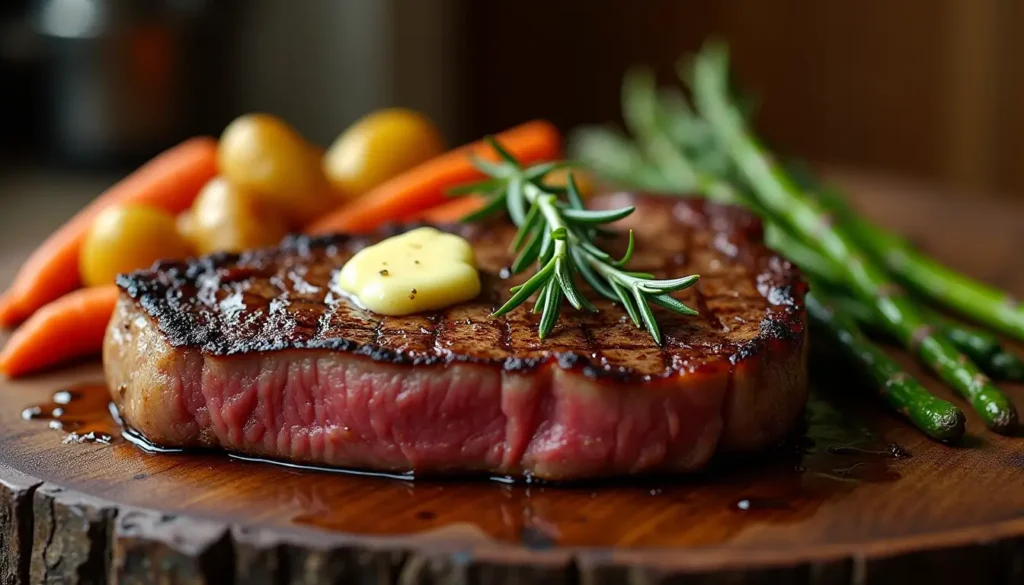
After resting, slice against the grain if desired (or serve whole), drizzle with any accumulated garlic butter juices from the plate, and serve immediately. The exterior should be beautifully caramelized, the interior perfectly pink (for medium-rare), and every bite should be incredibly tender and juicy.
Pro Tips for Perfect Ribeye Steak in Oven
Avoiding Tough or Dry Steak
The most common failure when cooking ribeye steak in oven is overcooking, which transforms this beautifully marbled, tender cut into a tough, dry disappointment. Prevent this by investing in a quality instant-read thermometer and pulling the steak at 5-10 degrees below your target temperature.
Don’t skip bringing the steak to room temperature—cold steaks cook unevenly, requiring more time overall, which increases the risk of overcooking the exterior while waiting for the center to heat up.
Use high heat for searing (screaming-hot skillet) but moderate heat for the oven (400°F). If you oven-finish at too high a temperature, the exterior overcooks before the center reaches doneness. The 400°F sweet spot provides even cooking.
Avoid the temptation to keep flipping the steak or moving it around in the pan—this prevents proper crust development and extends cooking time unnecessarily. Sear once on each side, then let the oven do its work.
Never cut into the steak to check doneness while cooking—every cut releases precious juices. Use a thermometer instead. And always, always let it rest after cooking. Those 5-7 minutes make the difference between a good steak and a phenomenal one.
Tool Recommendations
An instant-read meat thermometer is the single most important tool for perfect ribeye steak in oven. Digital models like the ThermoWorks ThermoPop or Thermapen read in 2-3 seconds and are worth every penny. They eliminate guesswork and guarantee perfect doneness every time.
A cast iron skillet is second in importance. The 12-inch Lodge cast iron skillet costs around $30-40 and will last generations with proper care. Its superior heat retention creates better searing than any other pan type and transitions seamlessly from stovetop to oven.
Good quality tongs (preferably with scalloped edges for grip without piercing the meat) make handling steaks safe and easy. Avoid forks, which puncture the surface and release juices.
An oven mitt or handle cover for your cast iron is essential—that skillet handle stays dangerously hot long after you remove it from the oven. Many cooks learn this the hard way.
A sharp chef’s knife or carving knife makes slicing the rested steak effortless and ensures clean cuts that don’t shred the meat fibers.
Storage & Reheating
Leftover Ribeye Steak in Oven stores in an airtight container in the refrigerator for 3-4 days. Let it cool completely before refrigerating to prevent condensation that makes the exterior soggy.
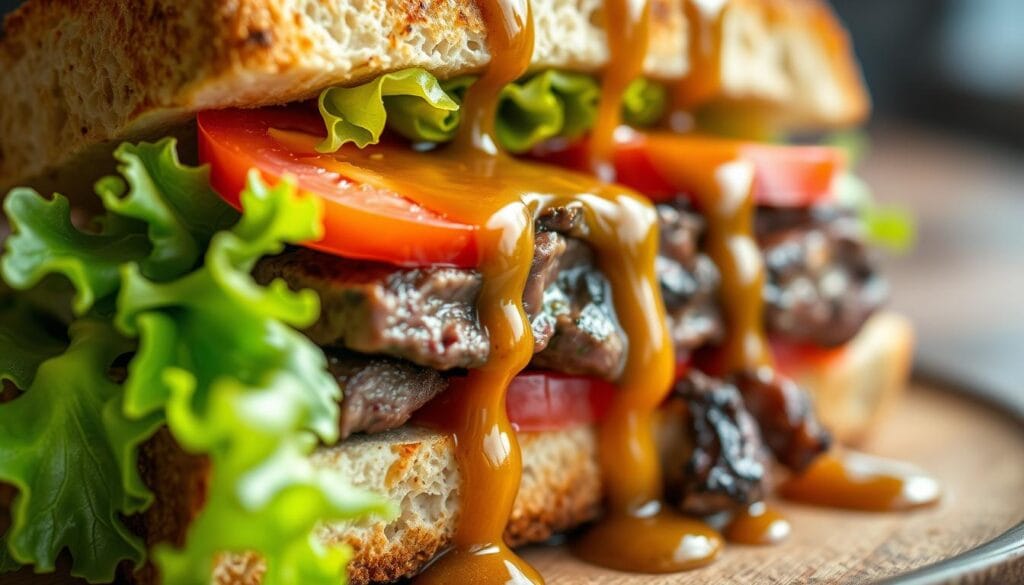
Ribeye Steak in Oven is delicious cold—slice it thin and use in sandwiches, over salads, or in steak and eggs for breakfast. Reheating cooked steak is tricky because it’s already cooked once; any reheating constitutes additional cooking, which can overcook it.
The gentlest reheating method: bring the steak to room temperature (30 minutes on the counter), then place on a wire rack over a baking sheet in a 250°F oven for 20-30 minutes until warmed through. This low temperature minimizes additional cooking. Alternatively, slice the cold steak and quickly sear the slices in a hot skillet for 30-60 seconds per side—just enough to warm without overcooking.
For best results, slightly undercook your steaks if you know you’ll have leftovers. Cook to rare or medium-rare, and reheating will bring them closer to medium—still delicious.
You can freeze cooked Ribeye Steak in Oven, though the texture will be slightly less perfect after thawing. Wrap tightly in plastic wrap, then in foil, and freeze for up to 3 months. Thaw in the refrigerator overnight before reheating gently.
Flavor Variations
Peppercorn-Crusted Ribeye Steak in Oven
Elevate your Ribeye Steak in Oven with a classic peppercorn crust that adds spicy, aromatic complexity. Coarsely crack 2 tablespoons of mixed peppercorns (black, white, green, and pink) using a mortar and pestle or by placing them in a sealed plastic bag and crushing with a heavy pan.
After seasoning with salt, press the cracked peppercorns firmly into both sides of the steak so they adhere. Sear and roast as directed. The high heat toasts the peppercorns, intensifying their flavor without making them overwhelmingly spicy.
Replace the garlic butter with a cognac cream sauce: after removing steaks, add ¼ cup cognac or brandy to the hot skillet (carefully—it may flame), scrape up browned bits, add ½ cup heavy cream, and simmer until thickened. This creates a restaurant-quality pan sauce that pairs perfectly with peppercorn-crusted beef.
Blue Cheese Butter
For blue cheese lovers, this variation transforms the garlic butter into something extraordinary. Mix 4 tablespoons softened butter with 2 tablespoons crumbled blue cheese (Roquefort, Gorgonzola, or Stilton), 1 teaspoon Worcestershire sauce, and a pinch of black pepper.
Top the hot steaks with this compound butter immediately after removing from the oven. The tangy, pungent blue cheese melts into the meat, creating pockets of intense flavor that complement ribeye’s richness beautifully.
This variation pairs especially well with a glass of full-bodied red wine and creamed spinach or a wedge salad—classic steakhouse accompaniments.
Coffee-Rubbed Ribeye
Coffee and beef create an unexpected but phenomenal pairing. Combine 1 tablespoon finely ground coffee (espresso grind works best), 1 tablespoon brown sugar, 1 teaspoon smoked paprika, 1 teaspoon garlic powder, 1 teaspoon kosher salt, and ½ teaspoon black pepper.
Rub this mixture all over the steaks and let sit for 20-30 minutes before cooking. The coffee adds earthy depth and enhances the Maillard browning, while the brown sugar caramelizes beautifully during searing, creating a slightly sweet crust that contrasts with the savory beef.
This variation works wonderfully with chipotle compound butter (add 1 teaspoon adobo sauce from canned chipotles to your garlic butter) for a Southwestern-inspired flavor profile.
Asian-Inspired Sesame-Ginger Ribeye
Take your Ribeye Steak in Oven in an Asian direction with bold aromatics. Create a marinade with ¼ cup soy sauce, 2 tablespoons sesame oil, 2 tablespoons rice vinegar, 2 tablespoons brown sugar, 3 cloves minced garlic, 1 tablespoon fresh grated ginger, and 1 teaspoon red pepper flakes.
Marinate the steaks for 2-4 hours (or up to overnight) in the refrigerator. Remove, pat dry thoroughly (critical for proper searing), and cook as directed. Skip the garlic butter and instead garnish the finished steaks with toasted sesame seeds, sliced scallions, and a drizzle of reserved marinade that’s been boiled for 5 minutes to kill bacteria.
Serve with stir-fried vegetables and jasmine rice for a complete Asian-fusion meal.
Herb-Crusted Ribeye
Create an elegant herb crust that adds French bistro sophistication. Combine 3 tablespoons breadcrumbs (panko works well), 2 tablespoons fresh parsley, 1 tablespoon fresh thyme, 2 minced garlic cloves, 2 tablespoons melted butter, salt, and pepper.
Sear the steaks as directed, then press this herb mixture onto the top surface of each steak before transferring to the oven. The oven heat toasts the breadcrumbs and herbs, creating an aromatic, textured crust.
This variation pairs beautifully with a red wine reduction sauce and roasted fingerling potatoes for an upscale dinner that rivals any French brasserie.
Serving Suggestions
Perfect ribeye steak in oven deserves accompaniments that complement rather than compete with its rich, beefy flavor.
Classic Steakhouse Sides: Creamy mashed potatoes are the quintessential pairing—their smooth, buttery texture and mild flavor let the steak shine while providing satisfying comfort. Loaded baked potatoes with sour cream, butter, chives, and bacon create a complete meal. Crispy steak fries or truffle fries add textural contrast and indulgence.
Vegetables: Grilled or roasted asparagus with lemon offers elegant simplicity and a touch of bitterness that cuts through ribeye’s richness. Sautéed mushrooms (especially wild varieties) provide umami depth that enhances the beef. Creamed spinach adds richness while contributing iron and nutrients. Roasted Brussels sprouts with balsamic glaze bring caramelized sweetness and cruciferous nutrition. A simple wedge salad with blue cheese dressing, bacon, and tomatoes provides cool, crisp contrast.
Sauces and Butters: While the garlic butter in this recipe is perfect, you can offer additional sauces on the side: classic béarnaise, peppercorn cream sauce, chimichurri for brightness, or horseradish cream for those who enjoy sharp, spicy notes.
Bread: Crusty artisan bread or warm dinner rolls are excellent for soaking up the garlic butter juices and any steak juices on the plate—don’t let a drop go to waste.
Wine Pairings: Ribeye Steak in Ovens rich marbling and intense beef flavor pair beautifully with full-bodied red wines. Cabernet Sauvignon offers bold tannins that cut through fat while complementing the meat’s flavor. Malbec from Argentina provides fruit-forward richness with smooth tannins. Syrah/Shiraz delivers peppery spice that enhances seasoned steak. For something special, aged Bordeaux or a California Napa Cab creates a memorable pairing.
Beer Pairings: If you prefer beer, reach for robust options: stouts and porters provide roasted malt flavors that echo the steak’s char, while IPAs offer hoppy bitterness that cuts through richness. Belgian dubbels or brown ales contribute malty sweetness and moderate bitterness that work beautifully with beef.
FAQs
Can I use frozen Ribeye Steak in Oven?
While fresh is always preferred, you can cook Ribeye Steak in Oven from frozen using a modified technique. For frozen steaks, do NOT thaw—sear them straight from the freezer for 90 seconds per side in your hot skillet to develop a crust, then transfer to a 275°F oven and roast for 18-22 minutes until they reach your target internal temperature. The lower oven temperature prevents overcooking the exterior while the frozen center heats through. This method works but won’t achieve quite the same quality as properly thawed steak. If you have time, thaw frozen ribeye in the refrigerator overnight (24 hours), which is vastly superior to cooking from frozen. Never thaw steak at room temperature or in warm water, as this promotes bacterial growth.
How do I reheat leftover steak without overcooking it?
Reheating cooked steak is challenging since any reheating constitutes additional cooking. The best method: bring the steak to room temperature (30 minutes on the counter), then place on a wire rack over a baking sheet in a low 250°F oven for 20-30 minutes until just warmed through. This gentle heat minimizes additional cooking. Alternatively, slice the steak thin and quickly sear in a smoking-hot skillet for just 30 seconds per side—enough to warm without overcooking. Many people actually prefer leftover steak served cold or at room temperature in sandwiches, salads, or with eggs, which eliminates the overcooking problem entirely. If you know you’ll have leftovers, consider cooking your steaks to rare or medium-rare initially, so reheating brings them closer to medium while still remaining juicy.
What if I don’t have a cast iron skillet?
While cast iron is ideal for this recipe due to its superior heat retention and oven-safety, you can adapt using other cookware. A heavy stainless steel skillet works well for searing—just ensure it’s oven-safe (all-metal construction with no plastic or rubber). Sear the steaks in the stainless skillet, then transfer them to a baking sheet or oven-safe dish to finish in the oven. Carbon steel pans also work excellently and have similar properties to cast iron. Avoid non-stick pans for searing, as they can’t handle the high heat safely and won’t develop proper crust. If you cook steak regularly, investing in a $30-40 cast iron skillet is worthwhile—it’ll last a lifetime and dramatically improve your results for steaks, burgers, and many other dishes.
Is Ribeye Steak in Oven safe during pregnancy?
Beef is safe during pregnancy when cooked to proper internal temperatures. The USDA and FDA recommend cooking all beef to a minimum internal temperature of 145°F (medium) followed by a 3-minute rest. This guideline applies to whole cuts like Ribeye Steak in Oven. Pregnant women should avoid rare or medium-rare steak (below 145°F) due to potential risk of toxoplasmosis and other foodborne pathogens.
How did you find results our recipes
There are no reviews yet. Be the first one to write one.