Introduction
Step into the heart of France with these French Gastronomy Recipes — a celebration of fine ingredients, elegant presentation, and timeless cooking techniques that have captivated food lovers for centuries. French gastronomy isn’t just about food; it’s an art form that captures passion, precision, and culture in every thoughtfully prepared dish.
From buttery, flaky pastries to slow-cooked stews that fill your home with intoxicating aromas and creamy sauces that coat the palate with luxurious richness, these French Gastronomy Recipes bring authentic Parisian flavors straight to your kitchen. The beauty of French cuisine lies in its ability to transform simple, quality ingredients into extraordinary culinary experiences.
Whether you’re preparing a romantic dinner for two, hosting a festive celebration, or simply indulging your love for refined cooking, this comprehensive guide will help you master the essence of traditional French cuisine. You’ll discover that creating restaurant-quality French dishes at home is more accessible than you might think.
Table of Contents
What Is French Gastronomy?
French gastronomy is the foundation of fine dining worldwide — balancing flavor, texture, and presentation with extraordinary care and attention to detail. It combines locally sourced produce, artisanal techniques passed down through generations, and centuries-old culinary wisdom that has shaped how we think about food.
Recognized by UNESCO as an intangible cultural heritage of humanity, French gastronomy represents more than just cooking. It embodies a philosophy of celebrating life’s pleasures through shared meals, quality ingredients, and the joy of gathering around the table.
These French Gastronomy Recipes embody sophistication without being intimidating or inaccessible. With simple guidance and a few key ingredients, anyone can bring Michelin-level flavor to their home kitchen, regardless of their current skill level.

Why You’ll Love These French Gastronomy Recipes
🍷 Elegance Made Easy: Even complex dishes become simple and approachable with clear instructions and professional techniques broken down into manageable steps.
🥖 Authentic Techniques: Learn the secrets behind classic mother sauces, perfect textures, and the fundamental skills that define French cooking excellence.
🍰 Variety for All Occasions: From breakfast croissants to elegant desserts, there’s a recipe for every craving and every moment worth celebrating.
🇫🇷 Cultural Connection: Experience the beauty and philosophy of French dining culture, where meals are sacred moments of connection and pleasure.
Every bite of these French Gastronomy Recipes reflects tradition, passion, and the craftsmanship that has made French cuisine the gold standard of culinary excellence worldwide.
Essential Ingredients in French Gastronomy
The magic of French Gastronomy Recipes lies in simplicity and uncompromising quality. French chefs have always believed that great cooking starts with great ingredients.
Pantry Staples
| Ingredient | Use |
|---|---|
| Butter | Adds richness and depth to sauces, pastries, and sautéed dishes |
| Cream | Used in soups, sauces, and desserts for luxurious texture |
| Fresh herbs (thyme, parsley, tarragon) | Infuse aromatic flavor into meats, stews, and sauces |
| Dijon mustard | A classic French condiment for marinades and vinaigrettes |
| Garlic & shallots | Essential aromatics that form the flavor foundation |
| Olive oil | Foundation for dressings and sautés, especially in Provence |
| Wine (red & white) | Enhances sauces, stews, and marinades with complexity |
| Cheese (Gruyère, Brie, Roquefort) | Adds authentic French texture and umami depth |
Each ingredient is chosen for balance, harmony, and depth — essential traits of every French Gastronomy Recipe. French cooking isn’t about using exotic ingredients; it’s about respecting simple ingredients and allowing their natural flavors to shine.
Classic French Gastronomy Recipes to Try
1. Coq au Vin (Chicken Braised in Wine)
A rustic and comforting dish made with chicken, red wine, pearl onions, mushrooms, and aromatic herbs that create layers of complex flavor. The slow braising process infuses deep, savory richness — the hallmark of authentic French Gastronomy Recipes.
This Burgundian classic transforms humble chicken into something extraordinary through patience and technique. The wine reduces to a silky sauce that clings to each piece of tender meat, while the mushrooms and onions add textural contrast.
2. Ratatouille (Provençal Vegetable Stew)
A colorful medley of zucchini, eggplant, tomatoes, and bell peppers cooked with olive oil, garlic, and fresh herbs until each vegetable releases its natural sweetness. It’s a perfect example of how French Gastronomy Recipes can turn simple seasonal vegetables into a refined masterpiece.
While it may seem basic, proper ratatouille requires careful technique — each vegetable is often cooked separately before being combined, ensuring perfect texture and distinct flavors that meld harmoniously.
3. Boeuf Bourguignon
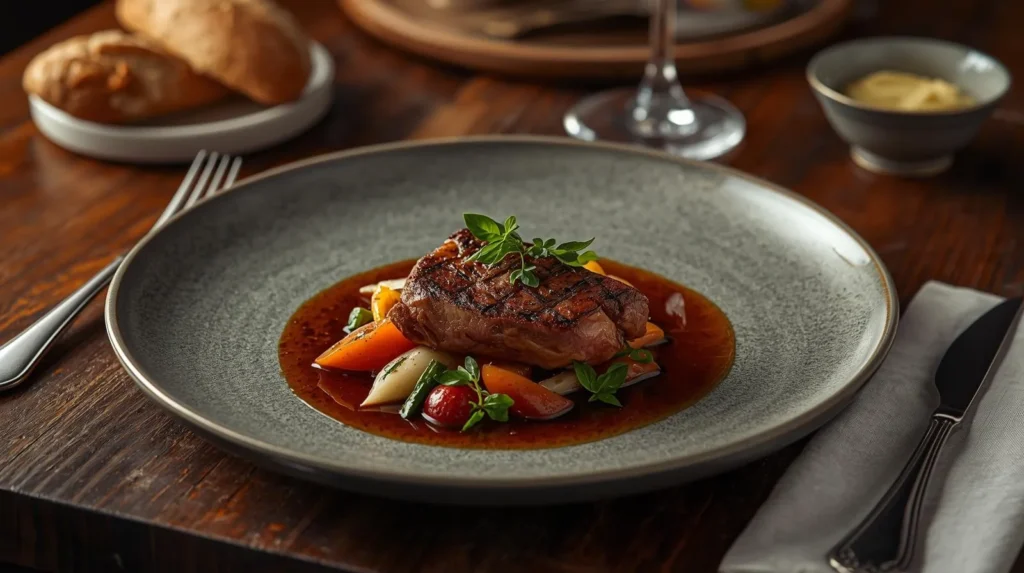
A luxurious beef stew simmered slowly in red Burgundy wine with pearl onions, mushrooms, and aromatic herbs — rich, hearty, and deeply satisfying. This dish exemplifies the patience and care that define French Gastronomy Recipes.
The beef becomes melt-in-your-mouth tender after hours of gentle braising, while the wine-based sauce develops incredible depth. It’s comfort food elevated to an art form.
4. Quiche Lorraine
A buttery, flaky tart shell filled with a silky custard of eggs, cream, and smoky bacon or lardons. Simple yet elegant, it’s a true icon among French Gastronomy Recipes that works equally well for brunch or dinner.
The key is achieving the perfect custard texture — creamy but set, rich but not heavy. When done correctly, each slice reveals a beautiful cross-section of golden custard studded with bacon.
5. Crème Brûlée
A silky, vanilla-scented custard topped with a thin layer of caramelized sugar that cracks under your spoon — the definition of French dessert perfection. This classic bistro dessert showcases the French mastery of texture and temperature contrast.
6. Bouillabaisse
A traditional Provençal fish stew with saffron, fennel, and various seafood, served with rouille and crusty bread. This coastal French Gastronomy Recipe captures the essence of Mediterranean cooking.
7. Duck Confit
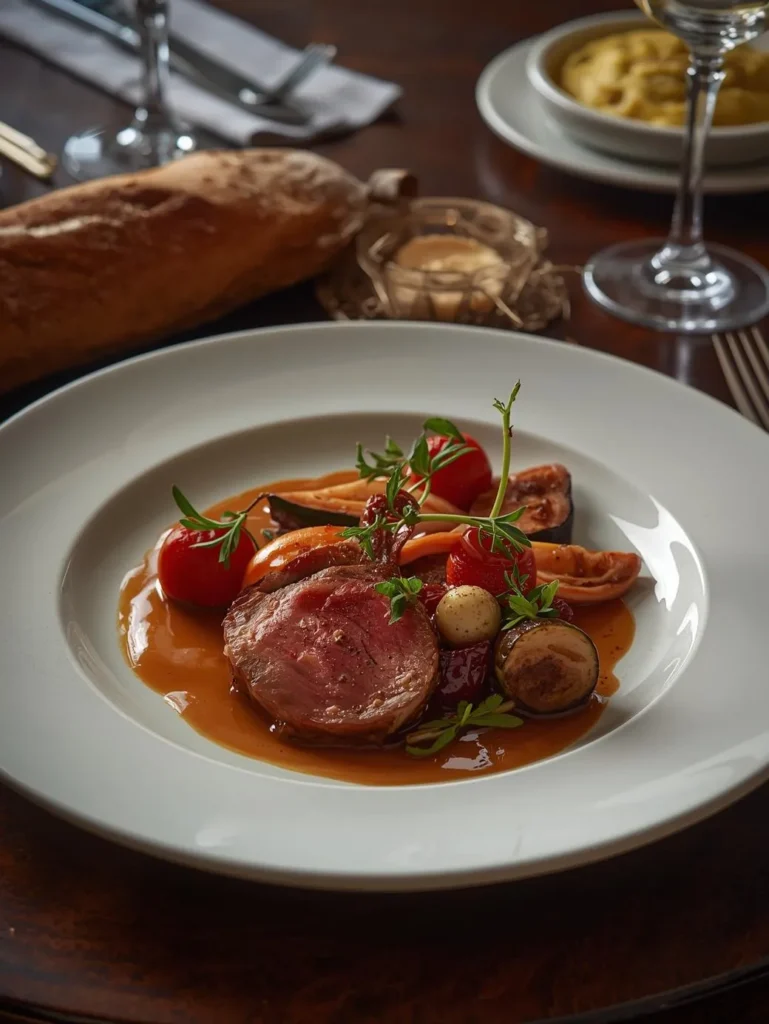
Duck legs slowly cooked in their own fat until impossibly tender with crispy skin. This preservation technique has become one of the most celebrated preparations in French cuisine.
The Art of French Cooking Techniques
To master French Gastronomy Recipes, understanding fundamental techniques is absolutely essential. These methods have been refined over centuries to achieve specific results.
Sautéing
Quickly cooking ingredients in butter or oil over high heat to build flavor through caramelization while maintaining texture. This technique is the starting point for countless French dishes.
Deglazing
Adding wine, stock, or other liquid to a hot pan to lift the flavorful browned bits (fond) stuck to the bottom — this is the start of most French sauces and the secret to deep, complex flavors.
Braising
Cooking meats or vegetables slowly in liquid at low temperature to achieve fork-tender texture and concentrated depth of flavor. This technique transforms tough cuts into sublime dishes.
Emulsifying
Creating smooth, stable sauces like Hollandaise, Béarnaise, or classic vinaigrettes by blending fats and liquids that would naturally separate. Mastering emulsions is crucial for many French Gastronomy Recipes.
Mise en Place
The practice of preparing and organizing all ingredients before cooking begins. This fundamental French principle ensures smooth execution and consistent results.
These classic methods define the beauty of French Gastronomy Recipes, turning humble ingredients into extraordinary meals through skill and technique rather than expensive components.
Pro Tips from a French Chef
🍳 Use quality ingredients: Fresh produce, real butter, and good wine make a transformative difference in the final dish. French cooking relies on ingredient quality over quantity.
🔪 Master knife skills: Presentation is as important as taste in French cuisine. Uniform cuts ensure even cooking and demonstrate respect for your ingredients.
🧈 Respect technique: Patience in preparation ensures perfect textures and flavors. Don’t rush the process — French cooking rewards those who take their time.
🧂 Season precisely: Taste as you cook and adjust seasoning incrementally. Balance is everything in French cuisine, where no single flavor should dominate.
🍷 Cook with wine you’d drink: If it’s not good enough to enjoy in a glass, it won’t improve your sauce. Quality matters in every ingredient.
Even the simplest French Gastronomy Recipe becomes exceptional when proper technique meets genuine passion for the craft.

Modern Twists on Traditional French Recipes
French cuisine continues to evolve, blending contemporary innovation with cherished heritage while respecting the fundamental principles that make it special.
Vegan Ratatouille
Skip the butter and use high-quality olive oil throughout for a plant-based twist that maintains the dish’s Provençal soul. Add nutritional yeast for depth traditionally provided by cheese.
Gluten-Free Quiche
Use almond flour, oat flour, or a gluten-free blend for the crust without sacrificing the buttery, flaky texture. The custard filling remains traditionally rich and creamy.
Lighter Crème Brûlée
Replace some heavy cream with whole milk or coconut cream for a healthier spin that still delivers the signature silky texture. The caramelized sugar top remains delightfully crispy.
Vegetarian Boeuf Bourguignon
Use hearty mushrooms, eggplant, or plant-based protein in place of beef while maintaining the rich red wine sauce that makes this French Gastronomy Recipe so beloved.
These variations keep French Gastronomy Recipes fresh, inclusive, and accessible to everyone while honoring the techniques and flavors that make them special.
What to Serve with French Dishes
Creating a complete French dining experience means considering every element of the meal with thoughtfulness and intention.
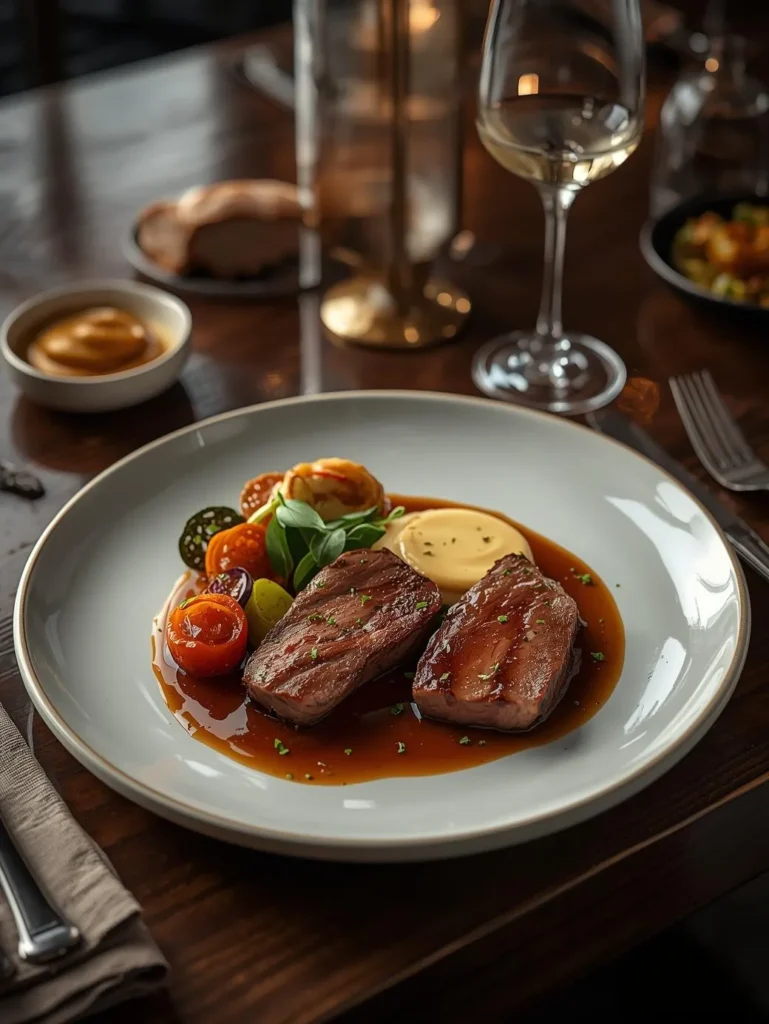
Wine pairings: Red Bordeaux or Burgundy for beef dishes, crisp Chardonnay for poultry and cream-based sauces, Champagne for seafood and celebratory moments. French gastronomy and wine culture are inseparable.
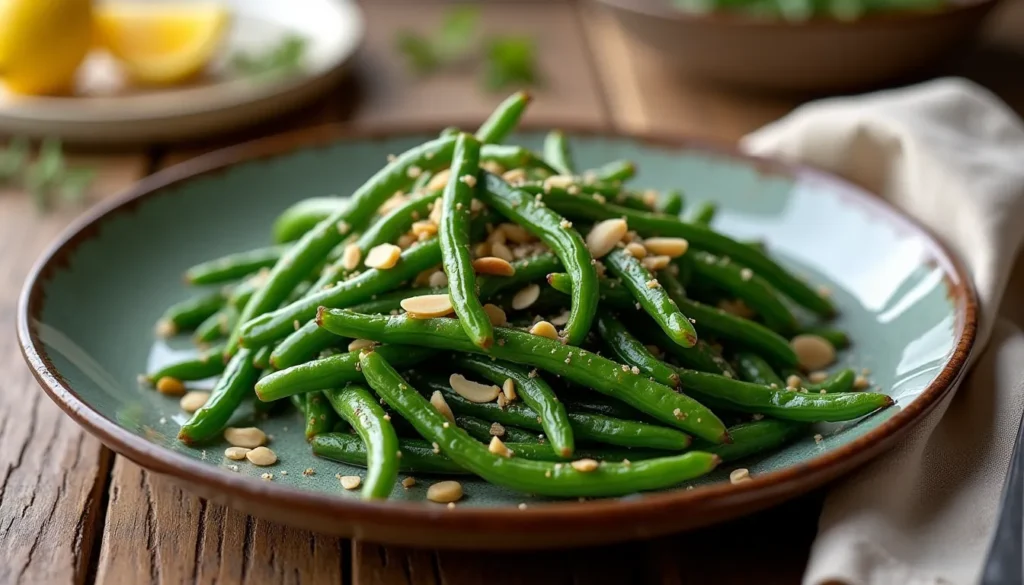
Side dishes: Crusty French baguette for sopping up sauces, creamy pommes purée (mashed potatoes), buttered asparagus, or haricots verts. Simple sides allow main dishes to shine.
Cheese course: Serve a selection of French cheeses between the main course and dessert, the traditional French way. Include soft, hard, and blue varieties.
Desserts: End with Tarte Tatin (caramelized apple tart), delicate Madeleines, rich Chocolate Mousse, or fruit-based clafoutis. French pastry is an art unto itself.
Every meal becomes a journey through France’s diverse regions when complemented with thoughtful pairings that honor the country’s culinary traditions.
Regional Variations in French Gastronomy
France’s culinary diversity reflects its varied geography and local traditions.
Provence: Mediterranean influences with olive oil, tomatoes, garlic, and herbs. Lighter, brighter flavors dominate these French Gastronomy Recipes.
Burgundy: Rich, wine-based sauces and hearty preparations featuring beef and chicken. This region gave us some of the most iconic French dishes.
Normandy: Butter, cream, apples, and seafood define this northern region’s cuisine. Dishes here are rich and comforting.
Alsace: German influences bring sauerkraut, pork, and white wines to the table in this border region.
Understanding regional differences adds depth to your appreciation of French Gastronomy Recipes and their cultural context.
FAQs About French Gastronomy
Q: What makes French gastronomy unique?
A: Its emphasis on proper technique, perfect balance of flavors, and unwavering commitment to ingredient quality. French gastronomy also values the social and cultural aspects of dining.
Q: Are these recipes beginner-friendly?
A: Yes! Each French Gastronomy Recipe includes simple, clear steps that anyone can follow with patience and practice. Start with simpler dishes and build your skills progressively.
Q: Do I need expensive ingredients?
A: Not at all — focus on freshness and authenticity over price. French cooking celebrates quality over luxury, and many classic dishes were originally peasant food.
Q: What is the best French dish to start with?
A: Start with Ratatouille or Quiche Lorraine for accessible yet flavorful results that teach fundamental techniques without overwhelming complexity.
Q: How important is wine in French cooking?
A: Very important, but you don’t need expensive bottles. Cook with wine you’d enjoy drinking, as it adds acidity, depth, and complexity to many French Gastronomy Recipes.
Q: Can I adapt French recipes to dietary restrictions?
A: Absolutely. While traditional recipes use butter and cream liberally, many can be adapted for vegetarian, vegan, or gluten-free diets while maintaining their essential character.
Conclusion
French cuisine represents the perfect harmony of art and taste, where cooking transcends mere sustenance to become a celebration of life itself. With these French Gastronomy Recipes, you can recreate the authentic flavors of France — from hearty regional dishes to delicate desserts — right in your own kitchen.
Each recipe tells a story of tradition, love, and the craftsmanship that has been passed down through generations of French cooks. Whether you’re cooking for an intimate family dinner or a formal dinner party, these French Gastronomy Recipes promise elegance, authenticity, and unforgettable flavor.
The beauty of French gastronomy is that it’s both an ancient tradition and a living art form that continues to evolve. By mastering these fundamental recipes and techniques, you’re not just learning to cook — you’re connecting with centuries of culinary wisdom and joining a global community that celebrates the joy of exceptional food.
Start your French cooking journey today, and discover why French Gastronomy Recipes have captivated food lovers around the world for generations. Bon appétit! 🇫🇷
How did you find results our recipes
There are no reviews yet. Be the first one to write one.