
Introduction
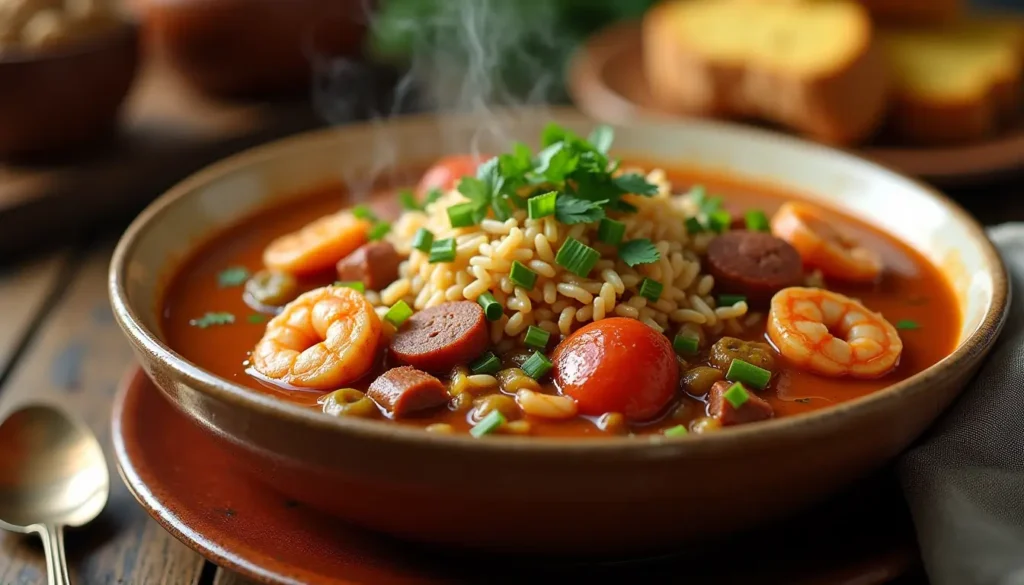
Tired of bland or watery gumbo recipe results that leave you disappointed? You’re not alone. Many home cooks struggle to achieve that perfect balance of thick, flavorful broth and tender proteins that define authentic Louisiana gumbo. The secret isn’t just in the ingredients—it’s in the technique, timing, and understanding what makes a truly exceptional gumbo recipe.
This gumbo recipe brings bold, authentic Cajun flavor in every bite. Whether you’re craving the smoky depth of andouille sausage, the sweetness of fresh shrimp, or the earthy richness of a perfectly dark roux, this recipe delivers restaurant-quality results right in your own kitchen. You’ll discover how to build layers of flavor that transform simple ingredients into an unforgettable comfort food experience.
As a Southern food lover, I’ve perfected this gumbo recipe for rich, layered taste and comfort. After years of experimenting with different roux techniques, testing various protein combinations, and learning from Louisiana natives, I’ve developed a foolproof approach that works every single time. This isn’t just another recipe—it’s a tried-and-true method that honors the traditions of Cajun and Creole cooking while remaining accessible for home cooks at any skill level.
Table of Contents
Why This Gumbo Recipe Works
Creating an exceptional gumbo recipe requires understanding what separates outstanding results from mediocre ones. This recipe has been refined through countless batches to deliver consistent, crowd-pleasing results every single time. Here’s what makes this gumbo recipe truly special:
- Uses simple, easy-to-find ingredients for a flavorful gumbo recipe: You won’t need to hunt down obscure specialty items or spend a fortune at gourmet markets. Every ingredient in this gumbo recipe can be found at your local grocery store, from the vegetables that form the “holy trinity” to the proteins that give it substance. The magic lies not in exotic ingredients but in how you combine and cook readily available items to build complex, satisfying flavors.
- Prep in 20 minutes, then simmer for deep, rich taste: Unlike complicated recipes that require hours of hands-on work, this gumbo recipe features straightforward prep that takes just 20 minutes. Once your ingredients are ready and your roux is made, the pot does most of the work. The extended simmering time allows flavors to meld and deepen without requiring constant attention, making this gumbo recipe perfect for lazy Sunday afternoons or meal prep sessions.
- Perfect for weeknight comfort or weekend gatherings: The versatility of this gumbo recipe means it fits seamlessly into any occasion. Need a warming weeknight dinner that feeds the whole family? This recipe delivers. Planning a casual get-together with friends? Double the batch and serve it buffet-style over rice. The forgiving nature of gumbo means you can adjust quantities, swap proteins, and customize spice levels to suit your needs and your guests’ preferences.
Choosing the Right Gumbo Recipe Ingredients
The success of your gumbo recipe hinges on selecting quality ingredients that work harmoniously together. While gumbo is forgiving and adaptable, starting with the right components ensures you’ll achieve that authentic Louisiana flavor profile. Let’s break down what you need and why each ingredient matters.
Best Ingredients for This Gumbo Recipe
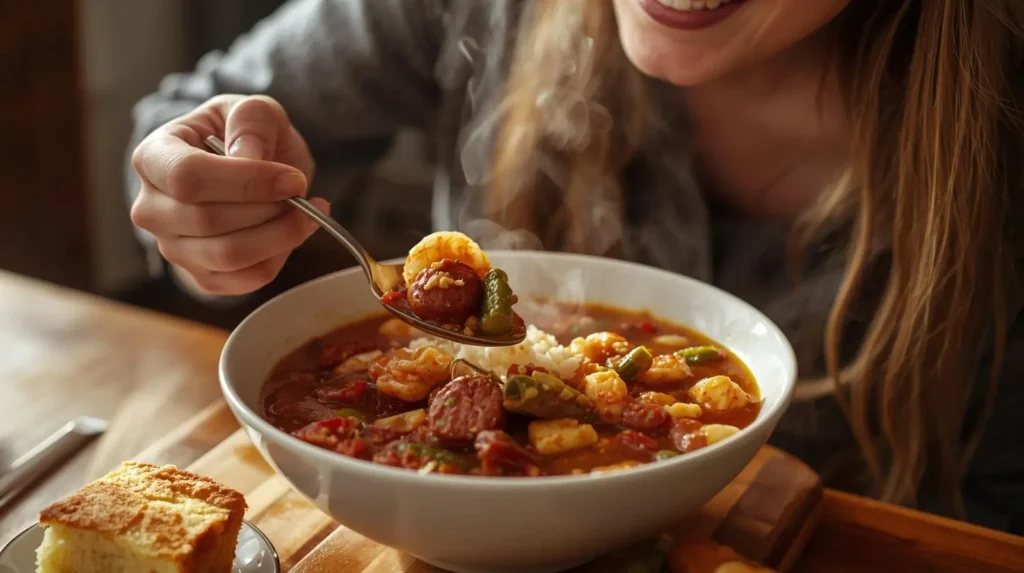
For a traditional, crowd-pleasing gumbo recipe, you’ll want to include okra, sausage, shrimp, and a rich roux for deep flavor. Okra serves dual purposes—it adds a subtle earthy taste while helping to thicken the gumbo naturally. When cooked properly, okra releases a viscous substance that gives gumbo its characteristic body without any slimy texture.
Andouille sausage is the gold standard for gumbo recipes. This smoked Cajun sausage brings a robust, spicy flavor that permeates the entire pot. Look for authentic Louisiana andouille if possible, though good-quality smoked sausage works as an acceptable substitute. The smokiness from the sausage adds depth that you simply cannot replicate with other ingredients.
Fresh or frozen shrimp provides sweetness and a seafood element that balances the richness of the sausage. Medium to large shrimp work best—they’re substantial enough to hold up during cooking without becoming rubbery. Peeled and deveined shrimp save time, but leaving tails on can add extra flavor if you don’t mind removing them while eating.
Buying Tips for Your Gumbo Recipe
Use fresh seafood or high-quality smoked sausage for best results. When shopping for shrimp, look for firm, translucent flesh without any ammonia smell. If buying frozen shrimp, check that they’re individually quick frozen (IQF) rather than in a solid block—this indicates better quality and makes it easier to use only what you need.
For the sausage, visit a butcher shop or specialty meat counter if possible. Pre-packaged sausages often contain fillers and lack the authentic smokiness you want. Ask for recommendations—many butchers carry regional sausages that work beautifully in gumbo recipes. If you can find true Louisiana andouille, it’s worth the extra cost.
Your vegetables should be fresh and crisp. Avoid pre-chopped vegetables sold in containers, as they’ve often lost their aromatic oils. Take the extra few minutes to chop your own bell peppers, celery, and onions just before cooking. The difference in flavor is remarkable and elevates your gumbo recipe from good to exceptional.
Substitutions for This Gumbo Recipe
Swap shrimp for chicken or add crab for a seafood gumbo twist. If you’re not a fan of seafood or have dietary restrictions, chicken thighs cut into bite-sized pieces work wonderfully. Dark meat stays tender and moist during the long simmering time, while white meat tends to dry out. For an all-seafood gumbo recipe, add lump crabmeat, crawfish tails, or oysters in addition to or instead of shrimp.
Can’t find okra or don’t enjoy its texture? You can thicken your gumbo recipe with filé powder (ground sassafras leaves) instead. Add filé powder after cooking is complete and the pot is off the heat—it can become stringy if boiled. Some cooks use both okra and filé, though traditional gumbo recipes typically feature one or the other.
For a vegetarian gumbo recipe, omit all animal proteins and replace them with hearty vegetables like mushrooms, eggplant, and beans. White beans or chickpeas add protein and substance, while smoked paprika and liquid smoke can replicate some of that smoky depth typically provided by andouille sausage.
Ingredients & Prep
Proper preparation is crucial for an efficient cooking process and exceptional results with this gumbo recipe. Having everything measured, chopped, and ready before you start cooking—what chefs call “mise en place”—ensures smooth sailing once you begin. Here’s everything you need and how to prepare it.
Gumbo Recipe Prep Essentials
For the Roux:
- ¾ cup vegetable oil or canola oil
- ¾ cup all-purpose flour
The roux is the foundation of your gumbo recipe, so start here. Making roux requires constant attention—you’ll be stirring continuously for 20-30 minutes. Have your flour measured and ready to add to the hot oil immediately. Once you start, you cannot walk away, so ensure you have no distractions. The roux will progress from blonde to peanut butter colored to the deep chocolate brown you’re aiming for. Understanding these visual cues helps you avoid burning, which would ruin the batch and require starting over.
For the Holy Trinity:
- 2 large onions, diced (about 3 cups)
- 2 large bell peppers, diced (about 2 cups; use green for traditional, or mix colors for sweetness)
- 4 stalks celery, diced (about 1½ cups)
- 6 cloves garlic, minced
Chop your vegetables into uniform pieces, roughly ½-inch dice. Consistency matters because evenly sized pieces cook at the same rate. Have them in separate bowls near your stove—you’ll add them to the roux in quick succession, and having them prepped prevents scrambling while your roux waits.
For the Proteins:
- 1 pound andouille sausage, sliced into ½-inch rounds
- 1½ pounds medium or large shrimp, peeled and deveined
- Optional: 1 pound chicken thighs, cut into 1-inch pieces
Slice the sausage before you begin cooking, as you’ll add it relatively early in the process. Keep the shrimp refrigerated until the final 10 minutes of cooking—adding them too early results in rubbery, overcooked seafood. If using chicken, you can add it earlier, as it needs more cooking time.
Additional Ingredients:
- 6 cups chicken stock or seafood stock (homemade or low-sodium store-bought)
- 2 cups sliced okra (fresh or frozen)
- 3 bay leaves
- 2 tablespoons Cajun seasoning (store-bought or homemade)
- 1 teaspoon dried thyme
- 1 teaspoon cayenne pepper (adjust to taste)
- 2 teaspoons salt
- 1 teaspoon black pepper
- 3 tablespoons filé powder (optional, for serving)
- Fresh parsley, chopped (for garnish)
- Green onions, sliced (for garnish)
- Cooked white rice (for serving)
| Ingredient Category | Items | Purpose in Gumbo Recipe |
|---|---|---|
| Base/Thickener | Flour, Oil, Okra, Filé Powder | Creates roux for thickness and deep flavor; provides body |
| Aromatics | Onions, Bell Peppers, Celery, Garlic | Builds foundational flavor (holy trinity of Cajun cooking) |
| Proteins | Andouille Sausage, Shrimp, Chicken | Provides substance, smokiness, and seafood sweetness |
| Liquids | Chicken/Seafood Stock | Forms the broth; carries flavors throughout the dish |
| Seasonings | Cajun Seasoning, Thyme, Bay Leaves, Salt, Pepper, Cayenne | Adds complexity, heat, and authentic Louisiana flavor |
| Garnishes | Parsley, Green Onions, Rice | Freshness, color, and traditional serving style |
Marinades and Seasonings for Your Gumbo Recipe
Season meats or seafood ahead for deeper flavor. While not strictly necessary, taking 30 minutes to an hour to marinate your proteins elevates your gumbo recipe significantly. For chicken, toss pieces with a tablespoon of Cajun seasoning, salt, and pepper, then refrigerate. This allows the flavors to penetrate the meat rather than just sitting on the surface.
For shrimp, a quick marinade of lemon juice, minced garlic, and a pinch of cayenne pepper adds brightness without overpowering the delicate seafood flavor. Don’t marinate shrimp for more than 30 minutes, as the acid in the lemon juice will begin to “cook” the shrimp, affecting texture.
The sausage doesn’t require marinating since it’s pre-seasoned and smoked. However, you can boost its flavor by quickly browning the slices in a hot pan before adding them to your gumbo recipe. This caramelization adds an extra dimension of taste and slightly crispy texture.
Pantry Staples for Your Gumbo Recipe
Every well-stocked kitchen should have certain basics that make preparing a gumbo recipe straightforward: neutral cooking oil with a high smoke point, all-purpose flour for the roux, bell peppers, celery, onions, and fresh garlic. These form the backbone of not just gumbo but countless Cajun and Creole dishes.
Cajun seasoning is worth making yourself if you have time. Combine paprika, garlic powder, onion powder, dried oregano, dried thyme, cayenne pepper, black pepper, and salt in proportions you enjoy. Homemade blends contain no anti-caking agents or excessive sodium, and you control the heat level. Store in an airtight container for up to six months.
Quality stock makes a tremendous difference in your gumbo recipe. If using store-bought, choose low-sodium versions so you can control salt levels. Even better, make your own by simmering chicken bones, vegetable scraps, and herbs. Homemade stock provides richer flavor and a silkier texture that canned versions cannot match.
Step-by-Step Cooking Instructions
Creating an authentic gumbo recipe requires patience and attention to detail, but the process is straightforward when broken into manageable steps. Follow these instructions carefully, especially when making the roux, and you’ll achieve perfect results every time.
Pre-Cooking Prep for Your Gumbo Recipe
Gather ingredients and prepare the roux. Before turning on any heat, arrange your mise en place. Set out all chopped vegetables, measured seasonings, sliced proteins, and stock. Having everything within arm’s reach prevents panic when you need to add ingredients quickly.
Choose a heavy-bottomed pot or Dutch oven—at least 6 quarts for this gumbo recipe. Heavy pots distribute heat evenly, preventing hot spots that can burn your roux. Cast iron or enameled cast iron works beautifully, though heavy stainless steel is also acceptable.
Heat your oil over medium heat. When it shimmers and moves easily across the pan, gradually whisk in the flour. From this moment forward, you must stir constantly with a wooden spoon or heat-resistant spatula. Set a timer for 20 minutes—that’s approximately how long it takes to reach a dark chocolate roux color.
Cooking Method for Your Gumbo Recipe
Add vegetables, proteins, and broth in sequence for best results. Once your roux reaches that perfect dark brown color—imagine the color of a Hershey bar—immediately add your holy trinity vegetables. They’ll sizzle dramatically, which is exactly what you want. The moisture from the vegetables stops the roux from cooking further and begins building your flavor base.
Stir the vegetables constantly for about 5 minutes until they soften slightly. Add the minced garlic and cook for another minute until fragrant. Be careful not to burn the garlic—it cooks much faster than the other vegetables and can become bitter if overcooked.
Add the sliced andouille sausage and stir to combine. Let it cook for 3-4 minutes, allowing it to release some of its oils and smoky flavor into the mixture. If you’re using chicken, add it now as well, stirring to coat each piece with the roux and vegetables.
Gradually add your stock, stirring constantly to prevent lumps. Start with about 2 cups, stirring vigorously until fully incorporated, then add the remaining stock in two more additions. This gradual approach ensures a smooth, lump-free gumbo recipe.
Add the okra, bay leaves, Cajun seasoning, thyme, cayenne pepper, salt, and black pepper. Stir everything together thoroughly, then increase heat to bring the gumbo to a boil.
Simmering Your Gumbo Recipe
Cook until thickened and flavors blend together beautifully. Once your gumbo reaches a boil, reduce heat to maintain a gentle simmer. You want to see small bubbles breaking the surface regularly, but not a rolling boil that would cause excessive evaporation.
Simmer uncovered for 45 minutes to 1 hour, stirring occasionally. During this time, the liquid reduces slightly, the okra breaks down to add body, and all the flavors marry together. You’ll notice the gumbo thickening gradually—this is the roux and okra working their magic.
Taste your gumbo after 45 minutes and adjust seasonings as needed. Every batch is slightly different depending on the saltiness of your stock and sausage, so seasoning to taste is crucial. Add more Cajun seasoning for complexity, cayenne for heat, or salt if the flavors seem flat.
Doneness Check for Your Gumbo Recipe
The gumbo should be rich and slightly thickened with tender ingredients. You’ll know your gumbo recipe is ready when it coats the back of a spoon but isn’t as thick as gravy—gumbo should have a soupy consistency that’s more substantial than regular soup but not stew-like.
The vegetables should be completely tender, almost melting into the broth. The sausage should be heated through and have imparted its smoky flavor throughout. The shrimp should be pink, curved into C-shapes, and just opaque in the center—this indicates perfect cooking. If they’ve curled tightly into O-shapes, they’ve cooked slightly too long but are still edible.
Taste one final time and make any last-minute seasoning adjustments. Remember that flavors will continue developing as the gumbo rests, so slightly under-seasoning is better than over-seasoning at this stage.
Resting Your Gumbo Recipe
Let gumbo rest 10 minutes before serving for flavors to deepen. Remove the pot from heat and let it sit, covered, for about 10 minutes. This resting period allows the proteins to relax, the broth to settle, and the flavors to harmonize one final time.
During this rest, the temperature will drop slightly, making the gumbo more pleasant to eat immediately. The okra’s thickening properties continue working even off heat, so you’ll notice the consistency becoming more cohesive.
Some cooks prefer to remove the bay leaves before serving, though they’re traditionally left in with a reminder to diners not to eat them. Check your gumbo one last time for any bits of shell from the shrimp or any ingredients that didn’t break down as expected.
| Cooking Stage | Time Required | Key Indicators | Common Mistakes to Avoid |
|---|---|---|---|
| Roux Preparation | 20-30 minutes | Dark chocolate color, nutty aroma | Rushing the process, walking away, burning |
| Sautéing Holy Trinity | 5-6 minutes | Softened vegetables, fragrant | Adding garlic too early, burning aromatics |
| Adding Stock | 5-7 minutes | Smooth consistency, no lumps | Adding all stock at once, not stirring thoroughly |
| Simmering | 45-60 minutes | Thickened broth, tender vegetables | Boiling too vigorously, not stirring occasionally |
| Adding Shrimp | 5-7 minutes | Pink and C-shaped, opaque | Adding too early, overcooking to toughness |
| Resting | 10 minutes | Flavors melded, slightly cooled | Serving immediately without rest period |
Pro Tips for Perfect Gumbo Recipe
Even with a detailed recipe, certain techniques and insider knowledge can elevate your gumbo recipe from good to extraordinary. These pro tips come from years of experience and troubleshooting common issues that home cooks encounter.
Tool Recommendations for Your Gumbo Recipe
Heavy pot, whisk, and ladle. Investing in quality tools makes cooking gumbo significantly easier and more enjoyable. A heavy-bottomed pot of at least 6-quart capacity is non-negotiable—thin pots create hot spots that burn your roux and cook ingredients unevenly. Cast iron Dutch ovens are ideal, though enameled cast iron or heavy stainless steel with an aluminum core also work beautifully.
A long-handled wooden spoon or heat-resistant silicone spatula is essential for the long stirring required during roux-making. Wooden spoons won’t conduct heat like metal, preventing burns, and they won’t scratch your pot’s surface. Keep it exclusively for roux-making if possible, as the dark color will permanently stain.
A whisk is invaluable when incorporating the stock into your roux. The rapid whisking motion breaks up any lumps before they have a chance to form, ensuring a smooth, silky texture in your gumbo recipe. Choose a balloon whisk with sturdy wires that can handle thick mixtures.
Storage and Reheating Your Gumbo Recipe
Store gumbo in an airtight container for up to 4 days or freeze up to 3 months. Gumbo actually improves with time—the flavors continue melding and developing even in the refrigerator. After cooking, allow your gumbo to cool to room temperature before transferring to storage containers. Putting hot gumbo directly into the refrigerator can raise the appliance’s internal temperature, potentially compromising other foods.
For refrigeration, use glass or plastic containers with secure lids. Fill containers to within an inch of the top to allow for expansion as the gumbo cools. Label with the date so you remember when it was made—while gumbo keeps well for 4 days, consuming it within 2-3 days ensures optimal freshness and food safety.
Freezing works exceptionally well for gumbo recipe leftovers. Portion the gumbo into meal-sized containers for convenience—you can thaw exactly what you need without defrosting the entire batch. Leave at least 1-2 inches of headspace in containers, as liquids expand when frozen. Frozen gumbo maintains quality for up to 3 months, though it’s technically safe beyond that point.
Flavor Variations for Your Gumbo Recipe
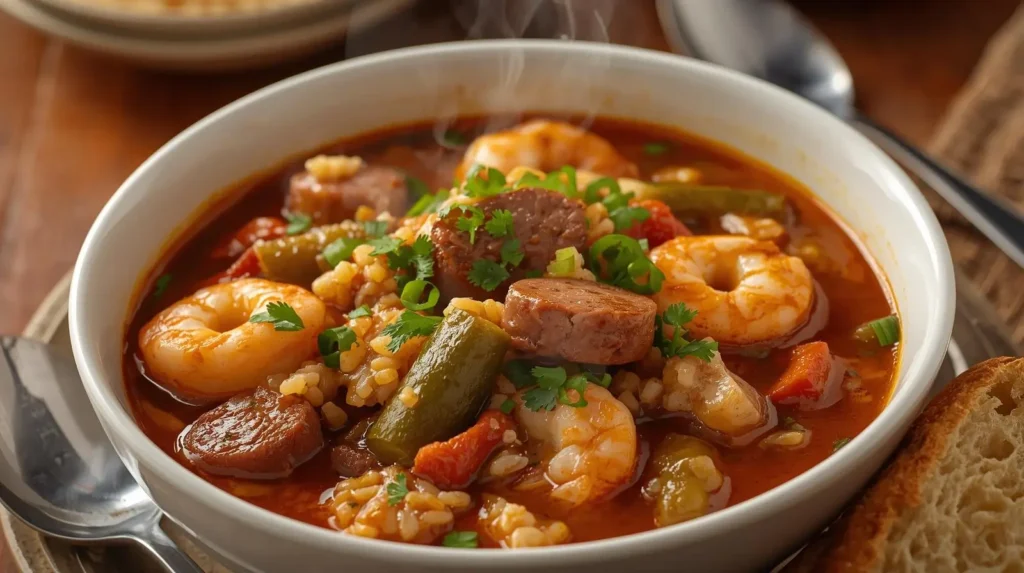
One of the beautiful aspects of gumbo is its versatility—you can customize this gumbo recipe to suit dietary preferences, regional variations, or simply what’s available in your kitchen. Here are the most popular variations that maintain the soul of traditional gumbo while offering creative twists.
Seafood Gumbo Recipe
Add shrimp, crab, and oysters for a coastal twist. An all-seafood gumbo recipe celebrates the bounty of the Gulf Coast and showcases the delicate, sweet flavors of fresh seafood. Start with the same roux and holy trinity base, but use seafood stock instead of chicken stock for a more cohesive flavor profile.
For proteins, combine 1 pound of shrimp, ½ pound of lump crabmeat, and a pint of oysters with their liquor. Add the shrimp as directed in the main recipe during the final 10 minutes of cooking. Gently fold in the crabmeat during the last 5 minutes—you want to heat it through without breaking up the delicate lumps. Finally, add the oysters with their liquid in the final 3 minutes, cooking just until their edges begin to curl.
Chicken and Sausage Gumbo Recipe
Hearty, traditional Southern comfort style. This variation is perhaps the most classic and widely loved version of gumbo recipe. It’s economical, filling, and perfect for feeding a crowd. You’ll need 2 pounds of chicken thighs (boneless, skinless, cut into bite-sized pieces) and 1 pound of andouille sausage.
Brown the chicken pieces in your pot before making the roux—this adds color and develops deeper flavor through caramelization. Remove the chicken and set aside, then proceed with making your roux in the same pot, taking advantage of the flavorful browned bits (fond) stuck to the bottom.
After adding your stock and bringing the gumbo to a simmer, return the chicken to the pot. Unlike shrimp, chicken benefits from the long simmering time—the dark meat becomes incredibly tender and absorbs all the seasonings. Simmer for the full hour, and the chicken will practically fall apart in the most delicious way.
Some cooks prefer using bone-in chicken pieces for even more flavor, though they require a longer cooking time (60-90 minutes) and you’ll need to remove bones before serving. The bones release collagen and gelatin, giving the gumbo recipe a richer, more luxurious mouthfeel.
Vegetarian Gumbo Recipe
Use beans and mushrooms with a smoky spice blend. Creating a satisfying vegetarian gumbo recipe requires replacing not just the proteins but also the smoky, umami-rich depth that meat and seafood provide. The result can be equally delicious with the right techniques and ingredients.
Start with the standard roux and holy trinity, but add an extra layer of vegetables for substance. Diced eggplant, mushrooms (especially earthy varieties like shiitake or portobello), and bell peppers add meaty texture. Add 2 cups of cooked white beans or red beans for protein and heartiness—they’ll absorb flavors beautifully and make the dish more satisfying.
To replicate smokiness without meat, add 1-2 teaspoons of smoked paprika and a few drops of liquid smoke to your spice blend. Some cooks include smoked salt for an additional layer of that characteristic flavor. Vegetable stock forms the base, but choose a robust, full-flavored version or make your own by roasting vegetables before simmering them.
| Gumbo Variation | Primary Proteins | Best Stock | Cooking Time | Flavor Profile |
|---|---|---|---|---|
| Classic Seafood | Shrimp, Crab, Oysters | Seafood Stock | 45 min + 10 min seafood | Delicate, sweet, briny, coastal |
| Chicken & Sausage | Chicken Thighs, Andouille | Chicken Stock | 60-75 minutes | Smoky, hearty, rich, traditional |
| Vegetarian | Beans, Mushrooms, Eggplant | Vegetable Stock | 45-60 minutes | Earthy, smoky (if using smoked paprika), lighter |
| Combination | Chicken, Sausage, Shrimp | Chicken or Mixed Stock | 60 min + 10 min shrimp | Complex, layered, indulgent, crowd-pleasing |
Serving Suggestions for Your Gumbo Recipe
How you serve your gumbo recipe affects the overall dining experience as much as how you cook it. Traditional accompaniments enhance the flavors while providing textural contrast and helping stretch the dish to feed more people.
Perfect Pairings for Your Gumbo Recipe
Serve over white rice, with cornbread, or potato salad. The most traditional way to serve gumbo is ladled over a scoop of fluffy white rice in a wide, shallow bowl. The rice absorbs the flavorful broth while adding substance and a neutral base that balances the bold, spicy flavors. Long-grain white rice works best—avoid instant rice, which becomes mushy, or brown rice, which has too assertive a flavor.
Cook your rice properly: rinse it first to remove excess starch, use a 2:1 water-to-rice ratio, and let it steam covered off-heat for 10 minutes after cooking. The rice should be tender but with distinct grains that don’t clump together. Place a generous spoonful of rice in the center of each bowl, then ladle gumbo around and over it.
Cornbread is a Southern staple that pairs perfectly with this gumbo recipe. The slightly sweet, crumbly texture provides contrast to the savory, liquid gumbo. Serve warm wedges on the side for dipping into the broth, or crumble some directly into your bowl for a heartier meal. Jalapeño cornbread adds extra heat that complements spicy gumbo beautifully.
FAQs About This Gumbo Recipe
Even with detailed instructions, questions inevitably arise when making gumbo for the first time. Here are the most frequently asked questions about this gumbo recipe, with comprehensive answers to ensure your success.
Can I Make Gumbo Without Seafood?
Absolutely! This gumbo recipe is highly adaptable to different proteins. If you don’t enjoy seafood or have allergies, simply substitute chicken thighs, chicken breasts, or additional andouille sausage. For a chicken and sausage gumbo, use 2 pounds of chicken cut into bite-sized pieces and 1 pound of sausage. Brown the chicken before making your roux, then add it back after incorporating the stock. Simmer for 60-75 minutes until the chicken is tender and fully cooked.
You can also make an all-sausage gumbo by using 2 pounds of andouille. This creates an incredibly rich, smoky version that’s budget-friendly and still authentically delicious. Some cooks add smoked turkey sausage for a leaner option, or even include chunks of smoked pork for additional depth.
How Do I Thicken Gumbo Without Okra?
You can also thicken gumbo by simmering it longer uncovered, allowing natural evaporation to concentrate and thicken the liquid. This method takes patience—expect an additional 20-30 minutes of cooking time—but it also intensifies flavors while achieving the consistency you want.
Some cooks create a slurry using 2 tablespoons of cornstarch mixed with 2 tablespoons of cold water. Whisk this into the simmering gumbo during the last 10 minutes of cooking. While not traditional, cornstarch provides reliable thickening without altering flavor.
Can I Make Gumbo Ahead of Time?
Yes, and in fact, gumbo often tastes better when made ahead! This gumbo recipe is ideal for advance preparation because the flavors continue developing and melding as it sits. You can prepare the entire recipe 1-3 days before serving—simply cool it completely, transfer to containers, and refrigerate.
When you’re ready to serve, reheat the gumbo gently over medium-low heat, stirring occasionally. Add a splash of stock if it has thickened too much during storage. If your original recipe included shrimp, you might want to add fresh shrimp during reheating rather than reheating previously cooked shrimp, which can become rubbery.
What’s the Difference Between Gumbo and Jambalaya?
While both are beloved Louisiana dishes with similar ingredients, gumbo and jambalaya are distinctly different in preparation and presentation. This gumbo recipe creates a soup-like dish with lots of flavorful broth, served over rice on the side. Jambalaya, by contrast, is a rice dish where the rice cooks directly in the pot with all other ingredients, absorbing the liquid and creating a consistency more similar to Spanish paella.
Gumbo always starts with a roux—that carefully cooked mixture of flour and oil that provides thickening and deep flavor. Jambalaya typically doesn’t use a roux at all, relying instead on the starches from rice and tomatoes (in Creole versions) for body. The cooking technique differs significantly: gumbo requires patient roux-making and then simmering, while jambalaya is more of a one-pot rice pilaf method.
How Spicy Is This Gumbo Recipe?
As written, this gumbo recipe has moderate heat—enough to create warmth and complement the other flavors without overwhelming sensitive palates. The spice level comes primarily from Cajun seasoning (which typically contains cayenne) and the additional teaspoon of cayenne pepper called for in the recipe. Most people find this level comfortable and flavorful rather than painful.
However, gumbo is easily customizable for different heat preferences. To make a milder gumbo recipe, reduce the cayenne to ½ teaspoon or eliminate it entirely. Choose a mild Cajun seasoning blend or make your own with less cayenne. The andouille sausage contributes some heat as well, so you could substitute a milder smoked sausage if needed.
For those who love serious heat, increase the cayenne to 2 teaspoons, add diced jalapeños or serrano peppers to the holy trinity, or stir in your favorite hot sauce during the final minutes of cooking. Many Louisiana families keep bottles of hot sauce on the table so each diner can adjust their bowl to personal preference.
Remember that much of the heat comes from cayenne, which provides a different kind of spice than fresh peppers. Cayenne creates lingering warmth, while fresh peppers offer more immediate, bright heat. For the most balanced flavor, use a combination of both rather than relying entirely on one source.
Conclusion
Now you have everything needed to create an exceptional, restaurant-quality gumbo recipe right in your own kitchen. From understanding the critical importance of a properly made roux to mastering the timing of adding delicate seafood, you’ve learned the techniques that separate outstanding gumbo from mediocre versions. This isn’t just another recipe—it’s a comprehensive guide that respects the traditions of Louisiana cooking while remaining accessible for home cooks.
Warm up your kitchen and your heart—try this gumbo recipe tonight! There’s something magical about the process of making gumbo: the meditative stirring of the roux, the aromatic sizzle when vegetables hit the hot pot, and the way your entire home fills with mouthwatering scents as the gumbo simmers. Whether you’re cooking for your family on a Tuesday evening or hosting friends for a weekend gathering, this gumbo recipe delivers comfort, flavor, and satisfaction.
The tradition of gumbo-making is about more than just food—it’s about bringing people together, sharing warmth and comfort, and creating memories around the table. Every pot of gumbo tells a story, and now it’s time to write yours. Gather your ingredients, clear your afternoon, and discover why gumbo has been a beloved staple of Louisiana cuisine for generations.
How did you find results our recipes
There are no reviews yet. Be the first one to write one.

