
Introduction
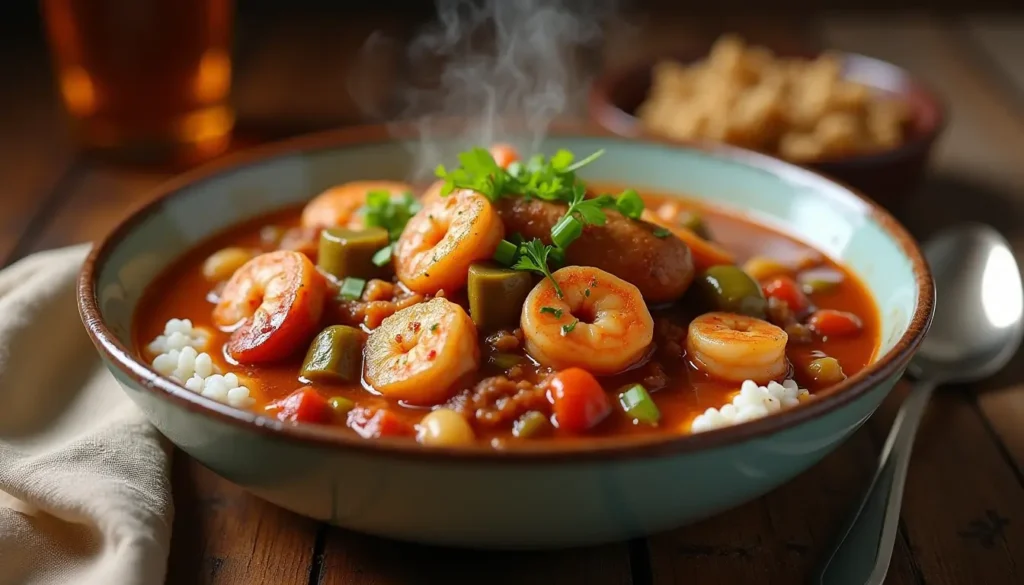
Tired of complicated seafood dishes that take hours to prepare and leave you exhausted before dinner even starts? You’re not alone. Many home cooks avoid making gumbo because they think it requires professional skills, hard-to-find ingredients, or all-day simmering to achieve authentic Louisiana flavor.
This seafood gumbo recipe is quick, flavorful, and perfect for busy weeknights when you want something special without the stress. No complicated techniques, no obscure ingredients—just straightforward cooking that delivers rich, soul-satisfying gumbo in under 45 minutes from start to finish.
As a home cook for over 10 years, I’ve perfected this easy seafood gumbo recipe that’s both hearty and delicious. I’ve stripped away unnecessary complexity while preserving the bold, layered flavors that make gumbo a beloved Southern classic. This is the recipe I turn to when I want impressive results without spending my entire evening in the kitchen.
This comprehensive guide covers everything: complete seafood gumbo recipe ingredients list, time-saving prep tips, foolproof roux instructions, step-by-step cooking methods, creative variations, and answers to all your FAQs. Let’s bring authentic Louisiana flavor to your weeknight table.
Table of Contents
Why This Seafood Gumbo Recipe Works
This isn’t just another gumbo recipe—it’s been specifically designed for real people with busy lives who still crave authentic, homemade flavor. Here’s what makes it exceptional:
- Uses simple, easy-to-find ingredients for seafood gumbo recipe – Every ingredient is available at standard grocery stores. No specialty Creole markets required, no impossible-to-source seafood, no complicated shopping trips. Just straightforward components that combine into extraordinary results.
- Prep in 15 minutes and cook in under 30 minutes – The total time from chopping vegetables to serving bowls is about 45 minutes, making this seafood gumbo recipe genuinely weeknight-friendly. The secret is strategic simplification: using pre-made Cajun seasoning, frozen seafood if needed, and efficient roux techniques that don’t require constant stirring.
- Perfect for weeknight dinners, family meals, or casual entertaining – This versatile seafood gumbo recipe works equally well for Tuesday dinner with the kids or Saturday entertaining with friends. Make it ahead and reheat, or serve fresh from the pot. It’s impressive enough for guests yet simple enough for regular rotation.
The magic lies in building flavor through proper technique—the roux provides deep, nutty foundation, the “holy trinity” of vegetables adds aromatic complexity, and quality seafood delivers the ocean’s sweetness. Together, they create gumbo that tastes like you’ve been cooking all day when you’ve really been relaxing.
Choosing the Right Seafood Gumbo Recipe Ingredients
Smart ingredient selection makes this seafood gumbo recipe foolproof and delicious every single time.
Best Ingredients for This Recipe
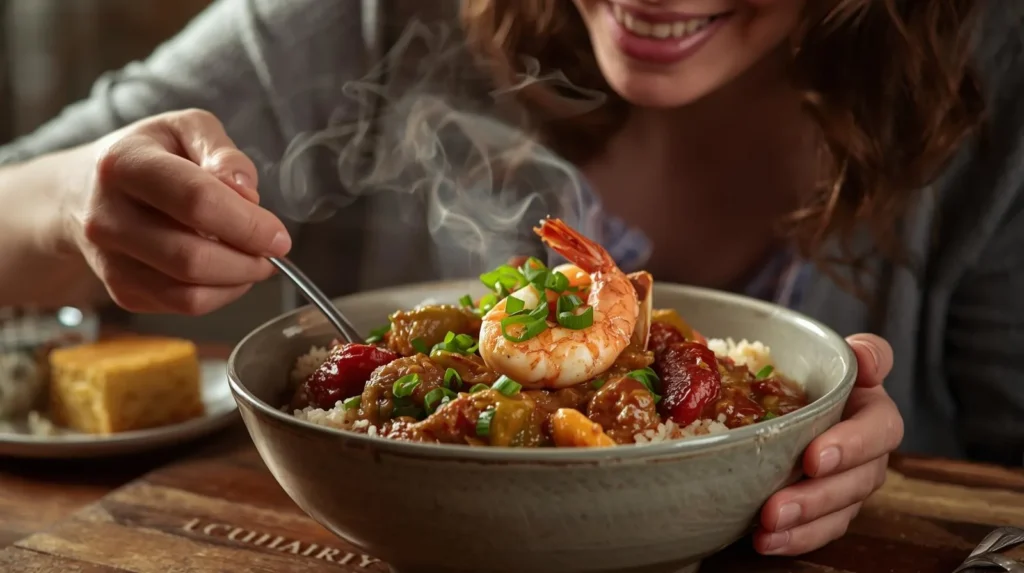
Fresh or frozen shrimp, crab, or crawfish form the heart of authentic seafood gumbo recipe. Shrimp is the most accessible and affordable option—medium to large shrimp (31-40 count or 21-30 count) provide satisfying bites without overwhelming the bowl. Peeled and deveined shrimp save prep time, though shell-on shrimp offer deeper flavor if you have time to peel them.
Crab meat adds sweet, delicate luxury—lump crab meat or claw meat both work beautifully. Crawfish tails deliver authentic Louisiana flavor with slight sweetness and tender texture. You can use one seafood exclusively or combine varieties for complex flavor and interesting texture contrast.
Frozen seafood works perfectly in this seafood gumbo recipe and is often more accessible and affordable than fresh. Many cooks actually prefer frozen—it’s flash-frozen at peak freshness, available year-round, and requires no special trip to seafood markets. Just thaw in the refrigerator overnight or under cold running water before using.
Bell peppers, onions, and celery for traditional flavor form the “holy trinity” of Cajun and Creole cooking—these three vegetables create the aromatic foundation that defines Louisiana cuisine. Green bell peppers provide slight bitterness and vegetal notes, onions add sweetness and depth, and celery contributes subtle earthiness and pleasant crunch.
This combination isn’t arbitrary—it’s been perfected over generations to create balanced, complex flavor that supports rather than overwhelms seafood. The vegetables soften during cooking, releasing natural sugars and aromatics that enrich the broth and create body in your seafood gumbo recipe.
Buying Tips
When shopping for your seafood gumbo recipe, select fresh seafood and quality broth for the best results. For fresh shrimp, look for firm texture, mild ocean smell (not fishy or ammonia-like), and translucent appearance. Avoid shrimp with black spots, slimy texture, or strong odors.
For frozen seafood, choose packages without ice crystals or freezer burn, which indicate thawing and refreezing. Buy from reputable brands and check “best by” dates. Wild-caught shrimp often has better flavor than farm-raised, though both work in this recipe.
For broth, choose seafood stock or shrimp stock for deepest flavor, though chicken broth or vegetable broth work as substitutes. Low-sodium versions give you better control over salt levels. Avoid broth with MSG or excessive additives for cleaner flavor in your seafood gumbo recipe.
For vegetables, choose firm bell peppers without soft spots, onions with tight, dry skin, and crisp celery stalks. Fresh ingredients make a noticeable difference in final flavor.
Substitutions
Need to adapt this seafood gumbo recipe? Swap seafood varieties based on availability or preference—use all shrimp if that’s easiest, or substitute firm white fish (like cod or halibut) cut into chunks. Scallops add sweetness and luxurious texture. Mussels or clams work beautifully for briny ocean flavor.
Use low-sodium broth for dietary needs to reduce sodium by 30-40%. You can always add salt to taste but can’t remove it once added. For gluten-free seafood gumbo recipe, ensure your Cajun seasoning contains no wheat and use gluten-free flour or cornstarch for the roux.
For vegetable substitutions, you can use frozen diced “holy trinity” mix (sold in many stores’ freezer sections) to save chopping time. Red or yellow bell peppers substitute for green—they’re sweeter and less bitter. Leeks can replace some of the onion for milder flavor.
Ingredients & Prep
Seafood Gumbo Recipe Prep Essentials
Proper organization makes this already-quick recipe even faster and more enjoyable.
| Category | Ingredient | Quantity | Prep Notes |
|---|---|---|---|
| Seafood | Large shrimp | 1 lb | Peeled, deveined, thawed if frozen |
| Lump crab meat | 8 oz | Optional, picked over for shells | |
| Holy Trinity | Green bell pepper | 1 large | Diced (about 1 cup) |
| Yellow onion | 1 large | Diced (about 1.5 cups) | |
| Celery | 3 stalks | Diced (about 3/4 cup) | |
| Aromatics | Garlic | 4 cloves | Minced |
| Roux Base | All-purpose flour | 1/3 cup | For thickening |
| Vegetable oil | 1/3 cup | For roux | |
| Liquids | Seafood or chicken broth | 4 cups | Low-sodium preferred |
| Diced tomatoes | 1 can (14.5 oz) | With juices | |
| Seasonings | Cajun seasoning | 2 tablespoons | Store-bought or homemade |
| Bay leaves | 2 | Whole | |
| Fresh thyme | 2 sprigs | Or 1 tsp dried | |
| Finishing | File powder (optional) | 1 teaspoon | Traditional thickener |
| Green onions | 3 stalks | Sliced for garnish | |
| Fresh parsley | 2 tablespoons | Chopped for garnish |
Cajun Seasoning Blend (Homemade Option)
Make your own for this seafood gumbo recipe if preferred:
| Spice | Amount | Purpose |
|---|---|---|
| Paprika | 2 teaspoons | Color and mild sweetness |
| Garlic powder | 1 teaspoon | Savory depth |
| Onion powder | 1 teaspoon | Sweet complexity |
| Dried oregano | 1 teaspoon | Herbal notes |
| Dried thyme | 1 teaspoon | Earthy aromatics |
| Cayenne pepper | 1/2-1 teaspoon | Heat (adjust to taste) |
| Black pepper | 1/2 teaspoon | Peppery bite |
| Salt | 1 teaspoon | Flavor enhancer |
Prep Instructions
Chopping vegetables: Dice bell pepper, onion, and celery into roughly 1/2-inch pieces—they should be similar in size for even cooking. Mince garlic finely. This takes about 10 minutes total and can be done while other ingredients are assembled.
Preparing seafood: If using frozen shrimp, thaw in refrigerator overnight or place in a colander under cold running water for 10 minutes. Pat dry with paper towels. If using shell-on shrimp, peel and devein. Pick through crab meat to remove any shell fragments. Keep seafood refrigerated until ready to add to your seafood gumbo recipe.
Measuring liquids and seasonings: Measure broth, open canned tomatoes, and have all seasonings measured and ready. This “mise en place” approach prevents scrambling once cooking begins.
Total prep time: About 15 minutes if working efficiently. You can prep vegetables a day ahead and refrigerate in airtight containers to save even more time on cooking day.
Pantry Staples Checklist
- Vegetable oil for roux
- All-purpose flour
- Cajun or Creole seasoning
- Bay leaves
- Salt and black pepper
- Optional: Hot sauce for serving, file powder for authentic thickening
Step-by-Step Cooking Instructions
Follow these detailed steps for perfect seafood gumbo recipe results every time.
Pre-Cooking Prep
Gather equipment: You’ll need a large, heavy-bottomed pot or Dutch oven (at least 5-6 quart capacity), wooden spoon or whisk for making roux, knife and cutting board, measuring cups and spoons, and ladle for serving. Having everything ready prevents stress once cooking begins.
Organize ingredients: Line up ingredients in order of use: oil and flour for roux, then holy trinity vegetables, garlic, broth, tomatoes, seasonings, and finally seafood. This organization makes the cooking process smooth and prevents missed ingredients.
Important note about seafood: Keep seafood refrigerated until the moment you’re ready to add it to the pot. Seafood should be the last ingredient added to prevent overcooking, which makes it rubbery and tough.
Making the Roux: The Foundation
The roux is the soul of your seafood gumbo recipe—it provides color, flavor, and body. Don’t skip or rush this step.
Step 1 – Heat oil (2 minutes): Heat vegetable oil in your large pot over medium heat until it shimmers but doesn’t smoke. The oil should be hot enough that a pinch of flour sizzles immediately when added.
Step 2 – Add flour gradually: Whisk flour into hot oil all at once, stirring constantly with a wooden spoon or whisk. The mixture will immediately begin to bubble and combine.
Step 3 – Cook roux (8-12 minutes): Stir constantly as the roux cooks and darkens. This is crucial—unstirred roux burns quickly and ruins the entire dish. The roux will progress through stages:
- Blonde (2-3 minutes): Light tan, like peanut butter
- Peanut butter (5-6 minutes): Medium brown, nutty aroma developing
- Chocolate (8-10 minutes): Dark brown, rich and toasty
- Dark chocolate (10-12 minutes): Deep brown, almost mahogany
For this seafood gumbo recipe, aim for peanut butter to milk chocolate color—dark enough for rich flavor but not so dark it overpowers delicate seafood. The roux should smell nutty and toasted, never burnt or acrid.
Safety note: Roux is extremely hot and can cause severe burns. Stir carefully to prevent splatters and never touch it with bare hands.
Cooking Method: Building Layers of Flavor
Once your roux reaches perfect color, work quickly through the next steps.
Step 4 – Add holy trinity (5 minutes): Add diced bell pepper, onion, and celery to the hot roux. Be careful—they may sputter initially. Stir constantly for 3-4 minutes until vegetables begin to soften and become fragrant. Add minced garlic and cook 1 minute more until aromatic.
The vegetables will slightly cool the roux, preventing burning while absorbing its rich flavor. They’ll also release moisture that helps deglaze any stuck bits from the pot bottom.
Step 5 – Add liquids (2 minutes): Slowly pour in broth while stirring constantly to prevent lumps. Add canned tomatoes with their juices. The mixture will bubble vigorously as cold liquid hits hot roux—this is normal.
Step 6 – Add seasonings: Stir in Cajun seasoning, bay leaves, and fresh thyme. Bring the mixture to a boil over medium-high heat, stirring occasionally.
Step 7 – Simmer (15-20 minutes): Once boiling, reduce heat to medium-low and simmer uncovered, stirring occasionally. Simmer for 20-25 minutes to blend flavors and allow the gumbo base to thicken and develop complexity. The vegetables should be very tender, and the broth should taste well-seasoned and rich.
During simmering, skim off any foam or oil that rises to the surface for cleaner flavor and appearance.
Adding Seafood: Timing Is Everything
Step 8 – Add seafood (5-7 minutes before serving): This is critical for tender, perfectly cooked seafood in your seafood gumbo recipe. Add shrimp and crab meat to the simmering seafood gumbo recipe. Cook just until shrimp turn pink and opaque throughout, about 5-7 minutes.
Avoid overcooking: Seafood continues cooking from residual heat even after you turn off the burner. Slightly undercook rather than overcook—you can always simmer a minute longer, but you can’t fix rubbery shrimp.
If using different seafood with varying cooking times, add firmer fish or scallops first, then shrimp, then delicate crab last.
Cooking Timeline
| Stage | Heat Level | Time | What’s Happening |
|---|---|---|---|
| Heat oil | Medium | 2 min | Oil reaching proper temperature |
| Make roux | Medium | 8-12 min | Flour and oil cooking to dark color |
| Sauté holy trinity | Medium | 5 min | Vegetables softening, flavors releasing |
| Add liquids & simmer | Medium-low | 20-25 min | Flavors melding, gumbo thickening |
| Add seafood | Medium-low | 5-7 min | Seafood cooking through |
| Total time | Variable | 40-51 min | From start to table |
Doneness Check
Your seafood gumbo recipe is ready when seafood is cooked through, vegetables are tender, and gumbo is flavorful. Shrimp should be pink, opaque, and curled into loose “C” shapes (not tight “O” shapes, which indicates overcooking). Crab meat should be warmed through and flaky.
The seafood gumbo recipe should coat the back of a spoon but still be clearly soup-like, not stew-thick. Vegetables should be completely tender with no raw crunch. The broth should taste rich, well-seasoned, and complex with layers of flavor.
Taste and adjust seasonings if needed—add salt, pepper, Cajun seasoning, or a dash of hot sauce to your preference. If adding file powder (traditional thickener and flavor), stir it in after removing from heat, never during cooking as it becomes stringy.
Resting
Let gumbo sit 5 minutes before serving for flavors to fully meld and settle. This brief rest allows the temperature to equalize throughout the pot, prevents tongue-burning, and gives the seafood a final moment to absorb the rich broth’s flavors.
During this time, prepare serving bowls, cook rice if serving, and set out garnishes. The seafood gumbo recipe will thicken slightly as it rests, reaching ideal consistency. Remove bay leaves before serving—they’ve done their job flavoring the dish.
Pro Tips for Perfect Seafood Gumbo Recipe
Master these techniques to elevate your results from good to restaurant-quality.
Avoiding Overcooked Seafood
Add seafood towards the end of cooking to ensure tender, perfectly cooked results. This is the single most important tip for your seafood gumbo recipe. Seafood cooks rapidly—shrimp takes only 3-4 minutes, scallops 4-5 minutes, and delicate crab just needs warming through.
Add seafood to simmering (not boiling) seafood gumbo recipe in the final 5-7 minutes. The lower temperature cooks gently without toughening proteins. If you’ve made the gumbo base ahead, bring it to a gentle simmer before adding seafood—never add cold seafood to boiling gumbo, which causes uneven cooking.
Watch for visual cues: Shrimp are done when they’ve just turned completely pink and opaque—slightly undercooked is better than overcooked. Remove the pot from heat while seafood is just barely done; carryover heat finishes the cooking perfectly.
For reheating: If you have leftover seafood gumbo recipe, reheat the base gently, then add fresh seafood for best texture. Alternatively, remove seafood before refrigerating, reheat the base, then return seafood just to warm through.
Tool Recommendations
The right equipment makes this seafood gumbo recipe significantly easier:
- Large, heavy-bottomed pot or Dutch oven (5-6 quart): Essential for even heat distribution during roux-making and preventing scorching. Cast iron Dutch ovens retain heat beautifully and create superior roux. Stainless steel with thick bottom also works well.
- Wooden spoon or heat-resistant silicone spatula: For constant stirring during roux-making without scratching your pot. Wooden spoons don’t conduct heat, staying cool even during extended stirring.
- Whisk: Helpful for incorporating flour into oil smoothly and preventing lumps when adding broth to roux.
- Sharp chef’s knife and cutting board: Makes vegetable prep quick and safe. A dull knife is dangerous and makes chopping frustrating.
- Ladle (6-8 ounce): For serving gumbo neatly over rice without drips or spills.
- Large spoon for skimming: Removes foam and excess oil from surface during simmering for cleaner flavor.
Storage & Reheating
Store leftovers in an airtight container for up to 3-4 days in the refrigerator. Let the seafood gumbo recipe cool to room temperature before sealing to prevent condensation and excessive moisture. Glass containers or BPA-free plastic both work well.
For best results, store seafood gumbo recipe and rice separately. Rice can become mushy when stored in liquid. Keep garnishes (green onions, parsley, hot sauce) separate to add fresh when serving.
Freezer storage: Gumbo base (without seafood) freezes excellently for up to 3 months. Cool completely, portion into freezer-safe containers, leave 1 inch headspace for expansion, seal tightly, label, and freeze. Add fresh seafood when reheating for best texture.
Fully assembled seafood gumbo can be frozen but the seafood texture will be softer after thawing. If freezing complete seafood gumbo recipe, slightly undercook the seafood before freezing.
Reheating from refrigerator:
- Stovetop (best method): Pour gumbo into pot over medium-low heat. Stir gently and frequently until heated through, about 8-10 minutes. Avoid boiling, which toughens seafood.
- Microwave: Transfer portion to microwave-safe bowl, cover loosely, and heat in 1-2 minute intervals, stirring between, until hot.
Reheating from frozen: Thaw overnight in refrigerator, then reheat as above. For frozen seafood gumbo recipe base without seafood, reheat from frozen over low heat, breaking apart as it thaws, then add fresh seafood in final 5 minutes.
Pro tip: Gumbo often tastes even better the next day as flavors continue developing, making this ideal for advance cooking before gatherings.
Flavor Variations
Transform this versatile seafood gumbo recipe to match your preferences or dietary needs.
Spicy Gumbo
Turn up the heat by adding cayenne pepper, hot sauce, or smoked paprika for bold, fiery flavor. Increase cayenne in your Cajun seasoning to 1-2 teaspoons for noticeable kick. Add 1-2 teaspoons of your favorite Louisiana hot sauce (Crystal, Tabasco, or Frank’s RedHot) during the simmering stage for complex heat that builds gradually.
Smoked paprika adds both heat and deep, smoky complexity that enhances the gumbo’s richness. Use 1-2 teaspoons in addition to regular paprika. For maximum heat, add sliced fresh jalapeños or serrano peppers when sautéing the holy trinity.
Spicy Andouille sausage (sliced and browned before adding to gumbo) contributes smoky heat and savory depth. Add it with the holy trinity for a surf-and-turf variation that’s deeply satisfying.
Top individual bowls with extra hot sauce so diners can customize heat levels. Serve with cooling sides like cucumber salad or coleslaw to balance the fire.
Vegetarian Version
Create plant-based gumbo by using mushrooms, okra, and vegetable broth instead of seafood. This variation delivers rich, satisfying flavor without animal products.
Substitute seafood with:
- Sliced mushrooms (cremini, shiitake, or portobello) for meaty texture and umami depth
- Okra (fresh or frozen, sliced) for traditional thickening and authentic flavor
- White beans or chickpeas for protein and substance
- Diced eggplant for hearty texture
- Extra vegetables: zucchini, tomatoes, collard greens
Use vegetable broth and ensure your Cajun seasoning contains no animal products. Add vegetables in stages based on cooking time—harder vegetables like eggplant early, tender ones like okra and tomatoes later.
For smoky depth without meat, add 1-2 teaspoons liquid smoke or use fire-roasted tomatoes. This vegetarian seafood gumbo recipe alternative is lighter, more economical, and equally flavorful.
Classic Louisiana Style
Create authentic, traditional gumbo by including Andouille sausage and crab for rich, complex flavor. This variation represents the classic combination found in Louisiana homes and restaurants.
Andouille sausage provides smoky, spicy depth that transforms the dish. Slice 12 ounces of Andouille into 1/4-inch rounds and brown in your pot before starting the roux. Remove sausage, make the roux in the rendered fat (drain excess if needed), then return sausage with the seafood in final minutes.
Blue crab is traditional in coastal Louisiana gumbo. If you can find whole blue crabs, clean and crack them, then add to simmering gumbo to cook through (about 15 minutes). The shells add incredible flavor. Alternatively, use lump crab meat as specified in the base recipe.
Oysters are another classic addition—add shucked oysters with their liquor in the final 3-4 minutes for briny, luxurious flavor. They cook very quickly, so watch carefully.
File powder (ground sassafras leaves) is the traditional finishing touch—stir in 1-2 teaspoons after removing from heat. It adds earthy, unique flavor and slight thickening. Never add file during cooking as heat makes it stringy.
Serve this authentic seafood gumbo recipe over white rice with French bread for soaking up every drop of delicious broth.
Serving Suggestions
Complete your meal with perfect accompaniments that showcase this seafood gumbo recipe.
Perfect Side Dishes
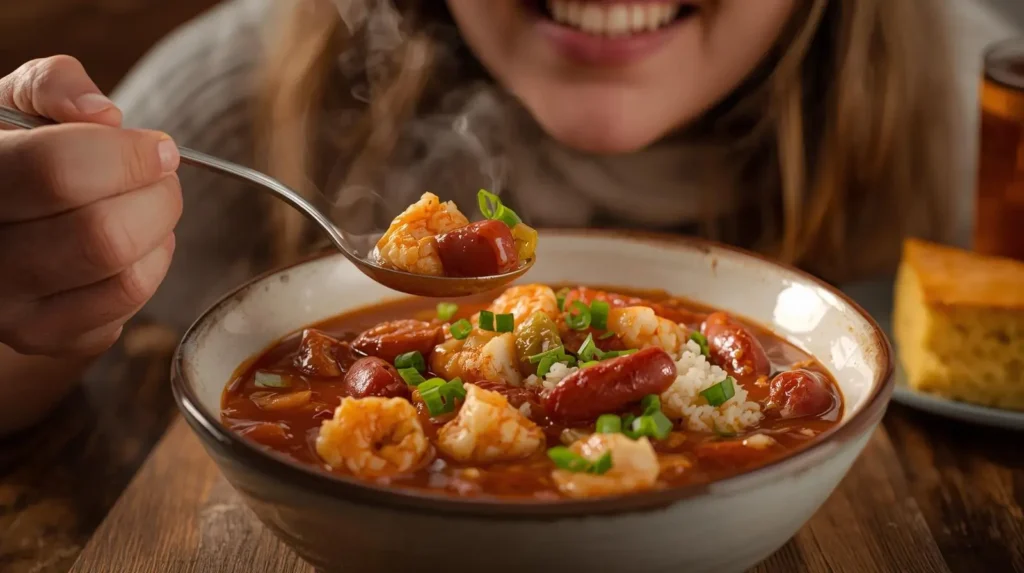
White rice is the traditional base for seafood gumbo recipe—fluffy long-grain white rice soaks up the rich broth while providing neutral canvas for bold flavors. Cook rice just before serving so it’s hot and fresh. Place a scoop of rice in the center of each bowl, then ladle gumbo around it, or serve rice on the side for diners to add their preferred amount.
Some Louisiana cooks prefer potato salad as a base instead of rice—the creamy, cold potato salad creates temperature and texture contrast with hot, liquid gumbo. It sounds unusual but is absolutely authentic and delicious.
French bread or crusty baguette is essential for soaking up every drop of flavorful broth. Warm the bread slightly and serve with butter for the full Louisiana experience. The crusty exterior and soft interior make it perfect for dunking and absorbing that incredible roux-thickened broth.
Cornbread offers slightly sweet, crumbly contrast to savory, spicy gumbo. The sweetness balances heat while the texture provides satisfaction. Serve warm with honey butter for extra indulgence.
Other excellent accompaniments:
- Coleslaw for cooling crunch
- Collard greens or turnip greens for traditional Southern sides
- Cucumber salad for refreshing contrast
- Fried okra for extra vegetable and crunch
- Hush puppies for filling, crowd-pleasing addition
Beverage Pairings
Iced tea (sweet or unsweetened) is the classic Southern pairing with seafood gumbo recipe. The cold, refreshing tea cleanses your palate between bites of rich, spicy gumbo while complementing rather than competing with complex flavors. Sweet tea’s sugar balances heat, while unsweetened with lemon offers clean refreshment.
Beer works beautifully with gumbo’s bold flavors. Light lagers like Abita (Louisiana’s own), Shiner, or any crisp pilsner provide refreshing contrast. The carbonation cuts through richness while the beer’s subtle bitterness balances the roux’s sweetness. For heartier pairing, try amber ales or brown ales.
Crisp white wine offers elegant pairing for seafood-focused gumbo. Sauvignon Blanc’s acidity and citrus notes complement seafood perfectly while cutting through the rich broth. Pinot Grigio or unoaked Chardonnay also work well. Serve well-chilled for maximum refreshment.
Other drink ideas:
- Lemonade for non-alcoholic sweetness
- Sparkling water with lime for clean palate cleansing
- Light red wines like Pinot Noir (unconventional but works)
- Hurricane or Sazerac cocktails for authentic New Orleans experience
- Craft sodas or root beer for kids and non-drinkers
FAQs
Can I use frozen seafood?
Absolutely! Frozen seafood works perfectly in this seafood gumbo recipe and is often preferred for convenience, cost, and availability. Frozen shrimp, crab, and fish are flash-frozen at peak freshness, often making them superior to “fresh” seafood that’s been sitting on ice for days. For best results, thaw frozen seafood completely before adding to gumbo. Place in refrigerator overnight or in a colander under cold running water for 15-20 minutes. Pat dry with paper towels before adding to the pot. Never add frozen seafood directly to hot gumbo—the temperature drop stops cooking, and the excess water dilutes your carefully built flavors. Properly thawed frozen seafood is indistinguishable from fresh in the final dish.
How do I thicken gumbo?
Several methods will thicken your seafood gumbo recipe to preferred consistency. First, ensure you cooked the roux long enough—a properly darkened roux provides natural thickening. If gumbo seems thin, simmer uncovered for additional 10-15 minutes to allow evaporation and natural reduction. For faster thickening, mix 2 tablespoons cornstarch with 2 tablespoons cold water until smooth, stir into simmering gumbo, and cook 2-3 minutes until thickened. Traditional file powder (ground sassafras) adds both thickening and authentic flavor—stir in 1-2 teaspoons after removing from heat, never during cooking. Okra is another traditional thickener—add 1-2 cups sliced fresh or frozen okra during the simmering stage. The okra releases natural thickening agents while adding authentic flavor and texture.
Is this recipe freezer-friendly?
Yes, with considerations. The gumbo base (everything except seafood) freezes excellently for up to 3 months and is perfect for meal prep or advance cooking. Make the roux, sauté vegetables, add liquids and seasonings, simmer, then cool completely and freeze before adding seafood. When ready to serve, thaw overnight in refrigerator, reheat gently, then add fresh seafood in the final 5-7 minutes for best texture. Complete seafood gumbo (already assembled) can be frozen but the seafood will be softer and less tender after thawing. If freezing complete gumbo, slightly undercook seafood before freezing to compensate for additional cooking during reheating. Always freeze in airtight, freezer-safe containers, leaving 1 inch headspace for expansion.
What’s the difference between gumbo and jambalaya?
While both are Louisiana classics, gumbo and jambalaya differ significantly. Gumbo is a soup or stew served over rice with rich, brothy consistency. It features a roux for thickening and flavor, and the ingredients (meat, seafood, vegetables) swim in flavorful liquid. Jambalaya, by contrast, is a rice dish where rice cooks directly in the pot with all ingredients, absorbing the liquid like Spanish paella. Jambalaya has no roux, less liquid, and a drier, more pilaf-like consistency. Think of gumbo as a hearty soup and jambalaya as a one-pot rice dish. Both are delicious but serve different purposes—gumbo for comfort in a bowl, jambalaya for complete one-pot meal.
Can I make this in a slow cooker?
Yes, with modifications to the seafood gumbo recipe. First, make the roux on the stovetop in a skillet (you cannot make proper dark roux in a slow cooker). Transfer roux to slow cooker, add sautéed holy trinity, broth, tomatoes, and seasonings. Cook on LOW for 4-6 hours or HIGH for 2-3 hours. In the final 15-20 minutes of cooking, switch to HIGH if using LOW, add seafood, and cook just until done. The slow cooker method works well for the base but requires stovetop steps for the roux and careful timing with seafood to avoid overcooking.
Why is my roux grainy or separated?
A grainy or separated roux usually results from one of three issues. First, the heat may have been too high, causing the flour to clump before incorporating into oil. Use medium heat and add flour all at once while whisking constantly. Second, you may have added flour to insufficiently heated oil. The oil should shimmer before flour addition. Third, adding cold liquid too quickly can shock the roux and cause separation. When adding broth to roux, pour gradually while whisking constantly to create smooth emulsion. If your roux does separate, keep whisking vigorously while simmering—it often comes back together. Worst case, strain the gumbo through a fine-mesh sieve to remove lumps before adding seafood.
Can I make this ahead of time?
Absolutely! This seafood gumbo recipe is excellent for advance preparation. Make the complete base (through simmering stage, before adding seafood) up to 3 days ahead. Cool completely and refrigerate in airtight container. When ready to serve, reheat base gently to simmering, then add seafood and cook 5-7 minutes until done. The flavors actually improve as they sit, making day-two gumbo even better than fresh. This make-ahead quality makes it perfect for entertaining—do the work in advance, then simply add seafood and serve when guests arrive. You can also make double batches, freeze half for later, and always have impressive dinner ready in minutes.
Conclusion
This easy seafood gumbo recipe proves that authentic Louisiana flavor doesn’t require professional skills or all-day cooking. With just 45 minutes and straightforward techniques, you can serve a bowl of rich, soul-satisfying gumbo that rivals your favorite Louisiana restaurant.
The beauty of this recipe lies in its accessibility—no complicated steps, no impossible-to-find ingredients, no culinary degree required. Just a good pot, quality ingredients, and attention to a few key techniques like proper roux-making and careful seafood timing. The result is deeply flavored, authentically delicious gumbo that transforms busy weeknights into something special.
Try this seafood gumbo recipe tonight for a quick, flavorful, and comforting meal! Your family will be amazed that something this impressive came together so quickly. The rich broth, tender seafood, and bold seasonings create a meal that satisfies both stomach and soul.
Join thousands of home cooks who’ve enjoyed this easy seafood gumbo! Share your creations in the comments below, tell us about your favorite variations or toppings, or ask questions—we love connecting with fellow gumbo enthusiasts and hearing how you’ve made this recipe your own.
Ready for more Louisiana-inspired comfort food? Try our [Easy Cajun Chicken Gumbo] for another weeknight-friendly take on this classic. Or explore [Quick One-Pot Cajun Recipes] for more bold, flavorful cooking. For complete Southern meal planning, check out [Southern Comfort Food Classics] that bring authentic flavor without the fuss.
Save this seafood gumbo recipe, share it with friends who love Louisiana cooking, and bookmark it for your meal planning rotation. Here’s to bringing a taste of the bayou to your kitchen—laissez les bons temps rouler! (Let the good times roll!)
How did you find results our recipes
There are no reviews yet. Be the first one to write one.

