Introduction
Tired of bland or sticky fried rice recipe attempts that never quite measure up to your favorite takeout? You’re not alone. Many home cooks struggle with rice that clumps together, lacks flavor, or turns out mushy instead of that perfect fluffy texture with each grain separated and lightly golden.
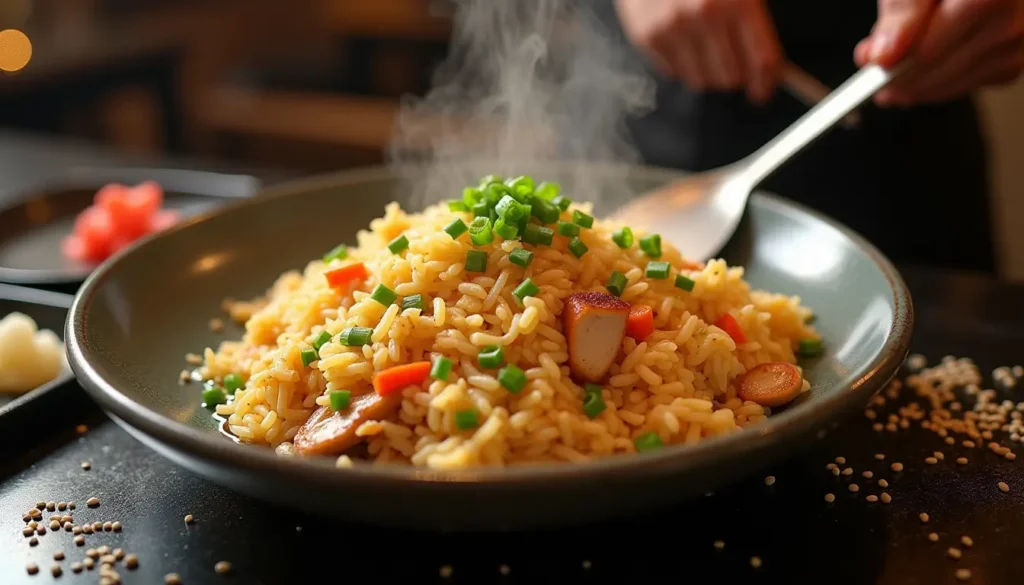
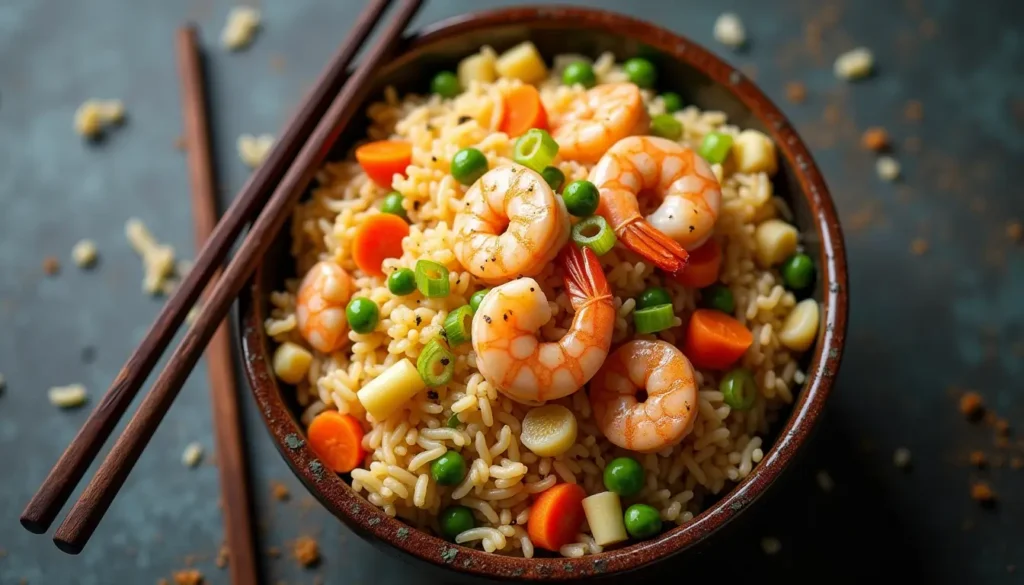
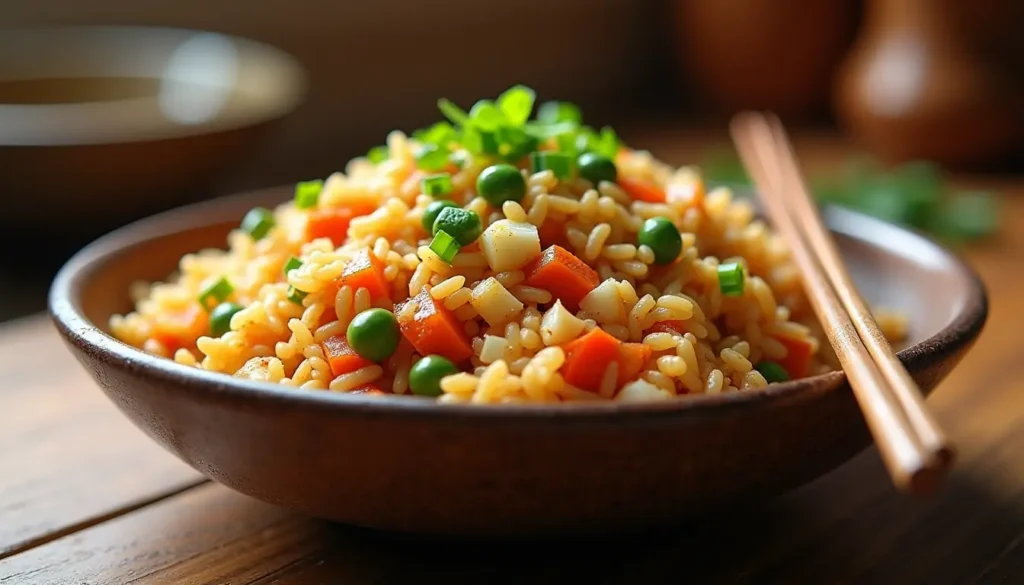
This simple fried rice is fluffy, flavorful, and easy to make at home—no special equipment or culinary school training required. In just 30 minutes, you’ll create a restaurant-quality dish that’s packed with savory umami flavor, colorful vegetables, and satisfying protein. Whether you’re using leftover rice from last night’s dinner or planning ahead, this fried rice recipe transforms simple ingredients into something truly special.
As a home cook for 10 years, I’ve perfected this recipe through countless iterations, testing different techniques and ingredient combinations to crack the code on what makes fried rice truly exceptional. The secret isn’t complicated—it’s about understanding a few key principles that professional chefs use, adapted perfectly for home kitchens.
In this comprehensive guide, you’ll discover essential fried rice recipe cooking tips that prevent common mistakes, flavor hacks that elevate your dish from good to extraordinary, and detailed answers to the most frequently asked questions. Whether you’re a complete beginner or looking to refine your technique, you’ll find everything you need to master this versatile, crowd-pleasing dish.
Table of Contents
Why This Fried Rice Recipe Works
This fried rice recipe has become a staple in thousands of home kitchens because it delivers on three critical fronts: incredible flavor, unmatched convenience, and limitless versatility.
- Uses affordable, easy-to-find ingredients for fried rice recipe: Every ingredient is available at your local grocery store, from basic white rice to common vegetables like carrots, peas, and onions. No expensive specialty items or hard-to-source Asian market ingredients required—just everyday staples that you probably already have in your kitchen.
- Prep in 15 minutes for maximum flavor and ease: With efficient mise en place (preparing all ingredients before cooking), you’ll have everything chopped, measured, and ready to go in just 15 minutes. The actual cooking takes only another 10-15 minutes, making this one of the fastest complete meals you can prepare from scratch.
- Perfect for weeknights, meal prep, or quick family dinners: This fried rice recipe adapts beautifully to your lifestyle. Make it fresh for tonight’s dinner, prepare a double batch on Sunday for the week ahead, or use it as a strategic way to transform leftover rice and vegetables into an entirely new meal that everyone will love.
- Incredibly customizable to suit any taste or dietary need: The base recipe serves as a blank canvas for your creativity. Add your favorite proteins, swap vegetables based on what’s in season or in your fridge, adjust the spice level, or adapt it for vegetarian, vegan, or gluten-free diets without sacrificing flavor.
- One-pan simplicity means minimal cleanup: Everything cooks in a single wok or large skillet, which means less time doing dishes and more time enjoying your delicious homemade fried rice recipe.
Choosing the Right Ingredients for Fried Rice Recipe
The foundation of exceptional fried rice starts with selecting the right ingredients. Quality matters, but so does understanding why certain choices work better than others.
Best Ingredients for This Recipe
Day-old rice for perfect texture: This is the single most important factor in achieving authentic fried rice texture. Freshly cooked rice contains too much moisture and remains too soft, causing it to become mushy and clump together when stir-fried. Day-old refrigerated rice has dried out slightly, allowing the grains to separate beautifully and develop those slightly crispy, golden edges that define great fried rice. The drier surface also absorbs seasonings better, creating more flavorful results. If you don’t have leftover rice, cook fresh rice and spread it on a baking sheet to cool and dry in the refrigerator for at least 2-3 hours before using in your fried rice recipe.
Fresh vegetables and eggs for flavor: While frozen vegetables can work in a pinch, fresh produce delivers superior taste, texture, and visual appeal. Crisp carrots add natural sweetness and vibrant color, fresh peas provide pops of brightness, and onions contribute savory depth. Fresh eggs create tender, fluffy curds that integrate throughout the dish rather than becoming rubbery. The quality of these simple ingredients makes a noticeable difference in the final result.
Quality protein options: Whether you choose chicken, shrimp, pork, beef, or tofu, select fresh, well-trimmed cuts for the best results. For chicken, boneless thighs stay juicier than breast meat. For shrimp, medium to large sizes (41-50 count per pound) provide good texture without overcooking. Firm or extra-firm tofu works best for vegetarian versions, as it holds its shape during high-heat cooking.
Ingredients & Prep
Proper preparation is essential for executing this fried rice recipe successfully. Since stir-frying happens quickly over high heat, having everything ready and within reach makes the difference between smooth cooking and chaotic scrambling.
Fried Rice Recipe Prep Essentials
Organization is key. Gather and prepare all ingredients before you turn on the stove—this professional technique called mise en place ensures cooking flows smoothly.
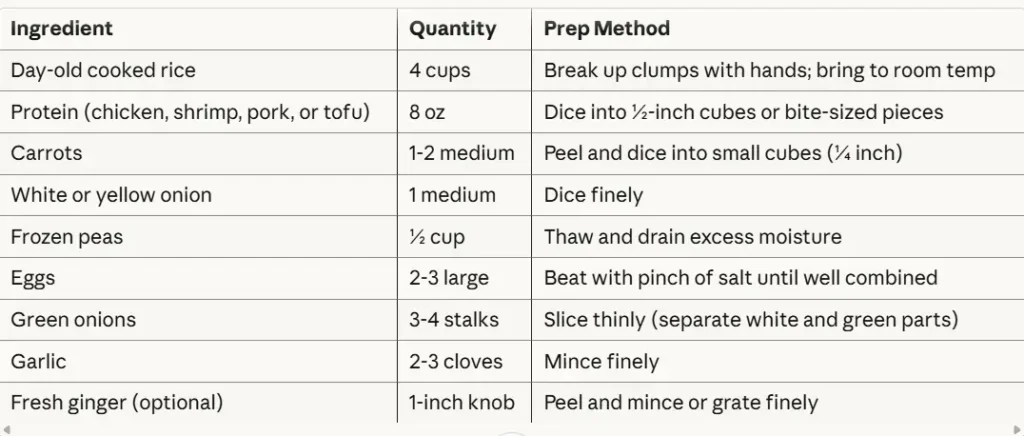
Prepping rice properly: This step cannot be overstated in importance for your fried rice recipe success. Remove day-old rice from the refrigerator 10-15 minutes before cooking so it’s not ice-cold, which can drop your pan temperature. Use your hands to gently separate any clumps, breaking the rice into individual grains. This ensures even cooking and prevents chunks of stuck-together rice in your final dish.
Chopping vegetables uniformly: Dice all vegetables into similar small sizes (about ¼ to ½ inch) so they cook at the same rate. Uniform cuts also create a more professional appearance and better texture distribution throughout your fried rice recipe.
Preparing proteins in advance: For the best results, cook proteins separately before starting your fried rice. Season chicken cubes with salt and pepper, then pan-fry in a bit of oil over medium-high heat for 5-6 minutes until golden and cooked through (165°F internal temperature). Remove to a plate. This prevents overcrowding your pan later and ensures proteins cook properly without making the rice soggy.
Seasonings & Flavor Components
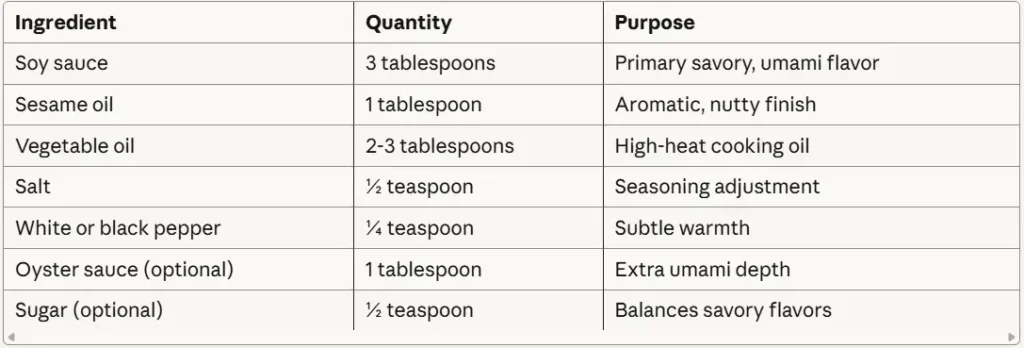
Optional protein marinade: For enhanced flavor, marinate protein for 10 minutes before cooking. Combine 1 tablespoon soy sauce, 1 teaspoon sesame oil, 1 teaspoon cornstarch, and a pinch of white pepper. Toss your diced chicken, shrimp, or pork in this mixture, then let rest for 10 minutes at room temperature. This creates more tender, flavorful protein in your fried rice recipe.
Pantry Staples for Fried Rice Recipe
Keep these essentials stocked for spontaneous fried rice cooking:
- Soy sauce: The flavor foundation of any fried rice recipe
- Sesame oil: Provides that distinctive Asian restaurant aroma
- Vegetable oil: For high-heat stir-frying without burning
- Garlic: Fresh always beats jarred for pungent flavor
- Eggs: Create protein-rich, fluffy additions
- Rice: Cook extra with every meal for future fried rice
- Frozen vegetables: Emergency backup when fresh isn’t available
- White pepper: Traditional Chinese seasoning (black pepper works too)
Equipment Checklist
Having the right tools makes this fried rice recipe easier:
✅ Large wok (14-inch) or deep skillet (12-inch minimum): Essential for proper heat distribution and tossing without spillage
✅ Metal spatula or wok spatula: For efficient flipping and mixing
✅ Small prep bowls: To organize ingredients before cooking
✅ Sharp chef’s knife: For clean, uniform vegetable cuts
✅ Cutting board: Preferably separate ones for vegetables and proteins
✅ Measuring spoons: For accurate seasoning
✅ Rice paddle or large spoon: To break up cold rice before cooking
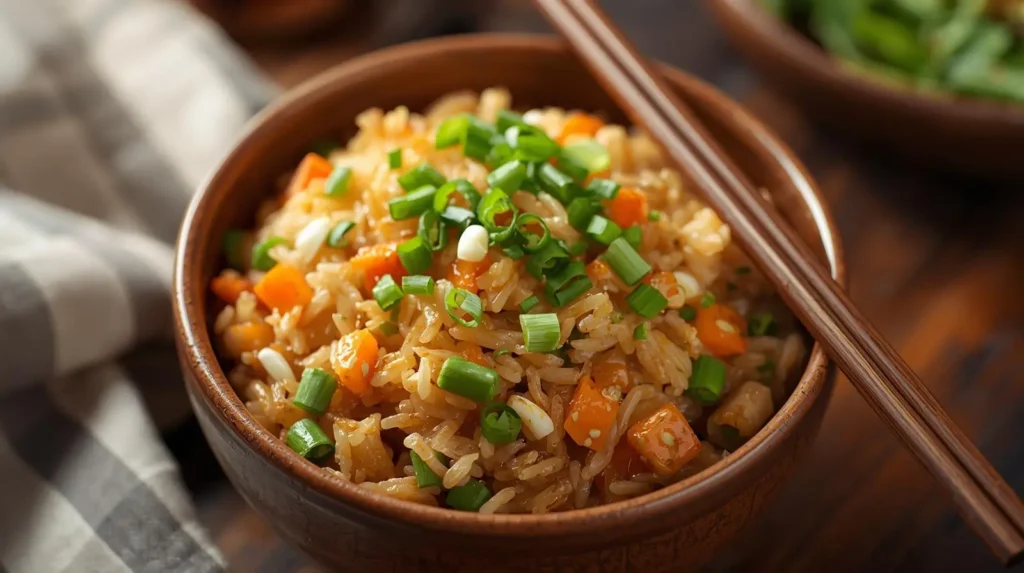
Step-by-Step Cooking Instructions
This fried rice recipe comes together rapidly once you begin cooking, so preparation is crucial. Follow these detailed steps for perfect results every time.
Pre-Cooking Prep
Before igniting your burner, complete these essential preparation steps:
Step 1: Organize your workspace
Arrange all prepped ingredients in small bowls near your stove in the order you’ll use them. This professional approach prevents frantic searching during cooking and ensures you don’t forget anything. Your setup should include: oils, rice, eggs, vegetables, cooked protein (if using), soy sauce, and sesame oil—all within arm’s reach.
Step 2: Cook protein if using
If including chicken, shrimp, pork, or tofu, cook it first before starting the fried rice. Heat 1 tablespoon vegetable oil in your wok or skillet over medium-high heat. For chicken: cook diced pieces 5-6 minutes until golden and fully cooked (165°F). For shrimp: cook 2-3 minutes until pink and opaque. For tofu: cook cubed pieces 6-8 minutes until golden on all sides. Remove cooked protein to a plate and set aside. This prevents overcrowding and ensures even cooking in your fried rice recipe.
Step 3: Prepare eggs in advance (optional method)
Some cooks prefer scrambling eggs separately first. If you choose this method, wipe out the pan after cooking protein, add 1 tablespoon oil, pour in beaten eggs, and scramble gently for 1-2 minutes until just set. Remove to a plate, chop into small pieces, and set aside. Alternatively, you can scramble eggs directly in the pan during the fried rice cooking process (method explained below).
Step 4: Check rice consistency
Your day-old rice should be at room temperature and separated into individual grains. If there are still clumps, break them up thoroughly with your hands. This is your last chance before cooking to ensure success with your fried rice recipe.
Cooking Method
Now for the exciting part—bringing everything together with proper stir-frying technique:
Step 1: Heat your pan properly (2 minutes)
Place your wok or large skillet over high heat and let it get very hot—about 2 minutes. You’ll know it’s ready when a drop of water sizzles and evaporates immediately upon contact. Proper heat is absolutely critical for authentic fried rice texture in your fried rice recipe. Add 2 tablespoons of vegetable oil and swirl to coat the entire cooking surface.
Step 2: Cook aromatics (30 seconds)
Add minced garlic (and ginger if using) to the hot oil. Stir constantly for 30 seconds until fragrant but not browned. Garlic burns quickly at high heat, so keep it moving. This step infuses the oil with aromatic flavor that will coat every grain of rice.
Step 3: Sauté vegetables (3-4 minutes)
Add diced onions and carrots to the pan. Stir-fry for 3-4 minutes until onions become translucent and carrots begin to soften but still have some crunch. The high heat will create slight caramelization on the vegetables, adding depth of flavor. Add the white parts of the green onions during the last minute of vegetable cooking.
Step 4: Create space and scramble eggs (2 minutes) (if not pre-cooked)
Push all vegetables to one side of the pan. Add a small drizzle of oil to the empty side. Pour beaten eggs into the empty space and let them set for about 10 seconds, then scramble gently with your spatula, breaking them into small curds. Once just cooked (still slightly wet—they’ll finish cooking with the rice), mix them into the vegetables.
Step 5: Add rice and break up any remaining clumps (5-6 minutes)
This is the crucial step in your fried rice recipe. Add all the day-old rice to the pan, spreading it over the vegetables and eggs. Use your spatula to break up any final clumps and press the rice against the hot pan surface. Let the rice sit undisturbed for about 1 minute—this creates those desirable crispy bits on the bottom. Then toss everything together, spread it out again, and let it sit for another minute. Repeat this press-toss-press technique 3-4 times over 5-6 minutes. The rice should start looking drier and taking on a light golden color.
Step 6: Season the rice (1 minute)
Drizzle 3 tablespoons of soy sauce over the rice (start with less if unsure—you can always add more). Toss vigorously to coat every grain evenly. The rice should take on a light caramel color from the soy sauce. If using oyster sauce, add 1 tablespoon now. Add ½ teaspoon of sugar if you want to balance the savory flavors with subtle sweetness (common in Chinese cooking). Season with white or black pepper to taste.
Step 7: Add final ingredients (2 minutes)
Return any pre-cooked protein to the pan. Add thawed peas and the green parts of green onions. Toss everything together for 1-2 minutes until the peas are heated through and everything is well combined. The fried rice recipe should look cohesive with ingredients evenly distributed.
Step 8: Finish with sesame oil (30 seconds)
Remove the pan from heat. Drizzle 1 tablespoon of toasted sesame oil over the finished fried rice and give it one final toss. The sesame oil is delicate and burns easily, so it’s always added at the very end to preserve its distinctive nutty aroma. This final touch elevates your fried rice recipe from good to restaurant-quality.
Resting
Let fried rice recipe sit for 2 minutes before serving for best texture. This brief resting period allows:
- The rice to absorb any remaining moisture and seasonings
- Flavors to meld together harmoniously
- The dish to firm up slightly, making it easier to serve without being mushy
- Everything to reach an optimal eating temperature (not scalding hot)
Cover the pan loosely with a lid or foil during resting to keep everything warm without creating steam that could make the rice soggy. After resting, give the fried rice one final gentle toss before plating.
Pro Tips for Perfect Fried Rice Recipe
Master these professional techniques to transform your fried rice recipe from amateur to expert-level every single time.
Avoiding Mushy Rice
The number one complaint about homemade fried rice is mushy, gummy texture. Here’s how to prevent it:
Use day-old rice without exception: This bears repeating because it’s that important. Freshly cooked rice contains 60-65% moisture, while day-old refrigerated rice drops to about 55% moisture. This 5-10% difference is massive in cooking terms. The drier rice grains separate easily, absorb seasonings better, and develop that characteristic slightly crispy exterior when fried. After cooking rice, spread it on a baking sheet in a thin layer and refrigerate uncovered for at least 4 hours, or ideally overnight. The circulating cold air removes surface moisture efficiently.
Cook on high heat for best texture: High heat is absolutely non-negotiable for authentic fried rice. It creates rapid evaporation of any residual moisture and promotes the Maillard reaction (browning) that gives fried rice its characteristic flavor and color. Medium or low heat causes the rice to steam instead of fry, resulting in mushy texture. Don’t be timid with your heat setting—crank it to high and maintain it throughout cooking your fried rice recipe.
Don’t overcrowd your pan: This mistake sabotages even experienced cooks. When you add too much food to a pan, the temperature drops dramatically. Instead of searing and frying, ingredients release moisture and begin steaming. For best results, your rice layer should be no more than 1-2 inches deep. If doubling this fried rice recipe, cook in two separate batches rather than using one enormous pan. Your patience will be rewarded with perfect texture.
Minimize stirring—let rice sit to crisp: Counter-intuitively, constant stirring creates worse results. The secret technique is to spread rice in an even layer, press it gently against the hot pan surface, then leave it completely undisturbed for 45-60 seconds. This allows the bottom layer to develop crispy, golden bits. Then toss, spread again, and repeat. This press-wait-toss rhythm creates the textural variety that makes fried rice interesting.
Use a large enough pan: A 12-inch skillet is the absolute minimum; a 14-inch wok is ideal. Larger surface area means more rice touches the hot pan, creating better browning and less steaming.
Avoid adding extra liquids: Every ingredient you add contains water—vegetables, eggs, sauces. Be judicious with soy sauce and avoid the temptation to add water, broth, or excessive amounts of liquid seasonings. Too much liquid = soggy fried rice recipe. doesn’t smash grains the way spoons can.
Additional Expert Tips
Season gradually and taste frequently: Start with less soy sauce than the recipe calls for—you can always add more, but you can’t remove it if your fried rice becomes too salty. Taste after adding seasonings and adjust incrementally until perfect.
Let your wok or pan heat completely: Patience during the preheating phase pays dividends. A properly heated pan (2-3 minutes over high heat) is the foundation of successful fried rice. You should see wisps of smoke just beginning to rise—that’s your signal it’s ready.
Cook in batches for large quantities: If feeding a crowd, resist the urge to make everything at once. Cook 2-3 smaller batches instead. Each batch will turn out better, and the total time is roughly the same.
Add delicate ingredients last: Items that overcook easily (like shrimp, bean sprouts, or fresh herbs) should be added in the final 1-2 minutes of cooking to preserve their texture and flavor.
Use the right soy sauce: Light soy sauce (thin, more liquid) is traditional for fried rice as it seasons without darkening the rice too much. Dark soy sauce is thicker and sweeter, primarily used for color. A combination (2 parts light to 1 part dark) creates both flavor and appetizing golden-brown appearance.
Consider adding MSG (optional): If you’re not sensitive to it, a small pinch of MSG (monosodium glutamate) significantly boosts the umami savoriness that makes restaurant fried rice so addictive. It’s a naturally occurring compound found in aged cheeses, tomatoes, and mushrooms.
Master the wrist flick: For those using woks, practice the tossing motion with cold rice (or dried beans) over a sink. The technique involves a quick upward jerk of the wrist that flips the rice without spilling. This dramatic move isn’t just for show—it’s the most efficient way to mix ingredients evenly.
Flavor Variations
One of the greatest strengths of this fried rice recipe is its adaptability. These variations keep meals exciting while maintaining the core techniques that ensure success.
Vegetarian/Vegan Fried Rice Recipe
Create a plant-based version that’s equally satisfying and protein-rich:
Use tofu and extra vegetables; skip eggs if needed: Press extra-firm tofu for 20-30 minutes to remove excess moisture, then cube and pan-fry in vegetable oil until golden and crispy on all sides (8-10 minutes). This provides substantial protein and satisfying meaty texture. For vegan versions, omit eggs entirely. To compensate for the missing eggs, increase vegetable quantity by ½-1 cup or add other protein sources.
Plant-based protein alternatives: Beyond tofu, consider tempeh (fermented soybeans with firmer texture), seitan (wheat gluten with chewy texture), or edamame (young soybeans in pods or shelled). These all provide excellent protein for your vegetarian fried rice recipe.
Replace oyster sauce: Standard oyster sauce contains seafood. Use vegetarian oyster sauce (made from mushrooms) or simply increase soy sauce and add a teaspoon of sugar for similar savory-sweet balance.
Boost umami with mushrooms: Add shiitake, cremini, oyster, or portobello mushrooms, diced and sautéed until golden. Mushrooms provide deep umami flavor that compensates for the absence of meat in your fried rice recipe. Dried shiitakes, rehydrated and chopped, offer even more concentrated flavor.
Include protein-rich additions: Cashews, peanuts, or almonds add protein, healthy fats, and satisfying crunch. Chickpeas (roasted until crispy) provide protein and interesting texture. Nutritional yeast (1-2 tablespoons) adds cheesy, nutty flavor and B-vitamins.
Increase vegetable variety: Add bell peppers (red, yellow, or orange for sweetness and color), broccoli florets, snap peas, baby corn, water chestnuts, bamboo shoots, bok choy, or cabbage. A vegetable-forward fried rice recipe can be just as satisfying as meat-based versions.
Vegan egg substitutes: For those who want egg-like elements without actual eggs, try crumbled firm tofu seasoned with turmeric (for yellow color) and black salt/kala namak (for eggy sulfur flavor). While not identical, it provides similar protein and visual appeal.
Global Flavor Twists
Take your fried rice recipe on a culinary world tour with these international variations:
Thai-style with lime and cilantro: Replace soy sauce with fish sauce (or soy sauce for vegetarian) and add 1-2 tablespoons of fresh lime juice at the end. Finish with generous amounts of fresh cilantro, Thai basil, and crushed roasted peanuts. Include thinly sliced Thai chilies for heat. This bright, herbal version is refreshingRetry
T
ContinueEdit
and aromatic, transforming the entire fried rice recipe profile. Consider adding a fried egg on top with runny yolk for richness.
Teriyaki-style fried rice: Replace half the soy sauce with teriyaki sauce and add 1 tablespoon of honey, brown sugar, or mirin (sweet rice wine) for classic Japanese sweet-savory balance. The caramelized sugars create appealing glossiness. Garnish with toasted sesame seeds and thinly sliced nori (seaweed sheets) for authentic presentation. This variation pairs exceptionally well with grilled chicken or salmon.
Kimchi fried rice (Kimchi Bokkeumbap): Fold in ½-1 cup of chopped kimchi (fermented Korean cabbage) and use 2 tablespoons of the kimchi juice in place of some soy sauce. The tangy, fermented, spicy flavors create an entirely different fried rice recipe experience. Add gochujang (Korean chili paste) for extra depth and heat. Top with a fried egg and toasted sesame seeds. This Korean variation has become wildly popular for good reason.
Pineapple fried rice: Add ½-1 cup of fresh diced pineapple, cashews, and raisins for Thai-inspired tropical sweetness. Use curry powder (1-2 teaspoons) for warm spice notes. This sweet-savory combination pairs beautifully with shrimp and is often served in a hollowed-out pineapple half for dramatic presentation.
Curry fried rice: Stir in 1-2 tablespoons of curry powder (yellow, red, or green Thai curry paste also works) when cooking the rice for golden, aromatic complexity. Add coconut milk (2-3 tablespoons) for richness. Include cashews, raisins, and diced bell peppers for Indian-fusion inspiration. This variation works wonderfully as a use for leftover curry.
Chinese five-spice fried rice: Add ½-1 teaspoon of Chinese five-spice powder (blend of star anise, cloves, cinnamon, Sichuan peppercorns, and fennel) when cooking rice for warm, aromatic complexity reminiscent of char siu (Chinese BBQ pork). This pairs perfectly with roasted pork or duck.
Indonesian nasi goreng: Use kecap manis (sweet Indonesian soy sauce) instead of regular soy sauce, and add sambal oelek or other chili paste for heat. Top with a fried egg, sliced cucumber, tomato wedges, and krupuk (Indonesian shrimp crackers). This version is typically darker and sweeter than Chinese-style fried rice recipe.
Mexican-inspired fried rice: Replace soy sauce with lime juice and hot sauce, add black beans, corn, diced tomatoes, jalapeños, and finish with fresh cilantro and crumbled cotija or queso fresco cheese. Add cumin and chili powder for Southwestern spice. This fusion variation works surprisingly well.
Mediterranean twist: Use olive oil instead of vegetable oil, add sun-dried tomatoes, kalamata olives, artichoke hearts, feta cheese, and finish with fresh oregano and lemon zest. While non-traditional, this creates an interesting fusion fried rice recipe.
Breakfast fried rice: Make this in the morning using leftover dinner rice. Add crispy bacon or breakfast sausage, extra scrambled eggs, diced bell peppers, and green onions. Season with a touch of soy sauce or just salt and pepper. Top with shredded cheese and hot sauce. This has become a popular brunch option.
Serving Suggestions
Presentation and complementary dishes elevate your fried rice recipe from simple weeknight meal to a complete, satisfying dining experience.
Perfect Pairings
Pair with complementary sides:
- Steamed vegetables: A plate of simply steamed broccoli, bok choy, Chinese long beans, or gai lan (Chinese broccoli) dressed with a drizzle of sesame oil and soy sauce balances the richness of fried rice while adding vibrant color and nutrition. The clean, fresh flavors cleanse your palate between bites of the savory rice.
- Dumplings (potstickers or gyoza): Pan-fried dumplings make an ideal appetizer or side for your fried rice recipe. Their crispy bottoms and tender tops filled with pork, chicken, or vegetables provide textural contrast. Serve with a dipping sauce of soy sauce, rice vinegar, and chili oil.
- Spring rolls: Fresh Vietnamese spring rolls (gỏi cuốn) with shrimp, herbs, and rice noodles wrapped in rice paper offer cool, refreshing contrast. Crispy fried egg rolls or Chinese spring rolls add satisfying crunch. Both pair beautifully with the hot, savory fried rice.
- Asian cucumber salad: Quick cucumber salad dressed with rice vinegar, sugar, and a touch of soy sauce provides cool, tangy-sweet contrast that cuts through the richness of fried rice. Thinly slice cucumbers (English or Persian varieties work best), salt lightly, drain for 10 minutes, then dress.
- Egg drop soup or hot and sour soup: A light, warming soup creates a traditional Chinese meal structure. The liquid course balances the dry fried rice recipe and adds variety to the meal. Miso soup works well for Japanese-themed meals.
- Edamame: Steamed edamame pods sprinkled with coarse sea salt make a healthy, protein-rich side that guests can snack on. They’re also a great option to keep kids busy while you finish cooking.
- Asian slaw: Shredded cabbage, carrots, and bell peppers tossed with a sesame-ginger dressing adds crunch and freshness. The vinegar-based dressing cuts through the oil in the fried rice beautifully.
Protein accompaniments: If keeping your fried rice recipe vegetarian or light on protein, serve alongside:
- Teriyaki chicken or beef skewers
- Grilled or pan-seared salmon with soy glaze
- Sweet and sour pork or chicken
- Mongolian beef
- Orange chicken
- General Tso’s chicken
- Kung Pao shrimp
Make it a complete meal: Fried rice already contains protein, vegetables, and carbohydrates, making it nutritionally complete. But for special occasions or hungrier appetites, adding sides transforms it into a feast.
Drink Pairings
The right beverage enhances every forkful of your fried rice recipe:
Green tea, soda, or light beer pairs well with fried rice recipe:
- Hot green tea: Traditional and refreshing, green tea’s slight astringency and grassy notes cleanse your palate between bites. Sencha (Japanese green tea), dragon well (Chinese green tea), or genmaicha (green tea with roasted rice—perfect pairing!) work wonderfully. The warmth and subtle bitterness cut through the richness without competing with flavors.
- Iced tea (unsweetened or lightly sweetened): Cold jasmine tea, oolong tea, or green tea over ice provides refreshing contrast, especially during warm weather. The floral notes of jasmine complement the sesame oil beautifully.
- Light beer or lager: Asian lagers like Tsingtao, Asahi, Sapporo, Singha, or Kirin offer crisp, clean flavors that don’t overpower the dish. The carbonation cuts through richness and the cold temperature refreshes. Domestic light beers work equally well.
- Sake (Japanese rice wine): Serve chilled sake (junmai or ginjo styles) for an authentic experience. Since both sake and fried rice are rice-based, they naturally complement each other. The slight sweetness and umami in sake mirror similar notes in your fried rice recipe.
- White wine: A dry Riesling, Pinot Grigio, Sauvignon Blanc, or unoaked Chardonnay provides enough acidity to balance the soy sauce and sesame oil without overwhelming subtle flavors. The crispness cleanses the palate effectively.
- Soda or soft drinks: Ginger ale, Sprite, or other lemon-lime sodas offer sweet refreshment that many people enjoy with Asian food. The carbonation and cold temperature provide contrast to the hot, savory fried rice recipe.
- Sparkling water with citrus: For a sophisticated non-alcoholic option, sparkling water with lemon, lime, or yuzu (Japanese citrus) cleanses the palate without adding competing flavors or calories.
- Bubble tea/Boba: While unconventional, iced milk tea or fruit tea with tapioca pearls has become a popular pairing, especially among younger diners. The sweet, creamy drinks provide contrast to savory fried rice.
Presentation Ideas
Make your fried rice recipe visually appealing and Instagram-worthy:
Individual portions: Rather than family-style serving, portion fried rice into individual bowls for restaurant-style presentation. Use Asian rice bowls or ramen bowls for authenticity. Garnish each bowl individually with a sprinkle of sliced green onions, toasted sesame seeds, or a cilantro sprig.
Rice mold technique: Pack fried rice firmly into a small bowl or cup, then carefully invert onto the center of a plate for a neat dome or cylinder shape. This professional presentation technique creates visual impact. Arrange protein and vegetables around the rice mound.
Serve in lettuce cups: For a low-carb option or fun, interactive presentation, serve fried rice in butter lettuce or iceberg lettuce cups. Diners wrap and eat with their hands like tacos. This makes the fried rice recipe more interactive and adds fresh crunch.
Garnish thoughtfully: Beyond basic green onions, consider:
- Toasted sesame seeds (white, black, or mixed)
- Fresh cilantro or Thai basil leaves
- Lime or lemon wedges
- Thinly sliced nori (seaweed)
- Crispy fried shallots or garlic chips
- Sriracha drizzle or chili oil for visual appeal
- A perfectly fried egg on top with runny yolk
- Thinly sliced red chilies for color
Color contrast matters: Serve your fried rice recipe on white or dark plates to make the golden rice and colorful vegetables pop visually. The contrast makes food more appealing and photographs better.
Pineapple boat presentation: For special occasions and pineapple fried rice variations, hollow out a fresh pineapple half and serve the fried rice inside for dramatic tropical presentation.
Cast iron serving: Keep your fried rice in the cast iron skillet (if using) and bring it to the table still sizzling. Place a trivet underneath and let diners serve themselves. The communal, rustic presentation creates a convivial atmosphere.
Bento box style: For lunch or meal prep, pack fried rice in one compartment of a bento box with complementary items (edamame, orange slices, cucumber salad, dumplings) in other compartments for an attractive, balanced meal.
FAQs
Can I use freshly cooked rice for this fried rice recipe?
While day-old rice is strongly preferred and will give the best results, you can use freshly cooked rice if necessary. The critical factor is removing as much moisture as possible. After cooking rice, immediately spread it in a thin, even layer on a large baking sheet. Place it uncovered in the refrigerator for at least 2-3 hours, or even better, use a fan to blow cool air over it for 45-60 minutes. This rapid cooling and drying process helps prevent the mushiness that typically plagues fried rice made with fresh rice.
How do I prevent the rice from sticking to my pan?
Sticking rice frustrates countless home cooks, but several techniques prevent this common problem:
Proper preheating is essential: Your pan must be thoroughly heated before adding any ingredients—it should be hot enough that a drop of water sizzles and evaporates within 1-2 seconds. A properly heated pan creates an immediate sear that prevents sticking
Don’t stir constantly: Paradoxically, over-stirring can cause more sticking. Let the rice sit undisturbed for 45-60 seconds at a time to allow the bottom layer to crisp slightly, creating a natural release. Then toss and repeat. This technique prevents the rice from becoming a sticky mass.
Is this fried rice recipe freezer-friendly?
Absolutely! This fried rice recipe freezes exceptionally well for up to 2-3 months, making it perfect for meal prep and having emergency dinners ready to go.
Thawing and reheating: You have two main options:
- Thaw first (best texture): Move frozen fried rice to the refrigerator to thaw overnight. Once thawed, reheat in a skillet with 1-2 tablespoons of water or oil over medium-high heat, stirring occasionally, for 4-5 minutes until hot throughout and slightly crispy again.
- Cook from frozen (faster): Place frozen fried rice in a microwave-safe bowl, sprinkle with 2-3 tablespoons of water, cover with a damp paper towel, and microwave in 2-minute intervals, stirring between each, for 6-8 minutes total until steaming hot throughout.
Pro tip: Slightly undercook vegetables if you know you’ll be freezing the fried rice. They’ll finish cooking during reheating and maintain better texture.
What type of rice works best for this fried rice recipe?
Medium-grain or long-grain white rice produces the best results for authentic fried rice:
Medium-grain white rice: Creates slightly softer, more tender fried rice with grains that cling together a bit more than long-grain. Calrose rice (used for sushi in the US) is a medium-grain option that works acceptably, though it’s stickier than ideal.
What to avoid:
- Short-grain rice (sushi rice): Contains too much starch and becomes gummy and sticky when fried. The grains won’t separate properly.
- Brown rice: While technically usable, brown rice won’t achieve the same authentic texture, color, or flavor. The bran layer prevents proper crisping, and the nutty flavor competes with seasonings. If you must use brown rice for health reasons, expect different (chewier, denser) results.
- Basmati rice: This aromatic long-grain rice can work but tends to be very dry and firm—sometimes too firm for ideal fried rice texture. The strong aroma can also overpower other flavors in your fried rice recipe.
- Instant or minute rice: Lacks the proper starch structure and becomes mushy when fried.
Cooking rice for fried rice: Use slightly less water than package directions suggest (about 10% less) to create firmer grains that work better in fried rice. For example, if directions call for 2 cups water per 1 cup rice, use 1¾ cups water instead.
Conclusion
You now have everything you need to create restaurant-quality, flavorful fried rice recipe right in your own kitchen. This simple yet versatile dish delivers maximum flavor with minimal effort—perfect for busy weeknights, meal prep sessions, or any time you’re craving something satisfying and delicious.
Grab your pan and try this fried rice recipe tonight! In just 30 minutes from start to finish, you’ll be enjoying fluffy, golden rice studded with tender vegetables, savory eggs, and your favorite protein. The satisfaction of creating takeout-quality food at home, at a fraction of the cost, never gets old.
Join 5,000+ home cooks who’ve already fallen in love with this recipe! Share your creations on social media and tag us to show off your fried rice masterpieces. Don’t forget to leave a comment below sharing your favorite variations, substitutions, or any questions you have. Your feedback helps us improve and helps other home cooks succeed with this fried rice recipe.
Ready to expand your Asian-inspired cooking repertoire? Try our Easy Teriyaki Chicken Guide next for perfectly glazed, restaurant-quality chicken that pairs beautifully with this fried rice. Or explore our collection of Quick Asian Recipes for complete meal planning inspiration that will have you cooking like a professional chef in no time. From dumplings to spring rolls to stir-fries, you’ll find endless inspiration for delicious homemade meals.