Introduction
Tired of beef short ribs that turn out tough, chewy, and disappointing? You’ve spent good money on premium meat only to serve ribs that require a steak knife and serious jaw workout. I’ve been there, and I know how frustrating it is.
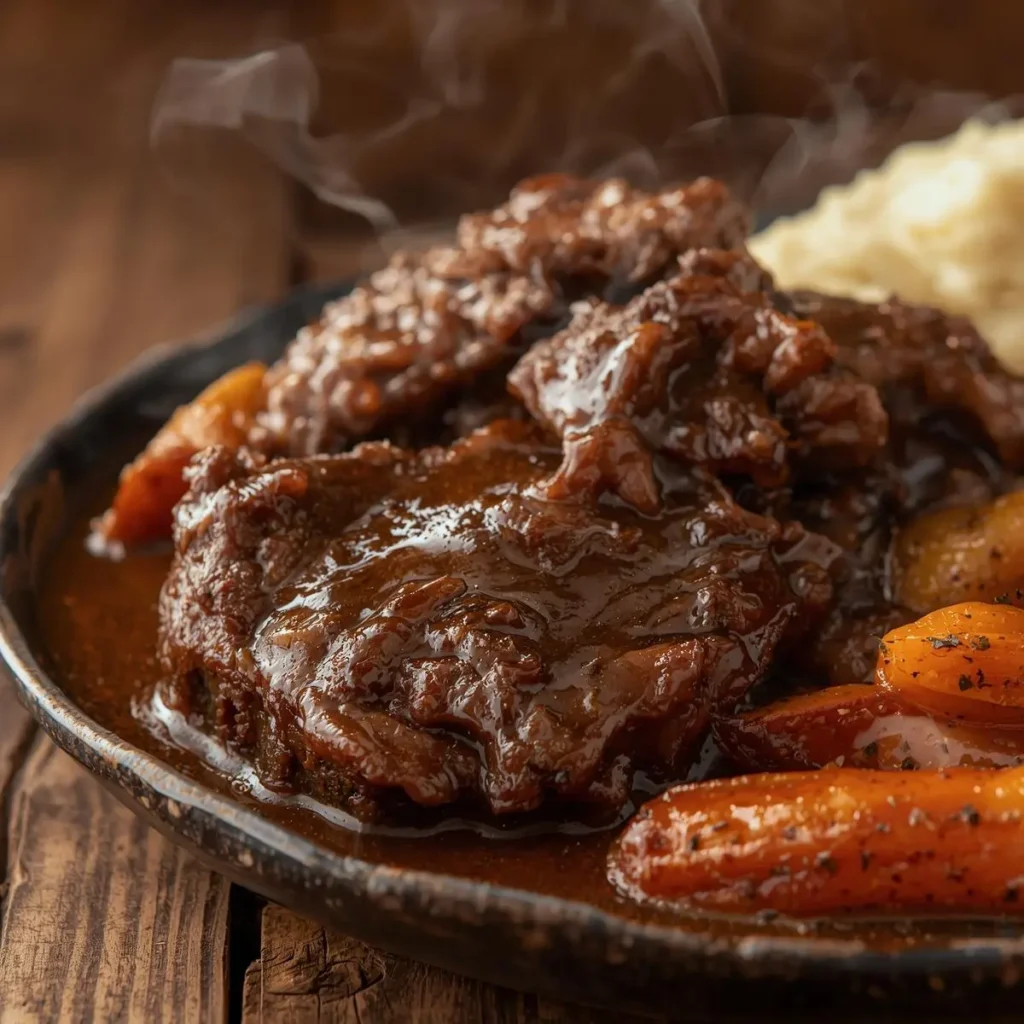
This beef short ribs recipe delivers fall-off-the-bone tender meat with deep, rich flavor that’ll have everyone at your table fighting over the last piece. The meat practically melts in your mouth, surrounded by a luscious, savory sauce that begs to be soaked up with crusty bread.
As a chef who’s spent 15 years perfecting braising techniques in both home kitchens and professional restaurants, I’ve tested every method imaginable. This recipe combines the best of low-and-slow cooking with flavor-building techniques that guarantee success every single time.
In this guide, you’ll discover how to select the best short ribs at the butcher counter, master the art of braising for maximum tenderness, learn pro techniques for building incredible depth of flavor, and get troubleshooting tips for common mistakes. Let’s turn you into a short rib expert.
Table of Contents
Why This Beef Short Ribs Recipe Works
This isn’t just another beef short ribs recipe—it’s a method designed for consistent, restaurant-quality results at home. Here’s what makes it foolproof:
- Uses affordable, widely available cuts: Bone-in beef short ribs are found at most grocery stores and butcher shops, no specialty sourcing required
- Slow-braising guarantees tenderness: Low heat and moisture break down tough connective tissue into silky gelatin, making the meat incredibly tender
- Minimal active cooking time: Just 30 minutes of prep, then the oven does the heavy lifting for 2.5-3 hours
- Rich, complex flavor without exotic ingredients: Simple aromatics, wine, and stock create deep, layered taste
- Perfect for both weeknight dinners and special occasions: Impressive enough for guests, easy enough for Tuesday night
- Leftovers taste even better: The flavors continue developing, making next-day short ribs extraordinary
Choosing the Right Beef Short Ribs
Success with this beef short ribs recipe starts at the meat counter. Understanding your options ensures the best possible outcome.
Best Cuts for This Recipe
Beef short ribs come in two main styles: English cut and flanken cut. For this braising recipe, you want English-cut short ribs—thick rectangles of meat with a piece of bone running lengthwise. Each piece typically weighs 8-12 ounces.
Look for ribs with good meat-to-bone ratio and visible marbling throughout. The fat marbling melts during cooking, basting the meat from within and creating that luxurious, tender texture. Bone-in short ribs have more flavor than boneless, and the bones add body to your braising liquid.
Chuck short ribs (from the shoulder area) are more common and slightly less expensive than plate short ribs (from the belly area). Both work beautifully in this recipe, though plate ribs have more meat per bone.
Buying Tips at the Butcher
Ask your butcher for English-cut bone-in beef short ribs, cut about 2-3 inches thick. You want deep red meat with white fat marbling, not gray or brown discoloration. The meat should feel firm, not slimy or sticky.
Plan on 1-2 ribs per person depending on size—short ribs are rich, so a little goes a long way. If you’re buying from a butcher counter, they can often cut them to your preferred thickness.
Avoid pre-packaged short ribs that look dry or have excessive liquid in the package, which indicates they’ve been sitting too long.
Substitutions and Alternatives
If beef short ribs aren’t available, beef chuck roast cut into 2-inch cubes works well with this same braising method. Oxtail is another excellent substitute that becomes incredibly tender with slow cooking.
For a leaner option, you could use beef back ribs, though they won’t have quite the same richness. Pork spare ribs can also be prepared using this method, though cooking time may be slightly shorter.
Ingredients & Prep
Beef Short Ribs Prep Essentials
Start by patting your short ribs completely dry with paper towels—this is critical for getting a good sear. Moisture prevents browning and that caramelized crust adds tremendous flavor to your final dish.
Season the ribs generously with salt and pepper on all sides at least 30 minutes before cooking, or ideally overnight uncovered in the refrigerator. This dry-brining process seasons the meat deeply and helps create a better crust.
There’s no need to trim the fat cap—it will render during cooking and enrich your braising liquid. Just remove any loose, dangling pieces.
Essential Ingredients for the Braising Liquid
For 4-5 pounds of short ribs, you’ll need:
For the ribs:
- 4-5 lbs bone-in beef short ribs (English cut)
- 2 tablespoons kosher salt
- 1 tablespoon black pepper
- 3 tablespoons vegetable oil (for searing)
For the braising liquid:
- 2 large onions, roughly chopped
- 3 large carrots, cut into chunks
- 3 celery stalks, cut into chunks
- 6 garlic cloves, smashed
- 3 tablespoons tomato paste
- 2 cups dry red wine (Cabernet or Merlot)
- 3 cups beef stock
- 3 sprigs fresh thyme
- 2 bay leaves
- 1 tablespoon Worcestershire sauce
Pantry Staples and Flavor Builders
Having these basics on hand takes your beef short ribs recipe from good to exceptional:
- High smoke-point oil: Vegetable, canola, or grapeseed for searing without burning
- Tomato paste: Adds umami depth and helps thicken the sauce
- Aromatics: Onions, carrots, celery (the classic mirepoix base)
- Fresh herbs: Thyme, rosemary, or parsley
- Quality stock: Homemade or low-sodium store-bought beef stock
- Red wine: Use something you’d drink—the flavor concentrates during cooking
Step-by-Step Cooking Instructions
Step 1: Prepare and Season the Short Ribs
Remove short ribs from refrigerator 30-45 minutes before cooking to take the chill off. Pat completely dry with paper towels. Season all sides generously with salt and pepper. The meat should look like it just came in from a light snowstorm—don’t be shy with seasoning.
Step 2: Sear the Short Ribs
Preheat your oven to 300°F. Heat 2-3 tablespoons oil in a large Dutch oven or heavy-bottomed pot over medium-high heat until shimmering. Working in batches (don’t overcrowd), sear short ribs on all sides until deep golden brown, about 3-4 minutes per side.
This caramelization creates complex flavors through the Maillard reaction—it’s the foundation of delicious braised short ribs. Don’t rush this step. Transfer seared ribs to a plate and set aside.
Step 3: Build the Braising Base
Pour off all but 2 tablespoons of fat from the pot. Add onions, carrots, and celery. Cook, stirring occasionally, until vegetables soften and begin to brown, about 8-10 minutes.
Push vegetables to the side and add tomato paste to the center. Cook, stirring, for 2 minutes until it darkens and smells sweet. Add garlic and cook 1 minute until fragrant.
Step 4: Deglaze and Create the Braising Liquid
Pour in red wine and use a wooden spoon to scrape up all the browned bits stuck to the bottom of the pot—this is liquid gold for flavor. Let wine simmer for 3-4 minutes to cook off harsh alcohol notes.
Add beef stock, thyme, bay leaves, and Worcestershire sauce. Stir to combine and bring to a simmer.
Step 5: Braise the Short Ribs
Return seared short ribs to the pot, nestling them into the liquid. They should be about two-thirds submerged. Bring liquid to a gentle simmer.
Cover the pot with a tight-fitting lid and transfer to your preheated 300°F oven. Braise for 2.5 to 3 hours, turning ribs once halfway through. They’re done when the meat is fork-tender and pulling away from the bone.
Step 6: Rest and Finish the Sauce
Carefully remove short ribs from braising liquid and set aside on a platter, tented with foil. Strain braising liquid through a fine-mesh strainer, pressing on solids to extract all liquid. Discard vegetables.
Let liquid rest for 5 minutes, then skim fat from the surface. Return liquid to pot and simmer over medium-high heat until reduced by half and sauce coats the back of a spoon, about 15-20 minutes.
Step 7: Serve
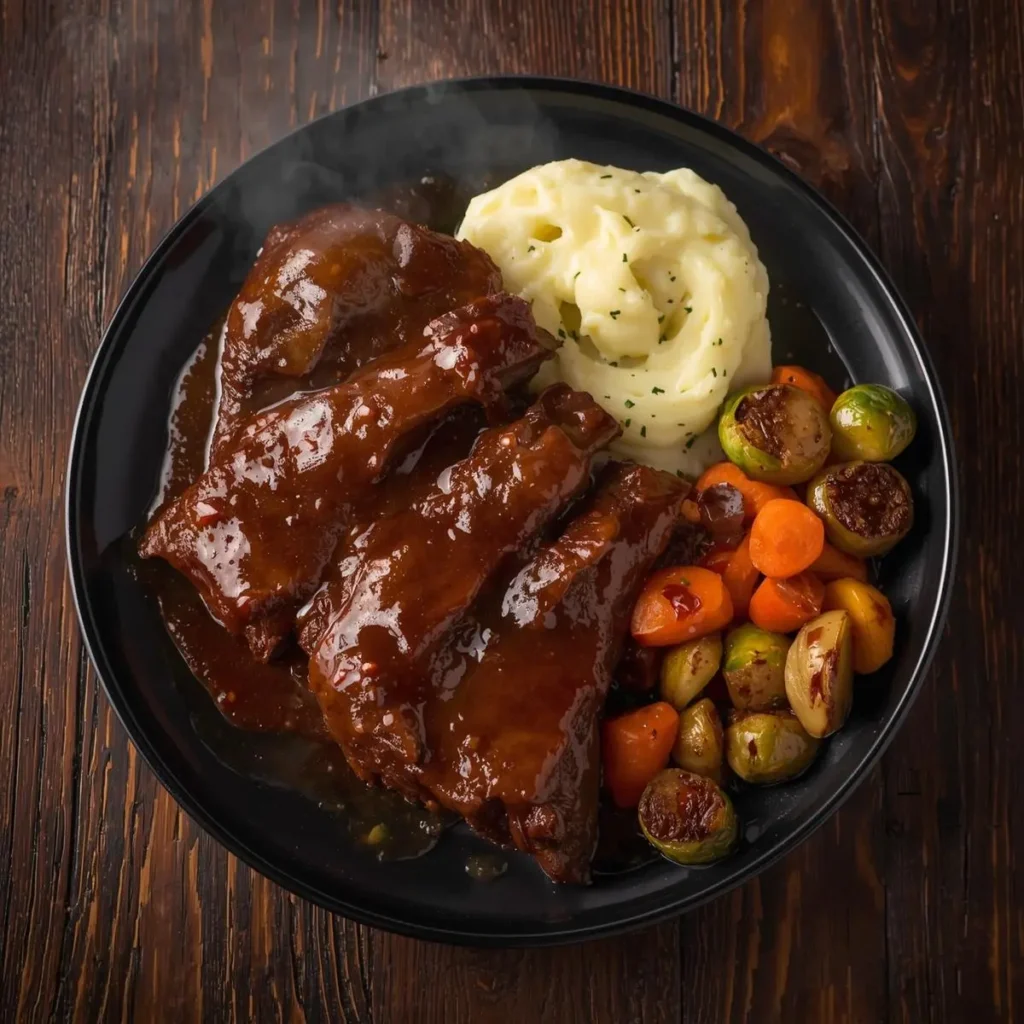
Return short ribs to the reduced sauce just to warm through. Taste sauce and adjust seasoning with salt and pepper. Serve short ribs with sauce spooned over top, garnished with fresh chopped parsley if desired.
Pro Tips for Perfect Beef Short Ribs
Avoiding Tough or Dry Short Ribs
Don’t skip the sear: That caramelized crust isn’t just about color—it’s about flavor. Each browned surface adds complexity to your final dish.
Keep liquid at a bare simmer: If your oven runs hot or you’re braising on the stovetop, too-vigorous bubbling will toughen the meat. You want gentle, lazy bubbles barely breaking the surface.
Don’t undercook: Short ribs need time for collagen to break down. If they’re not fork-tender after 2.5 hours, keep going. They’ll get there.
Reduce your sauce properly: Watery sauce is disappointing. Take time to simmer it down until it’s rich and coating-consistency.
Essential Tool Recommendations
A heavy Dutch oven is non-negotiable for this beef short ribs recipe. The thick walls provide even heat distribution and the tight lid traps moisture. Le Creuset, Staub, or Lodge are all excellent options.
A good pair of tongs makes handling hot short ribs easy and safe. Look for locking tongs with scalloped edges for a secure grip.
A fat separator or gravy skimmer helps remove excess grease from your braising liquid, giving you a cleaner-tasting sauce.
Storage and Reheating
Beef short ribs actually improve with age—the flavors meld and deepen overnight. Store cooled short ribs in braising liquid in an airtight container for up to 4 days refrigerated.
The fat will solidify on top when cold, making it easy to scrape off before reheating. Reheat gently on the stovetop over low heat or in a 300°F oven until warmed through.
For longer storage, freeze short ribs in sauce for up to 3 months. Thaw overnight in the refrigerator before reheating.
Flavor Variations
Asian-Inspired Short Ribs
Transform this into Korean-style braised short ribs (galbi jjim) by replacing red wine with soy sauce and adding ginger, gochujang (Korean chili paste), brown sugar, Asian pear, and sesame oil to your braising liquid. Garnish with sliced scallions and toasted sesame seeds.
Red Wine and Rosemary
For an Italian-inspired version, use a full-bodied Barolo or Chianti, add fresh rosemary instead of thyme, include a parmesan rind in the braising liquid, and finish with a gremolata of lemon zest, parsley, and garlic.
BBQ-Style Short Ribs
Skip the wine and use beef stock with your favorite BBQ sauce, apple cider vinegar, and smoked paprika. After braising, finish ribs under the broiler with extra BBQ sauce brushed on top for caramelized edges.
Keto and Low-Carb Version
This beef short ribs recipe is naturally low-carb. Simply ensure your beef stock is keto-friendly (no added sugars) and skip serving with starchy sides. The ribs pair beautifully with cauliflower mash or roasted low-carb vegetables.
Beer-Braised Variation
Replace wine with dark beer (porter or stout) for a deeper, maltier flavor profile. Add a tablespoon of brown sugar to balance the beer’s bitterness.
Serving Suggestions
Beef short ribs are incredibly rich, so they pair best with sides that can soak up the luscious sauce while providing textural contrast.
Classic pairings: Creamy mashed potatoes, creamy polenta, or buttery egg noodles are traditional for good reason—they’re perfect vehicles for that incredible sauce.
Lighter options: Serve over cauliflower mash, roasted root vegetables, or a simple arugula salad dressed with lemon vinaigrette to cut through the richness.
Vegetables: Roasted Brussels sprouts, glazed carrots, sautéed green beans, or braised cabbage all complement the beef beautifully.
Bread: Crusty sourdough, garlic bread, or dinner rolls are essential for sauce-mopping duties.
Wine and Beer Pairings
The same principle applies to beverages: match the richness with equally bold drinks.
Red wines: Full-bodied Cabernet Sauvignon, Syrah, Malbec, or Zinfandel stand up to the meat’s intensity. If you braised with wine, serve the same wine at dinner.
Beer: Rich stouts, porters, or Belgian dubbels provide complementary flavors without overwhelming the dish.
Non-alcoholic: A robust beef consommé or even black tea works surprisingly well if you’re avoiding alcohol.
FAQs
Can I use frozen beef short ribs?
Yes, but thaw them completely in the refrigerator first (this takes 24-48 hours). Don’t try to cook from frozen—they won’t sear properly and cooking times become unpredictable. Pat thawed ribs very dry before seasoning and searing.
How do I know when short ribs are done?
Short ribs are done when the meat is fork-tender and easily pulls away from the bone. You should be able to pierce them with a fork with almost no resistance. Internal temperature matters less than texture for braised meats, but you’re aiming for around 200-205°F.
Can I make this beef short ribs recipe in a slow cooker?
Absolutely! Sear the ribs on the stovetop first, then transfer everything to your slow cooker. Cook on low for 7-8 hours or high for 4-5 hours. The only downside is you’ll need to reduce the sauce on the stovetop at the end since slow cookers don’t evaporate liquid.
Why are my short ribs tough even after hours of cooking?
You likely cooked them at too high a temperature, which toughens the meat before collagen has time to break down. Make sure your oven temperature is accurate (use an oven thermometer) and the liquid is barely simmering, not rapidly boiling.
Is this recipe safe for pregnant women?
Yes, as long as the meat is cooked to a safe internal temperature (it will far exceed the 145°F minimum during braising). The alcohol in the wine cooks off during the long braising time, leaving only flavor behind.
Can I make beef short ribs ahead of time?
This is actually ideal! Make them 1-2 days ahead, refrigerate in the braising liquid, and the flavors will deepen. The solidified fat on top is easy to remove when cold. Reheat gently before serving.
What’s the difference between short ribs and back ribs?
Short ribs come from the chuck or plate area and have more meat on them with smaller bones. Back ribs come from the rib section (what’s left after removing the ribeye) and have longer, curved bones with less meat. Short ribs are much better for braising.
Can I use boneless short ribs?
Yes, though bone-in has more flavor and the bones add body to your sauce. If using boneless, reduce cooking time by about 30 minutes and check for tenderness earlier.
Conclusion
You now have everything you need to master this beef short ribs recipe and serve up restaurant-quality results that’ll have everyone asking for your secret. The combination of proper searing, gentle braising, and a rich, reduced sauce creates meat so tender it barely needs a fork.
Don’t wait for a special occasion—these short ribs are easier than you think and turn any dinner into a celebration. Fire up your Dutch oven this weekend and experience the magic of perfectly braised beef short ribs!
Join thousands of home cooks who’ve made this their go-to recipe for impressive, foolproof beef dishes. Once you nail this technique, you’ll find yourself craving short ribs all year long.
Ready to explore more show-stopping beef recipes? Check out our Perfect Prime Rib Roast Guide for another special-occasion centerpiece, or try our Classic Beef Stew Recipe for more comfort-food braising magic!
How did you find results our recipes
There are no reviews yet. Be the first one to write one.