Introduction
Craving a restaurant-style pepper steak at home?
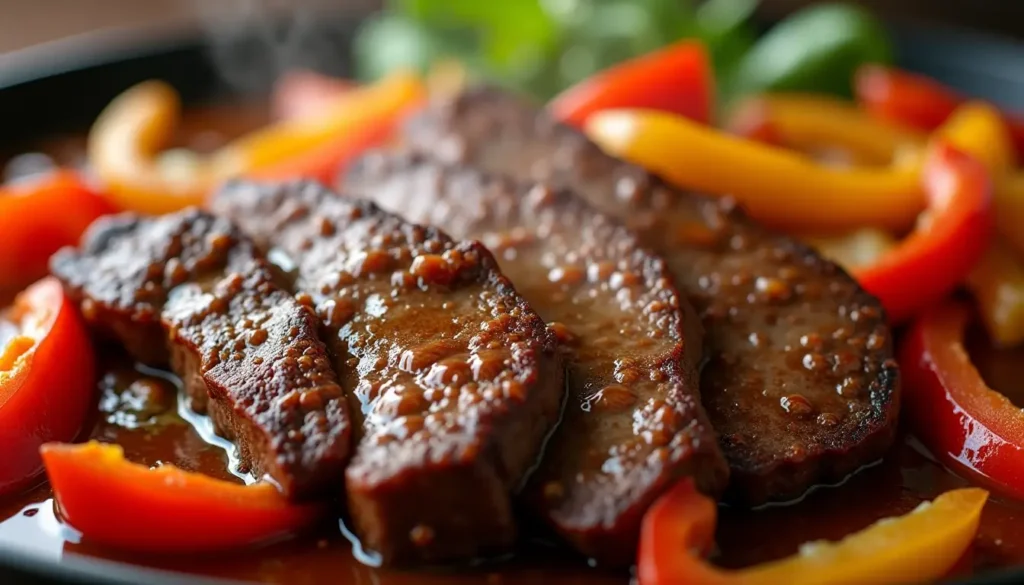
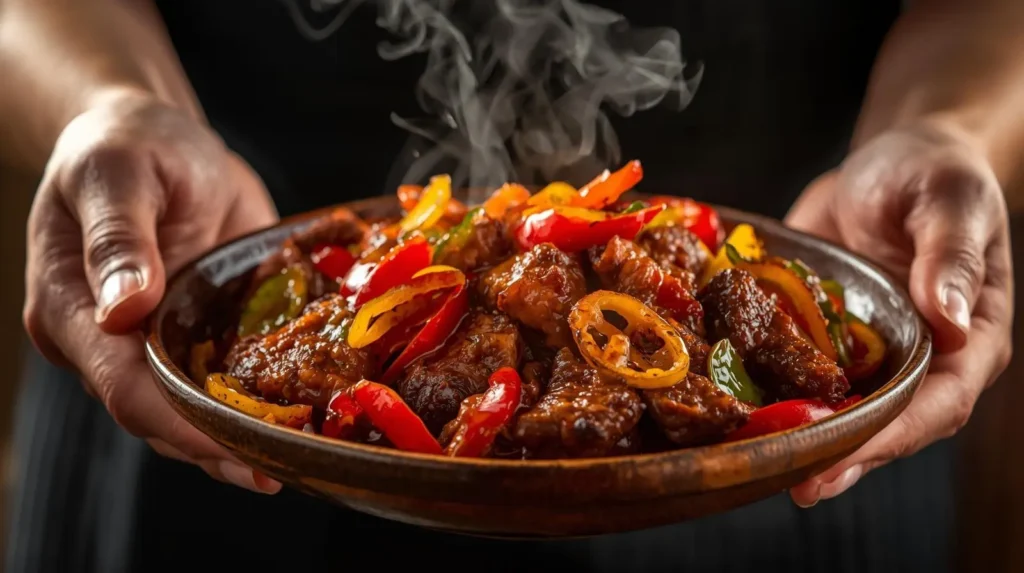
This pepper steak recipe features tender, juicy beef with bold, flavorful peppers in a savory sauce — quick and easy to make. The combination of seared beef strips, crisp-tender peppers, and glossy brown sauce creates a dish that’s both comforting and sophisticated.
Perfected through countless home-cooked meals, this recipe balances spice, sweetness, and umami for a crowd-pleasing dish. The key lies in proper technique—slicing beef correctly, managing heat carefully, and timing each component so everything finishes together perfectly.
This comprehensive guide walks you through everything you need to master pepper steak. You’ll learn how to select and prepare the best cuts of beef, discover the secrets to achieving restaurant-quality sauce, explore flavor variations that keep dinner interesting, and get expert advice from renowned chefs.
Whether you’re looking for a quick weeknight dinner or planning an impressive meal for guests, pepper steak delivers. It comes together in about 30 minutes from start to finish, uses readily available ingredients, and adapts beautifully to different tastes and dietary preferences.
The beauty of pepper steak lies in its versatility. Serve it over rice for a classic presentation, toss it with noodles for something different, or pile it over vegetables for a low-carb option. Each variation showcases the tender beef and vibrant peppers in their best light.
Let’s dive into what makes this pepper steak recipe so consistently delicious and how you can recreate restaurant-quality results in your own kitchen.
Table of Contents
Why This Pepper Steak Recipe Works
This pepper steak recipe succeeds because it focuses on tender beef, vibrant peppers, and a perfectly balanced sauce that brings everything together.
The technique builds complex flavor through proper searing, careful vegetable cooking, and a sauce that combines salty, sweet, and savory elements. Each step serves a specific purpose in creating pepper steak that tastes as good as your favorite Chinese restaurant.
Here’s what makes this recipe exceptional:
Uses simple, easy-to-find ingredients. You won’t need specialty Asian markets or exotic items. Everything is available at your regular grocery store, and you probably already have many ingredients in your pantry.
Quick to prep and cook — ideal for weeknights. From start to finish, including marinating time, you can have dinner ready in 30-40 minutes. The actual cooking time is only about 15 minutes, making this perfect for busy schedules when you still want a homemade meal.
Can be served over rice, noodles, or vegetables. This versatility means you can create different meals throughout the week using the same recipe. The pepper steak itself stays the same while the base changes, preventing dinner monotony.
Chef Tip from Gordon Ramsay: “Slice beef thinly against the grain for maximum tenderness.”
The cooking method itself contributes significantly to success. High heat searing creates a beautiful crust on the beef while keeping the interior tender and juicy. The peppers and onions cook quickly at high temperature, maintaining their vibrant colors and slight crunch.
The sauce is what elevates this from simple stir-fry to restaurant-quality pepper steak. The combination of soy sauce, beef broth, and brown sugar creates depth that’s simultaneously savory, slightly sweet, and utterly satisfying. Cornstarch thickens the sauce just enough to coat every piece of beef and vegetable.
Unlike some stir-fries that can be greasy or one-dimensional, this pepper steak recipe achieves balance. The beef provides rich, meaty satisfaction. The peppers add sweetness and crunch. The sauce ties everything together without overwhelming individual components.
This recipe also scales beautifully. Double it for larger families or gatherings, or halve it for a romantic dinner for two. The proportions remain balanced regardless of batch size.
The ingredient quality makes a noticeable difference but doesn’t require expensive cuts. Flank steak or sirloin work perfectly when sliced correctly, providing tender results without the cost of filet mignon.
Ingredients & Prep
Gathering the right ingredients and preparing them properly sets the foundation for exceptional pepper steak:
| Ingredient | Quantity | Purpose |
|---|---|---|
| Beef sirloin or flank steak | 1 lb | Tender protein |
| Bell peppers (red, green, yellow) | 3, sliced | Sweet, crunchy flavor |
| Onion | 1 medium, sliced | Aroma & texture |
| Soy sauce | ½ cup | Umami & saltiness |
| Garlic, minced | 2 cloves | Flavor depth |
| Ginger, minced | 1 tsp | Aroma & spice |
| Cornstarch | 2 tsp | Thickening sauce |
| Beef broth | ½ cup | Base for sauce |
| Brown sugar | 1 tbsp | Balance flavors |
| Sesame oil | 1 tsp | Optional, for nutty aroma |
Chef Advice from Emeril Lagasse: “Marinate beef briefly in soy sauce and a touch of cornstarch — it seals in juices and creates a glossy sauce.”
Choosing Your Beef
Flank steak is the traditional choice for pepper steak and Chinese stir-fries. It has pronounced grain, robust beefy flavor, and becomes incredibly tender when sliced correctly against the grain. Flank steak is lean with minimal marbling, making it a healthy choice.
Sirloin steak offers slightly more marbling and tenderness than flank while remaining affordable. Top sirloin works beautifully and is more forgiving if you accidentally slice with the grain rather than against it.
Skirt steak provides similar characteristics to flank with even more flavor intensity. It’s slightly thinner and cooks very quickly, making it ideal for high-heat stir-frying.
Ribeye creates the most luxurious pepper steak with rich marbling and buttery texture, though it’s more expensive and not traditional. Use ribeye when you want to splurge on something special.
Avoid using stew meat or chuck roast, which require long, slow cooking to become tender. These tough cuts don’t work for quick stir-frying no matter how you slice them.
Look for beef with bright red color, minimal connective tissue, and some marbling (white fat streaks throughout the meat). Avoid beef that’s brown, has excessive moisture, or smells off.
Understanding the Vegetables
Bell peppers are essential to pepper steak. Use a variety of colors—red, yellow, orange, and green—for visual appeal and slightly different flavor profiles. Red peppers are sweetest, green peppers have a slightly bitter, grassy edge, and yellow/orange fall somewhere in between.
Choose peppers that feel heavy for their size with tight, glossy skin free from wrinkles or soft spots. The stem should be fresh and green, not dried out or brown.
Onions add aromatic depth and sweetness that complements the peppers. Yellow onions provide the best balance of sharp and sweet. White onions work but are sharper. Sweet onions like Vidalia can be too mild and lose their character during cooking.
Some recipes include tomatoes, though they’re not traditional in Chinese-American pepper steak. If adding tomatoes, use firm ones and add them at the very end to prevent them from breaking down into sauce.
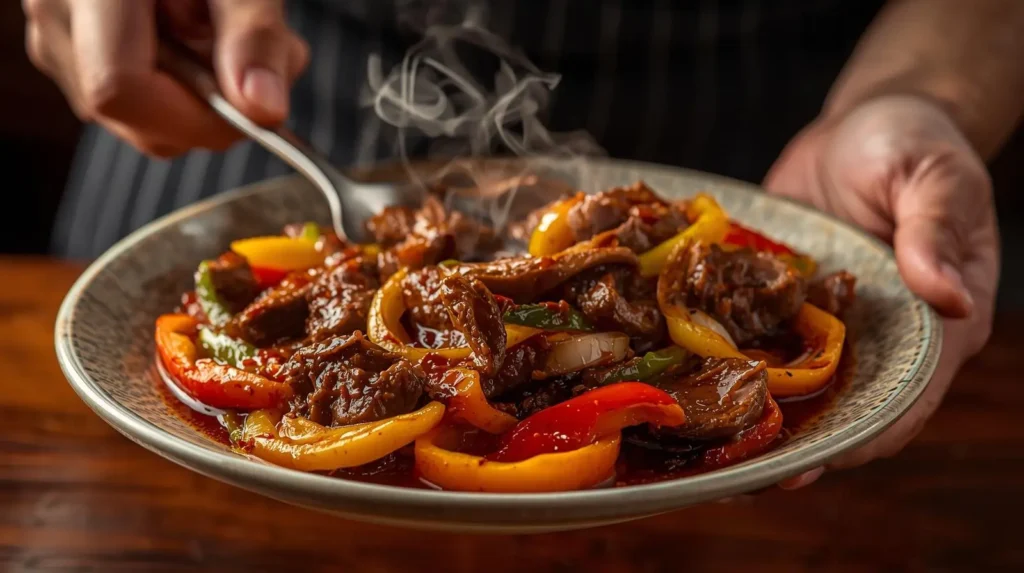
Sauce Components Explained
Soy sauce forms the salty, umami foundation. Use regular soy sauce rather than low-sodium unless you’re very salt-sensitive—the dish needs that saltiness to balance sweetness. Dark soy sauce creates richer color and slightly sweeter flavor, while light soy sauce offers cleaner, sharper taste.
Beef broth adds body and deepens the meaty flavor. Low-sodium broth lets you control salt levels better. Chicken broth works as a substitute, though the flavor is slightly less robust.
Brown sugar provides gentle sweetness that rounds out salty soy sauce. White sugar works but lacks the molasses notes that create depth. Honey can substitute but changes the flavor profile slightly.
Cornstarch is crucial for creating that glossy, clingy sauce that coats beef and vegetables. It thickens quickly and creates smooth texture without grittiness. Potato starch works similarly, while flour creates cloudier, less glossy results.
Fresh garlic and ginger are non-negotiable for authentic flavor. Jarred or powdered versions lack the aromatic punch that makes this dish smell and taste incredible. Mince both very finely so they distribute throughout the sauce.
Sesame oil is optional but highly recommended. Just a teaspoon adds nutty depth that makes the dish taste authentically Asian. A little goes a long way—too much becomes overwhelming.
Preparation Essentials
Trim visible fat and silver skin from the beef. Pat meat completely dry with paper towels—moisture on the surface prevents proper searing and causes steaming instead of browning.
Place beef in the freezer for 15-20 minutes to firm it up slightly. This makes slicing much easier and more uniform. You want the beef firm but not frozen solid.
Slice beef very thinly—about ⅛ to ¼ inch thick—against the grain. Look at the beef and identify which direction the muscle fibers run, then slice perpendicular to those fibers. This cuts through the tough fibers, making each bite tender.
Cut beef slices into strips about 2-3 inches long and 1 inch wide. Uniform sizes ensure even cooking.
Core and seed bell peppers, then slice into strips about ¼ inch wide. Try to keep strips fairly uniform in size so they cook evenly.
Peel and slice onion into strips similar in size to the peppers. Slice with the grain (from root to stem end) rather than across the grain—this helps onion strips hold their shape during cooking.
Mince garlic and ginger as finely as possible. A microplane grater works wonderfully for ginger, creating a paste that distributes perfectly throughout the sauce.
Measure all ingredients before you begin cooking. Stir-frying happens quickly, and you won’t have time to measure once you start. Having everything ready (mise en place) is crucial for success.
Ingredient Substitutions
Can’t find flank steak? Sirloin, skirt steak, or even boneless chicken thighs work beautifully with the same technique.
No beef broth? Chicken broth, vegetable broth, or even water with a beef bouillon cube will work.
Fresh ginger unavailable? Ground ginger at a 3:1 ratio (⅓ teaspoon ground for every teaspoon fresh) works in a pinch, though fresh is vastly superior.
For gluten-free pepper steak, use tamari instead of soy sauce and ensure your broth is gluten-free.
Step-by-Step Cooking Instructions
Follow these detailed steps for perfect pepper steak every time:
Preparing the Beef
Start with properly trimmed beef at room temperature or slightly chilled from a brief freezer stint. Pat completely dry—this is crucial for good searing.
Examine the beef to identify the grain direction. The grain refers to the visible muscle fibers running through the meat. On flank steak, the grain is very obvious and runs the length of the steak.
Using a sharp knife, slice the beef perpendicular to these grain lines. This cuts through the tough fibers rather than leaving them intact, which makes each bite tender and easy to chew.
Aim for slices about ⅛ to ¼ inch thick. Thinner is better than thicker—thin slices cook quickly and remain tender. Thick slices become chewy and take too long to cook through.
Cut the slices into strips approximately 2-3 inches long. You want pieces that are easy to eat with chopsticks or a fork and distribute well throughout the dish.
Marinating the Beef
In a medium bowl, combine ¼ cup soy sauce, 1 teaspoon cornstarch, and ½ tablespoon brown sugar. Whisk until the cornstarch dissolves completely with no lumps.
Add the sliced beef and toss to coat every piece thoroughly. Use your hands to massage the marinade into the meat, ensuring even coverage.
Let the beef marinate for 15-30 minutes at room temperature. This brief marinating time adds flavor and the cornstarch creates a protective coating that seals in juices and helps create glossy sauce later.
Don’t marinate longer than 30 minutes—the enzymes and salt will start breaking down the meat’s texture excessively, making it mushy rather than tender.
While beef marinates, prepare your vegetables and sauce ingredients so everything is ready when you start cooking.
Preparing the Sauce
In a small bowl, combine the remaining ¼ cup soy sauce, ½ cup beef broth, remaining ½ tablespoon brown sugar, minced garlic, minced ginger, and 1 teaspoon cornstarch.
Whisk vigorously until the cornstarch dissolves completely and the mixture is smooth. Set aside within easy reach of your stove.
The sauce will thicken quickly once added to the hot pan, so you want it completely mixed and ready to pour without having to whisk while cooking.
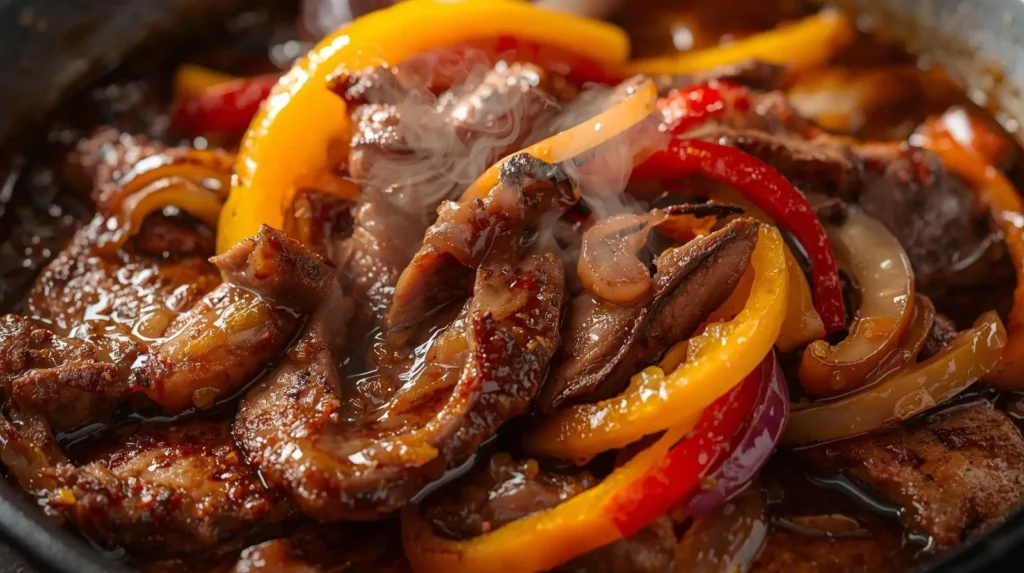
Cooking the Beef
Heat a large skillet or wok over high heat. Add 1-2 tablespoons of neutral oil with a high smoke point (vegetable, canola, or peanut oil work best).
Let the oil heat until it shimmers and a drop of water sizzles violently on contact. The pan needs to be very hot for proper searing.
Remove beef from marinade, letting excess drip off but don’t pat dry—that cornstarch coating is important. Discard the remaining marinade.
Working in batches to avoid overcrowding, add beef in a single layer. Overcrowding lowers the pan temperature and causes steaming instead of searing.
Let beef cook undisturbed for 60-90 seconds until the bottom develops a brown crust. Flip and cook another 60 seconds on the other side.
The beef should be about 80% cooked—still slightly pink in the center. It will continue cooking when you add it back with the vegetables and sauce.
Transfer seared beef to a clean plate and set aside. If cooking in batches, add a bit more oil between batches if the pan looks dry.
Cooking the Vegetables
If the pan is dry after cooking beef, add another tablespoon of oil. Keep the heat at medium-high.
Add sliced onions first and stir-fry for 2 minutes until they begin to soften and develop slight char on the edges.
Add bell peppers and stir-fry for another 2-3 minutes. You want the vegetables crisp-tender—softened but still with noticeable crunch and vibrant color.
Chef Tip from Ming Tsai: “Cook vegetables slightly underdone for a vibrant color and crunch — they’ll continue cooking in the sauce.”
The vegetables should have some charred spots but shouldn’t be mushy or dull in color. If they’re cooking too fast and getting dark before softening, reduce heat slightly.
Combining and Finishing
Return the beef and any accumulated juices to the pan with the vegetables. Toss everything together briefly.
Give your sauce mixture a quick stir (the cornstarch may have settled), then pour it over the beef and vegetables.
Stir constantly as the sauce comes to a simmer. The cornstarch will activate and thicken the sauce within 60-90 seconds.
Once the sauce has thickened and coats the beef and vegetables in a glossy glaze, remove from heat immediately. Overcooking makes the beef tough and the vegetables mushy.
Drizzle with sesame oil if using and toss one final time. The residual heat will warm the sesame oil and release its aromatic compounds.
Taste and adjust seasoning if needed. You can add a splash more soy sauce for saltiness or a pinch of sugar for sweetness.
Timing and Temperature Tips
The entire cooking process from when you add beef to when you remove the finished dish should take only 8-10 minutes. Speed is essential for tender beef and crisp vegetables.
Your stove’s high heat may be different from others. If food is burning before cooking through, reduce to medium-high. If food isn’t getting any color and seems to be steaming, increase heat.
Don’t walk away during cooking. Stir-frying requires constant attention and quick adjustments.
Have a serving platter ready before you start cooking. You want to transfer the finished pepper steak immediately rather than letting it sit in the hot pan and continue cooking.
Flavor Variations
The versatility of pepper steak means endless customization possibilities. Here are popular variations:
| Variation | Ingredients to Add | Notes |
|---|---|---|
| Spicy | Red chili flakes or fresh chili | Adds heat |
| Sweet & Tangy | Pineapple chunks | Adds tropical sweetness |
| Garlic Lovers | Extra minced garlic | Intensifies flavor |
| Sesame Glaze | Toasted sesame seeds | Adds nutty aroma |
Spicy Pepper Steak
For heat lovers, transform this recipe into a fiery version. Add 1-2 teaspoons of red chili flakes to the sauce mixture for even, distributed heat throughout.
Fresh sliced jalapeños, Thai chilies, or serrano peppers added with the bell peppers provide bright, fresh heat. Remove seeds for milder spice or leave them in for maximum burn.
Sriracha or chili garlic sauce (1-2 tablespoons) stirred into the sauce creates tangy, garlicky heat that’s addictive.
For serious heat, add sliced fresh habaneros or ghost peppers, but use caution—these are extremely hot and can overwhelm the dish’s other flavors.
Black pepper—the original “pepper” in pepper steak—can be increased significantly for those who love that particular type of heat. Freshly cracked black pepper provides the best flavor.
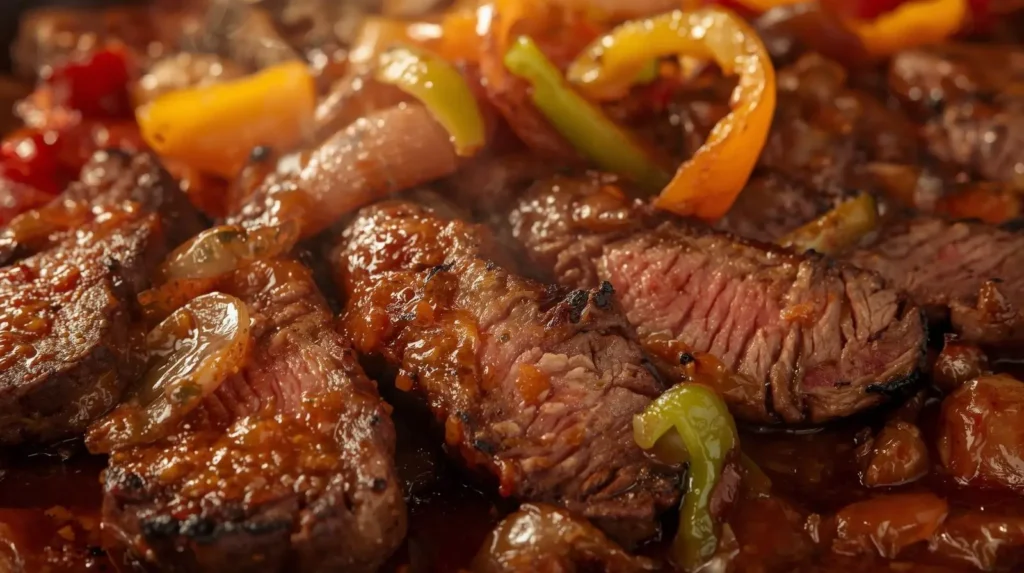
Sweet & Tangy Pepper Steak
Pineapple chunks add tropical sweetness and fruity acidity that creates Hawaiian-inspired pepper steak. Add 1 cup of fresh pineapple chunks during the last minute of cooking.
Orange juice (¼ cup) replacing some of the beef broth provides citrus brightness. Add a bit of orange zest for even more intense citrus flavor.
A splash of rice vinegar (1-2 tablespoons) added to the sauce creates sweet-sour character similar to popular Chinese-American dishes.
Honey or pineapple juice can replace the brown sugar for different sweetness profiles that complement the savory elements.
Tomatoes added during the final minute provide tangy sweetness and create more sauce. Use cherry tomatoes halved or regular tomatoes cut into wedges.
Garlic Lovers Pepper Steak
Garlic enthusiasts can quadruple the garlic in this recipe. Eight cloves of minced garlic creates bold, pungent flavor that garlic lovers crave.
Roasted garlic paste (2-3 tablespoons) mixed into the sauce provides sweet, mellow garlic flavor that’s less sharp than raw.
Add whole garlic cloves to the pan when cooking vegetables. They’ll soften and caramelize, creating sweet garlic pieces throughout the dish.
Black garlic (if you can find it) adds incredible umami depth and sweet, almost molasses-like flavor that’s sophisticated and complex.
Finish with crispy fried garlic chips or garlic oil for additional garlic intensity and textural contrast.
Sesame Glaze Pepper Steak
Toasted sesame seeds sprinkled over finished pepper steak add nutty flavor and attractive appearance. Toast seeds in a dry pan until golden and fragrant before using.
Increase sesame oil to 1 tablespoon for more pronounced nutty character throughout the dish.
Tahini (sesame paste) stirred into the sauce (1-2 tablespoons) creates creamy, deeply nutty flavor that’s rich and satisfying.
Use both white and black sesame seeds for visual contrast and slightly different flavor profiles.
Consider serving with a side of sesame noodles to continue the sesame theme throughout the meal.
Creative Fusion Variations
Bourbon Pepper Steak: Add 2 tablespoons of bourbon to the sauce for smoky, sophisticated depth with subtle sweetness.
Teriyaki Pepper Steak: Replace some soy sauce with teriyaki sauce and add extra ginger for Japanese-inspired flavors.
Korean Pepper Steak: Add gochugaru (Korean chili flakes) and gochujang (Korean chili paste) for spicy, fermented complexity.
Thai Pepper Steak: Add fish sauce, lime juice, and fresh basil for Southeast Asian character.
Mushroom Pepper Steak: Add sliced shiitake, oyster, or button mushrooms with the bell peppers for extra umami and meatiness.
Serving Suggestions
Presenting pepper steak attractively and pairing it with complementary sides creates a complete, satisfying meal:
Serve over steamed white or brown rice. This is the classic presentation that lets the flavorful sauce soak into fluffy rice. Jasmine rice is traditional, while brown rice adds nutty flavor and nutrition.
Pair with stir-fried noodles or quinoa for a complete meal. Lo mein noodles, rice noodles, or even spaghetti tossed with a bit of sesame oil work wonderfully. Quinoa provides a protein-rich, gluten-free alternative that absorbs the sauce beautifully.
Garnish with sesame seeds and green onions. These finishing touches add color, texture, and fresh flavor that elevate the presentation from home-cooked to restaurant-quality.
Here’s the approximate nutritional information per serving:
| Serving | Calories | Protein | Carbs | Fat |
|---|---|---|---|---|
| 1 cup | 320 | 28g | 18g | 12g |
Note: Nutritional values are approximate and vary based on exact ingredients and portion sizes.
Classic Presentations
Over Rice: Place a generous mound of steamed rice in a wide, shallow bowl. Top with pepper steak, ensuring each serving has beef, peppers, and plenty of sauce. Garnish with sliced green onions and sesame seeds.
With Noodles: Toss cooked lo mein or rice noodles with a bit of sesame oil, then top with pepper steak. The noodles become coated in the delicious sauce, creating a complete one-bowl meal.
Rice Bowl Style: Create a composed bowl with rice on one side, pepper steak on the other, and additional vegetables like steamed broccoli or bok choy alongside. Drizzle extra sauce over everything.
Family Style: Serve pepper steak on a large platter in the center of the table with rice and other dishes surrounding it. This communal presentation is traditional in Chinese dining.
Creative Serving Ideas
Pepper Steak Lettuce Wraps: Serve pepper steak with butter lettuce or cabbage leaves for wrapping. This low-carb option highlights the beef and vegetables while providing refreshing crunch.
Pepper Steak Fried Rice: Chop the beef and vegetables into smaller pieces and stir-fry with cold cooked rice, creating a complete meal in one dish.
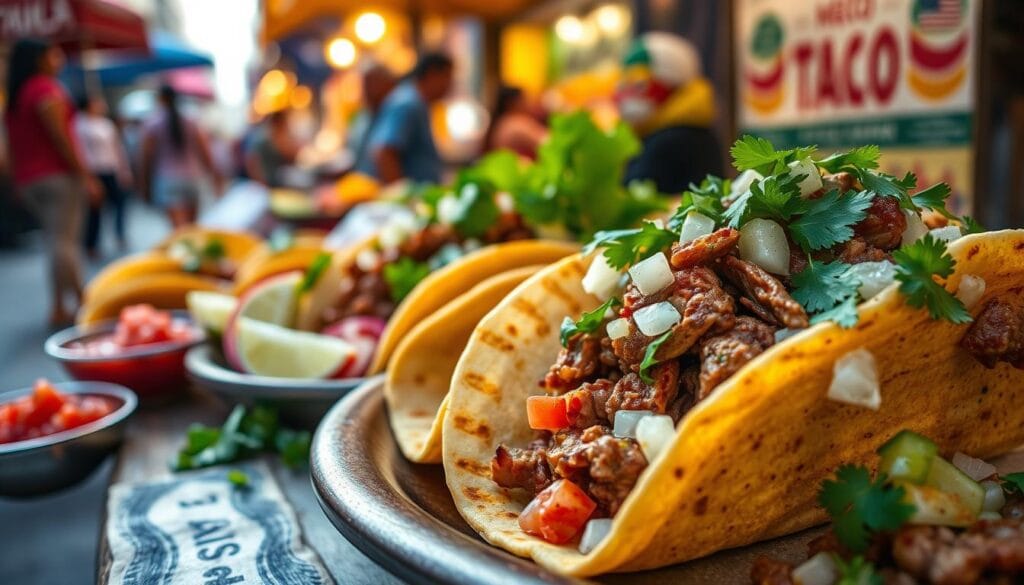
Pepper Steak Tacos: Use small flour or corn tortillas and fill with pepper steak for a fusion approach that combines Chinese and Mexican flavors.
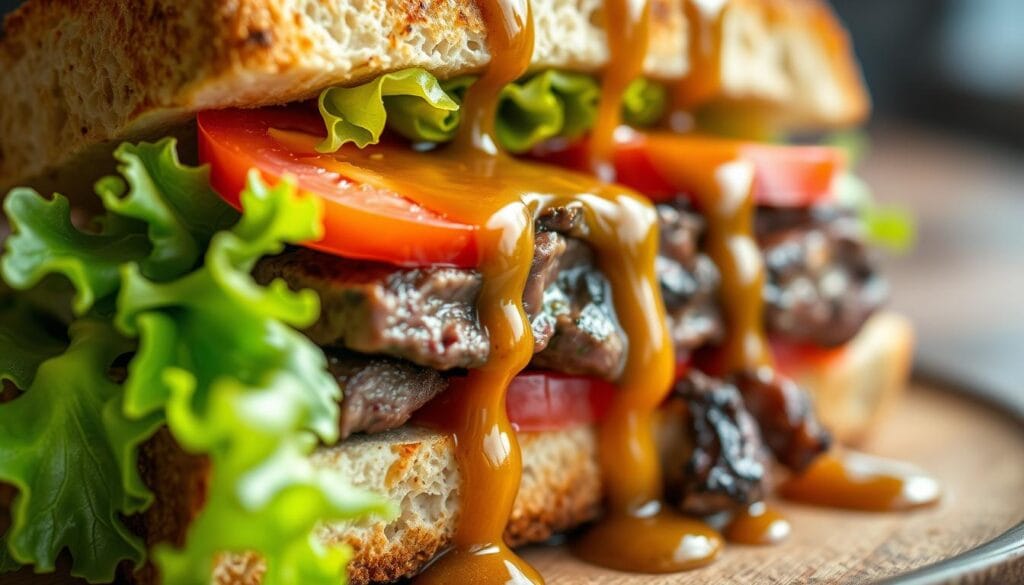
Pepper Steak Sub Sandwich: Pile pepper steak into crusty sub rolls with melted provolone for an Asian-inspired Philly cheesesteak.
Over Cauliflower Rice: For low-carb or keto diets, serve over riced cauliflower instead of regular rice. The sauce makes cauliflower rice incredibly flavorful.
Side Dish Pairings
Vegetable sides: Steamed bok choy, Chinese broccoli (gai lan), stir-fried green beans, or sautéed snow peas complement pepper steak perfectly.
Soups: Hot and sour soup, egg drop soup, or wonton soup provide warming, flavorful starts to a pepper steak dinner.
Appetizers: Spring rolls, pot stickers, or scallion pancakes round out a Chinese-inspired meal.
Salads: Asian cucumber salad or seaweed salad provide refreshing contrast to rich, savory pepper steak.
Garnishing and Presentation Tips
Slice green onions thinly on the diagonal for attractive presentation. Use both white and green parts for color contrast.
Toast sesame seeds until golden before sprinkling—the toasting intensifies their nutty flavor dramatically.
Serve in white bowls or plates so the colorful peppers and beef stand out visually.
Consider adding a wedge of lime on the side for guests to squeeze over their portion for extra brightness.
Fresh cilantro leaves, though not traditional, add color and fresh herbal notes that many people enjoy.
A small dish of chili oil or sriracha on the side lets guests customize heat levels.
FAQs
Can I use chicken or pork instead of beef?
Absolutely! This recipe adapts beautifully to other proteins. Boneless, skinless chicken breast or thighs work wonderfully—slice them the same way you would beef and follow the same cooking method. Chicken cooks slightly faster than beef, so watch carefully to avoid overcooking. Pork tenderloin or pork loin are excellent alternatives that provide tender, mild meat similar to beef. Slice pork against the grain just like beef. Even shrimp or tofu can work for seafood or vegetarian versions. Adjust cooking times accordingly—shrimp cook in just 2-3 minutes, while firm tofu needs about 5 minutes to develop a nice crust.
How do I keep the beef tender?
Tender beef comes from proper slicing, brief marinating, and quick cooking at high heat. Always slice against the grain to cut through tough muscle fibers. The cornstarch marinade creates a protective coating that seals in juices. Cook beef in batches so the pan stays hot—overcrowding drops the temperature and causes steaming instead of searing.
Don’t overcook the beef; remove it when it’s still slightly pink in the center (about 80% done) since it continues cooking when combined with vegetables and sauce. Using naturally tender cuts like flank steak, sirloin, or skirt steak rather than tough cuts like chuck or round makes a significant difference. If your beef turned out tough, you likely overcooked it or sliced with the grain instead of against it.
Can I make this recipe ahead of time?
Pepper steak is best served fresh, but you can prep components in advance for quick assembly. Slice beef and vegetables up to a day ahead and store separately in airtight containers in the refrigerator. Mix the sauce and refrigerate in a sealed container. When ready to cook, bring beef to room temperature and proceed with the recipe. You can also fully cook pepper steak and refrigerate for 3-4 days, though the vegetables lose some crunch and the beef becomes slightly less tender. Reheat gently in a skillet over medium heat with a splash of beef broth or water. For meal prep, prepare individual portions in containers with rice—these reheat well in the microwave.
Is this recipe freezer-friendly?
Yes, pepper steak freezes reasonably well for up to 3 months, though the vegetables soften considerably. Cool the cooked pepper steak completely before transferring to freezer-safe containers or bags. Remove as much air as possible to prevent freezer burn. For best results, freeze the beef and sauce separately from the peppers, though most people freeze everything together for convenience. Thaw overnight in the refrigerator, then reheat gently in a skillet. Add fresh bell peppers during reheating if you want crisper vegetables. The beef and sauce freeze better than the vegetables, so expect slightly mushier peppers after freezing. Despite texture changes, the flavor remains delicious.
What’s the best cut of beef for pepper steak?
Flank steak is the traditional and best choice for pepper steak. It has pronounced grain that makes slicing against it crucial, but when done correctly, it’s incredibly tender with robust beef flavor. Sirloin (especially top sirloin) is more forgiving and slightly more tender with good flavor. Skirt steak cooks quickly and has intense beefy flavor similar to flank. For special occasions, ribeye provides the most tender, richly flavored results though it’s more expensive. Avoid tough cuts like chuck or round that require long, slow cooking—they’ll never become tender with quick stir-frying no matter how you slice them. The key is choosing cuts that are naturally somewhat tender and slicing them correctly.
Can I make this recipe less salty?
Yes, controlling saltiness is easy. Use low-sodium soy sauce and low-sodium beef broth to significantly reduce salt content. You can also dilute regular soy sauce with water at a 2:1 ratio (2 parts soy sauce to 1 part water). Start with less soy sauce than the recipe calls for and taste the sauce before adding to the dish—you can always add more but can’t remove excess salt. Some people replace half the soy sauce with Worcestershire sauce or coconut aminos for different flavor profiles with less sodium. Remember that pepper steak needs some saltiness to balance the sweetness and bring out beef flavor, so don’t eliminate salt entirely.
Why is my sauce too thin or too thick?
Sauce consistency issues usually come from incorrect cornstarch ratios or timing. If your sauce is too thin, mix an additional ½ teaspoon cornstarch with 1 tablespoon cold water, add to the simmering sauce, and cook for another minute until thickened. If too thick, thin with small additions of beef broth or water until you reach desired consistency. The sauce thickens quickly once cornstarch is activated by heat, so watch carefully. Sauce also thickens as it cools, so aim for slightly thinner consistency while cooking than your target. Always mix cornstarch completely with cold liquid before adding to hot sauce—adding dry cornstarch directly creates lumps that won’t dissolve.
Can I use frozen bell peppers?
Fresh bell peppers are strongly preferred for their crisp texture and bright flavor, but frozen can work in a pinch. Thaw frozen peppers completely and pat very dry before using—excess moisture prevents proper browning and creates steaming instead of stir-frying. Expect softer texture with less crunch compared to fresh peppers. Frozen peppers work better in saucy dishes where texture is less crucial. For best results with frozen peppers, increase cooking heat slightly and cook in smaller batches to evaporate moisture quickly. Most cooks find the texture difference significant enough to warrant using fresh peppers whenever possible.
Conclusion
Try this pepper steak recipe tonight for a quick, delicious, and restaurant-quality meal at home!
This recipe proves that impressive, flavorful dinners don’t require hours of work or complicated techniques. With proper slicing, high heat cooking, and a well-balanced sauce, you can create pepper steak that rivals your favorite Chinese restaurant.
Thousands of home cooks love this tender, flavorful pepper steak and have made it a regular part of their dinner rotation. The combination of juicy beef, vibrant peppers, and glossy savory sauce creates something truly special that satisfies everyone at the table.
The techniques you’ve learned here—slicing against the grain, managing high heat, and creating balanced sauces—apply to countless other stir-fries and Asian-inspired dishes. You’re developing fundamental cooking skills that expand your culinary repertoire.
Don’t be intimidated by stir-frying at home. This pepper steak recipe proves that with proper preparation and technique, restaurant-quality results are completely achievable. Once you master the basics, you’ll find yourself experimenting with variations and creating your own signature versions.
Start with the classic recipe to understand the fundamentals, then explore variations that appeal to your taste. Make it spicy with chilies, sweet with pineapple, or extra garlicky for maximum flavor. The recipe adapts beautifully to your preferences.
Remember the chef tips throughout this guide. Slice against the grain as Gordon Ramsay advises. Marinate briefly with cornstarch like Emeril Lagasse recommends. Cook vegetables slightly underdone as Ming Tsai suggests. These small details transform good pepper steak into exceptional pepper steak.
The beauty of pepper steak lies in its versatility and speed. It works for casual weeknight dinners when you’re short on time, yet it’s impressive enough for entertaining guests. The colorful presentation and bold flavors make it a crowd-pleaser every time.
Next, check out our [Sweet and Spicy Teriyaki Chicken Recipe] or [Best Street Corn Recipe] for complementary dishes.
If you enjoyed this pepper steak, explore other quick, flavorful recipes that round out Asian-inspired meals. Teriyaki chicken uses similar techniques and creates another protein option for variety. Street corn provides a fun, unexpected side dish that adds color and interest to your dinner spread.
Building a repertoire of reliable recipes transforms you into a confident cook who can pull together impressive meals without stress. Pepper steak, teriyaki chicken, and street corn form a solid foundation for countless menu combinations.
Tonight, gather your ingredients, slice that beef against the grain, and fire up your stove. You’re about to create something delicious that will have everyone asking for seconds. Your kitchen is about to smell amazing, and your dinner table is about to get a serious upgrade.
Happy cooking, and enjoy every tender, flavorful bite of your homemade pepper steak!
How did you find results our recipes
There are no reviews yet. Be the first one to write one.