
Introduction
Tired of bland or dry tuna casserole recipes that disappoint with every forkful?
You’re not alone. Many tuna casseroles turn out watery, tasteless, or with that unfortunate texture that makes you wonder why you bothered. The promise of quick comfort food often results in a dish that’s more obligation than enjoyment.
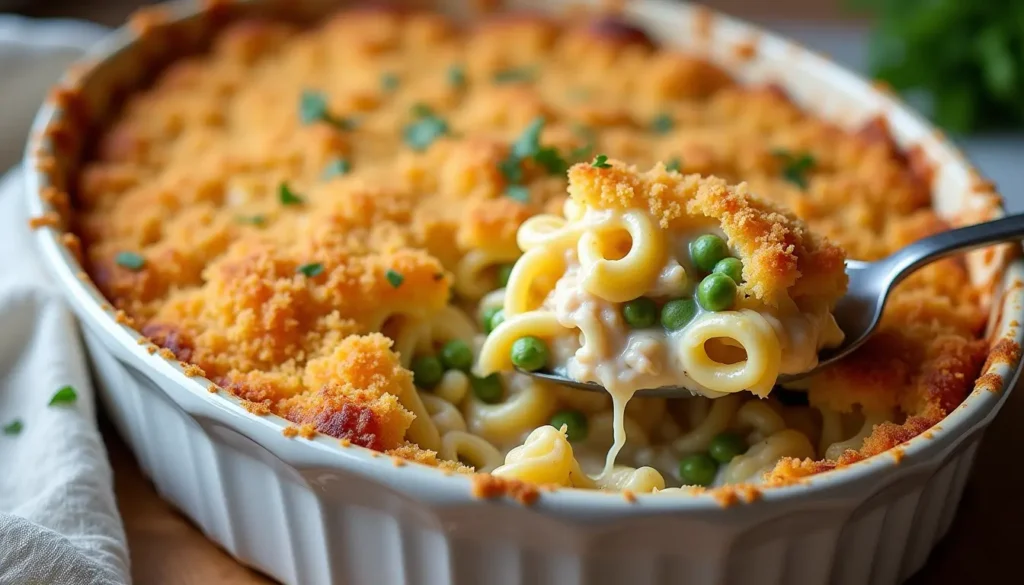
This tuna casserole recipe is creamy, comforting, and packed with flavor in every bite, transforming humble canned tuna into a dish worthy of seconds. The secret lies in the perfect balance of creamy sauce, tender noodles, and that irresistible golden-crispy topping that makes this casserole addictive.
As a home cook with years of experience testing and perfecting family recipes, I’ve made countless tuna casseroles to arrive at this rich and delicious version that even skeptics request regularly. I’ve discovered exactly which ingredients create that restaurant-quality creaminess, how to prevent dryness, and the technique for achieving that coveted crispy-top-creamy-inside contrast.
In this comprehensive guide, you’ll discover the creamy sauce secrets that elevate this from ordinary to extraordinary, innovative crispy topping ideas that add textural excitement, detailed step-by-step instructions that guarantee success, and answers to frequently asked questions about making perfect tuna casserole. Let’s create comfort food magic!
Table of Contents
Why This Tuna Casserole Recipe Works
This recipe takes a classic comfort food and makes it consistently excellent through smart ingredient choices and proper technique.
Uses simple pantry ingredients for quick and easy prep. You won’t need specialty items or expensive components—canned tuna casserole recipe, egg noodles, cream of mushroom soup, and basic dairy products create extraordinary results. Everything is accessible at any grocery store, and you probably have most ingredients already, making this perfect for those nights when you realize dinner is in thirty minutes.
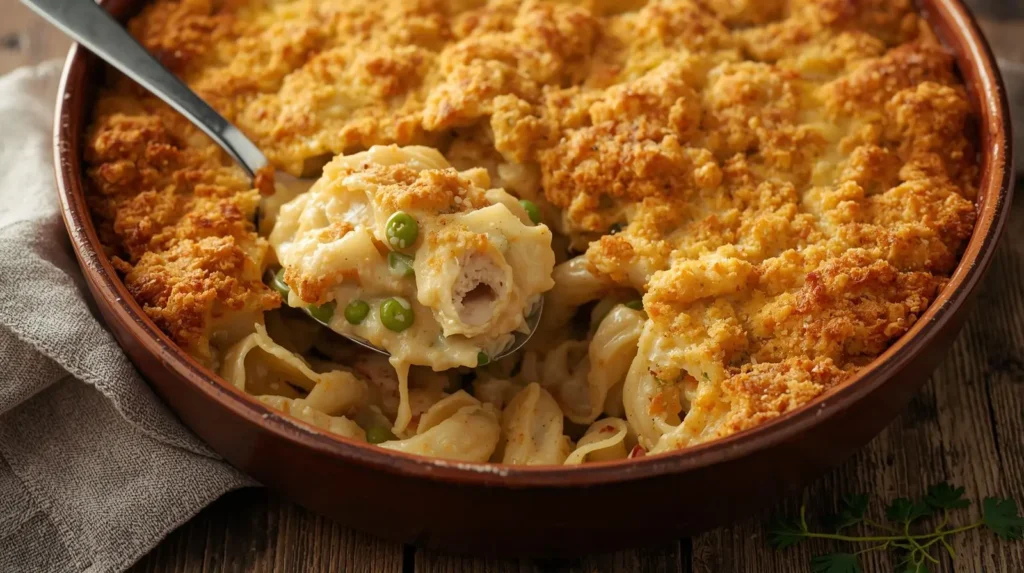
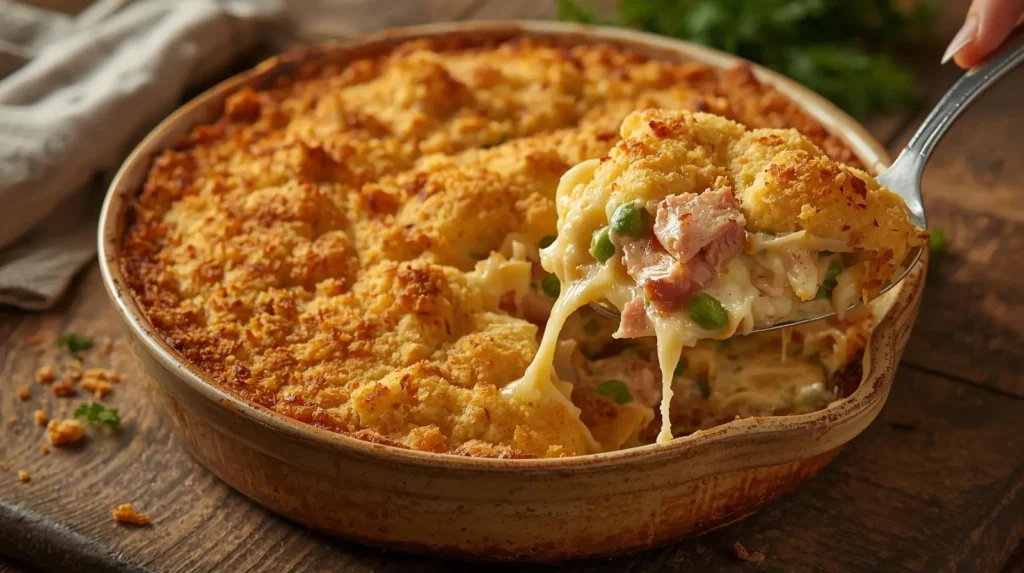
Creamy sauce with golden, crispy topping for perfect texture. The combination of velvety interior and crunchy topping creates textural contrast that makes every bite interesting. The sauce stays luxuriously smooth while the buttery breadcrumb topping provides satisfying crunch that elevates this beyond one-note casseroles.
Family-friendly comfort food ideal for weeknights or gatherings. This versatile tuna casserole recipe pleases kids and adults alike, feeds a crowd affordably, and reheats beautifully for leftovers. It’s substantial enough for main course status, budget-friendly enough for regular rotation, and reliable enough to bring to potlucks where it always disappears first.

Choosing the Right Tuna and Ingredients
Understanding ingredient selection ensures you create the best possibletuna casserole recipe with optimal flavor and texture.
Best Ingredients for This Recipe
Chunk light tuna casserole recipe in water provides mild flavor and flaky texture that blends beautifully with the creamy sauce.
It’s more affordable than albacore and has a softer taste that appeals to broader palates, especially kids who might be tuna casserole recipe-averse. The water-packed variety keeps the dish lighter than oil-packed, though you can use either based on preference.
Solid white albacore offers richer, meatier taste if you prefer more pronounced tuna casserole recipe flavor. It’s firmer and more expensive but creates a more substantial, upscale casserole that impresses guests.
Egg noodles provide the perfect bite and texture for casseroles. Their wide, flat shape and slightly chewy texture holds sauce beautifully while maintaining structure during baking. They’re more substantial than regular pasta and specifically designed for baked dishes.
Cream of mushroom soup creates instant creaminess and savory depth. This pantry staple acts as both sauce base and flavor enhancer, simplifying preparation dramatically. The mushroom flavor adds umami richness that makes the casserole taste more complex than it actually is.
Buying Tips
Choose solid white albacore for richer taste if you want to elevate this casserole to special-occasion status.
Look for sustainably caught tuna casserole recipe with dolphin-safe labels for environmentally conscious cooking. Check the expiration dates on canned goods for freshness.
Use fresh parsley for vibrant flavor and color that brightens the finished dish. Fresh herbs make noticeable differences compared to dried alternatives, adding aromatic complexity that seems professional.
Select quality egg noodles—they should feel firm and smooth, not dusty or broken. Premium brands hold up better during cooking and baking.
Buy block cheese and shred it yourself rather than using pre-shredded for better melting and creamier texture. Pre-shredded cheese contains anti-caking agents that prevent smooth incorporation.
Substitutions
Swap regular noodles for whole wheat or gluten-free options if needed.
Whole wheat noodles add nutty flavor and fiber, creating healthier casserole with heartier texture. Gluten-free egg noodles made from rice or corn work perfectly for those with celiac disease or gluten sensitivity.
Replace cream of mushroom soup with cream of chicken, cream of celery, or homemade white sauce for different flavor profiles. Each creates similar creaminess with unique taste characteristics.
Use Greek yogurt or sour cream instead of some milk for tangier, protein-rich sauce. This substitution adds beneficial probiotics while maintaining the creamy texture essential to great casserole.
Ingredients & Prep
Tuna casserole recipe Prep Essentials
Efficient preparation makes assembly smooth and stress-free, ensuring consistent results every time you make this comforting dish.
Start by bringing a large pot of salted water to boil for the egg noodles. While waiting for the water to boil, drain the canned tuna casserole recipe thoroughly—press down gently to remove excess liquid that could make the casserole watery. Preheat your oven to 375°F (190°C) and grease a two-quart casserole dish with butter or cooking spray.
Cook the egg noodles according to package directions until just al dente—they’ll continue cooking during baking, so undercooking slightly prevents mushiness. Drain the noodles thoroughly and set aside.
In a large mixing bowl, combine the cream of mushroom soup, milk, and any seasonings you’re using. Whisk until smooth and well-blended. This is your base sauce that will coat everything with creamy goodness.
Add the drained tuna casserole recipe , cooked noodles, and any vegetables or add-ins to the sauce mixture. Fold everything together gently but thoroughly until all ingredients are evenly coated.
| Ingredient | Quantity | Purpose |
|---|---|---|
| Tuna (in water) | 2 cans (5 oz each) | Protein base |
| Egg noodles | 12 oz (3 cups dry) | Soft, chewy base |
| Cream of mushroom soup | 1 can (10.5 oz) | Creamy texture |
| Whole milk | 1 cup | Adds richness |
| Cheddar cheese (shredded) | 1 cup | Flavor and creaminess |
| Frozen peas (optional) | 1 cup | Color and nutrition |
| Breadcrumbs (panko) | ½ cup | Crispy topping |
| Butter (melted) | 2 tbsp | Topping richness |
| Salt | ½ tsp | Enhancement |
| Black pepper | ¼ tsp | Spice |
| Garlic powder | ¼ tsp | Aromatic depth |
Sauce Base
The sauce is where magic happens, transforming ordinary ingredients into luxurious comfort food that rivals anything from a restaurant kitchen.
The foundation starts with one can of cream of mushroom soup—this condensed soup provides instant creaminess, umami depth from mushrooms, and savory complexity that would take hours to build from scratch. While purists sometimes scoff at condensed soups, they’re actually brilliant time-saving ingredients that professional chefs use behind the scenes more often than they admit publicly.
One cup of whole milk thins the soup to proper sauce consistency while adding richness and dairy flavor. The milk should be whole or at least two percent—skim milk creates thin, watery sauce that doesn’t coat ingredients properly or bake into that luscious, creamy texture that makes casseroles irresistible. For even richer results, substitute half the milk with heavy cream or sour cream, which adds tangy complexity while making the sauce more luxurious and velvety.
Half a cup of shredded cheddar cheese melts into the sauce, contributing both sharp flavor and additional creaminess while helping bind everything together. The cheese should be freshly shredded from a block rather than pre-shredded, as the anti-caking agents in bagged cheese prevent smooth melting and create grainy texture instead of silky smoothness. Sharp cheddar provides the most flavor, though mild works for those preferring subtler taste.
Pantry Staples
Keep these essentials stocked for spontaneous tuna casserole recipe nights when you need comfort food fast.
Egg noodles store well in the pantry for months. Canned tuna casserole recipe keeps indefinitely, making it perfect emergency protein. Condensed cream soups are shelf-stable staples.
Milk, butter, and cheese require refrigeration but are common household items. Panko breadcrumbs create superior crispy toppings compared to regular breadcrumbs and keep for months sealed.
Dried herbs like parsley, thyme, or dill add flavor without requiring fresh ingredients. Garlic powder and onion powder provide convenient aromatics.
Salt and pepper are fundamental for proper seasoning. Frozen peas offer easy vegetable addition without chopping or prep.
Step-by-Step Cooking Instructions
Pre-Cooking Prep
Preheat your oven to 375°F (190°C) and position the rack in the center for even baking.
Grease a two-quart casserole dish (roughly nine-by-thirteen inches) generously with butter or non-stick spray. This prevents sticking and makes cleanup easier.
Bring a large pot of salted water to a rolling boil. Add twelve ounces of egg noodles and cook according to package directions until al dente, usually eight to ten minutes. They should have slight resistance when bitten—they’ll finish cooking in the oven.
While noodles cook, drain two five-ounce cans of tuna casserole recipe completely. Open the cans, press the lid down to squeeze out excess liquid, then transfer tuna to a small bowl and flake it gently with a fork.
Measure all other ingredients and have them ready: the can of soup, milk, shredded cheese, seasonings, and any vegetables you’re adding.
Cooking Method
Drain the cooked noodles thoroughly in a colander and shake to remove excess water.
In a large mixing bowl, whisk together the cream of mushroom soup and one cup of milk until smooth. The mixture should be pourable but not watery—add the milk gradually if you prefer thicker sauce.
Stir in half a cup of shredded cheddar cheese, salt, pepper, garlic powder, and any other seasonings you’re using. The cheese will partially melt from the heat of the noodles.
Add the drained tuna casserole recipe and cooked noodles to the sauce mixture. If using frozen peas or other vegetables, add them now. Fold everything together gently but thoroughly using a rubber spatula until all ingredients are evenly coated with sauce.
Transfer the mixture to your prepared casserole dish, spreading it evenly and smoothing the top.
Sprinkle the remaining half cup of cheddar cheese over the top, distributing it evenly. In a small bowl, mix half a cup of panko breadcrumbs with two tablespoons of melted butter until the crumbs are well-coated. Sprinkle this mixture over the cheese layer, covering the entire surface for maximum crunch.
Place the casserole dish on a baking sheet to catch any drips. Bake uncovered in the preheated oven.
Doneness Check
Bake for twenty-five to thirty minutes until the top is golden brown and the casserole is bubbling around the edges.
The breadcrumb topping should be deeply golden and crispy, not pale or soft. The cheese should be melted and bubbly, with some browning around the edges for maximum flavor.
Insert a knife into the center—it should slide in easily and come out hot. The sauce should be bubbling but not dried out.
If the topping browns too quickly before the casserole heats through, tent loosely with foil and continue baking. If it’s not brown enough, turn on the broiler for the last two to three minutes, watching carefully to prevent burning.
Resting
Remove the casserole from the oven and let it rest for ten minutes before serving for best texture and easier portioning.
This resting period allows the sauce to thicken slightly and set, making clean slices possible rather than messy glops. The casserole will still be piping hot after resting.
The flavors also meld during this time, improving the overall taste. Cut into squares using a sharp knife or large spoon and serve immediately.
| Cooking Stage | Time | Temperature | Key Action |
|---|---|---|---|
| Boil noodles | 8-10 min | Boiling water | Until al dente |
| Mix ingredients | 5 min | Room temp | Combine thoroughly |
| Bake | 25-30 min | 375°F (190°C) | Until golden, bubbly |
| Rest | 10 min | Room temp | Allows setting |
| Total Time | 50-55 min | — | Serves 6-8 |
Pro Tips for Perfect Tuna Casserole Recipe
Avoiding Dryness
Add extra milk or sour cream to keep the casserole moist and prevent that dreaded dry, chalky texture.
The sauce should look slightly loose before baking—it will thicken during cooking as noodles absorb moisture and the cheese melts. If your mixture seems stiff, add milk two tablespoons at a time until it reaches pourable consistency.
Don’t overbake. Remove the casserole as soon as the top is golden and edges bubble. Continuing to bake dries it out irreparably.
Cover leftovers tightly to prevent moisture loss during storage. When reheating, add a splash of milk to restore creaminess.
Tool Recommendations
A two-quart casserole dish (approximately nine-by-thirteen inches) is the standard size for this recipe and feeds six to eight people.
Use a large mixing bowl for combining ingredients—you need room to fold without spilling. A whisk blends the sauce smoothly.
A rubber spatula gently folds ingredients without breaking up the noodles or tuna casserole recipe. A colander drains noodles efficiently.
A baking sheet underneath catches any overflow during baking and makes oven cleanup easier. Sharp knife or large serving spoon portions neatly.
Storage & Reheating
Store cooled tuna casserole recipe in an airtight container in the refrigerator for up to four days.
The flavors actually improve on day two as everything melds together overnight. Cool completely before storing to prevent condensation that creates sogginess.
Reheat individual portions in the microwave for two to three minutes, or reheat the entire casserole covered with foil at 350°F for fifteen to twenty minutes until heated through.
Add a splash of milk before reheating to restore moisture. The topping won’t be as crispy after storage, but the flavor remains excellent.
Flavor Variations
Cheesy Upgrade
Add mozzarella or Gruyère for gooey, stretchy texture that makes this casserole even more indulgent.
Mix one cup of shredded mozzarella with the cheddar for melty, stringy cheese pulls. Gruyère provides nutty, complex flavor that elevates this to dinner party status.
Cream cheese stirred into the sauce creates ultra-rich, tangy creaminess. Try four ounces softened and mixed with the soup base.
Top with Parmesan cheese along with breadcrumbs for sophisticated, nutty flavor and extra crunch.
Spicy Kick
Mix in diced jalapeños or crushed red pepper flakes for heat that wakes up the palate.
Add one or two diced jalapeños (seeded for milder heat) to the casserole mixture. The spice distributes throughout for consistent warmth.
Sprinkle half a teaspoon of red pepper flakes into the sauce for gentle heat. Increase to one teaspoon for serious spice lovers.
Hot sauce mixed into the base or drizzled on individual servings allows customizable heat levels.
Pepper jack cheese instead of cheddar builds in creamy spiciness throughout.
Vegetable Boost
Add peas, carrots, or mushrooms for extra flavor, nutrition, and visual appeal.
Frozen peas are classic additions—one cup stirred in adds sweetness and bright green color. Diced carrots provide crunch and nutrients.
Sautéed mushrooms contribute earthy depth and meaty texture. Chopped celery adds refreshing crunch.
Broccoli florets make this more substantial and nutritious. Corn kernels provide sweetness and texture.
Serving Suggestions
Complete your tuna casserole recipe meal with complementary sides that balance richness and add variety to the plate.
Garlic bread is the classic pairing, perfect for soaking up any sauce. The crispy, buttery bread contrasts beautifully with creamy casserole.
A simple green salad with vinaigrette provides refreshing, light contrast to the rich main dish. The acidity cuts through cream and resets the palate.
Roasted vegetables like green beans, Brussels sprouts, or asparagus add nutritious substance and roasted flavor complexity.
Steamed broccoli or glazed carrots contribute color and healthful balance. Coleslaw offers crunchy, tangy counterpoint.
For beverages, pair with crisp Chardonnay that complements the creamy sauce without overwhelming delicate tuna casserole recipe flavor. Sweet iced tea provides Southern comfort. Sparkling water with lemon refreshes and cleanses.
Light beer or wheat beer works for casual meals. For non-alcoholic options, lemonade or apple juice appeals to all ages.
FAQs
Can I make this ahead of time?
Yes, tuna casserole recipe is excellent for advance preparation and actually benefits from resting overnight as flavors develop.
Assemble the casserole completely but don’t add the breadcrumb topping. Cover tightly with plastic wrap and refrigerate for up to twenty-four hours.
When ready to bake, let it sit at room temperature for twenty minutes, add the breadcrumb topping, and bake as directed, adding five to ten minutes since it’s starting cold.
This make-ahead flexibility makes tuna casserole recipe perfect for busy weeknight planning or preparing for gatherings when you want food ready quickly.
Can I freeze tuna casserole recipe?
Yes, tuna casserole recipe freezes well for up to three months, making it ideal for batch cooking and emergency meals.
Freeze before or after baking, though unbaked tends to maintain better texture. Assemble in a freezer-safe dish, cover tightly with plastic wrap and heavy foil, and freeze.
To bake from frozen, remove plastic, re-cover with foil, and bake at 375°F for about one hour, removing foil for the last fifteen minutes to brown the top.
Already-baked casserole can be frozen in portions. Thaw overnight in the refrigerator and reheat at 350°F until heated through.
How do I prevent the topping from getting soggy?
Soggy toppings result from several preventable issues that are easy to avoid with proper technique.
Don’t add the breadcrumb topping until right before baking. If assembling ahead, add it just before the casserole goes into the oven.
Make sure breadcrumbs are properly coated with melted butter—this waterproofs them and promotes crisping. Dry breadcrumbs without fat steam and soften.
Bake uncovered so moisture can escape rather than condensing on the topping. Covering traps steam that makes everything soggy.
Use panko breadcrumbs instead of regular for superior crunch that resists sogginess better. Their larger, airier structure stays crispy longer.
Can I use fresh tuna instead of canned?
Yes, though canned tuna casserole recipe is traditional and more convenient for this comfort food classic.
If using fresh tuna, you’ll need about twelve ounces of tuna casserole recipe steak. Season and sear it, then flake into chunks. The texture will be firmer and the flavor more pronounced.
Canned tuna casserole recipe is actually preferable for most because it’s pre-cooked, shelf-stable, affordable, and has the soft texture that blends perfectly into creamy casseroles.
What can I use instead of cream of mushroom soup?
Several alternatives work if you dislike mushrooms or want to avoid condensed soups.
Make a simple white sauce: melt three tablespoons butter, whisk in three tablespoons flour, cook one minute, then gradually whisk in one and a half cups milk. Season with salt, pepper, and garlic powder.
Use cream of chicken or cream of celery soup for different flavors. Alfredo sauce creates ultra-rich, cheesy casserole.
Combine one cup sour cream with half a cup milk for tangy, creamy base without any canned soup.
How do I make this healthier?
Several modifications create lighter versions without sacrificing too much comfort food appeal.
Use whole wheat egg noodles for added fiber. Choose low-sodium soup and reduce-fat cheese.
Replace half the milk with Greek yogurt for protein and probiotics. Add extra vegetables like broccoli or spinach for nutrients.
Use tuna in water rather than oil. Skip or reduce the breadcrumb topping to save calories.
These changes lighten the dish while maintaining the essential creamy, comforting character.
Conclusion
This ultimate tuna casserole recipe proves that simple pantry ingredients can create extraordinary comfort food when combined with proper technique and smart flavor building.
The creamy sauce, tender noodles, flaky tuna casserole recipe, and crispy golden topping come together in perfect harmony, creating a dish that satisfies on every level from taste to texture to pure comforting warmth.
Gather your ingredients and make this rich, flavorful tuna casserole recipe tonight for a meal that brings people together around the table! Whether you’re feeding hungry kids, hosting casual gatherings, or just craving comfort food that actually delivers, this casserole consistently impresses.
Join thousands of home cooks who call this their go-to comfort dish and discover why tuna casserole recipe has remained a beloved classic for generations! From busy weeknights to potluck contributions, this reliable recipe never disappoints.
Next, try our Creamy Chicken Casserole for another satisfying one-dish wonder, or explore our Easy Mac and Cheese Bake for ultimate comfort food indulgence! For more family-friendly dinners, check out our Complete Casserole Collection for meals that simplify cooking while maximizing flavor.
How did you find results our recipes
There are no reviews yet. Be the first one to write one.

