🌿 Introduction
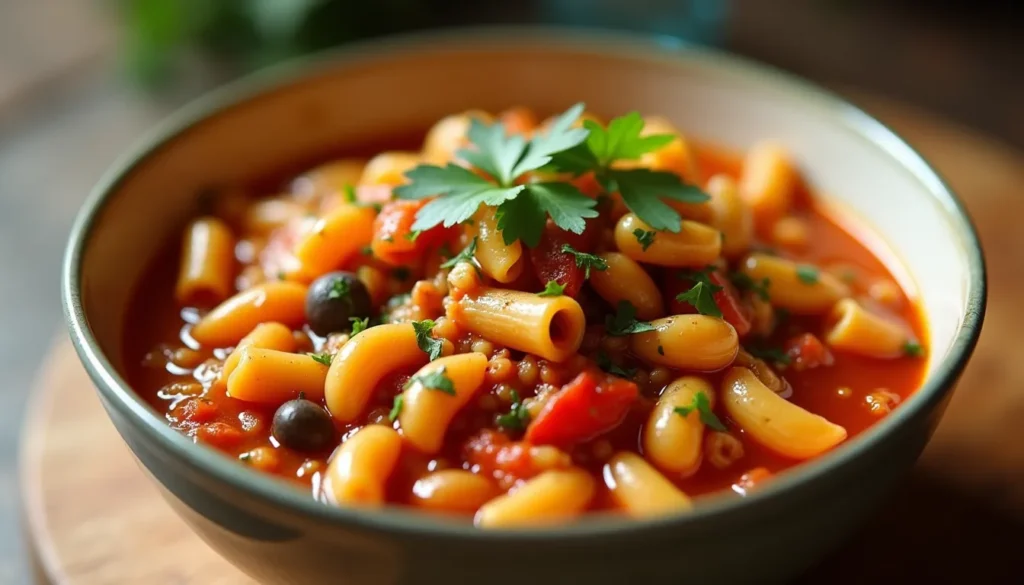
Looking for traditional italian pasta fagioli recipe, hearty soup that’s rich in flavor and tradition? This Traditional Italian Pasta Fagioli Recipe is a classic favorite that has warmed Italian homes for generations. 🍅🥬
Packed with tender pasta, creamy beans, fresh vegetables, and aromatic herbs, it’s perfect for chilly evenings, family dinners, or weekly meal prep. And best of all, this Traditional Italian Pasta Fagioli Recipe is completely wine-free, focusing on bold, natural flavors that let each ingredient shine.
Whether you’re seeking comfort food on a cold winter night or need a nutritious meal that feeds a crowd, this soup delivers on every level. It’s economical, nourishing, and incredibly satisfying—everything a traditional Italian dish should be.
💡 Fun Fact: Pasta Fagioli (pronounced “pasta fazool” in Italian-American dialect) means “pasta and beans” in Italian. This humble peasant dish has been a staple in Italian homes for centuries, particularly in regions like Tuscany and Naples. It’s celebrated for its simplicity, heartiness, and incredible versatility, transforming basic pantry staples into a meal that’s far greater than the sum of its parts.
The beauty of this Traditional Italian Pasta Fagioli Recipe lies in its adaptability. Every Italian grandmother has her own version, passed down through generations. Some make it brothy and light, others thick and stew-like. Some add meat, others keep it vegetarian. The recipe adapts to what’s available, what’s seasonal, and what the family prefers.
This version honors traditional methods while being approachable for modern home cooks. It’s a true one-pot wonder that requires minimal skill but delivers maximum flavor and comfort. 🌟
Ready to bring authentic Italian comfort to your kitchen? Let’s explore this timeless Traditional Italian Pasta Fagioli Recipe! 🍝✨
Table of Contents
⏱️ Recipe Overview
| Step | Time | Difficulty | Servings |
|---|---|---|---|
| Prep | 15 mins | Easy 👩🍳 | 6 servings |
| Cook | 40 mins | Beginner-friendly | — |
| Total | 55 mins | Simple | — |
This Traditional Italian Pasta Fagioli Recipe is remarkably straightforward, making it perfect for weeknight dinners or lazy weekend cooking. With under an hour from start to finish, you’ll have a pot of soul-warming soup that tastes like it’s been simmering all day.
The recipe requires basic cooking techniques—chopping vegetables, sautéing aromatics, and simmering—that even novice cooks can master easily. It’s forgiving, flexible, and nearly impossible to mess up.
Better yet, this soup actually improves with time. The flavors meld and deepen as it sits, making it ideal for meal prep. Make a big batch on Sunday and enjoy it throughout the week, with each bowl tasting even better than the last.
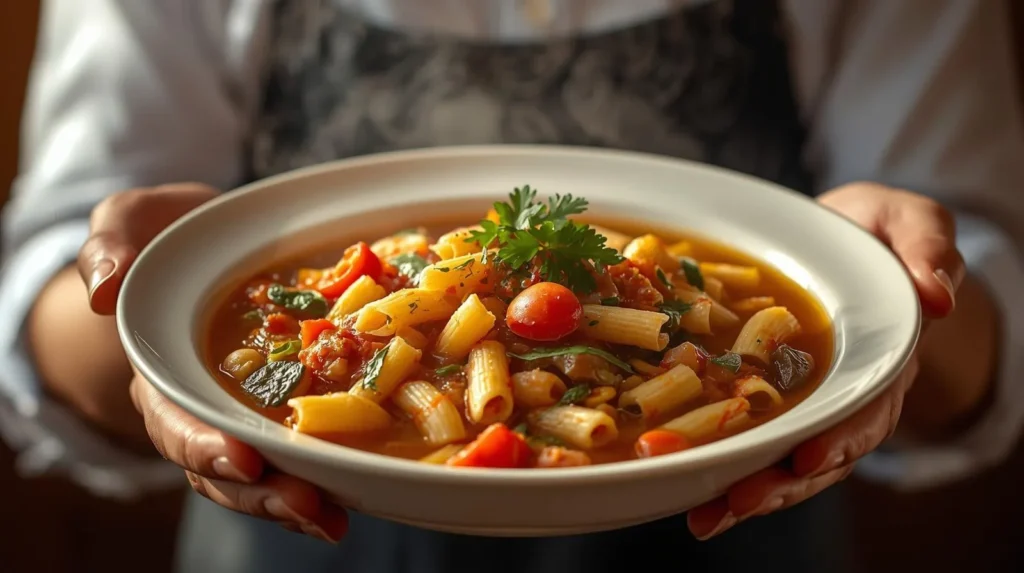
🥄 Ingredients for Traditional Italian Pasta Fagioli Recipe
Core Ingredients
| Ingredient | Quantity | Notes |
|---|---|---|
| Olive oil | 2 tbsp | Extra virgin for best flavor 🌿 |
| Onion | 1 medium | Yellow or white, chopped 🧅 |
| Carrots | 2 medium | Peeled and diced 🥕 |
| Celery | 2 stalks | Diced 🥬 |
| Garlic | 3 cloves | Minced (or more to taste) 🧄 |
| Canned diced tomatoes | 1 can (14 oz) | San Marzano preferred 🍅 |
| Cannellini beans | 2 cups | Cooked or canned (about 2 cans) |
| Chicken or vegetable broth | 6 cups | Low-sodium recommended 🥣 |
| Ditalini pasta | 1 cup | Small soup pasta 🍝 |
| Fresh parsley | ¼ cup | Chopped, for garnish 🌿 |
| Italian seasoning | 1 tsp | Or mix of oregano and basil |
| Bay leaves | 2 | Adds depth |
| Salt & pepper | To taste | Essential seasoning |
| Parmesan cheese | ¼ cup | Optional topping 🧀 |
Optional Additions
| Ingredient | Purpose | Impact |
|---|---|---|
| Pancetta or bacon | Richness | Smoky, meaty depth |
| Italian sausage | Heartiness | Protein boost |
| Fresh rosemary | Aromatics | Earthy fragrance 🌿 |
| Red pepper flakes | Heat | Spicy kick 🌶️ |
| Fresh basil | Brightness | Herbaceous finish |
| Tomato paste | Depth | Concentrated tomato flavor |
| Kale or spinach | Nutrition | Added greens 🥬 |
Chef Tip (Gordon Ramsay):
“Fresh vegetables and quality beans make all the difference. Don’t rush the simmering—let the flavors develop naturally. This isn’t fast food; it’s soul food. Patience rewards you with depth and complexity.” 👨🍳
Ingredient Selection Guide
Beans:
Cannellini beans (white kidney beans) are traditional and preferred for their creamy texture. Great Northern beans or navy beans work as substitutes. For authentic flavor, use dried beans that you’ve soaked overnight and cooked until tender. Canned beans are convenient and work beautifully—just rinse them well to remove excess sodium and that canned taste.
Pasta:
Ditalini (“little thimbles”) is the classic choice for this Traditional Italian Pasta Fagioli Recipe. These small, tube-shaped pasta pieces are perfect for soup, easy to eat with a spoon, and absorb the flavorful broth beautifully. Substitutes include small shells, elbows, orzo, or broken spaghetti.
Tomatoes:
San Marzano tomatoes from Italy are the gold standard—sweet, low-acid, and intensely flavored. If unavailable, any good-quality canned diced tomatoes work well. Avoid tomatoes with added seasonings; you want control over the flavor profile.
Broth:
Homemade broth is ideal but not necessary. Use low-sodium store-bought broth so you can control seasoning. Chicken broth adds richness; vegetable broth keeps it vegetarian. For deeper flavor, use half broth and half water with a parmesan rind added during simmering.
Aromatics:
The Italian “soffritto” (onion, carrot, celery) forms the flavor foundation. Don’t skip these vegetables—they’re essential for authentic taste. Fresh garlic is non-negotiable; garlic powder can’t replicate the aromatic punch of fresh cloves.
🍲 How to Make Traditional Italian Pasta Fagioli Recipe
1️⃣ Saute the Base (Soffritto)
Heat 2 tablespoons of extra virgin olive oil in a large, heavy-bottomed pot or Dutch oven over medium heat. The pot should be large enough to hold at least 8 cups of liquid comfortably.
Once the oil shimmers (but before it smokes), add the chopped onion, diced carrots, and diced celery. This holy trinity of Italian cooking is called “soffritto,” and it forms the aromatic base of countless Italian dishes.
Sauté for 5–7 minutes, stirring occasionally, until vegetables soften and become translucent. The onions should turn golden but not brown. The carrots and celery should lose their raw crunch. This gentle cooking releases the vegetables’ natural sugars, creating a sweet, aromatic foundation. 🥕🧅
Don’t rush this step! Proper sautéing develops flavor complexity that you can’t achieve by simply boiling everything together.
Chef Tip: Add a pinch of salt while sautéing vegetables. Salt draws out moisture and helps vegetables cook more evenly while intensifying their natural flavors.
2️⃣ Add Garlic & Seasonings
Once vegetables are softened, add the minced garlic and Italian seasoning (or dried oregano and basil). Stir constantly and cook for just 1 minute until the garlic becomes fragrant and aromatic. 🧄🌿
Garlic burns easily and turns bitter when overcooked, so watch it carefully. The moment you smell that irresistible garlic aroma filling your kitchen, it’s ready for the next step.
If using fresh rosemary, add a small sprig at this stage. If adding red pepper flakes for heat, stir them in now so they bloom in the oil and distribute their spice throughout the soup.
Chef Tip (Jamie Oliver):
“Garlic needs just a minute in the pan—any longer and it goes from fragrant to acrid. Add it after the other vegetables have softened, not at the beginning.” 🌟
3️⃣ Combine Tomatoes & Broth
Add the canned diced tomatoes with their juices to the pot. If using tomato paste for extra depth (1–2 tablespoons), stir it in now and cook for 1 minute to remove the raw taste.
Pour in the chicken or vegetable broth, stirring well to combine all ingredients. Add bay leaves at this point—they’ll infuse the soup with subtle, aromatic depth as it simmers. 🍅
Increase heat to medium-high and bring the mixture to a gentle boil, then immediately reduce heat to low-medium for a steady simmer. You want gentle bubbling, not a rolling boil.
Season lightly with salt and pepper at this stage, but don’t fully season yet—flavors will concentrate as the soup reduces, and you’ll adjust seasoning at the end.
Cover the pot partially (leaving a small gap for steam to escape) and simmer for 15–20 minutes. This allows vegetables to fully soften and flavors to meld beautifully.
Why Simmer Matters:
This gentle cooking extracts flavors from vegetables and herbs while allowing broth to reduce slightly, concentrating taste. It’s the difference between watery soup and rich, flavorful Traditional Italian Pasta Fagioli Recipe.
4️⃣ Add Beans & Pasta
After the broth has simmered and vegetables are tender, stir in the cannellini beans. If using canned beans, drain and rinse them first to remove excess salt and that metallic canned taste. If using home-cooked beans, add them with some of their cooking liquid for extra creaminess.
For traditional texture, some Italian cooks mash about ½ cup of beans against the side of the pot with a spoon or potato masher. This releases starches that naturally thicken the soup, creating a creamier consistency without adding cream.
Add the ditalini pasta (or your chosen small pasta) and stir well to prevent sticking. Make sure the pasta is fully submerged in liquid. If the soup looks too thick, add ½–1 cup more broth or water.
Continue simmering uncovered for 10–15 minutes, stirring occasionally, until traditional italian pasta fagioli recipe is al dente (tender but with slight bite). The pasta will continue absorbing liquid and softening even after you remove the pot from heat. 🍝
Critical Pasta Tip:
Never add pasta to soup that you plan to store as leftovers! Pasta continues absorbing liquid as it sits, turning your soup into thick sludge. For meal prep, cook pasta separately and add it to individual bowls when serving. This keeps the soup perfect for days.
5️⃣ Finish & Serve
Once pasta reaches al dente texture, taste and adjust seasoning. Add salt and pepper as needed—this is when you perfect the flavor balance.
Remove bay leaves (they’re not meant to be eaten). Stir in fresh chopped parsley, which adds brightness and fresh herb flavor that balances the hearty beans and pasta. Some cooks also add a handful of fresh basil at this stage for extra Italian flair. 🌿
Remove the pot from heat and let it rest for 5 minutes before serving. This brief rest allows flavors to settle and soup to thicken slightly.
Ladle hot soup into bowls. Drizzle each serving with a swirl of good extra virgin olive oil—this traditional touch adds richness and authentic Italian flavor. Top with grated Parmesan cheese if desired, and garnish with additional fresh parsley. 🥣✨
Serve immediately while hot and fresh. Pass crusty bread for dipping—it’s essential for the complete Traditional Italian Pasta Fagioli Recipe experience!
Chef Tip (Ina Garten):
“Use a mix of white beans for extra creaminess and small pasta shapes that absorb the flavors beautifully. Fresh herbs added at the very end brighten the entire dish and make it taste restaurant-quality.” 🌿
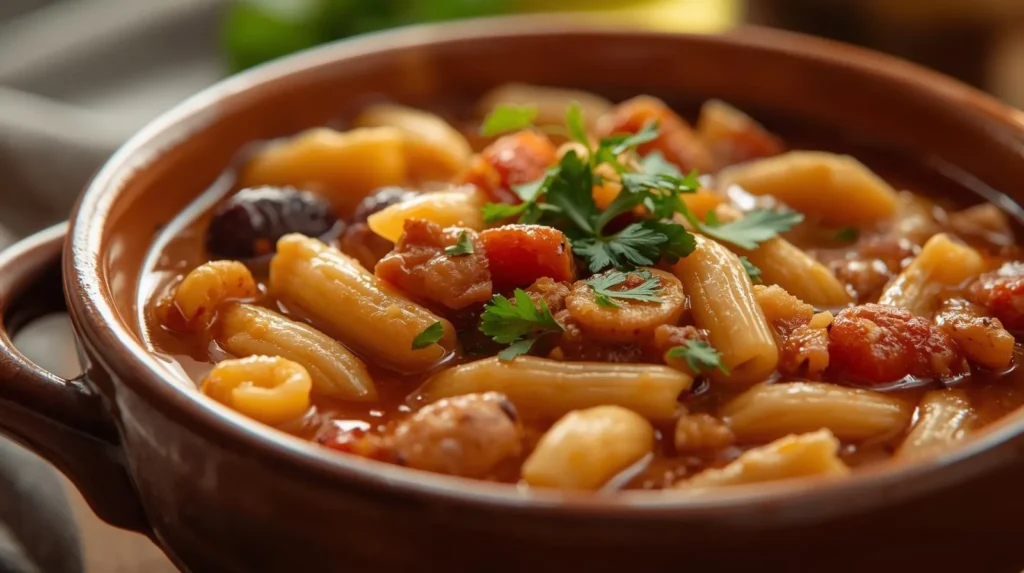
💡 Variations for Traditional Italian Pasta Fagioli Recipe
The beauty of this Traditional Italian Pasta Fagioli Recipe is its incredible versatility. Here are creative variations to suit different preferences:
| Variation | Ingredients | Twist |
|---|---|---|
| 🥬 Vegetarian | Use vegetable broth, no meat | Meat-free, hearty |
| 🌶️ Spicy | Add red pepper flakes, hot Italian sausage | Adds heat and kick |
| 🍅 Tomato-Free | Use extra broth and beans only | Lighter, creamy white version |
| 🥓 Meaty | Add diced pancetta, bacon, or Italian sausage | Richer, savory depth |
| 🥄 Creamy | Blend a portion of beans before adding | Thick, creamy texture |
| 🥬 Super Green | Add kale, spinach, or escarole | Nutritional boost |
| 🧀 Extra Cheesy | Stir in parmesan rind while cooking | Deep umami flavor |
| 🌿 Herb Garden | Fresh basil, thyme, rosemary | Herbaceous complexity |
Detailed Variation Recipes
Pasta e Fagioli with Pancetta (Classic Italian):
This richer version starts by rendering 4 ounces diced pancetta or bacon in your pot before adding vegetables. The rendered fat replaces some olive oil and adds incredible smoky, savory depth. This is how many traditional Italian families make their Traditional Italian Pasta Fagioli Recipe.
Spicy Pasta Fagioli:
Add ½–1 teaspoon red pepper flakes with the garlic. Replace regular Italian sausage with hot Italian sausage (remove casings and crumble). Top with extra red pepper flakes and a drizzle of spicy oil. Perfect for those who love heat! 🌶️
Creamy White Pasta Fagioli:
Omit tomatoes entirely. Increase broth by 1 cup. Before adding traditional italian pasta fagioli recipe , blend 1 cup of cooked beans with 1 cup broth until smooth, then stir back into soup. This creates a luxuriously creamy, white version that’s equally traditional in some Italian regions.
Tuscan Pasta Fagioli with Kale:
Add 2 cups chopped kale or cavolo nero (Tuscan kale) during the last 10 minutes of cooking. The greens wilt into the soup, adding nutrition, color, and earthy flavor. Very traditional in Tuscany, where kale grows abundantly.
Protein-Packed Pasta Fagioli:
Brown 1 pound Italian sausage (mild or hot) before adding vegetables. Remove and set aside, then proceed with recipe. Return cooked sausage with the beans. Alternatively, add shredded rotisserie chicken during the last 5 minutes of cooking.
Vegetarian/Vegan Pasta Fagioli:
Use vegetable broth and add a parmesan rind (skip for vegan) while simmering for depth. Add nutritional yeast for umami flavor. Skip cheese topping or use vegan parmesan. Add extra vegetables like zucchini, bell peppers, or mushrooms for heartiness. 🌱
📊 Nutrition Facts (Per Serving)
| Nutrient | Amount | % Daily Value |
|---|---|---|
| Calories | ~250 | 13% |
| Carbohydrates | 35g | 12% |
| Protein | 12g | 24% |
| Total Fat | 7g | 9% |
| Saturated Fat | 1.5g | 8% |
| Fiber | 8g | 29% |
| Sodium | 600mg | 26% |
| Sugar | 5g | — |
| Iron | 3mg | 17% |
💡 Nutrition Tip: For extra protein, add shredded chicken, Italian sausage, or an extra can of beans. This Traditional Italian Pasta Fagioli Recipe is already high in fiber and plant-based protein, making it incredibly nutritious and filling. 🍗
Health Benefits:
This soup is nutritionally impressive:
- High Fiber: Beans provide substantial fiber for digestive health and sustained energy
- Lean Protein: Beans and pasta combine for complete protein
- Vitamins & Minerals: Vegetables contribute vitamins A, C, K, and potassium
- Low Fat: Naturally low in fat with heart-healthy olive oil
- Complex Carbs: Pasta and beans provide long-lasting energy
- Iron & Folate: Beans are excellent sources of these essential nutrients
Making It Healthier:
- Use whole wheat or legume-based pasta for extra fiber
- Reduce pasta to ¾ cup and add more beans
- Load up on vegetables—add zucchini, peppers, or spinach
- Use low-sodium broth and limit added salt
- Skip cheese topping or use it sparingly
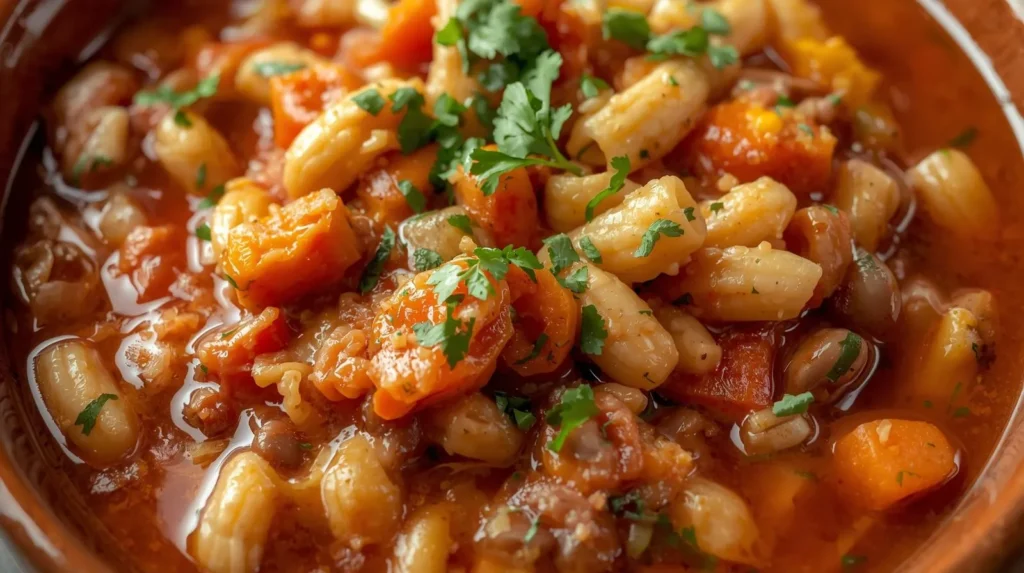
🔥 Pro Tips for Perfect Traditional Italian Pasta Fagioli Recipe
Essential Cooking Tips
✅ Simmer slowly for maximum flavor development
Rushing ruins soup. Low, gentle simmering extracts flavors from vegetables and herbs while allowing ingredients to marry. High heat creates watery, bland soup. Patience creates depth.
✅ Use fresh parsley and basil for brightness 🌿
Dried herbs work during cooking, but fresh herbs added at the end transform the soup from good to exceptional. They add bright, fresh notes that balance the hearty beans and traditional italian pasta fagioli recipe .
✅ Avoid overcooking pasta—add towards the end to prevent mushiness 🍝
Pasta continues cooking in hot liquid even after removing from heat. Slightly undercook it (1-2 minutes less than package directions) for perfect texture.
✅ Customize beans and pasta shapes to suit your preference
Don’t have ditalini? Use small shells, elbows, or orzo. Can’t find cannellini? Try great northern, navy beans, or even chickpeas. This recipe is wonderfully forgiving.
✅ Store leftovers properly: refrigerate up to 3 days, freeze up to 2 months ❄️
Cool soup completely before refrigerating. Store in airtight containers. For freezing, omit traditional italian pasta fagioli recipe (add fresh when reheating) for best texture.
Advanced Techniques
The Parmesan Rind Secret:
Save parmesan rinds in your freezer. Add one to the soup while simmering—it melts slowly, releasing deep umami flavor and creating richness without cream. Remove before serving.
Bean Mashing Technique:
For naturally thicker soup without flour or cream, mash ½–1 cup beans against the pot’s side with a wooden spoon. The released starches thicken the broth beautifully.
Layering Flavors:
Season at multiple stages—lightly when sautéing vegetables, moderately when adding broth, and finally to perfection at the end. This builds complex, well-rounded flavor.
The Finishing Touch:
Just before serving, drizzle each bowl with your best extra virgin olive oil. This traditional Italian finishing touch adds richness, fruity flavor, and authentic restaurant quality.
Bread for Thickening:
Some traditional recipes add stale bread during simmering, which dissolves and naturally thickens the soup. This ancient technique adds body and prevents waste.
Chef Tip (Lidia Bastianich):
“In Italy, we say ‘Pasta Fagioli is as personal as a signature.’ Every family has their version. Don’t be afraid to make this recipe your own—adjust thickness, add vegetables you love, use your favorite beans. That’s the Italian way.” 👩🍳
Common Mistakes to Avoid
❌ Adding pasta too early: Results in mushy, overcooked pasta
❌ Not sautéing vegetables properly: Creates flat, underdeveloped flavor
❌ Using high heat: Boiling instead of simmering ruins texture
❌ Over-seasoning early: Flavors concentrate as liquid reduces
❌ Skipping the olive oil finish: Misses authentic Italian touch
❌ Storing with pasta: Creates thick, gluey leftovers
❌ Using poor-quality broth: Foundation flavors matter
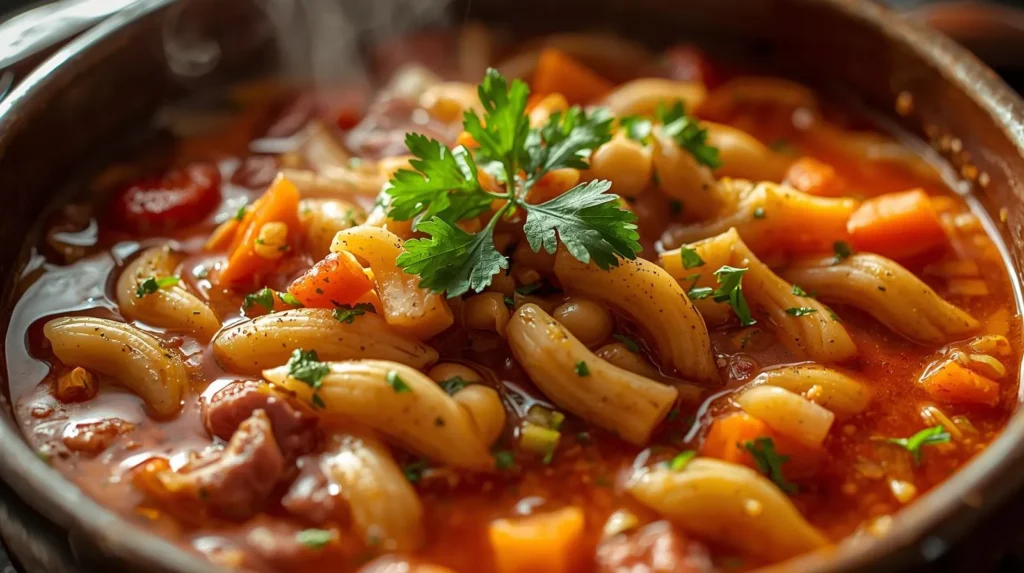
🌍 The History of Traditional Italian Pasta Fagioli Recipe
Understanding the rich history of Traditional Italian Pasta Fagioli Recipe deepens appreciation for this beloved dish.
Pasta e Fagioli has ancient roots in Italian culinary history, dating back to Roman times when beans and grains formed the dietary foundation for common people. Romans ate a dish called “pulmentum,” a bean porridge that’s the ancestor of modern traditional italian pasta fagioli recipe .
During the Renaissance, when traditional italian pasta fagioli recipe became widespread in Italy, cooks combined it with beans—both being inexpensive, filling ingredients available to peasants and working-class families. This combination created a complete protein source that sustained generations of Italian workers.
The dish varies significantly by region:
In Veneto (Northern Italy): traditional italian pasta fagioli recipe is thick, almost stew-like, often made with borlotti beans and sometimes flavored with a soffritto of bacon or pancetta.
In Campania (Naples region): The soup is brothier, made with cannellini beans, ditalini pasta, and often includes a ham bone for flavor.
In Tuscany: The version includes cavolo nero (Tuscan kale) and is hearty, rustic, and thick enough to eat with a fork.
Italian immigrants brought pasta fagioli to America in the early 20th century, where it became a staple of Italian-American cuisine. The pronunciation evolved to “pasta fazool” in Italian-American dialect, and the dish became popular beyond Italian communities.
During difficult economic times—the Great Depression, post-war periods—traditional italian pasta fagioli recipe sustained families because it transformed humble pantry staples into filling, nutritious meals. Its ability to stretch ingredients while delivering satisfaction earned it the nickname “cucina povera” (peasant cooking), a term now celebrated for its wisdom and resourcefulness.
Today, this Traditional Italian Pasta Fagioli Recipe is enjoyed worldwide, from humble home kitchens to upscale Italian restaurants. It represents Italian cooking philosophy at its finest: simple ingredients, traditional techniques, and generous portions create extraordinary flavor.
👨🍳 Expert Chef Insights
From Renowned Chefs
Chef Massimo Bottura (Osteria Francescana):
“Pasta e Fagioli teaches us that Italian cuisine’s greatest strength is its simplicity. We don’t need fancy ingredients or complicated techniques—just respect for tradition and quality ingredients. This is the soul of Italian cooking.” 🌟
Chef Mario Batali:
“The best pasta fagioli I ever had was in a tiny trattoria in Tuscany, made by a nonna who’d been making it the same way for 60 years. It taught me that some recipes don’t need innovation—they need preservation.”
Chef Giada De Laurentiis:
“What makes this soup special is how the pasta absorbs the flavorful broth while the beans create natural creaminess. It’s comfort in a bowl, and every Italian family has their own cherished version.” 🍝
Chef Emeril Lagasse:
“Don’t be shy with garlic and herbs. This is rustic Italian cooking—it should be bold and flavorful. And always, always finish with good olive oil. That’s what separates authentic from average.”
Traditional Italian Wisdom
From Italian Grandmothers (Nonnas):
Italian grandmothers insist on several non-negotiable rules for authentic traditional italian pasta fagioli recipe:
- Never rush: Slow cooking develops flavor that hurrying can’t achieve
- Good ingredients: Fresh vegetables, quality beans, real olive oil
- Bread for serving: Crusty bread for dipping is mandatory
- Make enough: Leftovers taste even better the next day
- Share generously: Food is love, and soup feeds both body and soul
Regional Variations:
Ask ten Italian cooks how to make pasta fagioli and you’ll get ten different answers. Some add tomatoes, others don’t. Some use pasta, others prefer broken spaghetti. Some make it thick, others brothy. All are “correct” because they represent family tradition.
🍽️ Serving Suggestions
Perfect Accompaniments
Bread Options:
- Crusty Italian bread or ciabatta 🥖
- Garlic bread or garlic knots
- Focaccia with rosemary
- Olive oil and herb dipping bread
- Toasted baguette slices
The bread isn’t just a side—it’s essential for the complete experience! Use it to soak up every drop of flavorful broth.
Salads:
- Simple mixed green salad with balsamic vinaigrette 🥗
- Caesar salad (classic Italian-American pairing)
- Caprese salad with fresh mozzarella and tomatoes
- Arugula salad with lemon and parmesan
- Italian chopped salad with salami and provolone
Beverages:
- Sparkling water with lemon
- Italian sodas (non-alcoholic)
- Iced tea with lemon
- Fresh lemonade
- Herbal tea
Presentation Ideas
Rustic Family Style:
Serve this Traditional Italian Pasta Fagioli Recipe in a large tureen at the table, letting everyone ladle their own portions. Place bowls of grated parmesan, red pepper flakes, and fresh herbs on the table for customization. Pass crusty bread in a basket. This creates an authentic Italian family dining experience.
Elegant Dinner Party:
Ladle soup into shallow bowls. Drizzle with premium olive oil in a decorative swirl. Add a small basil leaf garnish and freshly cracked black pepper. Serve with grilled bread brushed with garlic oil. This elevates the humble soup to restaurant-quality presentation.
Cozy Weeknight:
Serve in large, deep bowls with plenty of bread on the side. Keep it simple and comforting—no fuss, just delicious, warming soup after a long day.
Meal Prep Containers:
Portion soup into individual containers (remember: store traditional italian pasta fagioli recipe separately if making ahead). Pack bread separately so it stays crusty. Add a small container of parmesan and fresh herbs. Perfect grab-and-go lunches that feel homemade and special.
🌟 Seasonal Variations
Spring Pasta Fagioli
Add fresh spring vegetables: asparagus tips, peas, baby spinach, and fresh mint alongside the parsley. Use vegetable broth for lighter flavor. Top with lemon zest for brightness. 🌸
Summer Pasta Fagioli
Incorporate summer squash, zucchini, and fresh tomatoes instead of canned. Add fresh basil generously. Serve at room temperature for a unique warm-weather version.
Fall Pasta Fagioli
Add butternut squash cubes and kale. Use sage alongside traditional herbs. Increase garlic for deeper, warming flavor. Perfect for crisp autumn evenings. 🍂
Winter Pasta Fagioli (Classic)
This is when Traditional Italian Pasta Fagioli Recipe truly shines! Make it thick and hearty. Add extra beans and vegetables. Serve piping hot with lots of crusty bread. The ultimate cold-weather comfort food. ❄️
👶 Kid-Friendly Tips
Making Traditional Italian Pasta Fagioli Recipe appealing to children:
Texture Modifications:
- Blend half the soup for creamier texture that hides vegetables
- Use smaller pasta shapes kids love (stars, alphabets)
- Mash all beans for smooth consistency
- Strain out large vegetable chunks if needed
Flavor Adjustments:
- Reduce garlic and herbs slightly
- Skip red pepper flakes
- Add more parmesan (kids love cheese!)
- Serve with fun-shaped crackers instead of crusty bread
Presentation Tricks:
- Serve in colorful bowls
- Let kids add their own toppings
- Cut bread into fun shapes with cookie cutters
- Make it a “pasta and bean treasure hunt”
Involvement:
Let kids help! They can:
- Measure pasta
- Rinse beans
- Tear herbs
- Stir the pot (supervised)
Children who help cook are more likely to eat what they’ve made!
🎉 Serving for Special Occasions
Holiday Gatherings
This Traditional Italian Pasta Fagioli Recipe is perfect for casual holiday entertaining:
Italian Christmas Eve (La Vigilia):
Many Italian families serve pasta fagioli as part of the traditional seven-fish feast’s vegetarian courses. It’s comforting, filling, and balances seafood dishes beautifully.
Sunday Family Dinners:
In Italy, Sunday lunch is sacred family time.traditional italian pasta fagioli recipe makes an excellent first course (primi) before the main dish. It’s traditional, satisfying, and feeds a crowd easily.
Soup Swap Parties:
Make a large batch for soup swap events. Portion into containers with reheating instructions. Include a note about storing traditional italian pasta fagioli recipe separately—share the wisdom!
❓ FAQs About Traditional Italian Pasta Fagioli Recipe
Q: Can I make this Traditional Italian Pasta Fagioli Recipe vegan?
A: Absolutely! Use vegetable broth instead of chicken broth and skip the Parmesan cheese topping, or substitute with nutritional yeast or vegan parmesan. Add a parmesan rind substitute (available at some stores) or extra herbs for depth. The soup remains rich, hearty, and delicious without any animal products. 🌱
Q: Can I prep this ahead of time?
A: Yes! This Traditional Italian Pasta Fagioli Recipe is perfect for meal prep. Cook the soup completely but don’t add pasta. Store soup base in the refrigerator for up to 3 days or freeze for up to 3 months. When ready to serve, reheat the soup, add pasta, and simmer until tender. This keeps pasta from getting mushy in storage. 🍲
Q: Can I use dried beans instead of canned?
A: Definitely! Dried beans actually provide better texture and flavor. Use 1 cup dried cannellini beans for this recipe. Soak them overnight in cold water, drain, then cook in fresh water until tender (1.5–2 hours). Use cooking liquid as part of your broth—it’s full of bean flavor and natural thickeners. 🥣
Q: What if I don’t have ditalini pasta?
A: No problem! Any small pasta shape works beautifully in this Traditional Italian Pasta Fagioli Recipe. Try small shells, elbows, orzo, tubetti, or even broken spaghetti pieces. The key is keeping pasta small so it’s easy to eat with a spoon and absorbs the flavorful broth.
Q: Can I add meat to this recipe?
A: Yes! Italian sausage, pancetta, bacon, or chicken work beautifully without overpowering the flavors. For pancetta or bacon, render it first and use the fat for sautéing vegetables. For sausage, brown it separately, then add with the beans. For chicken, add shredded rotisserie chicken during the last 5 minutes of cooking. 🥓🍗
Q: Why is my pasta fagioli too thin/too thick?
A: Thickness is personal preference in Traditional Italian Pasta Fagioli Recipe. For thicker soup: reduce broth by 1 cup, mash more beans, or add less pasta. For thinner soup: increase broth, add less beans and pasta, or don’t mash any beans. The soup also thickens as it sits—add more broth when reheating if needed.
Q: How do I store and reheat leftovers?
A: Cool completely, then store in airtight containers in the refrigerator for up to 3 days. The soup thickens significantly as pasta absorbs liquid. When reheating, add ½–1 cup broth or water to restore desired consistency. Reheat gently on the stovetop, stirring occasionally. Microwave individual portions in 1-minute intervals, stirring between.
Q: Can I freeze pasta fagioli?
A: Yes, but with a caveat: freeze the soup without pasta for best results. Pasta becomes mushy and grainy when frozen and thawed. Freeze the bean and vegetable base for up to 3 months. Thaw overnight in the refrigerator, reheat, then add fresh pasta. This ensures perfect texture every time. ❄️
Q: Is this soup gluten-free?
A: The soup base is naturally gluten-free, but traditional italian pasta fagioli recipe isn’t. For gluten-free Traditional Italian Pasta Fagioli Recipe, substitute with gluten-free small pasta shapes (many excellent options available) or use rice. Ensure your broth is certified gluten-free as some contain gluten additives.
Q: What wine pairs with pasta fagioli?
A: While this recipe is wine-free (no cooking wine needed), if serving wine alongside the meal, Italians traditionally pair pasta fagioli with light to medium-bodied red wines like Chianti, Sangiovese, or Montepulciano d’Abruzzo. White wine lovers might choose Pinot Grigio or Vermentino.
🏁 Conclusion
This Traditional Italian Pasta Fagioli Recipe is rich, hearty, and full of authentic Italian flavor that has comforted families for centuries. 🍝✨
Perfect for cozy nights, family meals, meal prep, or entertaining guests, it brings classic Italian comfort to your table—completely wine-free, completely delicious, and completely satisfying.
What makes this Traditional Italian Pasta Fagioli Recipe so special is its beautiful simplicity. Humble ingredients—beans, pasta, vegetables, herbs—transform through time, care, and tradition into something far greater than the sum of their parts. It’s proof that the best cooking doesn’t require expensive ingredients or complicated techniques, just respect for tradition and quality ingredients.
This is the kind of soup that fills your home with irresistible aromas, draws family to the table, and creates lasting memories. It’s the soup Italian grandmothers have been making for generations, and now you can make it too.
The recipe is endlessly adaptable—make it yours by adjusting thickness, adding vegetables you love, incorporating meat or keeping it vegetarian, making it spicy or mild. That’s the beauty of traditional recipes: they provide a foundation while welcoming personal touches.
Serve hot with crusty bread for dipping, enjoy every spoonful, and impress your friends and family with this timeless Italian favorite. Whether it’s a busy weeknight or a special gathering, this Traditional Italian Pasta Fagioli Recipe delivers comfort, nourishment, and authentic Italian flavor. 🌿🧄🍅
Make a big batch, share generously, and remember—in Italian cooking, food is love, and soup feeds both body and soul. Buon appetito! 🇮🇹
How did you find results our recipes
There are no reviews yet. Be the first one to write one.