Introduction
Craving a bold, flavorful chicken dish that’s both sweet and spicy?
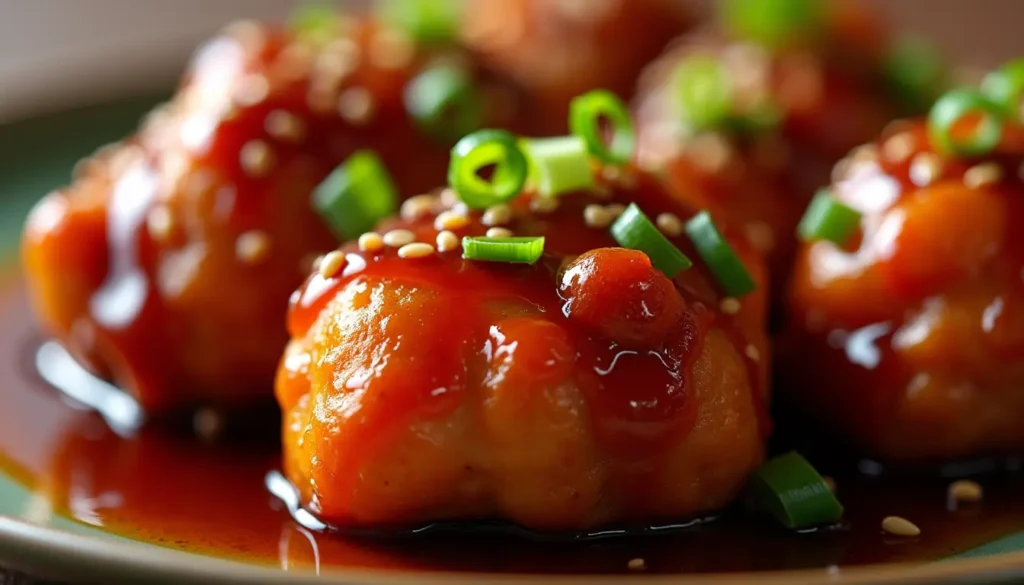
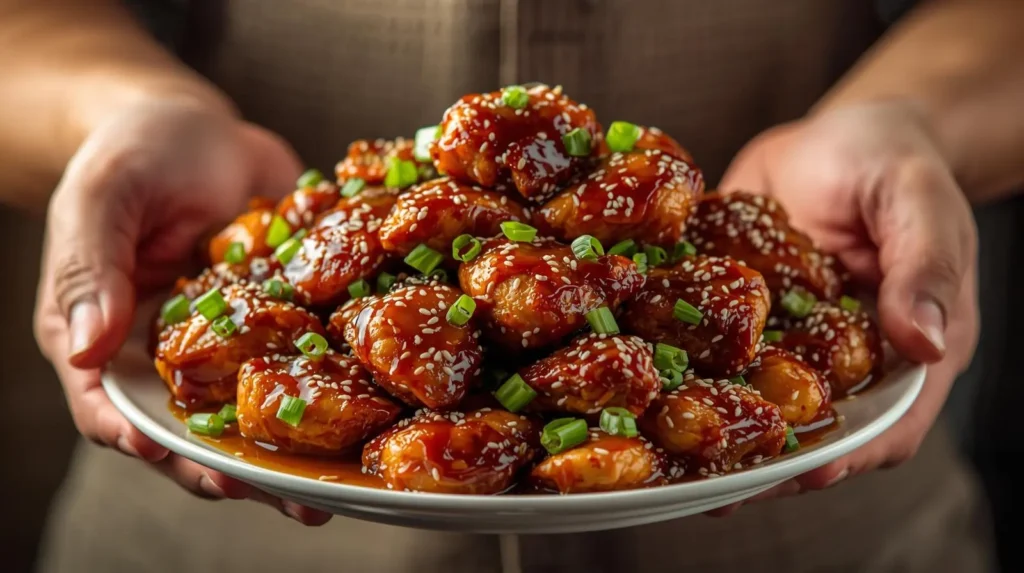
This teriyaki chicken recipe delivers sticky, caramelized perfection with just the right kick. The glossy, rich sauce clings to tender chicken pieces, creating an irresistible combination that rivals any restaurant dish.
Tested and perfected in my kitchen, this recipe balances sweet, spicy, and savory flavors seamlessly. After countless iterations, I’ve landed on the ideal ratio of ingredients that creates complex flavor without overwhelming your palate.
Whether you’re new to cooking Asian-inspired dishes or a seasoned home chef looking for a reliable teriyaki chicken recipe, this guide has everything you need. We’ll walk through selecting the best ingredients, mastering proper cooking techniques, exploring delicious variations, and answering common questions.
You’ll discover why this teriyaki chicken recipe stands apart from others, learn chef-approved techniques for maximum flavor, and get practical tips that guarantee success every single time. By the end, you’ll have the confidence to create restaurant-quality teriyaki chicken in your own kitchen.
Let’s dive into what makes this sweet and spicy teriyaki chicken so incredibly delicious.
Table of Contents
Why This Teriyaki Chicken Recipe Works
This teriyaki chicken recipe succeeds because it focuses on the perfect balance of sweet and spicy elements while ensuring tender, juicy chicken and rich umami flavors.
The sauce combines traditional sweet teriyaki components with a measured amount of heat that enhances rather than overwhelms. You’ll taste the sweetness first, followed by savory depth, then a gentle warmth that lingers pleasantly.
Here’s what makes this recipe special:
Uses simple, easy-to-find ingredients. Everything you need is available at your local grocery store. No exotic specialty items or hard-to-source ingredients required. You probably already have most of these pantry staples on hand.
Quick to prep and cook — perfect for weeknights. From start to finish, including marinating time, you can have dinner ready in under an hour. The actual hands-on cooking time is only about 20 minutes, making this ideal for busy schedules.
Can be paired with rice, noodles, or vegetables. This versatility means you can create different meals throughout the week using the same base recipe. Monday it’s teriyaki chicken over rice, Wednesday it’s teriyaki chicken stir-fry, and Friday it’s teriyaki chicken noodle bowls.
Chef Tip from Masaharu Morimoto: “Marinate chicken for at least 30 minutes for deeper flavor and juicier meat.”
The cooking method itself contributes significantly to this recipe’s success. Searing the chicken first creates a beautiful caramelized exterior while the interior stays moist. Then simmering in the sauce allows the flavors to penetrate deeply while the sauce reduces to a glossy, sticky glaze.
Unlike store-bought teriyaki sauce, this homemade version lets you control the sweetness, saltiness, and heat levels. You can adjust ingredients to match your family’s preferences perfectly.
The combination of chicken thighs or breasts with this particular sauce creates protein that’s flavorful enough to be the star of your meal yet versatile enough to complement various side dishes.
This recipe also scales beautifully. Double it for meal prep, halve it for a romantic dinner for two, or keep it as written for a family of four. The proportions remain balanced regardless of batch size.
Ingredients & Prep
Gathering quality ingredients and proper prep work sets the foundation for exceptional teriyaki chicken. Here’s everything you need:
| Ingredient | Quantity | Purpose |
|---|---|---|
| Chicken thighs or breasts | 1 lb | Main protein |
| Soy sauce | ½ cup | Umami & saltiness |
| Brown sugar or honey | ¼ cup | Sweetness & glaze |
| Rice vinegar | 2 tbsp | Balance acidity |
| Garlic, minced | 2 cloves | Aroma & depth |
| Ginger, minced | 1 tbsp | Spice & fragrance |
| Red chili flakes | ½ tsp | Heat |
| Sesame oil | 1 tsp | Nutty flavor |
| Cornstarch | 1 tsp | Optional, for thickening |
Chef Advice from Gordon Ramsay: “Sear chicken over high heat first to lock in juices, then simmer in sauce.”
Choosing Your Chicken
Chicken thighs are the preferred choice for this teriyaki chicken recipe. They contain more fat than breasts, which means they stay juicier during cooking and have richer flavor. The dark meat also stands up better to the bold sauce without being overwhelmed.
If you prefer chicken breasts, they work perfectly fine but require slightly more attention to avoid overcooking. Breasts dry out faster, so watch your cooking time carefully and consider pounding them to even thickness for uniform cooking.
Boneless, skinless cuts are ideal for this recipe. They cook quickly, absorb marinade efficiently, and are easy to eat. Save bone-in or skin-on chicken for other preparations.
Look for chicken that’s pink with no gray spots, firm to the touch, and free from strong odors. Fresh chicken makes a noticeable difference in the final dish’s texture and flavor.
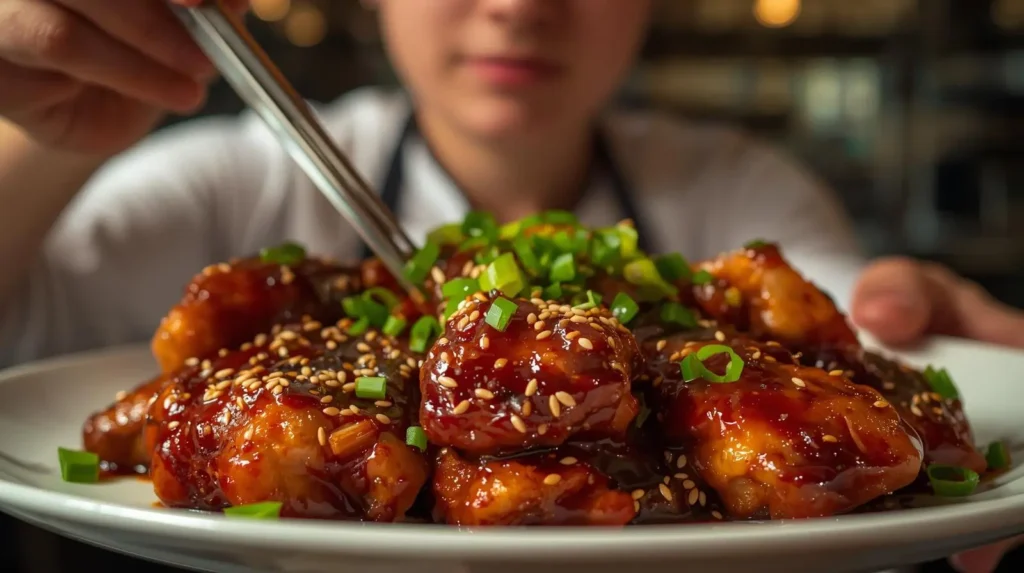
Understanding the Sauce Components
Soy sauce forms the salty, umami foundation of teriyaki sauce. Use regular soy sauce rather than low-sodium for authentic flavor, but you can reduce the quantity slightly if you’re sodium-sensitive. Dark soy sauce creates deeper color while light soy sauce offers cleaner flavor.
Brown sugar provides molasses-rich sweetness and helps create that signature sticky glaze. Honey works as a substitute and adds floral notes. Some cooks prefer a combination of both for complexity.
Rice vinegar brings essential acidity that prevents the sauce from tasting one-dimensional. It brightens the heavy sweet and salty elements and adds a subtle tang. Don’t substitute with distilled white vinegar, which is too harsh.
Fresh garlic and ginger are non-negotiable. Jarred versions lack the aromatic intensity that fresh provides. Mince them finely so they distribute evenly throughout the sauce.
Red chili flakes introduce controlled heat. Start with the recommended amount and adjust based on your spice tolerance. You can always add more but can’t remove it once added.
Sesame oil contributes nutty depth that makes the dish taste authentically Asian. A little goes a long way—too much overwhelms other flavors.
Cornstarch is optional but helpful for achieving restaurant-style glossy thickness. It creates that clingy consistency that coats chicken beautifully.
Prep Work Essentials
Trim excess fat from chicken pieces but don’t remove all fat—some contributes to flavor and moisture. Pat chicken completely dry with paper towels. Moisture on the surface prevents proper searing and creates steam instead of caramelization.
Mince garlic and ginger as finely as possible. Large chunks don’t distribute evenly and can burn during cooking. A microplane grater works wonderfully for ginger.
Measure all ingredients before you begin cooking. Having everything ready (mise en place) makes the cooking process smooth and prevents burnt sauce while you’re frantically searching for an ingredient.
If using cornstarch for thickening, mix it with cold water before adding to hot sauce. This creates a slurry that incorporates smoothly without lumps.
Ingredient Substitutions
Can’t find rice vinegar? Apple cider vinegar works as a substitute, though the flavor is slightly different. Use slightly less as it’s more assertive.
No brown sugar? White sugar plus a teaspoon of molasses mimics brown sugar’s flavor profile. Maple syrup also works in a pinch.
Fresh ginger unavailable? Ground ginger can substitute at a ratio of 1:3 (one teaspoon ground for every tablespoon fresh), but fresh is vastly superior.
For a gluten-free version, use tamari instead of soy sauce. It tastes nearly identical and is naturally gluten-free.
Step-by-Step Cooking Instructions
Follow these detailed steps to create perfect teriyaki chicken every time:
Prepping the Chicken
Start by trimming any excess fat or unwanted pieces from your chicken. While some fat is desirable for flavor, large fatty sections don’t render properly in this quick-cooking method.
Pat the chicken completely dry using paper towels. This crucial step ensures proper browning. Wet chicken steams instead of sears, resulting in gray, unappetizing meat without caramelization.
If using chicken breasts, consider butterflying thick pieces or pounding them to even thickness. This promotes uniform cooking so you don’t end up with dry edges and undercooked centers.
Cut chicken into uniform pieces if desired. Bite-sized chunks cook faster and absorb more sauce. Alternatively, leave pieces whole and slice after cooking for more dramatic presentation.
Season chicken lightly with salt and pepper before marinating. This base seasoning enhances the meat itself, not just the exterior coating.
Marinating
In a medium bowl, combine soy sauce, brown sugar or honey, rice vinegar, minced garlic, minced ginger, and red chili flakes. Whisk until sugar dissolves completely.
Add the sesame oil and stir to incorporate. The oil adds richness and helps the marinade cling to the chicken.
Place chicken pieces in the marinade, turning to coat all surfaces. Cover the bowl with plastic wrap or transfer everything to a zip-top bag for easier coating.
Marinate in the refrigerator for 30-60 minutes minimum. Thirty minutes provides good flavor penetration, while 60 minutes is ideal. You can marinate up to 4 hours, but beyond that, the acid in the vinegar begins to affect the chicken’s texture negatively.
Reserve about one-third of the marinade in a separate container before adding raw chicken if you want extra sauce for serving. Never use marinade that touched raw chicken without cooking it first.
Remove chicken from the refrigerator 10-15 minutes before cooking. Room temperature chicken cooks more evenly than cold chicken straight from the fridge.
Cooking Method
Heat a large skillet or wok over medium-high heat. Add sesame oil and swirl to coat the cooking surface. The pan should be hot enough that a drop of water sizzles immediately upon contact.
Searing the Chicken:
Remove chicken from marinade, letting excess drip off but don’t wipe it dry. Place pieces in the hot pan, leaving space between them. Overcrowding lowers the pan temperature and causes steaming instead of searing.
Let chicken cook undisturbed for 3-4 minutes. Resist the urge to move it around. Proper searing requires sustained contact with the hot surface. You’ll know it’s ready to flip when it releases easily from the pan and has a golden-brown crust.
Flip chicken pieces and sear the other side for another 3-4 minutes. For thicker pieces, you may need to sear the edges as well by standing pieces on their sides briefly.
Simmering in Sauce:
Once chicken is seared on all sides, reduce heat to medium. Pour in the remaining marinade (or fresh sauce if you reserved the marinade).
The sauce should bubble gently and begin reducing immediately. Simmer for 5-10 minutes, flipping chicken occasionally to coat all sides evenly.
As the sauce reduces, it becomes glossy and thick. The sugar caramelizes slightly, creating that signature sticky texture. Watch carefully during the final minutes to prevent burning.
Optional Thickening:
If your sauce isn’t as thick as you’d like, mix 1 teaspoon cornstarch with 2 teaspoons cold water. Stir this slurry into the simmering sauce.
The sauce will thicken within 30-60 seconds. Add cornstarch gradually—you can always add more but can’t thin it back out without adding more liquid.
Chef Tip from Bobby Flay: “Brush sauce on chicken multiple times for a sticky, caramelized finish.”
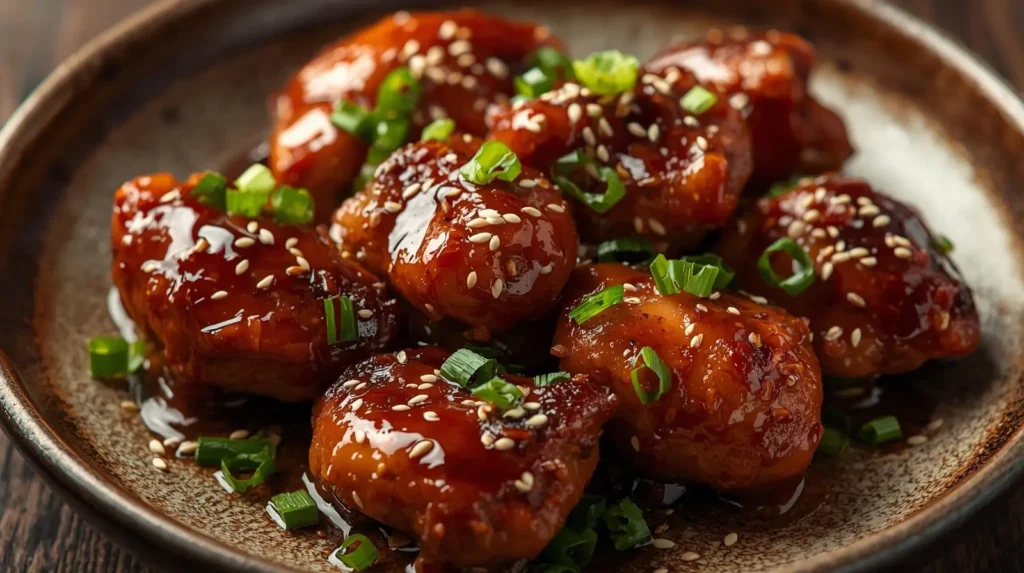
Finishing Touches
Once chicken reaches an internal temperature of 165°F and the sauce has thickened to your liking, remove from heat.
Let chicken rest for 3-5 minutes before slicing. This allows juices to redistribute throughout the meat rather than running out onto your cutting board.
If you kept chicken pieces whole, slice them diagonally into strips for attractive presentation. Arrange on a serving platter and drizzle with any remaining pan sauce.
For extra shine and flavor, brush warm chicken with a thin coating of additional sesame oil just before serving.
Troubleshooting Common Issues
Chicken too dry? You likely overcooked it. Use a meat thermometer and remove from heat at exactly 165°F. Remember that carryover cooking continues to raise the temperature a few degrees after removing from heat.
Sauce too thin? Continue simmering to reduce further, or use the cornstarch slurry method. Patience is key—sauce thickens considerably as it cools.
Sauce too thick or burnt? You cooked it too long at too high a temperature. Lower the heat and add a splash of water or chicken broth to thin and prevent burning.
Not enough caramelization? Your pan wasn’t hot enough, or you moved the chicken too soon. Let it sear undisturbed until a proper crust forms.
Flavor Variations
The beauty of this teriyaki chicken recipe lies in its adaptability. Here are delicious variations to keep things interesting:
| Variation | Ingredients to Add | Notes |
|---|---|---|
| Extra Spicy | Sriracha, cayenne | For heat lovers |
| Sweet Citrus | Orange or pineapple juice | Adds tropical sweetness |
| Garlic Lovers | Extra minced garlic | Intensifies flavor |
| Sesame Crunch | Toasted sesame seeds | Adds texture and aroma |
Extra Spicy Teriyaki Chicken
For those who love heat, transform this recipe into a fiery version. Add 1-2 tablespoons of sriracha to the marinade for tangy, garlicky heat.
Increase red chili flakes to 1 teaspoon or more based on your tolerance. Alternatively, add sliced fresh Thai chilies or jalapeños during cooking for fresh, bright heat.
A pinch of cayenne pepper provides pure heat without changing the flavor profile. Start with ⅛ teaspoon and increase gradually.
Consider garnishing with sliced fresh chilies for visual appeal and an extra kick. The combination of sweet, spicy, and sticky creates addictive flavor.
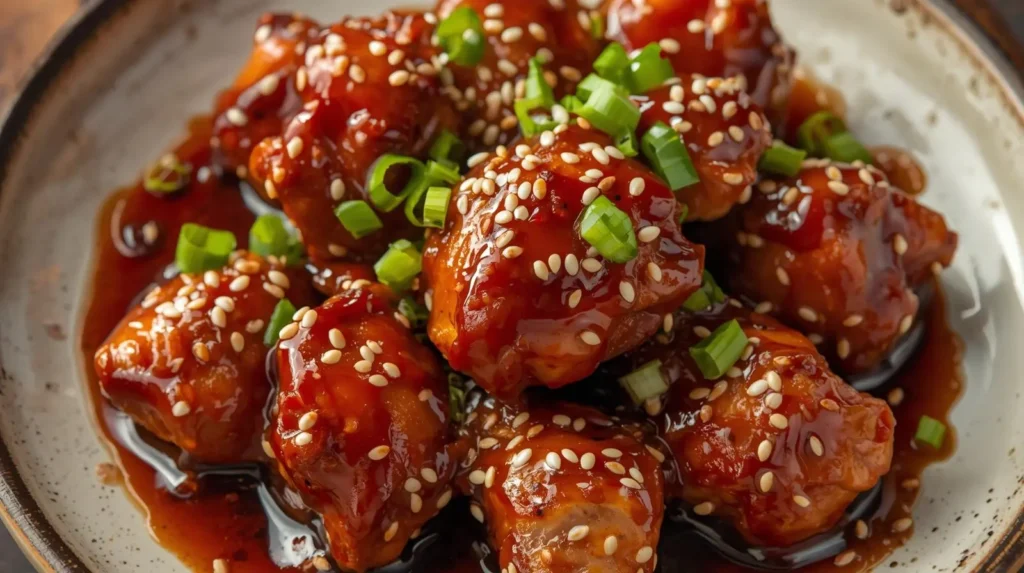
Sweet Citrus Teriyaki Chicken
Citrus brings brightness and tropical flair to traditional teriyaki. Replace 2 tablespoons of soy sauce with fresh orange juice for a sweet-tart twist.
Pineapple juice works wonderfully too, adding pronounced tropical sweetness. For best results, use fresh juice rather than canned, which often contains added sugars.
Add orange or lemon zest (about 1 teaspoon) to the marinade for aromatic citrus oils that intensify flavor without adding liquid.
Fresh pineapple chunks added during the final minutes of cooking create a Hawaiian-inspired teriyaki that’s perfect for summer meals.
A squeeze of fresh lime juice just before serving brightens all the flavors and adds restaurant-quality finish.
Garlic Lovers Teriyaki Chicken
Garlic enthusiasts can double or even triple the garlic in this recipe. Six cloves of minced garlic creates bold, pungent flavor that stands up beautifully to the sweet sauce.
Add whole garlic cloves to the pan while searing chicken. They’ll soften and caramelize, creating sweet, mellow garlic pieces that complement the sharp raw garlic in the marinade.
Roasted garlic paste (about 2 tablespoons) blended into the sauce provides deep, sweet garlic flavor that’s less sharp than raw.
Finish with garlic chips or crispy fried garlic as garnish for textural contrast and visual appeal.
Black garlic, if you can find it, adds incredible umami depth and sweet, almost molasses-like flavor that elevates the dish to gourmet status.
Sesame Crunch Teriyaki Chicken
Toasted sesame seeds transform this dish from simple to restaurant-quality. Toast seeds in a dry pan over medium heat until golden and fragrant, about 2-3 minutes.
Sprinkle generously over finished chicken for nutty flavor and attractive appearance. White and black sesame seeds together create beautiful visual contrast.
For extra sesame flavor, add an additional teaspoon of sesame oil to the marinade.
Sesame brittle or sesame snaps crushed and sprinkled over the top adds dramatic textural contrast and sweetness.
Consider serving with a side of Asian sesame slaw to continue the sesame theme throughout the meal.
Other Creative Variations
Honey Ginger Teriyaki: Replace brown sugar entirely with honey and double the ginger for bright, floral sweetness.
Maple Teriyaki: Substitute maple syrup for brown sugar and add a pinch of Chinese five-spice for unique depth.
Coconut Teriyaki: Add 2 tablespoons of coconut milk for creamy richness and tropical flair.
Bourbon Teriyaki: Add 2 tablespoons of bourbon to the sauce for smoky depth and adult sophistication.
Green Onion Teriyaki: Add sliced green onions during the last minute of cooking for fresh, mild onion flavor throughout.
Serving Suggestions
Presenting your teriyaki chicken attractively and pairing it with complementary sides creates a complete, satisfying meal.
Serve with steamed rice or noodles. Jasmine rice, brown rice, or sticky rice all work beautifully. The neutral grain soaks up the delicious sauce perfectly. For noodles, try udon, soba, or rice noodles tossed with a bit of the teriyaki sauce.
Pair with stir-fried vegetables or a fresh Asian slaw. Broccoli, snap peas, carrots, and bell peppers stir-fried with garlic complement the rich chicken. A crispy slaw with cabbage, carrots, and sesame dressing provides refreshing contrast to the sticky-sweet chicken.
Garnish with sliced green onions and sesame seeds. These finishing touches add color, texture, and fresh flavor. Slice green onions thinly on the diagonal for attractive presentation.
Here’s the approximate nutritional information per serving:
| Serving | Calories | Protein | Carbs | Fat |
|---|---|---|---|---|
| 1 cup | 320 | 28g | 20g | 12g |
Note: Nutritional values are approximate and vary based on exact ingredients and portion sizes.
Classic Rice Bowl
Create a beautiful teriyaki chicken rice bowl by placing warm rice in a large bowl. Top with sliced teriyaki chicken, steamed broccoli, shredded carrots, and edamame.
Drizzle extra sauce over everything and garnish with sesame seeds and green onions. Add a soft-boiled egg for extra protein and richness.
This presentation is Instagram-worthy and allows everyone to customize their bowl with their favorite vegetables.
Noodle Stir-Fry
Toss cooked udon or soba noodles with a bit of the teriyaki sauce. Add stir-fried vegetables and top with sliced teriyaki chicken.
The noodles become coated in the glossy sauce, and every bite combines chewy noodles, crisp vegetables, and tender chicken.
This preparation works wonderfully for meal prep. Store components separately and combine when ready to eat.
Lettuce Wraps
For a lighter option, serve teriyaki chicken in butter lettuce or cabbage leaves. Add shredded carrots, cucumber sticks, and cilantro.
This low-carb presentation highlights the chicken’s flavor while the crisp vegetables provide refreshing crunch.
Serve with extra sauce on the side for dipping and additional lime wedges for brightness.
Teriyaki Chicken Sandwich
Build an Asian-inspired sandwich by placing sliced teriyaki chicken on a toasted bun with coleslaw, pickled cucumbers, and sriracha mayo.
This fusion approach combines the best of American and Asian flavors in a handheld format perfect for casual meals.
Side Dish Pairings
Vegetable sides: Roasted bok choy, sautéed snap peas, steamed edamame, stir-fried green beans with garlic, or grilled asparagus all complement teriyaki chicken beautifully.
Salads: Asian cucumber salad, seaweed salad, or a simple mixed green salad with ginger dressing balances the rich chicken.
Starches: Besides rice and noodles, consider fried rice, coconut rice, or even roasted sweet potatoes for something different.
Pickles: Quick-pickled vegetables like cucumbers, radishes, or carrots add tangy contrast that cuts through the sweetness.
Garnishing Like a Pro
Presentation matters. Here are professional finishing touches:
- Fresh cilantro leaves for color and fresh herbal notes
- Microgreens for elegance and upscale appearance
- Pickled ginger for palate-cleansing brightness
- Crispy wonton strips for textural contrast
- Lime or lemon wedges for customizable acidity
- Chili oil drizzle for heat and shine
- Fresh herbs like Thai basil or mint for aromatic complexity
FAQs
Can I use chicken breasts instead of thighs?
Absolutely! Chicken breasts work perfectly in this teriyaki chicken recipe. The main difference is that breasts are leaner and cook faster than thighs. To prevent drying out, watch your cooking time carefully and remove breasts from heat as soon as they reach 165°F internal temperature. Consider pounding breasts to even thickness for uniform cooking. Some people prefer breasts for their mild flavor and lower fat content, while others favor thighs for their richer taste and more forgiving nature during cooking. Both deliver delicious results.
How long can I marinate the chicken?
The ideal marinating time is 30 minutes to 4 hours. Thirty minutes provides good flavor penetration and is sufficient for weeknight cooking. One to two hours is optimal for maximum flavor while maintaining proper texture. You can extend marinating up to 4 hours, but beyond that, the acid in the rice vinegar begins breaking down proteins, making the chicken mushy. Never marinate longer than 8 hours. If you need to prep ahead, marinate for 2 hours maximum, then cook the chicken and refrigerate it already cooked rather than extending the marinating time.
Can this recipe be made in the oven?
Yes, oven preparation works wonderfully and requires less active attention. Preheat your oven to 425°F. Place marinated chicken in a single layer in a baking dish. Pour marinade over chicken and bake for 20-25 minutes (breasts) or 25-30 minutes (thighs), until chicken reaches 165°F internally. Halfway through, baste chicken with pan juices. For caramelization similar to stovetop cooking, broil for the final 2-3 minutes, watching carefully to prevent burning. The oven method produces slightly less caramelization but requires minimal monitoring and is perfect for cooking larger batches.
Is it freezer-friendly?
This teriyaki chicken freezes excellently for up to 3 months. Cool cooked chicken completely before freezing. Store in airtight containers or freezer bags with as much air removed as possible. Pour extra sauce over chicken before freezing to maintain moisture. Label containers with date and contents. To reheat, thaw overnight in the refrigerator, then reheat gently in a skillet over medium heat or in the microwave. You can also freeze the raw marinated chicken for convenient future meals—just place chicken and marinade in a freezer bag, remove air, and freeze flat. Thaw completely before cooking.
What cut of chicken works best?
Boneless, skinless chicken thighs are ideal for this teriyaki chicken recipe due to their higher fat content, which keeps them juicy and flavorful even if slightly overcooked. Chicken breasts work well for those preferring leaner meat but require more careful timing. Bone-in, skin-on pieces can be used but need longer cooking times and won’t absorb marinade as effectively. Chicken tenderloins cook very quickly and work for speedy meals but can dry out easily. For the best balance of flavor, moisture, and ease of cooking, stick with boneless, skinless thighs or breasts.
Can I make this recipe ahead of time?
Yes, this teriyaki chicken is excellent for meal prep. You can marinate chicken up to 4 hours ahead, or cook it completely and refrigerate for up to 4 days. Cooked chicken reheats beautifully—just add a splash of water or chicken broth when reheating to prevent drying. For entertaining, cook chicken earlier in the day and reheat gently just before serving. The flavors actually deepen and meld after sitting, making day-old teriyaki chicken sometimes even better than fresh. Store cooled chicken in airtight containers with extra sauce for best results.
How do I prevent the sauce from burning?
Burnt sauce comes from too-high heat or insufficient liquid. Keep heat at medium after the initial searing. Watch the sauce closely during the final minutes of cooking when it’s thickest. If sauce seems to be darkening too quickly, reduce heat to medium-low and add a tablespoon of water. Don’t walk away during the final reduction—stay nearby and stir occasionally. The sugar content means the sauce can go from perfectly caramelized to burnt very quickly. If using honey instead of brown sugar, be especially vigilant as honey burns more easily.
What can I substitute for rice vinegar?
Apple cider vinegar makes the best substitute, though it’s slightly more assertive. Use about three-quarters of the amount called for (1.5 tablespoons instead of 2). White wine vinegar also works but is sharper, so use even less. In a pinch, fresh lemon or lime juice provides acidity, though the flavor profile changes from Japanese to more fusion-style. Avoid distilled white vinegar, which is too harsh for this application. Rice wine (mirin) is not a vinegar but adds sweetness and can partially replace both sugar and vinegar if you have it.
Conclusion
Try this sweet and spicy teriyaki chicken recipe tonight and impress your family with bold, delicious flavors!
This recipe delivers everything you want in a weeknight dinner—quick preparation, simple ingredients, incredible flavor, and impressive presentation. Whether you’re cooking for picky kids or hosting dinner guests, teriyaki chicken satisfies everyone.
The balance of sweet and spicy, the tender chicken, and that glossy, sticky sauce create something truly special. Once you master this basic technique, you’ll find yourself making teriyaki chicken again and again, experimenting with different variations and serving styles.
Join thousands of home cooks who have mastered this easy, flavorful teriyaki chicken recipe. It’s become a household favorite in kitchens worldwide because it simply works. The recipe is forgiving enough for beginners yet sophisticated enough to please experienced cooks.
The techniques you’ve learned here—proper marinating, high-heat searing, and sauce reduction—apply to countless other dishes. You’re not just learning one recipe; you’re developing skills that improve your overall cooking.
Don’t be intimidated by the idea of making Asian-inspired dishes at home. This teriyaki chicken recipe proves that restaurant-quality flavor is completely achievable with basic ingredients and simple techniques.
Start with the classic version, then experiment with the variations that appeal to you. Make it extra spicy for heat lovers, add citrus for brightness, or load up on garlic if that’s your preference. The recipe adapts beautifully to your tastes.
Remember the chef tips throughout this guide. Marinate for at least 30 minutes as Morimoto advises. Sear over high heat first to lock in juices like Gordon Ramsay recommends. Brush sauce on multiple times for that sticky finish Bobby Flay champions.
Next, check out our [Best Teriyaki Sauce Recipe] or [Easy Blackstone Recipes] for more quick, tasty meals!
If you loved this teriyaki chicken, you’ll want to explore making teriyaki sauce from scratch in larger batches for meal prep. Our teriyaki sauce recipe walks you through creating the perfect sauce base that you can customize and use all week long.
For outdoor cooking enthusiasts, our Blackstone recipes collection includes Asian-inspired dishes that use similar flavor profiles and techniques. The high heat of a Blackstone griddle creates incredible caramelization perfect for teriyaki-style cooking.
Tonight, gather your ingredients, heat up your skillet, and create something delicious. Your family will thank you, and you’ll have a new go-to recipe in your regular rotation. This teriyaki chicken recipe isn’t just dinner—it’s the start of your journey into confident, flavorful home cooking.
Happy cooking, and enjoy every sticky, sweet, spicy bite!
How did you find results our recipes
There are no reviews yet. Be the first one to write one.