Introduction
Tired of skipping breakfast because you think healthy french toast can’t taste good? You’re not alone. Many people believe that nutritious breakfast options must sacrifice flavor, leading them to either skip breakfast entirely or settle for boring, unsatisfying meals. The truth is, you don’t have to choose between health and deliciousness.
This healthy french toast is light, fluffy, and full of flavor—without the guilt that comes from traditional recipes loaded with butter, sugar, and refined carbs. By using wholesome ingredients and smart cooking techniques, you can enjoy a breakfast that tastes indulgent while actually nourishing your body. Each bite delivers the classic French toast experience you crave with a nutritional profile you can feel good about.
After years of recipe testing and nutritional research, I’ve created the perfect balance of taste and nutrition that doesn’t compromise on either front. I’ve experimented with countless bread types, milk alternatives, natural sweeteners, and cooking methods to develop a healthy french toast recipe that even picky eaters and health skeptics love.
In this comprehensive guide, you’ll discover the best healthy french toast ingredients for optimal nutrition and flavor, detailed step-by-step prep instructions that guarantee fluffy, golden results, and pro tips for keeping it light without sacrificing satisfaction. Let’s revolutionize your breakfast routine!
Table of Contents
Why This Healthy French Toast Recipe Works
This recipe proves that healthy eating doesn’t mean sacrificing the foods you love—it’s about making smarter choices that enhance both flavor and nutrition.
- Made with wholesome ingredients for a nutritious start to your day. Whole-grain bread provides sustained energy from complex carbohydrates and fiber, while eggs deliver high-quality protein. Natural sweeteners like honey or maple syrup offer minerals and antioxidants that refined sugar lacks, and cinnamon provides blood sugar-regulating properties along with delicious flavor.
- Light and fluffy texture with just the right sweetness. Despite being healthier than traditional versions, this recipe doesn’t compromise on texture. The egg-to-milk ratio creates perfectly custardy interiors, while proper cooking technique ensures golden, slightly crispy exteriors. Natural sweetness from ripe bananas or a touch of vanilla extract means you need minimal added sweeteners.
- Perfect for meal prep, busy mornings, or weekend brunch. This healthy french toast adapts beautifully to your schedule. Make a big batch on Sunday and reheat throughout the week for quick weekday breakfasts, or prepare it fresh for leisurely weekend brunches. It freezes well, travels easily, and satisfies both kids and adults.
Choosing the Right Ingredients for Healthy French Toast
The foundation of delicious, nutritious French toast starts with selecting quality ingredients that maximize both flavor and health benefits.
Best Bread Choices
Use whole-grain or oat bread for added fiber that keeps you full longer and supports digestive health. Look for bread with at least three grams of fiber per slice and whole grains listed as the first ingredient. Sprouted grain bread offers enhanced nutrient absorption and easier digestion. Ezekiel bread combines multiple whole grains and legumes for complete protein. Sourdough, while not whole-grain, has a lower glycemic index due to fermentation and provides beneficial probiotics. Avoid breads with added sugars, high-fructose corn syrup, or long lists of artificial ingredients. Day-old whole-grain bread works even better than fresh, as its firmer texture prevents over-saturation during soaking.
Milk Alternatives
Try almond, oat, or low-fat milk for fewer calories without sacrificing creamy texture. Unsweetened almond milk contains only thirty to forty calories per cup compared to one hundred fifty for whole milk, while still providing calcium and vitamin E. Oat milk offers natural sweetness and creaminess with beta-glucans that support heart health. Low-fat or skim dairy milk provides protein and calcium with reduced fat content. Cashew milk creates rich, creamy texture with minimal calories. For those who can tolerate dairy, Greek yogurt thinned with a bit of water creates incredibly protein-rich custard. Whatever you choose, opt for unsweetened varieties to control sugar content.
Natural Sweeteners
Use honey, maple syrup, or stevia instead of refined sugar for sweetness with added nutritional benefits. Raw honey contains antioxidants, enzymes, and antimicrobial properties that white sugar lacks. Pure maple syrup provides manganese, zinc, and antioxidants along with distinctive flavor. Stevia offers zero-calorie sweetness without blood sugar spikes, though it has a different taste profile that some find takes adjustment. Mashed ripe banana adds natural sweetness plus potassium and fiber. Dates blended into the egg mixture provide caramel-like sweetness and minerals. Even a small amount of vanilla extract enhances perceived sweetness without adding calories or sugar.
Ingredients & Prep
Healthy French Toast Essentials
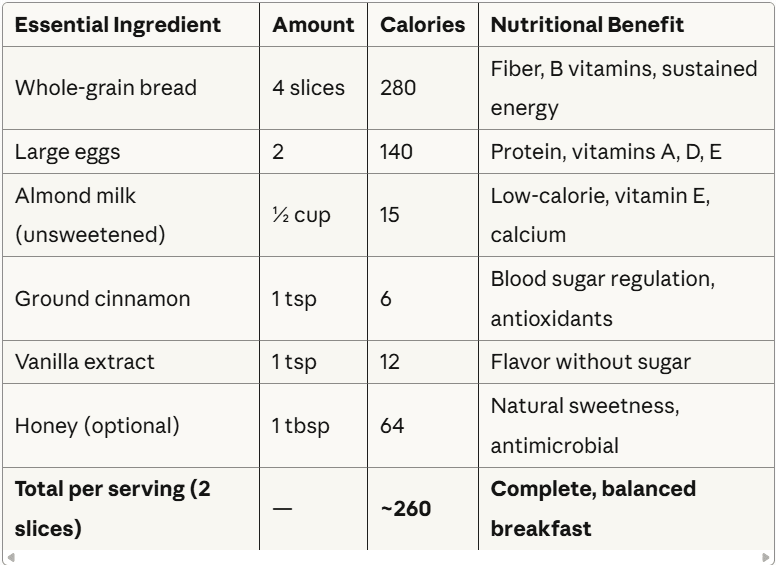
The core ingredients create a nutritious, delicious base that you can customize endlessly. You’ll need four slices of whole-grain bread, two large eggs for binding and protein, half a cup of unsweetened almond or oat milk for moisture, one teaspoon of ground cinnamon for flavor and blood sugar regulation, one teaspoon of pure vanilla extract for aromatic sweetness, and optional one tablespoon of honey or maple syrup for light sweetness. These simple components combine to create French toast that’s both satisfying and nutritious.
Flavor Add-Ins
Enhance your healthy french toast with nutritious add-ins that boost flavor and nutrition simultaneously. Fresh berries like strawberries, blueberries, or raspberries add vitamins, antioxidants, and natural sweetness with minimal calories. Sliced bananas provide potassium and creamy texture. A tablespoon of natural almond or peanut butter adds healthy fats, protein, and satisfying richness. A scoop of vanilla or unflavored protein powder mixed into the egg batter transforms breakfast into a high-protein meal perfect for post-workout recovery. Ground flaxseed or chia seeds contribute omega-3 fatty acids and fiber. A sprinkle of unsweetened coconut flakes adds tropical flavor and healthy medium-chain triglycerides.
Pantry Staples
Keep these healthy staples on hand for nutritious breakfast options anytime. Olive oil or coconut oil cooking spray prevents sticking without excess calories from butter. Ground cinnamon, nutmeg, and cardamom add flavor depth without sugar or sodium. Pure vanilla extract enhances sweetness perception naturally. Natural sweeteners like honey, maple syrup, or stevia provide options for different taste preferences and dietary needs. Whole-grain bread stores well in the freezer for extended freshness. Unsweetened plant-based milks keep for weeks refrigerated.

Step-by-Step Cooking Instructions
Prepping the Batter
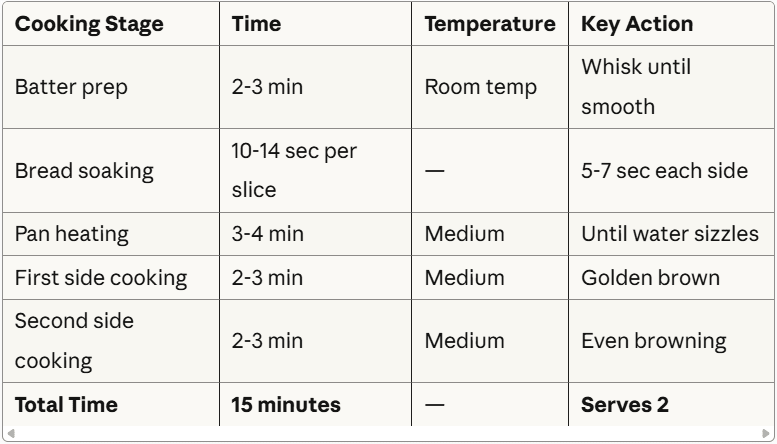
Whisk together two eggs, half a cup of unsweetened almond or oat milk, one teaspoon of cinnamon, one teaspoon of vanilla extract, and one tablespoon of honey (if using) in a shallow bowl. Beat vigorously for thirty to forty-five seconds until completely smooth and slightly frothy with no visible egg whites. The mixture should be uniform in color and consistency. If adding protein powder, whisk it in gradually to prevent clumps. Let the batter sit for one to two minutes while you prepare your cooking surface—this allows flavors to meld and ensures even consistency.
Soaking the Bread
Dip slices of whole-grain bread quickly to coat evenly without getting soggy—this is crucial for maintaining texture. Lay each slice flat in the batter for five to seven seconds, then flip and soak the other side for another five to seven seconds. Whole-grain bread is denser than white bread and can handle slightly longer soaking without falling apart, but don’t exceed ten seconds per side or you risk mushiness. The bread should look thoroughly coated and slightly darker but still feel firm when lifted. Let excess batter drip back into the bowl before transferring to the pan.
Cooking Method
Heat a non-stick skillet or griddle over medium heat and spray lightly with olive oil or coconut oil cooking spray. Once the pan is hot enough that a drop of water sizzles gently, add the soaked bread slices. Cook for two to three minutes on the first side until deep golden brown with crispy edges. Flip carefully using a wide spatula and cook the second side for another two to three minutes. The healthy french toast should be golden brown on both sides with slightly crispy exterior and tender, cooked-through interior. Avoid using excessive oil or butter—the non-stick pan and light spray are sufficient for perfect results.
Serving Step
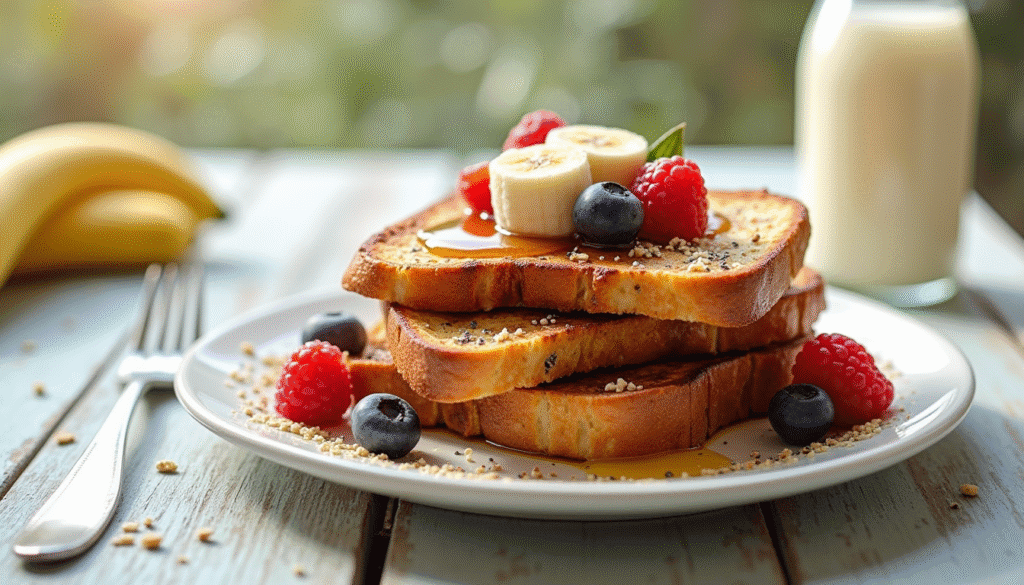
Transfer cooked healthy french toast to serving plates immediately for best texture. Top with fresh berries for vitamins and antioxidants, a light drizzle of honey or pure maple syrup for natural sweetness, or a dusting of cinnamon for extra flavor without calories. A dollop of Greek yogurt adds protein and creamy tang. Sliced almonds or a drizzle of natural nut butter provide healthy fats and satisfying crunch. The key to keeping it healthy is moderation with toppings—a little goes a long way in flavor impact.
Pro Tips for Perfect Healthy French Toast
Avoiding Soggy Texture
Use firm, sturdy whole-grain bread and don’t over-soak to maintain that perfect fluffy texture with slight crispiness. Day-old bread is ideal because it’s naturally drier and absorbs just the right amount of custard without becoming waterlogged. If you only have fresh bread, toast it lightly before dipping to remove excess moisture. Limit soaking time strictly to five to seven seconds per side—set a timer if needed. Make sure your pan is properly preheated so the exterior sets quickly, sealing in moisture rather than absorbing more. Work in small batches rather than crowding the pan, which creates steam that makes everything soggy.
Low-Calorie Hacks
Swap butter for cooking spray and use natural toppings to keep your healthy french toast genuinely healthy. Cooking spray delivers less than ten calories per serving compared to over one hundred for a tablespoon of butter. Choose fruit toppings over syrup when possible—berries add sweetness, fiber, and vitamins with minimal calories. If you must have syrup, measure it rather than free-pouring to control portions. Greek yogurt provides creamy richness with protein instead of whipped cream’s empty calories. Use cinnamon liberally—it’s calorie-free and its natural sweetness reduces need for added sugars. Skip the powdered sugar, which adds empty calories without nutritional value.
Storage & Reheating
Refrigerate cooled healthy french toast in airtight containers with parchment paper between slices for up to four days. The texture won’t be quite as crispy as fresh, but it’s still delicious and convenient for meal prep. Reheat in a toaster for two to three minutes to restore crispiness, or warm in a skillet over medium heat for one to two minutes per side. You can also reheat in a 350°F oven for five minutes. For longer storage, freeze individual slices wrapped in plastic wrap, then placed in a freezer bag for up to two months. Toast frozen slices directly from the freezer, adding an extra minute to cooking time.
Flavor Variations
Transform your basic healthy french toast into creative variations that prevent breakfast boredom while maintaining nutritional integrity.
High-Protein Version
Add unflavored or vanilla protein powder to the egg mixture, or serve with a side of Greek yogurt for a muscle-building breakfast. Mix one scoop of protein powder into the batter along with the eggs and milk—you may need to add an extra tablespoon or two of milk to maintain proper consistency. This variation contains thirty to forty grams of protein, making it ideal for post-workout meals or for anyone trying to increase protein intake. Cottage cheese blended smooth and mixed into the batter creates incredibly high-protein custard with mild flavor. Top with nut butter for even more protein and healthy fats.
Vegan Option
Use flax eggs (one tablespoon ground flaxseed mixed with three tablespoons water per egg, let sit five minutes) and plant-based milk for a completely animal-free version. The texture is slightly different from egg-based versions but still delicious and satisfying. Nutritional yeast added to the batter provides a subtle cheesy flavor and B vitamins. Use maple syrup instead of honey for truly vegan sweetness. Coconut milk creates rich, creamy custard, while oat milk offers neutral flavor and good consistency. Top with coconut yogurt instead of Greek yogurt for dairy-free creaminess.
Indulgent Yet Healthy
Add dark chocolate chips (at least seventy percent cacao) or an almond butter drizzle for a treat that’s still nutritious. Dark chocolate provides antioxidants and less sugar than milk chocolate—use sparingly, about one tablespoon of chips per two slices. Natural almond or peanut butter drizzled on top adds healthy monounsaturated fats, protein, and satisfying richness. A sprinkle of unsweetened coconut flakes adds texture and tropical flavor. Caramelized banana slices cooked in a bit of coconut oil create dessert-like sweetness with nutritional benefits. The key is portion control—these additions should enhance, not overwhelm, the healthy base.

Serving Suggestions
Complete your healthy french toast meal with complementary sides and beverages that enhance nutrition without adding excessive calories.
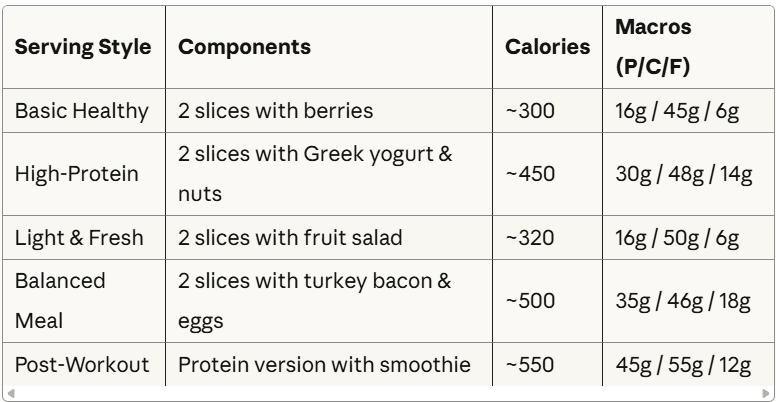
Pair with sides that add variety and nutrition to create a balanced breakfast. Fresh fruit salad with berries, melon, and citrus provides vitamins, antioxidants, and natural sweetness with minimal calories. Greek yogurt offers additional protein and probiotics for digestive health. Turkey bacon provides savory contrast and lean protein without the saturated fat of regular bacon. A handful of raw almonds or walnuts adds healthy fats and satisfying crunch. Scrambled egg whites boost protein content without adding many calories. A small spinach and tomato salad adds vegetables to your morning meal.
Drink pairings enhance the meal while supporting your health goals. Green tea provides antioxidants and gentle caffeine without calories. A protein smoothie with spinach, berries, and plant-based protein powder creates a complete meal when paired with a lighter serving of French toast. Unsweetened almond latte offers coffee flavor with minimal calories. Black coffee provides zero-calorie energy boost. Fresh vegetable juice adds vitamins and minerals. For something special, try golden milk (turmeric latte) for anti-inflammatory benefits and comforting warmth.
FAQs
Can I make it without eggs?
Yes, you can make healthy french toast without eggs using several effective substitutes. Flax eggs work wonderfully—mix one tablespoon of ground flaxseed with three tablespoons of water per egg and let sit for five minutes until gel-like. Chia eggs use the same ratio with chia seeds. Mashed banana (quarter cup per egg) creates naturally sweet custard but adds distinct flavor. Commercial egg replacers designed for baking work well. Silken tofu blended smooth with the milk creates protein-rich, egg-free custard with neutral flavor. The texture will be slightly different from egg-based versions but still delicious.
Is it freezer-friendly?
Absolutely! Healthy french toast freezes beautifully and makes meal prep easy. Cool cooked slices completely before freezing to prevent ice crystals. Place slices in a single layer on a baking sheet and freeze until solid, then transfer to a freezer-safe bag or container with parchment paper between slices. Properly stored, frozen healthy french toast keeps for up to three months. Reheat directly from frozen in a toaster, toaster oven, or regular oven at 350°F for about eight to ten minutes. The texture remains remarkably similar to fresh, making this ideal for batch cooking on weekends.
How can I make it higher in protein?
Boost protein content through several simple modifications. Add one scoop of unflavored or vanilla protein powder to the egg mixture—this adds twenty to twenty-five grams of protein per batch. Use protein-enriched bread that contains eight to ten grams per slice instead of three to four. Mix Greek yogurt with the milk for extra protein in the custard. Serve with high-protein toppings like Greek yogurt, cottage cheese, or nut butter. Use egg whites in addition to whole eggs—replace one whole egg with two egg whites to add protein without fat. The high-protein version can deliver thirty-five to forty grams of protein per serving.
What’s the calorie count per serving?
Basic healthy french toast contains approximately two hundred fifty to three hundred calories per serving (two slices), depending on bread choice and toppings. This includes the bread, eggs, milk, and minimal sweetener. Add fifty to one hundred calories for toppings like berries and a drizzle of syrup or honey. For comparison, traditional French toast made with white bread, whole milk, butter, and generous syrup can exceed five hundred calories per serving. The healthy version delivers similar satisfaction with roughly half the calories.
Can I make this ahead for meal prep?
Yes, healthy french toast is excellent for meal prep. Cook a full batch on Sunday, let cool completely, then store individual servings in containers or freezer bags. Refrigerate for up to four days or freeze for up to three months. When ready to eat, reheat in a toaster or oven. You can also prep the dry and wet ingredients separately the night before—store whisked egg mixture in the fridge and have bread ready—then assemble and cook fresh in the morning, which takes only ten minutes.
Is this suitable for diabetics?
This healthy french toast can be appropriate for diabetics with some modifications. Use low-glycemic whole-grain or sprouted bread to minimize blood sugar spikes. Skip honey or syrup, relying on cinnamon and vanilla for flavor. Add extra cinnamon, which has been shown to help regulate blood sugar. Pair with protein-rich foods like eggs or Greek yogurt to slow glucose absorption. Include fiber-rich berries as toppings. Monitor portion sizes carefully. As always, individuals with diabetes should consult their healthcare provider about incorporating new foods into their meal plans.
Conclusion
This fluffy and healthy french toast proves that nutritious eating doesn’t require sacrifice or boring meals. By making smart ingredient choices and using proper techniques, you can enjoy a breakfast that’s both delicious and genuinely good for you. Each bite delivers classic French toast satisfaction while supporting your health and wellness goals.
Start your day with this fluffy and healthy french toast that’s both delicious and guilt-free, knowing you’re nourishing your body with wholesome ingredients that provide sustained energy. Whether you’re trying to lose weight, build muscle, or simply eat more nutritiously, this recipe adapts to your needs without compromising on taste or satisfaction.
Join thousands of home cooks who love this easy low-cal breakfast idea that makes healthy eating sustainable and enjoyable! From busy professionals to fitness enthusiasts to parents feeding families, this recipe has become a morning staple because it proves that healthy food can be convenient, affordable, and truly delicious.
Next, try our Low-Calorie Pancake Recipe for another morning favorite that keeps your health goals on track, or explore our collection of High-Protein Breakfast Recipes for more nutritious ways to start your day. For even more variety, check out our Meal Prep Breakfast Guide for time-saving strategies that ensure you never skip the most important meal of the day!
How did you find results our recipes
There are no reviews yet. Be the first one to write one.