
Introduction
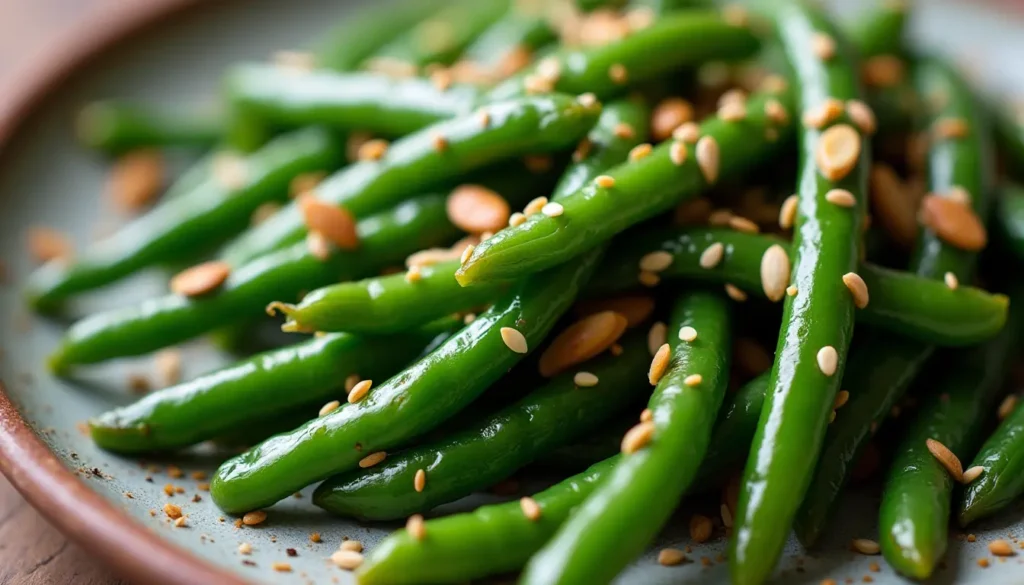
Looking for new ways to make green beans exciting?
These green bean recipes are quick, flavorful, and perfect for any meal — from weeknight dinners to holiday feasts. Green beans are one of the most versatile vegetables in your kitchen, yet they’re often relegated to bland, overcooked side dishes that nobody gets excited about.
After years of home cooking and recipe testing, these are the most delicious, easy-to-master green bean dishes that transform this humble vegetable into something everyone wants seconds of. Whether you’re cooking for picky kids, health-conscious adults, or holiday guests, these recipes deliver fresh flavor and perfect texture every time.
This comprehensive guide walks you through everything you need to master green beans. You’ll discover easy cooking methods that preserve their vibrant color and crisp texture, explore flavor variations from simple garlic butter to bold Asian-inspired preparations, learn chef-approved techniques for restaurant-quality results, and get practical tips for incorporating green beans into everyday meals.
Green beans are nutritional powerhouses packed with vitamins K, C, and A, plus fiber and antioxidants. They’re naturally low in calories but satisfying enough to feel substantial. Best of all, they’re available fresh year-round, though frozen and canned versions work beautifully in most of these recipes.
Whether you prefer classic preparation methods like blanching and sautéing or want to experiment with roasting and stir-frying, you’ll find techniques that fit your schedule and taste preferences. Each method brings out different qualities in green beans—some enhance their natural sweetness, others add caramelized depth, and still others keep them refreshingly crisp.
Let’s dive into what makes these green bean recipes so consistently delicious and how you can elevate this underappreciated vegetable to star status on your dinner table.
Table of Contents
Why These Green Bean Recipes Work
These green bean recipes succeed because they emphasize freshness, versatility, and quick preparation while delivering maximum flavor with minimal effort.
The key lies in proper cooking techniques that preserve green beans’ best qualities—their beautiful color, satisfying crunch, and clean, fresh flavor. Unlike mushy, overcooked green beans from outdated recipes, these methods respect the vegetable and enhance rather than diminish its natural appeal.
Here’s what makes these recipes exceptional:
Use simple, healthy ingredients available year-round. You won’t need exotic items or specialty stores. Fresh green beans, olive oil or butter, garlic, and basic seasonings create impressive results. Most recipes require fewer than eight ingredients, making them accessible and approachable.
Perfectly balance flavor and texture — crisp-tender and bright. The French culinary term “al dente” applies to vegetables too. These recipes achieve that ideal texture where green beans still have a slight snap when bitten but aren’t raw or tough. This texture makes vegetables more enjoyable and appealing, especially to people who claim they don’t like vegetables.
Works with fresh, frozen, or canned green beans. While fresh is ideal, these recipes adapt beautifully to whatever you have available. Frozen green beans work wonderfully in most preparations and are often flash-frozen at peak freshness. Even canned beans can be transformed with proper seasoning and cooking techniques, though texture will be softer.
Chef Tip from Ina Garten: “Always blanch green beans and then shock them in ice water — it keeps them crisp and vibrant green.”
The versatility of these recipes means you can serve green beans as simple weeknight sides, elegant dinner party accompaniments, or holiday feast vegetables. The same basic techniques scale from two servings to twenty without losing quality.
Unlike vegetables that require extensive prep or long cooking times, green beans are ready in minutes. Most of these recipes have active cooking times of 10 minutes or less, making them perfect for busy schedules when you still want homemade, healthy food.
The nutritional benefits deserve emphasis. Green beans provide substantial nutrients without heavy calories, fats, or carbs. They’re naturally gluten-free, vegan (before adding butter or bacon), and keto-friendly, making them suitable for virtually any dietary approach.
Perhaps most importantly, these recipes taste delicious. They transform green beans from obligatory vegetables into dishes people genuinely enjoy and request. When vegetables taste this good, eating healthy becomes effortless rather than a chore.
Ingredients & Prep
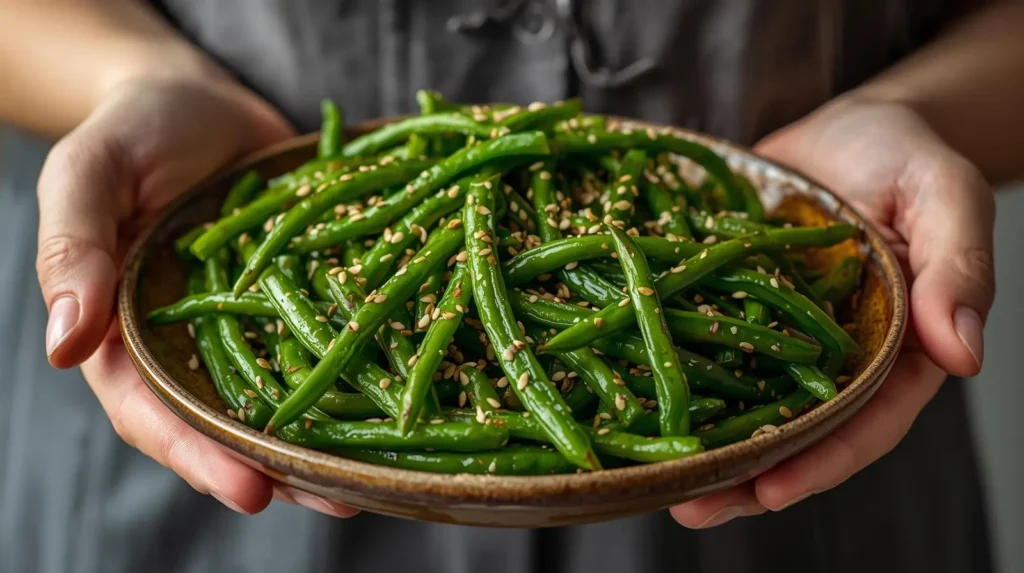
Starting with quality ingredients and proper preparation sets the foundation for exceptional green beans:
| Ingredient | Quantity | Purpose |
|---|---|---|
| Fresh green beans | 1 lb | Main ingredient |
| Olive oil or butter | 2 tbsp | Flavor and moisture |
| Garlic (minced) | 2 cloves | Aromatic depth |
| Salt & pepper | To taste | Basic seasoning |
| Lemon juice | 1 tbsp | Bright finish |
| Optional add-ins | Almonds, bacon bits, soy sauce | Texture & flavor boost |
Chef Advice from Jamie Oliver: “Don’t overcook green beans — you want that slight crunch that keeps them fresh and lively.”
Selecting Fresh Green Beans
Quality starts at selection. Look for green beans that are vibrant green (or yellow/purple for wax beans and purple beans), firm to the touch, and free from brown spots or excessive blemishes.
Fresh beans should snap cleanly when bent—this is the classic “snap” in snap beans. If they bend without breaking or feel limp, they’re past their prime.
Size matters more than you might think. Slender young beans (haricots verts) are more tender and cook faster than thick, mature beans. Both work well, but adjust cooking times accordingly. Very thick beans may benefit from being cut in half lengthwise.
Check the ends—they should look freshly cut, not dried out or discolored. Brown, shriveled ends indicate beans have been sitting for a while.
Buy beans loose rather than pre-packaged when possible. This lets you inspect quality and select only the best specimens. You can also buy exactly the amount you need.
Fresh vs. Frozen vs. Canned
Fresh green beans offer the best texture and brightest flavor. They’re ideal when you want impressive presentation or maximum crunch. Use fresh for recipes where texture is paramount, like almondine or simple sautéed preparations.
Frozen green beans are convenient, available year-round, and often flash-frozen at peak ripeness. They work beautifully in casseroles, stir-fries, and roasted preparations. No need to thaw before cooking—add them frozen directly to hot pans or boiling water. Expect slightly softer texture than fresh but still quite good.
Canned green beans are the most convenient option and have surprisingly long shelf life. They’re pre-cooked, so they just need reheating and flavoring. Drain and rinse canned beans well to remove excess sodium and tinny taste. Best used in casseroles or dishes with bold flavors that mask their softer texture.
Preparation Essentials
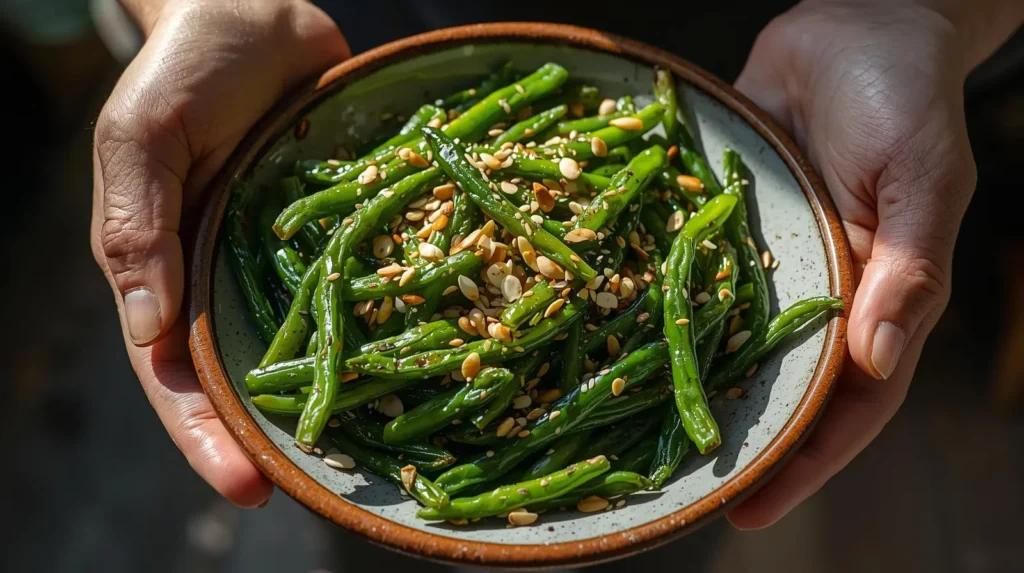
Washing: Rinse fresh green beans under cold running water. Place them in a colander and move them around with your hands to ensure thorough cleaning.
Trimming: Remove both ends of each bean. You can do this by snapping or cutting. For speed, line up multiple beans and slice several at once with a sharp knife. Some people leave the tapered end on for visual appeal, removing only the stem end—this works fine aesthetically but the tapered end can be tough.
Cutting (Optional): For quicker cooking or smaller portions, cut beans into 1-2 inch pieces. French-cut green beans (sliced lengthwise) cook very quickly and have elegant appearance.
Drying: Pat beans completely dry if you’re roasting or sautéing. Moisture causes steaming instead of browning, preventing caramelization and the development of complex flavors.
Understanding Fats and Seasonings
Olive oil provides fruity, peppery notes that complement green beans’ fresh flavor. Extra virgin olive oil has more character, while light olive oil is more neutral. Both work depending on how prominent you want the olive flavor.
Butter creates rich, luxurious flavor and glossy appearance. It’s traditional in French preparations and adds elegance to simple vegetables. For best results, use unsalted butter so you control salt levels precisely.
Garlic is nearly universal in these recipes because its pungent, savory character enhances rather than overwhelms green beans’ mild flavor. Fresh garlic is always preferable to jarred or powdered—mince it finely for even distribution.
Salt and pepper are fundamental. Salt brings out green beans’ natural sweetness and makes all other flavors more pronounced. Freshly ground black pepper adds gentle heat and complexity.
Lemon juice brightens everything with acidic tang that cuts through richness and makes flavors pop. Add it at the very end to preserve its fresh, citrusy quality. Lemon zest provides aromatic oils without additional liquid.
Optional Flavor Boosters
Toasted almonds add crunch and nutty richness classic in almondine preparations. Sliced almonds toast more evenly than whole. Toast them in a dry skillet until golden and fragrant.
Bacon provides smoky, salty, umami depth that transforms green beans into something special. Cook bacon until crispy, crumble it, and use the rendered fat for cooking beans.
Soy sauce introduces umami and saltiness perfect for Asian-inspired preparations. Use low-sodium soy sauce or tamari (gluten-free) based on dietary needs.
Parmesan cheese shaved or grated over hot green beans adds salty, nutty character and creates more substantial side dish.
Red pepper flakes provide gentle heat that awakens the palate without overwhelming.
Step-by-Step Cooking Instructions
Master these fundamental techniques and you’ll be able to prepare perfect green beans using any method:
Prep the Beans
Start with clean, trimmed green beans. If using frozen, no thawing necessary—use them straight from the freezer. If using canned, drain and rinse thoroughly under cold water.
Bring all other ingredients to room temperature if they’ve been refrigerated. Cold butter or oil straight from the fridge doesn’t distribute as evenly.
Set up your workspace with everything you need within reach—this makes cooking smooth and prevents overcooking while you search for ingredients.
For maximum efficiency, prep beans earlier in the day and refrigerate until cooking time. This makes dinner assembly quick and stress-free.
Blanching Method
Blanching is the foundation technique that many other preparations build upon. It partially cooks beans while preserving their color and crunch.
Step 1: Bring a large pot of salted water to a rolling boil. Use about 1 tablespoon of salt per gallon of water—this seems like a lot but most of it goes down the drain. The salt seasons beans from the inside out.
Step 2: Prepare an ice bath while water heats. Fill a large bowl with ice water and set it near your stove. This “shocking” step is crucial for stopping the cooking process instantly.
Step 3: Add green beans to boiling water. Don’t overcrowd—work in batches if necessary. The water should return to a boil within 30 seconds. If it doesn’t, your pot isn’t large enough or isn’t hot enough.
Step 4: Boil for 3-4 minutes. Beans should be bright green and crisp-tender. Test one by biting it—you want slight resistance, not raw crunch or mushiness.
Step 5: Immediately transfer beans to ice bath using a slotted spoon or spider. Let sit for 2-3 minutes until completely cool.
Step 6: Drain beans thoroughly and pat dry. Blanched beans can be refrigerated for up to 3 days and finished later by sautéing or roasting.
Sautéing Method
Sautéing creates caramelized bits and concentrated flavor while keeping beans tender-crisp.
Step 1: Heat a large skillet over medium-high heat. Add 2 tablespoons of olive oil or butter. The fat should shimmer but not smoke.
Step 2: Add minced garlic and cook for 30 seconds until fragrant but not browned. Garlic burns easily, so watch carefully.
Step 3: Add green beans (blanched or raw). If using raw beans, you may need to add 2-3 tablespoons of water and cover the pan for 2-3 minutes to steam them slightly before uncovering to finish cooking.
Step 4: Cook for 5-7 minutes, tossing occasionally, until beans are tender and starting to brown in spots. The browning (caramelization) adds incredible depth of flavor.
Step 5: Season with salt and pepper, then finish with a squeeze of fresh lemon juice or a pat of butter.
Chef Tip from Gordon Ramsay: “Add a touch of butter at the end for a glossy finish and restaurant-level flavor.”
Steaming Method
Steaming is the healthiest cooking method, requiring no added fat and preserving maximum nutrients.
Step 1: Bring 1-2 inches of water to boil in a pot with a steamer basket. Make sure water doesn’t touch the bottom of the basket.
Step 2: Add green beans to the steamer basket in a single layer if possible. Don’t pack them too tightly—steam needs to circulate.
Step 3: Cover and steam for 5-6 minutes until tender-crisp. Check by piercing with a fork or tasting one.
Step 4: Remove from heat immediately and season. Since you didn’t use fat in cooking, dress steamed beans with olive oil or butter plus salt, pepper, and lemon juice.
Steamed beans are perfect for meal prep—they reheat well and accept various seasonings.
Roasting Method
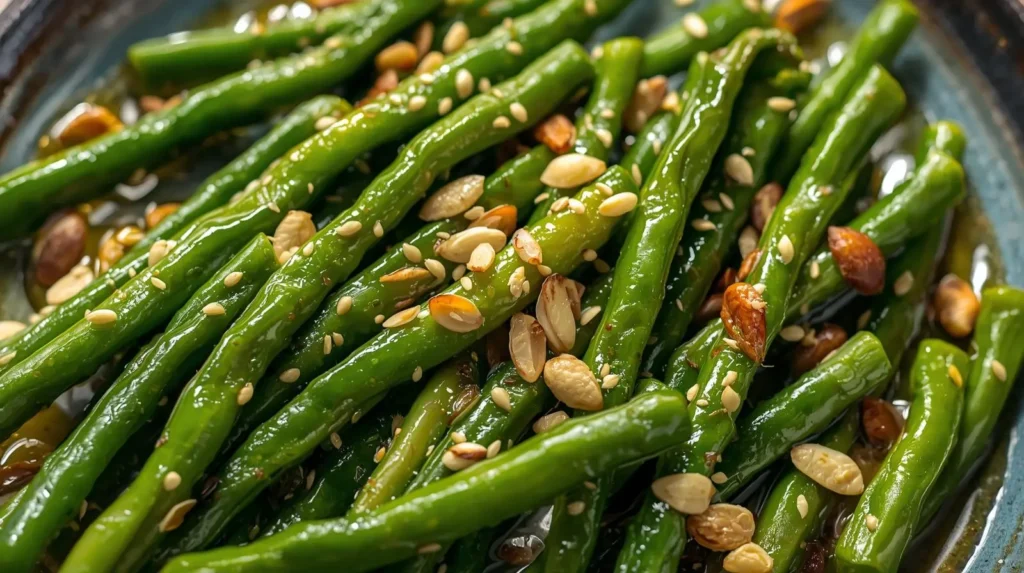
Roasting creates caramelized, slightly crispy beans with concentrated flavor.
Step 1: Preheat oven to 425°F. This high temperature is crucial for caramelization.
Step 2: Toss beans with olive oil (about 2 tablespoons per pound), salt, and pepper on a large baking sheet. Spread in a single layer with space between beans—overcrowding causes steaming instead of roasting.
Step 3: Roast for 15-20 minutes, shaking the pan halfway through for even browning. Beans should be tender with golden-brown caramelized spots.
Step 4: Optional: During the last 5 minutes, add minced garlic, which will roast and become sweet and mellow. Or toss with Parmesan cheese immediately when beans come out of the oven.
Roasted green beans have addictive, almost snack-like quality with their crispy bits and concentrated flavor.
Stir-Frying Method
Stir-frying creates restaurant-style Asian vegetables in minutes.
Step 1: Heat a wok or large skillet over high heat. Add 1-2 tablespoons of oil with high smoke point (vegetable, peanut, or avocado oil).
Step 2: Add green beans and stir-fry for 3-4 minutes, tossing constantly. The high heat cooks beans quickly while adding slight char.
Step 3: Add aromatics like garlic, ginger, or green onions and cook for 30 seconds.
Step 4: Add sauce (soy sauce, oyster sauce, or sesame oil) and toss to coat. Cook for another minute until beans are glazed and tender-crisp.
Stir-frying works best with thinner beans or beans cut into smaller pieces for quick cooking.
Flavor Variations
Transform basic green beans into exciting side dishes with these popular flavor combinations:
| Variation | Ingredients | Description |
|---|---|---|
| Garlic Butter | Butter, garlic, lemon | Simple and flavorful |
| Asian-Inspired | Soy sauce, sesame oil, chili flakes | Savory and spicy |
| Almondine | Toasted almonds, lemon zest | Classic French side dish |
| Bacon & Onion | Crisp bacon, caramelized onion | Smoky and rich |
| Spicy Cajun | Cajun seasoning, olive oil | Southern-style kick |
Garlic Butter Green Beans
This classic preparation lets green beans shine with minimal embellishment.
Blanch or steam green beans until tender-crisp. In a large skillet, melt 3 tablespoons of butter over medium heat. Add 3-4 minced garlic cloves and cook for 1 minute until fragrant.
Add beans and toss to coat in garlic butter. Cook for 2-3 minutes until heated through. Season generously with salt and pepper, then finish with fresh lemon juice and optional lemon zest.
For extra elegance, add fresh herbs like thyme, parsley, or tarragon. The combination of butter, garlic, and lemon creates rich yet bright flavor that complements virtually any main course.
This version is perfect for holiday meals when you want impressive but not complicated side dishes.
Asian-Inspired Green Beans
Bold umami flavors transform green beans into exciting, restaurant-style vegetables.
Heat 2 tablespoons of vegetable or sesame oil in a wok or large skillet over high heat. Add 1 pound of trimmed green beans and stir-fry for 4-5 minutes until tender-crisp with some charred spots.
Add 2 minced garlic cloves and 1 teaspoon minced fresh ginger. Stir-fry for 30 seconds until fragrant.
Pour in 2 tablespoons soy sauce, 1 teaspoon sesame oil, and ¼ teaspoon red pepper flakes. Toss to coat beans in sauce and cook for another minute.
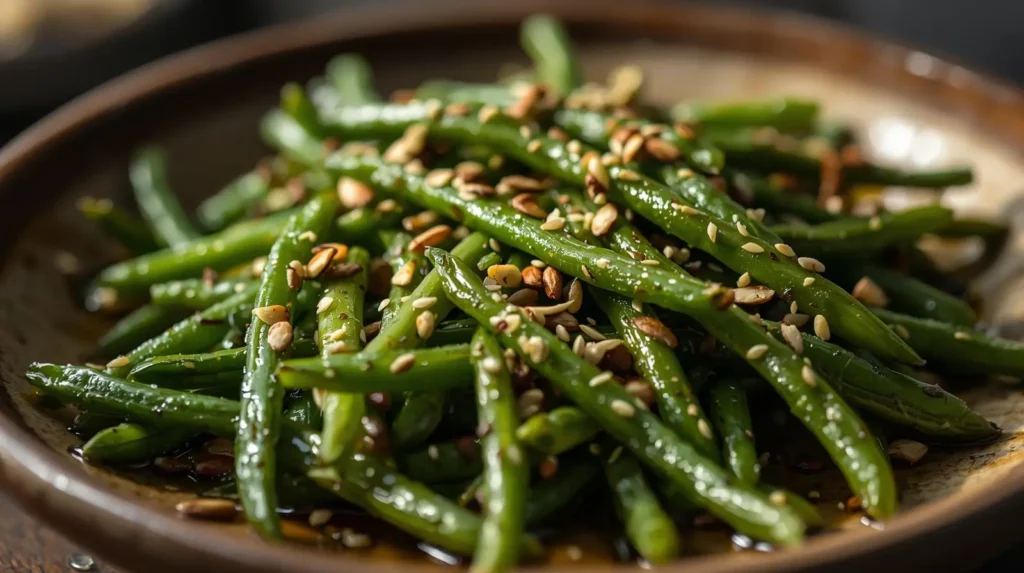
Finish with toasted sesame seeds and sliced green onions. For extra flavor, add a teaspoon of oyster sauce or hoisin sauce.
This preparation pairs beautifully with grilled meats, fried rice, or teriyaki dishes.
Green Beans Almondine
This elegant French preparation has been a classic for generations with good reason.
Blanch green beans and shock in ice water as described earlier. Drain and pat dry.
In a large skillet, melt 2 tablespoons of butter over medium heat. Add ½ cup sliced almonds and cook, stirring frequently, until golden brown and fragrant (about 3 minutes). Watch carefully—almonds burn quickly.
Add blanched green beans to the pan and toss to coat in almond butter. Cook for 2-3 minutes until heated through.
Season with salt, pepper, and lemon zest. Finish with a squeeze of fresh lemon juice.
The combination of buttery beans, crunchy toasted almonds, and bright lemon creates a sophisticated side dish perfect for special occasions. Some versions add a splash of white wine or shallots for additional complexity.
Bacon & Onion Green Beans
For those who find plain green beans boring, bacon changes everything.
Cook 4-5 strips of bacon in a large skillet until crispy. Remove bacon to a paper towel-lined plate, leaving rendered fat in the pan.
Add 1 sliced onion to the bacon fat and cook over medium heat for 5-7 minutes until golden and caramelized. Add 2 minced garlic cloves and cook for 30 seconds.
Add 1 pound of trimmed green beans and ¼ cup of water or chicken broth. Cover and cook for 5 minutes until beans are tender.
Uncover, increase heat, and cook until liquid evaporates and beans start to caramelize. Season with salt and pepper, then crumble reserved bacon over the top.
This Southern-style preparation is comfort food at its finest—rich, savory, and satisfying. It’s perfect for holiday meals or Sunday dinners.
Spicy Cajun Green Beans
Bold Cajun spices create exciting, memorable green beans.
Toss 1 pound of trimmed green beans with 2 tablespoons olive oil and 1-2 tablespoons Cajun seasoning. Spread on a baking sheet and roast at 425°F for 15-20 minutes until tender and slightly charred.
Alternatively, heat oil in a large skillet, add beans, and sauté for 7-8 minutes until tender-crisp. Sprinkle with Cajun seasoning and toss to coat. Add a squeeze of lemon juice to brighten flavors.
The blend of paprika, cayenne, garlic, and herbs creates complex heat that’s addictive. Adjust spice level by using more or less Cajun seasoning.
This variation pairs perfectly with jambalaya, gumbo, blackened fish, or grilled chicken.
Additional Quick Variations
Parmesan Green Beans: Toss hot green beans with grated Parmesan cheese, which will melt slightly and create nutty, salty coating.
Balsamic Green Beans: Drizzle roasted green beans with balsamic glaze for sweet-tangy finish.
Mediterranean Green Beans: Add sun-dried tomatoes, olives, and feta cheese for Greek-inspired flavors.
Brown Butter Green Beans: Cook butter until nutty and brown, then toss with beans for rich, sophisticated flavor.
Honey Mustard Green Beans: Whisk together honey, Dijon mustard, and olive oil, then toss with roasted beans.
Cooking Time & Methods
Different cooking methods bring out different qualities in green beans. Choose based on your equipment, time constraints, and desired results:
| Method | Cooking Time | Notes |
|---|---|---|
| Blanching | 3–4 mins | Keeps beans crisp and green |
| Steaming | 5–6 mins | Healthiest option |
| Roasting | 15–20 mins at 425°F | Great for caramelized flavor |
| Sautéing | 5 mins | Best for quick dinners |
| Stir-Frying | 4–5 mins | High heat, restaurant-style |
| Slow Cooking | 2–3 hours on low | Good for casseroles |
Blanching Details
Best for: Meal prep, maintaining bright color, recipes requiring further cooking
Technique: Boil in heavily salted water, then shock in ice bath
Timing: 3 minutes for thin beans, 4 minutes for thick beans
Results: Bright green color, tender-crisp texture, ready for finishing later
Blanching is the professional chef’s secret for green vegetables. It locks in color and allows you to prep ahead, then finish beans later with just a quick sauté in butter or oil.
Steaming Details
Best for: Healthy cooking, preserving nutrients, meal prep
Technique: Steam over boiling water in covered pot
Timing: 5 minutes for thin beans, 6-7 minutes for thick beans
Results: Tender beans with mild flavor, perfect canvas for dressings
Steaming requires no added fat, making it ideal for weight loss or heart-healthy diets. The gentle cooking preserves water-soluble vitamins that boiling can leach away.
Roasting Details
Best for: Caramelized flavor, crispy texture, hands-off cooking
Technique: Toss with oil, spread on baking sheet, roast at high heat
Timing: 15 minutes for thin beans, 20 minutes for thick beans at 425°F
Results: Caramelized, slightly crispy beans with concentrated flavor
Roasting is the easiest method for beginners—there’s no pot watching required. The high, dry heat creates Maillard reaction (browning) that adds incredible depth.
Sautéing Details
Best for: Quick weeknight dinners, adding garlic and aromatics
Technique: Cook in hot pan with fat, tossing frequently
Timing: 5-7 minutes depending on whether beans are pre-blanched
Results: Tender-crisp beans with caramelized spots, rich flavor from fat
Sautéing is the fastest finish method and allows you to build flavor by adding garlic, shallots, or other aromatics directly to the pan.
Stir-Frying Details
Best for: Asian-inspired dishes, high-flavor cooking, quick meals
Technique: Cook over very high heat in wok, constant tossing
Timing: 4-5 minutes total cooking time
Results: Slightly charred, tender-crisp beans with smoky notes
Stir-frying requires high heat and constant attention but delivers restaurant-quality results in minutes. The technique works best with a carbon steel wok but a large skillet works too.
Serving Suggestions
Green beans are incredibly versatile and pair with virtually any main course:
Serve as a side dish with grilled meats, fish, or pasta. Green beans complement nearly everything—grilled chicken, steak, salmon, pork chops, or Italian dishes. Their fresh, clean flavor balances rich proteins beautifully.
Add to salads, stir-fries, or casseroles for extra crunch. Blanched green beans add texture and nutrition to composed salads. They’re classic in Niçoise salad with tuna, eggs, and potatoes. Stir-fries benefit from their crunch, and green bean casserole remains a holiday staple.
Perfect for holidays or meal prep. Green beans are traditional Thanksgiving and Christmas sides, but they’re also excellent for weekly meal prep. Cook a batch on Sunday and reheat portions throughout the week.
Here’s the approximate nutritional information per serving (½ cup cooked):
| Calories | Protein | Carbs | Fat | Fiber |
|---|---|---|---|---|
| 80 | 2g | 7g | 5g | 3g |
Note: Nutritional values vary based on preparation method and added fats.
Perfect Pairings
With Chicken: Garlic butter green beans or almondine preparations complement roasted, grilled, or pan-seared chicken beautifully.
With Beef: Bacon and onion green beans or Cajun-spiced versions stand up to bold beef flavors.
With Fish: Lemon-based preparations or Asian-inspired versions with ginger enhance delicate fish without overwhelming.
With Pork: Sweet glazed green beans or bacon versions create natural flavor affinity with pork.
With Pasta: Simple garlic and olive oil green beans tossed into pasta with Parmesan create light yet satisfying meals.
Meal Prep Tips
Cook green beans in large batches using your preferred method. Store in airtight containers in the refrigerator for up to 5 days.
Blanched green beans are the most versatile for meal prep—you can finish them differently each day by sautéing with various seasonings.
For reheating, sauté briefly in a hot pan rather than microwaving, which can make beans mushy. Alternatively, microwave for just 60-90 seconds with a damp paper towel covering.
Green beans freeze reasonably well after blanching. Freeze in single layers on baking sheets, then transfer to freezer bags. They’ll keep for up to 8 months.
Holiday Presentation
For special occasions, elevate simple green beans with thoughtful presentation. Arrange them neatly on a serving platter rather than tossing them in a bowl.
Garnish with lemon wedges, fresh herbs, toasted nuts, or shaved Parmesan for visual appeal.
Serve family-style on beautiful platters that complement your table setting.
FAQs
Can I use frozen green beans for these recipes?
Yes! Frozen green beans work wonderfully in most of these recipes. They’re flash-frozen at peak freshness and are often more convenient than fresh. No thawing necessary—add frozen beans directly to boiling water, steamers, or hot pans. Cooking times remain roughly the same. The only difference is texture will be slightly softer than fresh beans, but for most preparations, this isn’t noticeable. Frozen beans are perfect for roasting, sautéing, casseroles, and stir-fries. They’re especially convenient for meal prep and quick weeknight dinners when you don’t have time to trim fresh beans.
How do I make green beans stay bright green?
The secret to vibrant green beans is blanching followed by shocking in ice water, as Ina Garten recommends. Boil beans for 3-4 minutes in heavily salted water, then immediately plunge into ice water to stop the cooking process. This locks in the bright green color by halting enzyme activity that causes browning. Additionally, don’t overcook beans—they should be tender-crisp, not soft. Avoid adding acidic ingredients like lemon juice or vinegar during cooking, as acid can dull the color. Instead, add these at the very end just before serving. Cook beans uncovered rather than covered, which traps acids that dull color.
Are green beans good for weight loss?
Absolutely! Green beans are excellent for weight loss. They’re naturally low in calories (only about 30 calories per cup when plain) but high in fiber, which promotes fullness and satiety. The fiber slows digestion, keeping you satisfied longer and helping prevent overeating. Green beans also have low energy density—you can eat a satisfying portion without consuming many calories. They’re packed with nutrients including vitamins K, C, and A, plus folate and manganese. When prepared with minimal added fats (steaming, roasting with light oil, or blanching), green beans make ideal weight-loss-friendly vegetables. Just watch added ingredients like bacon, excessive butter, or creamy casseroles, which increase calories significantly.
How can I add more flavor without adding fat?
Several techniques boost flavor without adding oils or butter. Use aromatic ingredients like garlic, ginger, shallots, or onions, which provide big flavor with minimal calories. Add fresh herbs like thyme, parsley, basil, or cilantro at the end of cooking. Use acidic ingredients like lemon juice, lime juice, or vinegar to brighten flavors—acid makes everything taste more vibrant without adding fat or calories. Season generously with spices and dried herbs like red pepper flakes, smoked paprika, oregano, or cumin. Use flavorful liquids like low-sodium broth, white wine, or soy sauce for cooking rather than oil. Roast beans at high heat to develop caramelization and complex flavors without added fat.
What’s the difference between green beans and string beans?
These terms are essentially interchangeable in modern cooking. Historically, “string beans” referred to beans with tough, fibrous strings running along the seams that needed to be removed before eating. Modern varieties have been bred to be stringless, but the name persists in some regions. “Green beans” is the more common contemporary term. Both refer to the same vegetable—the young, unripe pod of various bean cultivars. Snap beans, pole beans, and bush beans are all types of green beans differentiated by how they grow. French beans or haricots verts are simply more slender, tender varieties of green beans popular in French cuisine.
Can I make green bean casserole with fresh beans?
Yes, and it’s significantly better than versions using canned beans! Blanch 2 pounds of fresh green beans as described earlier. Mix with cream of mushroom soup (homemade or canned), sautéed mushrooms, and seasonings. Top with crispy fried onions and bake at 350°F for 25-30 minutes until bubbly. Fresh beans maintain better texture and don’t have the metallic taste sometimes present in canned versions. The slight extra effort is worth it for holidays or special occasions. You can prep the components a day ahead—blanch beans and make the mushroom mixture, then assemble and bake before serving.
Why do my green beans taste bitter?
Bitterness usually indicates beans that are overmat ure or poorly stored. As green beans age on the plant, they develop larger seeds inside and tougher pods with bitter flavors. Choose younger, more slender beans for better flavor. Bitterness can also come from improper cooking—excessive heat or cooking in reactive metal pans can create bitter flavors. If beans taste bitter after purchase, blanching in well-salted water often removes some bitterness. Adding acidic ingredients like lemon juice or balancing with sweet elements like caramelized onions can mask residual bitterness. Finally, check that beans are fresh—old beans that have been sitting in your refrigerator for more than a week develop off flavors.
How long do cooked green beans last in the fridge?
Properly stored cooked green beans last 3-5 days in the refrigerator. Cool beans to room temperature within 2 hours of cooking, then transfer to airtight containers. Don’t leave beans sitting out longer than 2 hours (1 hour if room temperature is above 90°F) to prevent bacterial growth. For best quality, store beans in shallow containers that allow them to cool quickly. If beans develop slimy texture, off odors, or visible mold, discard them. For longer storage, blanch beans, cool completely, and freeze in airtight containers or freezer bags for up to 8 months. Frozen beans work well in casseroles and cooked dishes though texture will be softer than fresh.
Conclusion
Try one of these best green bean recipes tonight — simple, quick, and guaranteed to impress!
These recipes transform ordinary green beans into exciting side dishes that complement any meal. Whether you prefer classic garlic butter simplicity, bold Asian-inspired flavors, elegant French almondine, or smoky bacon richness, there’s a preparation here that suits your taste.
Loved by thousands of home cooks who’ve discovered that green beans can be anything but boring, these recipes prove that vegetables can be the highlight of your meal rather than an afterthought.
The techniques you’ve learned here—blanching and shocking, proper sautéing, high-heat roasting, and quick stir-frying—apply to countless other vegetables beyond green beans. You’re developing fundamental cooking skills that expand your entire culinary repertoire.
Don’t settle for bland, overcooked vegetables that nobody gets excited about. With proper technique and thoughtful seasoning, green beans become something everyone genuinely enjoys and even requests.
Start with the basic garlic butter version to master technique, then branch out to bolder variations as your confidence grows. The beauty of these recipes is they’re endlessly adaptable—adjust seasonings, try different additions, and make them your own.
How did you find results our recipes
There are no reviews yet. Be the first one to write one.

