Introduction
Tired of soggy, underwhelming garlic bread that tastes like butter-soaked cardboard? You want that perfect combination of crispy edges, soft interior, and bold garlic flavor that makes restaurant garlic bread irresistible.
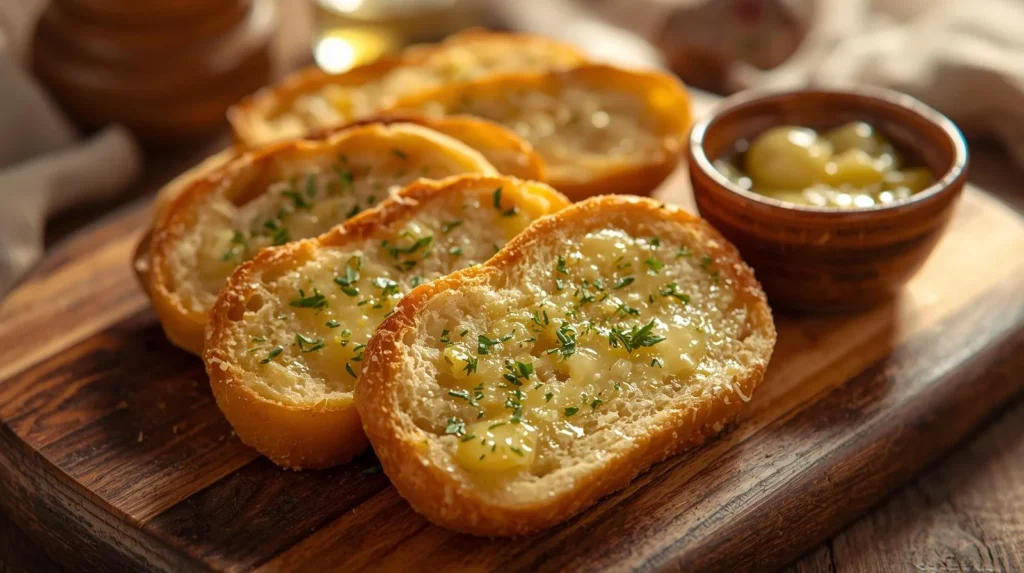
This garlic bread recipe delivers crispy, golden slices with intense garlic flavor, rich buttery goodness, and that satisfying crunch on the edges while staying soft inside. Every bite offers the perfect balance of savory, aromatic, and indulgent flavors that turn a simple side dish into the star of the meal.
As a home cook who’s spent 10 years perfecting comfort food classics through countless pasta dinners and family gatherings, I’ve tested every garlic bread variation imaginable. This isn’t just toast with garlic—it’s a carefully developed recipe that guarantees restaurant-quality results every single time.
In this guide, you’ll discover the exact ingredient ratios for maximum flavor, learn proper preparation techniques for perfect texture, master baking methods for crispy-yet-tender results, and get pro tips for customization and storage. Let’s make garlic bread that disappears from the table in minutes.
Table of Contents
Why This Garlic Bread Recipe Works
This recipe combines traditional Italian flavors with practical techniques that deliver consistently excellent results without any guesswork.
- Uses easy-to-find, affordable ingredients: Just six basic ingredients create incredible garlic bread—butter, fresh garlic, bread, herbs, and optional cheese
- Ready in 15 minutes total: From prep to table, this garlic bread recipe fits seamlessly into any meal schedule without advance planning
- Foolproof for beginners: Clear instructions and forgiving technique mean you literally cannot mess this up
- Versatile and customizable: Works as a side dish, appetizer, or base for variations from cheesy to spicy to herb-forward
- Far superior to store-bought: Homemade garlic bread costs less, tastes fresher, and contains no preservatives or mystery ingredients
- Crowd-pleasing universal favorite: Everyone loves garlic bread—it’s the ultimate comfort food that appeals to all ages

Choosing the Right Ingredients for Garlic Bread Recipe
The quality of your ingredients directly impacts the final flavor and texture of your garlic bread.
Best Bread for Garlic Bread Recipe
French baguette: Traditional choice with crispy crust and soft interior. The oblong shape creates ideal slices. Look for day-old bread—slightly stale actually works better as it absorbs butter without becoming soggy.
Italian bread: Wider than baguettes with softer crust. Creates larger slices perfect for serving as a side. Slightly sweet flavor complements garlic bread recipe beautifully.
Sourdough bread: Tangy flavor adds complexity. Dense texture holds up well to butter. The irregular holes create interesting texture variations.
Ciabatta: Rustic Italian bread with large air pockets and chewy texture. The open crumb structure allows butter to seep into crevices for maximum flavor.
Texas toast or thick-sliced white bread: For those who prefer soft garlic bread recipe without crispy crust. Pre-sliced convenience makes prep even faster.
What to avoid: Pre-sliced sandwich bread (too thin and becomes soggy), whole grain bread (overpowers garlic flavor), rolls (work but require different timing).
Fresh Garlic vs. Garlic Powder
Fresh garlic bread recipe(recommended): Provides bold, pungent, complex flavor that defines great garlic bread recipe. Use 4-6 cloves for standard recipe. Mince very finely or use garlic press for even distribution.
Garlic powder: Convenient substitute that provides consistent mild garlic bread recipe flavor. Use 1-2 teaspoons. Lacks the aromatic punch of fresh garlic but works in a pinch.
Garlic salt: Not recommended as primary garlic source—too salty. If using, reduce or eliminate additional salt.
Pre-minced jarred garlic bread recipe: Acceptable shortcut. Use slightly more than fresh (about 1½ times) as flavor is less intense. Choose brands packed in oil, not water.
Butter Selection and Quality
Unsalted butter: Preferred choice because you can control salt level precisely. Also allows butter flavor to shine without competing saltiness.
Salted butter: Works fine—just reduce or eliminate additional salt. Most garlic bread recipes accommodate either type.
European-style butter: Higher fat content (82-85% vs. 80%) creates richer flavor and better texture. Brands like Kerrygold or Plugrá elevate the recipe significantly.
Butter temperature: Should be softened to room temperature for easy mixing and spreading. Microwave 10-15 seconds if too cold, but avoid melting completely.
Herb and Seasoning Options
Fresh parsley: Traditional choice that adds color, freshness, and subtle herbaceous notes. Italian flat-leaf parsley has better flavor than curly.
Dried parsley: Convenient substitute. Use 1 tablespoon dried for every 3 tablespoons fresh. Less vibrant color but similar flavor.
Italian seasoning blend: Contains oregano, basil, thyme, and sometimes marjoram. Adds Mediterranean complexity. Use 1-2 teaspoons.
Fresh basil: Delicate and sweet. Adds Italian authenticity. Chop finely and add just before baking to preserve flavor.
Salt: Fine sea salt or table salt works best. Coarse kosher salt doesn’t dissolve as evenly in butter.
Ingredient Substitutions
Butter → Olive oil: Use equal amount of high-quality extra virgin olive oil for dairy-free version. Flavor is different but delicious—more Mediterranean than rich.
Butter → Vegan butter: Earth Balance or similar plant-based butters work well. Choose brands without strong coconut flavor.
Fresh garlic → Garlic powder: Use 1-2 teaspoons garlic bread recipe powder mixed into softened butter. Not as flavorful but acceptable.
Parsley → Other herbs: Cilantro (for Mexican twist), rosemary (woodsy and bold), or thyme (earthy and subtle) all work.
Regular bread → Gluten-free bread: Use sturdy gluten-free bread designed for toasting. Avoid thin, delicate varieties that crumble.
Ingredients & Prep for Garlic Bread Recipe
Essential Ingredients
| Ingredient | Amount | Purpose | Notes |
|---|---|---|---|
| French baguette or Italian bread | 1 large loaf | Provides base and texture | Day-old bread works best |
| Unsalted butter (softened) | ½ cup (113g / 1 stick) | Creates rich, flavorful coating | Can substitute salted butter |
| Fresh garlic cloves | 4-6 cloves | Delivers bold, aromatic flavor | Or 1½-2 tsp garlic powder |
| Fresh parsley (chopped) | 3 tablespoons | Adds color and freshness | Or 1 Tbsp dried parsley |
| Salt | ½ teaspoon | Enhances all flavors | Adjust if using salted butter |
| Optional: Parmesan cheese (grated) | ¼ cup | Adds savory, umami depth | Freshly grated preferred |
Recipe yield: 8-10 slices (serves 4-6 as a side)
Garlic Bread Recipe Prep Essentials
Equipment needed:
- Sharp serrated knife for slicing bread
- Cutting board
- Small mixing bowl for garlic butter
- Fork or small whisk for mixing
- Garlic press or chef’s knife for mincing
- Baking sheet or sheet pan
- Aluminum foil (optional, for wrapping)
- Pastry brush or butter knife for spreading
Workspace preparation:
- Preheat oven to 375-400°F (see baking method for details)
- Line baking sheet with parchment paper or aluminum foil for easy cleanup
- Soften butter to room temperature (leave out 30-60 minutes or microwave 10 seconds)
- Mince garlic very finely or crush with press
Timing breakdown:
| Stage | Time Required | What Happens |
|---|---|---|
| Prep butter mixture | 5 minutes | Combine butter, garlic, herbs, salt |
| Slice and spread | 5 minutes | Cut bread and apply butter mixture |
| Baking | 10-15 minutes | Bread toasts to golden perfection |
| Cooling | 2-3 minutes | Texture sets, safe to handle |
| Total time | 20-25 minutes | From start to eating |
Pantry Staples for Garlic Bread
Keep these basics stocked for spontaneous garlic bread recipe:
- Butter (unsalted or salted)
- Fresh garlic bulbs (store in cool, dark place)
- Dried parsley or Italian seasoning (when fresh isn’t available)
- Salt and black pepper
- Parmesan cheese (the real stuff, not the shelf-stable kind)
- Quality bread from bakery section (or freeze extra baguettes)
- Optional: garlic powder as backup

Step-by-Step Instructions for Garlic Bread Recipe
Pre-Cooking Prep (5 Minutes)
Step 1: Preheat oven to 400°F for crispy garlic bread recipe, or 375°F for softer, less crispy results. Position rack in center of oven.
Step 2: Line a large baking sheet with aluminum foil or parchment paper. This prevents sticking and makes cleanup effortless.
Step 3: If butter isn’t already softened, microwave for 10-15 seconds just until soft but not melted. You should be able to press your finger into it easily.
Step 4: Mince garlic very finely using a sharp knife, or press through a garlic press. The finer the garlic bread recipe, the more evenly it distributes and the less likely you’ll bite into a large garlic chunk.
Step 5: Chop fresh parsley finely. Remove stems—they’re tough and bitter.
Mixing the Garlic Butter (3 Minutes)
Step 1: In a small bowl, combine softened butter, minced garlic bread recipe, chopped parsley, and salt.
Step 2: Mix vigorously with a fork, small whisk, or spoon until all ingredients are evenly distributed throughout the butter. The mixture should be pale yellow-green with visible flecks of garlic and parsley.
Step 3: Taste the mixture (yes, raw garlic bread recipe butter is fine). Add more salt if needed. Remember that flavors will concentrate slightly during baking.
Step 4: If adding Parmesan cheese, stir it in now. The cheese will melt during baking, creating savory pockets of flavor.
Make-ahead tip: This garlic butter can be made up to 3 days ahead and refrigerated, or frozen for up to 2 months. Bring to room temperature before using.
Slicing and Spreading (5 Minutes)
Step 1: Using a sharp serrated knife, slice bread on a diagonal into ¾-inch to 1-inch thick slices. Don’t slice all the way through if you want pull-apart style garlic bread—leave about ½ inch connected at the bottom.
For pull-apart style: Make cuts every inch but don’t slice through the bottom crust. This creates a loaf where slices remain attached until pulled apart.
For individual slices: Cut completely through so each slice is separate. This creates crispier results with more surface area for browning.
Step 2: Using a butter knife or pastry brush, spread garlic bread recipe butter generously on one side of each slice (or both sides for extra richness). Get butter into any crevices or air pockets.
Coverage tip: Use about 1-2 teaspoons of garlic bread recipe butter per slice. Don’t be shy—generous butter coating is key to flavor.
Step 3: If making pull-apart garlic bread recipe, you can also spread butter on the cut surfaces, then wrap the entire loaf in aluminum foil.
Baking Garlic Bread (10-15 Minutes)
Method 1 – Open baking (crispy edges):
Step 1: Arrange bread slices on prepared baking sheet in a single layer, buttered side up. Don’t overlap or slices won’t crisp properly.
Step 2: Bake at 400°F for 10-12 minutes until edges are golden brown and crispy. Watch carefully after 8 minutes—garlic bread recipe can burn quickly.
Step 3: Optional: Turn on broiler for the last 1-2 minutes for extra-crispy, slightly charred edges. Watch constantly during broiling.
Method 2 – Foil-wrapped (soft, steamed texture):
Step 1: Wrap buttered bread (sliced or pull-apart style) completely in aluminum foil, sealing edges.
Step 2: Bake at 375°F for 15 minutes. The foil traps steam, keeping bread soft.
Step 3: Unwrap foil and return to oven for 3-5 minutes to crisp up exterior slightly.
Method 3 – Hybrid approach (crispy outside, soft inside):
Step 1: Start with bread wrapped in foil. Bake at 375°F for 10 minutes.
Step 2: Unwrap foil carefully (steam will escape). Open foil to expose bread.
Step 3: Continue baking uncovered for 5-7 minutes until tops are golden and edges crisp.
Doneness Check for Garlic Bread
Visual cues: Bread should be golden brown on edges with deeper brown spots. Butter should be fully melted, bubbling, and absorbed into bread. Parsley may darken slightly but shouldn’t burn.
Texture test: Tap the crust—it should sound hollow and feel firm. The center should give slightly when pressed but not feel soggy or doughy.
Color gradient: Properly baked garlic bread recipe has lighter centers fading to golden edges, with the tips being the darkest brown.
Garlic check: If you see raw-looking white garlic bread recipe pieces, bake 2-3 minutes longer. Garlic should be lightly golden and fragrant, not raw or burned.
Resting and Serving (2-3 Minutes)
Step 1: Remove garlic bread from oven and let rest on baking sheet for 2-3 minutes. This allows butter to absorb fully rather than running off when you move slices.
Step 2: If bread was baked in foil, transfer to a serving platter or bread basket lined with a clean kitchen towel to absorb excess butter and keep bread warm.
Step 3: For pull-apart style, transfer entire loaf to serving board or basket where guests can pull slices apart at the table.
Step 4: Garnish with additional fresh parsley or a sprinkle of Parmesan if desired.
Step 5: Serve immediately while hot and crispy. garlic bread recipe is best within 10-15 minutes of baking.
Pro Tips for Perfect Garlic Bread Recipe
Avoiding Soggy garlic bread recipe
Don’t use too much butter: While generous butter is good, drowning bread creates soggy results. Aim for 1-2 teaspoons per slice—enough to coat but not pool.
Choose day-old bread: Fresh, soft bread absorbs too much butter and becomes mushy. Slightly stale bread with firmer structure holds up better.
Bake uncovered or unwrap foil: Steam trapped in foil creates soft, potentially soggy bread. For crispy results, always finish with uncovered baking.
Cut thick enough slices: Thin slices (less than ¾ inch) become overly crispy or burn. Thick slices (1 inch) maintain soft interior while edges crisp.
Proper oven temperature: Too low (below 350°F) and bread steams rather than toasts. Too high (above 425°F) and outside burns before inside heats through.
Don’t overcrowd baking sheet: Leave space between slices for air circulation. Overlapping creates steam pockets that prevent crisping.
Essential Tool Recommendations
Serrated bread knife: Essential for clean cuts without crushing soft bread. A good serrated knife costs $20-40 and lasts for years.
Garlic press: Makes mincing effortless and creates very fine, evenly-sized pieces. Choose sturdy metal construction, not flimsy plastic.
Rimmed baking sheet: Prevents butter from dripping into your oven. Half-sheet pans (13×18 inches) are perfect for garlic bread recipe
Aluminum foil or parchment paper: Makes cleanup effortless and prevents sticking. Parchment allows slight browning on bottom; foil reflects heat for softer bottom.
Pastry brush: Allows even, controlled butter application. Silicone brushes clean easier than natural bristle but apply butter less smoothly.
Microplane grater: If using Parmesan, freshly grated cheese has far superior flavor and texture than pre-grated varieties.
Storage and Reheating Strategy
Room temperature storage:
- Store cooled garlic bread recipe in airtight container or resealable plastic bag at room temperature
- Best consumed within 2 days
- Bread gradually loses crispness but remains edible
Refrigerator storage:
- Not recommended—refrigeration makes bread stale faster
- If you must refrigerate, store airtight and consume within 3-4 days
- Bring to room temperature before reheating
Freezer storage:
- Freeze baked garlic bread recipe: Cool completely, wrap tightly in foil, place in freezer bag. Freeze up to 2 months.
- Freeze unbaked garlic bread: Prepare through spreading butter, wrap tightly, freeze. Bake from frozen, adding 5 minutes to baking time.
- Freeze garlic butter separately: Shape into log, wrap in plastic and foil, freeze 3 months. Slice discs as needed.
Reheating methods:
- Oven (best method): Reheat at 350°F for 5-7 minutes until warmed through and edges re-crisp
- Toaster oven: Perfect for small batches. Toast on medium setting until hot and crispy.
- Air fryer: 350°F for 3-4 minutes restores crispness beautifully
- Microwave (not recommended): Makes bread chewy and tough. Only use if desperate, and microwave just 15-20 seconds
- Skillet: Heat dry skillet over medium heat, add garlic bread recipe, and warm 2-3 minutes per side until crispy
Flavor Variations for Garlic Bread Recipe
Cheesy garlic bread recipe
The most popular variation that transforms garlic bread into an indulgent treat:
Mozzarella garlic bread: After spreading garlic butter, top each slice with shredded mozzarella (about 2 tablespoons per slice). Bake until cheese melts and browns, about 12-15 minutes.
Parmesan garlic bread: Mix ¼ cup freshly grated Parmesan into garlic butter before spreading. Alternatively, sprinkle additional Parmesan on top before baking.
Three-cheese blend: Combine mozzarella, Parmesan, and provolone or fontina. The combination creates complex flavor with excellent melting properties.
Cheddar garlic bread: Sharp white cheddar provides tangy contrast to rich garlic butter. Less traditional but delicious.
Application tip: For cheesy garlic bread, bake 10 minutes first, then add cheese and bake 5 more minutes. This prevents over-browning while ensuring cheese melts completely.
Herb-Infused Garlic Bread
Elevate flavor with additional herbs:
Italian herb blend: Add 1 teaspoon each dried oregano and basil to garlic butter. Creates pizza-like flavor profile.
Rosemary garlic bread: Add 1 tablespoon fresh minced rosemary (or 1 teaspoon dried) to butter. Woodsy, aromatic, and sophisticated.
Basil garlic bread: Add 2 tablespoons fresh chopped basil to butter. Bright, fresh, and summery.
Thyme garlic bread: Add 1 tablespoon fresh thyme leaves to butter. Subtle, earthy, and elegant.
Everything bagel garlic bread: Mix 2 tablespoons everything bagel seasoning into butter for complex, savory, slightly onion-forward flavor.
Spicy Garlic Bread
For heat lovers:
Red pepper flake: Add ½-1 teaspoon crushed red pepper flakes to garlic butter for gentle heat that doesn’t overpower.
Jalapeño garlic bread: Mix 1-2 finely minced jalapeños (seeds removed for less heat) into butter.
Chipotle garlic bread: Add ½ teaspoon chipotle powder to butter for smoky, moderately spicy flavor.
Sriracha butter: Mix 1-2 teaspoons sriracha into garlic butter for tangy heat with garlic flavor.
Hot honey drizzle: After baking, drizzle with hot honey (honey mixed with red pepper flakes) for sweet-spicy contrast.
Global Flavor Twists
Mexican street corn style: Top garlic bread with cotija cheese, chili powder, lime juice, and cilantro after baking.
Korean garlic bread: Mix gochugaru (Korean chili flakes), sesame oil, and honey into butter. Top with sesame seeds before baking.
Mediterranean: Use olive oil instead of butter, add oregano and feta cheese, finish with lemon zest.
French onion: Add caramelized onions and Gruyère cheese on top of garlic butter.
Pesto garlic bread: Spread pesto over garlic butter before baking for intense herbal flavor.
Serving Suggestions for Garlic Bread Recipe
Perfect Pairings
Italian dishes: Spaghetti and meatballs, lasagna, chicken parmesan, fettuccine Alfredo, or any pasta with red sauce. Garlic bread soaks up extra sauce beautifully.
Soups: Tomato soup, minestrone, French onion soup, or creamy soups. Use garlic bread for dipping and savoring every drop.
Salads: Caesar salad, Italian chopped salad, or Caprese salad. Provides satisfying carbohydrate contrast to fresh greens.
Grilled meats: Steak, grilled chicken, or barbecue. Garlic bread serves as flavorful alternative to dinner rolls.
Pizza night: Serve garlic bread as an appetizer before pizza arrives or alongside pizza for carb-on-carb indulgence.
Appetizer platters: Pair with marinara sauce, olive tapenade, or spinach artichoke dip for dipping.
Presentation Ideas
Bread basket: Line basket with colorful kitchen towel, arrange garlic bread attractively, and place on table for family-style serving.
Cutting board: Arrange slices on rustic wooden board with small bowl of marinara for dipping. Looks casual yet intentional.
Individual plates: Place 1-2 slices on side of each dinner plate as part of plated meal.
Pull-apart style: Present whole loaf on serving board where guests tear off pieces. Creates interactive, communal dining experience.
Appetizer platter: Cut slices into smaller pieces, arrange on platter, and serve with toothpicks for party-friendly finger food.
Beverage Pairings
Wine: Italian reds like Chianti, Sangiovese, or Montepulciano complement garlic and butter. Crisp whites like Pinot Grigio work for lighter meals.
Beer: Light lagers, pilsners, or wheat beers pair well without overwhelming flavors. Avoid heavy IPAs that clash with garlic.
Non-alcoholic: Iced tea (unsweetened or lightly sweetened), lemonade, Italian sodas, or sparkling water with lemon.
Dinner appropriate: Whatever beverage you’re serving with the main course—garlic bread is versatile enough to work with any pairing.
FAQs About Garlic Bread Recipe
Can I use frozen bread for garlic bread?
Yes, frozen bread works well. Thaw completely at room temperature before slicing and spreading with garlic butter—this takes 2-4 hours depending on loaf size. Pat off any excess moisture with paper towels. Frozen bread that’s thawed and used immediately actually produces results similar to day-old bread (which is ideal). You can also slice frozen bread while partially thawed for easier cutting.
How do I make garlic bread soft inside but crispy outside?
Use the hybrid baking method: Start by baking bread wrapped in aluminum foil at 375°F for 10 minutes to steam and soften the interior. Then unwrap the foil and continue baking uncovered for 5-7 minutes to crisp the exterior. Alternatively, use thick slices (1 inch) which naturally stay soft inside while edges crisp. The key is moderate oven temperature (375-400°F)—too high burns the outside before interior warms.
Is this garlic bread recipe freezer-friendly?
Absolutely! You can freeze garlic bread in two ways: Unbaked (prepare through spreading butter, wrap tightly in foil and place in freezer bag, freeze up to 3 months, bake from frozen adding 5 extra minutes), or Baked (cool completely, wrap tightly, freeze up to 2 months, reheat at 350°F for 8-10 minutes). You can also freeze garlic butter itself shaped into a log—slice off discs as needed and spread on fresh bread.
Can I make garlic bread without butter?
Yes! Replace butter with equal amount of extra virgin olive oil for dairy-free garlic bread. Mix minced garlic, olive oil, herbs, and salt, then brush onto bread slices. The flavor profile shifts from rich and creamy to lighter and more Mediterranean, but it’s equally delicious. Vegan butter alternatives (Earth Balance, Miyoko’s) also work well—choose varieties without strong coconut flavor.
Why does my garlic bread burn?
Several factors cause burning: oven temperature too high (stay at 375-400°F, not 425°F+), baking too long (watch carefully after 10 minutes), garlic pieces too large (they burn before bread toasts—mince finely), or broiling too long (never broil more than 1-2 minutes). Position bread on center rack, not too close to heating elements. Watch carefully during the last few minutes of baking.
How do I prevent garlic bread from getting soggy?
Use these strategies: choose day-old bread with firmer structure, don’t over-butter (1-2 teaspoons per slice maximum), bake uncovered for last 5-7 minutes even if starting in foil, cut slices thick enough (at least ¾ inch), and ensure oven is fully preheated. Fresh, soft bread absorbs too much butter and becomes mushy. Slightly stale bread is actually ideal for garlic bread.
Can I add cheese to garlic bread?
Yes! Cheesy garlic bread is incredibly popular. After spreading garlic butter, top each slice with shredded mozzarella, grated Parmesan, or a blend of both (about 2 tablespoons per slice). Bake until cheese melts and develops golden-brown spots, typically 12-15 minutes at 375-400°F. For best results, bake bread 10 minutes first, then add cheese and bake 5 more minutes—this prevents over-browning.
What type of bread makes the best garlic bread?
French baguette and Italian bread are traditional favorites—baguettes offer crispy crust and soft interior, while Italian bread provides softer crust and larger slices. Sourdough adds tangy complexity, and ciabatta’s open crumb structure absorbs butter beautifully. Day-old bread works better than fresh because it’s slightly stale and won’t become soggy. Avoid pre-sliced sandwich bread (too thin) and dense whole grain breads (overpower garlic flavor).
Conclusion
You now have everything you need to create crispy, flavorful garlic bread with perfectly golden edges and irresistible aroma. No more settling for disappointing store-bought frozen garlic bread or restaurants that charge $8 for what costs $2 to make at home.
Stop missing out on one of the simplest, most satisfying recipes you can master. This garlic bread recipe takes just 15 minutes and transforms any meal into something special.
Join thousands of home cooks who’ve discovered that homemade garlic bread is easier than they imagined and tastes infinitely better than anything you can buy. Your family will request this every single pasta night!
Ready to complete your Italian dinner? Try our Easy Homemade Pasta Sauce Recipe for the perfect pairing, or check out our Classic Spaghetti and Meatballs Guide for a complete meal featuring your new favorite garlic bread!
How did you find results our recipes
There are no reviews yet. Be the first one to write one.