Introduction
Tired of dry, flavorless salmon that tastes more like cardboard than the succulent fish you order at your favorite Japanese restaurant? You’re not alone. Most home cooks struggle with baking salmon perfectly while achieving that glossy, caramelized teriyaki glaze that makes this dish irresistible.
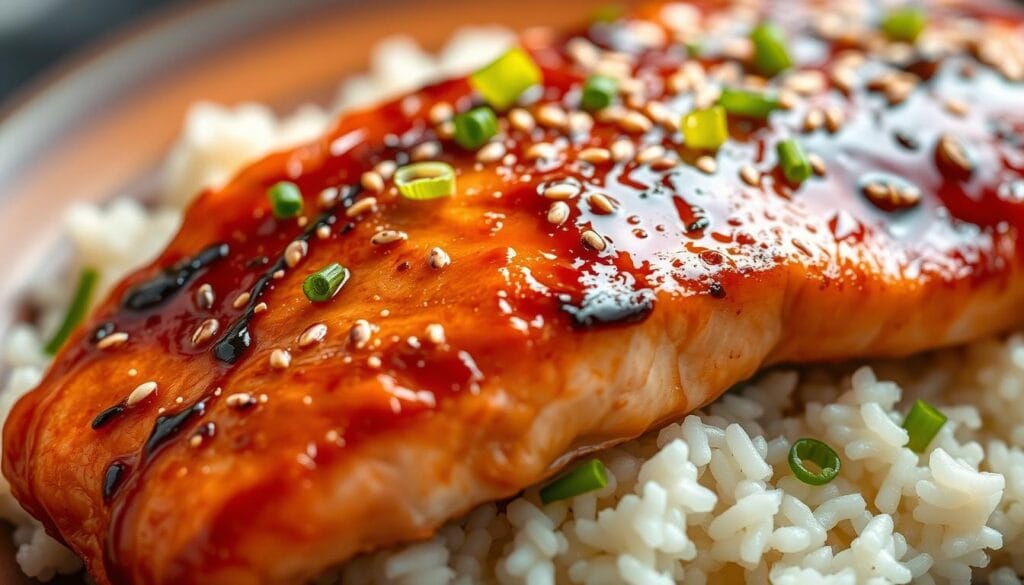
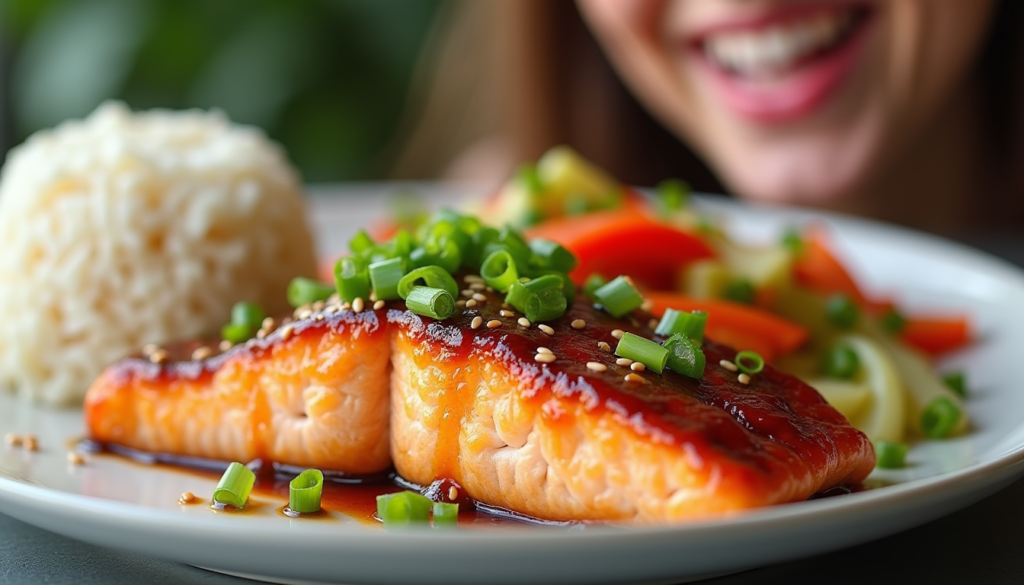
This baked teriyaki salmon recipe transforms ordinary fish into a restaurant-quality masterpiece that’s tender, flaky, and coated in a sweet-savory glaze that caramelizes beautifully in the oven. Picture perfectly baked salmon with a gorgeous lacquered finish, each bite delivering the harmonious balance of umami, sweetness, and a hint of ginger—all without the hassle of grilling or pan-searing.
As someone who’s spent over a decade perfecting Asian-inspired seafood dishes in professional kitchens from Seattle to Tokyo, I’ve discovered that exceptional baked teriyaki salmon relies on three key elements: quality fish, a well-balanced homemade teriyaki sauce, and the precise oven technique that keeps the salmon moist while developing that signature glaze. Most recipes fail because they use bottled teriyaki sauce that’s too thin or bake at the wrong temperature, resulting in either undercooked, soggy fish or dry, overcooked disappointment.
In this comprehensive guide, you’ll master everything you need to create perfect baked teriyaki salmon every time, including how to select the freshest salmon, the secret ratios for authentic teriyaki sauce that’s neither too sweet nor too salty, and the exact baking method that guarantees tender, glazed perfection. Whether you’re meal-prepping for the week or impressing dinner guests, this recipe will become your go-to for healthy, delicious weeknight dinners.
Table of Contents
Why This Baked Teriyaki Salmon Recipe Works
This baked teriyaki salmon recipe has earned its place as a weeknight hero in thousands of kitchens because it delivers on every promise:
- Oven-baked convenience with superior results: Unlike pan-searing that requires constant attention or grilling that needs perfect weather, this oven method delivers consistent results every time. Pop it in the oven and focus on your sides while the salmon bakes to perfection.
- Homemade teriyaki sauce in 5 minutes: Skip the bottled stuff loaded with preservatives and excess sugar. This authentic teriyaki sauce comes together in minutes with pantry staples and tastes infinitely better than store-bought versions. You control the sweetness, saltiness, and thickness.
- Foolproof technique prevents dry salmon: The secret is the two-stage baking process—initially baking at a moderate temperature to cook the fish gently, then broiling briefly to caramelize the glaze. This method guarantees moist, tender salmon with a beautiful glossy finish every single time.
- Ready in 30 minutes total: From prep to plate, this baked teriyaki salmon takes just 30 minutes. The quick marinating time infuses flavor without requiring hours of advance planning, making it perfect for spontaneous weeknight dinners.
- Naturally gluten-free and adaptable: Using tamari instead of soy sauce makes this naturally gluten-free. It’s also easily customizable for various dietary preferences while maintaining authentic Japanese flavors.
- Perfect for meal prep: Salmon reheats beautifully, and the teriyaki glaze actually improves as the flavors meld overnight. Make a batch on Sunday for easy, healthy lunches throughout the week.
- Kid-friendly and crowd-pleasing: The sweet-savory teriyaki flavor appeals to even picky eaters who normally resist fish. It’s an excellent gateway recipe for families trying to incorporate more seafood into their diet.
Choosing the Right Salmon
The foundation of exceptional baked teriyaki salmon starts with selecting quality fish. The type and freshness of salmon directly impact the final dish’s flavor, texture, and visual appeal.
Best Cuts for This Recipe
For baked teriyaki salmon, center-cut fillets with skin on one side are ideal. The skin provides structural support during baking and helps retain moisture, plus it becomes deliciously crispy when broiled with the glaze. Aim for fillets that are uniformly thick (about 1 to 1.5 inches) to ensure even cooking—avoid thin tail pieces that overcook while thicker portions reach doneness.
Individual fillets weighing 5-6 ounces each work perfectly for single servings, though a whole side of salmon (1.5-2 pounds) makes an impressive presentation for dinner parties and feeds 4-6 people. If using a whole side, check for doneness in the thickest part and remember that thinner sections will finish first—this actually creates nice variety for guests who prefer different levels of doneness.
Wild-caught salmon offers superior flavor and firmer texture. Sockeye salmon delivers robust, distinctive taste with deep red-orange flesh that looks stunning glazed with teriyaki. King salmon (Chinook) provides the richest, most buttery flavor with high fat content that keeps it incredibly moist during baking. Coho salmon offers excellent balance between flavor intensity and cost, with medium oil content that complements the sweet teriyaki sauce without overwhelming it.
Farmed Atlantic salmon, while milder in flavor, works beautifully for baked teriyaki salmon and costs significantly less. Its tender texture and neutral taste actually allow the teriyaki glaze to shine, making it an excellent choice for families or those new to salmon. The slightly higher fat content of farmed salmon also provides insurance against overcooking.
Buying Tips
When shopping for your baked teriyaki salmon, use all your senses to identify the freshest fish. Look for flesh that appears moist and slightly translucent with consistent, vibrant color—whether that’s the deep red of sockeye or the lighter coral-pink of Atlantic salmon. The surface should glisten and look freshly cut, never dull, dried out, or showing brown discoloration along the edges.
Press the flesh gently with your finger; it should spring back immediately and feel firm, not soft or mushy. If an indentation remains, the fish is past its prime. Fresh salmon has a clean, ocean-fresh scent—mild and slightly sweet, like cucumber or melon. Any strong fishy, sour, or ammonia-like odor indicates old fish that should be avoided regardless of price.
At the fish counter, don’t hesitate to ask when the salmon arrived, where it’s from, and to smell it before purchasing. Reputable fishmongers expect these questions and will happily provide information. If you’re buying packaged salmon, check the sell-by date and examine the packaging for excessive liquid, which suggests the fish has been sitting too long.
For frozen salmon, look for vacuum-sealed packages with minimal ice crystals—heavy frost or crystallization indicates the fish has been stored too long or has thawed and refrozen. Wild-caught Alaskan salmon is available fresh in summer and early fall, while high-quality frozen wild salmon is available year-round. Farmed Atlantic salmon is consistently available fresh throughout the year.
Substitutions
While this recipe specifically showcases salmon, the baked teriyaki technique and sauce adapt beautifully to other proteins. Arctic char, salmon’s close cousin, provides nearly identical results with slightly milder, more delicate flavor. Steelhead trout offers a budget-friendly alternative that closely resembles salmon in color, texture, and taste while often costing 30-40% less.
For other firm-fleshed fish, try halibut, mahi-mahi, or sea bass—adjust baking time based on thickness, as these generally cook faster than salmon. The teriyaki glaze complements their mild flavors beautifully. Chicken thighs work surprisingly well with this method (increase baking time to 25-30 minutes until internal temperature reaches 165°F), as do pork chops or even firm tofu for vegetarian options.
If someone in your household dislikes salmon, consider making half the recipe with salmon and half with an alternative protein—the teriyaki sauce is forgiving and delicious on virtually anything.
Ingredients & Prep
Salmon Prep Essentials
Proper preparation ensures your baked teriyaki salmon cooks evenly and absorbs maximum flavor from the glaze. Start by removing the salmon from the refrigerator 15-20 minutes before cooking to bring it to room temperature—this prevents the exterior from overcooking while the center reaches proper doneness.
Rinse the salmon briefly under cold water and pat it completely dry with paper towels, paying special attention to the top surface where the glaze will adhere. Any moisture prevents the teriyaki sauce from clinging properly and creates steam during baking, which dilutes the glaze.
Run your fingers along the centerline of each fillet to check for pin bones. Remove any you find with clean tweezers or needle-nose pliers, pulling at a slight angle in the direction the bones point to avoid tearing the flesh. Most salmon from grocery stores has pin bones removed, but wild-caught salmon often retains them.
If your salmon has scales (more common with wild-caught), scrape them off by running the back of a knife against the skin in the direction from tail to head. You can leave the skin on or remove it based on preference—skin provides structural support and helps retain moisture during baking, plus it can be eaten or easily removed after cooking.
Homemade baked teriyaki salmon
The soul of this baked teriyaki salmon lies in the perfectly balanced sauce. Commercial versions can’t compete with homemade teriyaki’s depth of flavor and customizability.
For the Teriyaki Sauce (makes about 1 cup):
- ½ cup soy sauce (use tamari for gluten-free)
- ¼ cup mirin (Japanese sweet rice wine)
- ¼ cup sake or dry sherry
- 3 tablespoons brown sugar or honey
- 2 tablespoons rice vinegar
- 2 cloves garlic, minced
- 1 tablespoon fresh ginger, grated
- 1 teaspoon sesame oil
- 1 tablespoon cornstarch mixed with 2 tablespoons water (slurry for thickening)
For the Salmon:
- 4 salmon fillets (5-6 ounces each) or 1 whole side (1.5-2 pounds)
- Salt and black pepper to taste
- 1 tablespoon neutral oil (for the baking dish)
- Sesame seeds for garnish
- Sliced green onions for garnish
- Optional: red pepper flakes for heat
Making the Perfect Teriyaki Salmon Sauce
In a small saucepan, combine soy sauce, mirin, sake, brown sugar, rice vinegar, garlic, ginger, and sesame oil. Whisk to combine and bring to a simmer over medium heat, stirring occasionally until the sugar dissolves completely, about 3-4 minutes.
Once simmering, slowly drizzle in the cornstarch slurry while whisking constantly. Continue cooking for another 2-3 minutes, stirring frequently, until the sauce thickens enough to coat the back of a spoon. The sauce should have a syrupy consistency—not too thin that it runs off the salmon, but not so thick it becomes gloppy. It will thicken further as it cools.
Remove from heat and let cool slightly before using. You’ll use about half for brushing on the salmon before and during baking, and reserve the other half for drizzling on the finished dish. The sauce keeps refrigerated in an airtight container for up to 2 weeks, making it perfect for meal prep—double or triple the batch and use it on various proteins throughout the week.
Taste and adjust: if too salty, add a bit more brown sugar or honey; if too sweet, add a splash more soy sauce or rice vinegar. The beauty of homemade teriyaki is complete control over the flavor profile to suit your preferences.
Pantry Staples and Flavor Builders
Keep these ingredients on hand to enhance your baked teriyaki salmon: Fresh ginger and garlic are non-negotiable—they provide aromatic depth that ground versions can’t match. Mirin adds authentic sweetness and subtle complexity; if unavailable, substitute with 3 tablespoons sugar dissolved in ¼ cup water, though the flavor won’t be quite as nuanced. Sake contributes depth and helps tenderize the fish; dry sherry or white wine work as substitutes.
Rice vinegar provides gentle acidity that balances the sweetness—avoid substituting with harsh distilled white vinegar, which overwhelms delicate flavors. Use apple cider vinegar in a pinch. Sesame oil adds nutty richness; just a teaspoon goes a long way, so don’t skip it. For heat lovers, red pepper flakes or sriracha stirred into the sauce bring welcome spice that cuts through the sweetness.
Step-by-Step Cooking Instructions
Pre-Cooking Prep baked teriyaki salmon
Position your oven rack in the upper third of the oven and preheat to 400°F (200°C). This higher position allows the salmon to get closer to the heat source during the final broiling stage for perfect caramelization.
While the oven heats, prepare your baking dish or sheet pan. Line a rimmed baking sheet with aluminum foil or parchment paper for easy cleanup, then lightly oil the surface to prevent sticking. Alternatively, use a baking dish just large enough to hold your salmon with minimal space around it—this concentrates the glaze for more intense flavor.
Pat the salmon completely dry once more (it may have released additional moisture as it came to room temperature). Season both sides lightly with salt and black pepper—go easy on the salt since the teriyaki sauce is already quite salty. Place the salmon skin-side down on the prepared pan, leaving space between fillets if using multiple pieces.
Have your teriyaki sauce ready and divided: pour about half into a small bowl for brushing on the salmon, and reserve the remainder in a separate container for serving. Never use sauce that’s touched raw fish for serving—this prevents any risk of contamination.
Baking Method
Brush a generous amount of teriyaki sauce over the top and sides of the salmon, creating an even coating. Don’t be shy—you want good coverage, but save enough sauce for basting during cooking.
Place the salmon in the preheated 400°F oven and bake for 10 minutes. During this initial baking stage, the salmon begins cooking through while the teriyaki sauce starts to set and caramelize slightly.
After 10 minutes, remove the pan from the oven and brush another layer of teriyaki sauce over the salmon. The first coating will have absorbed into the fish and evaporated slightly, so this second layer builds up the glaze.
Return to the oven and bake for another 5-8 minutes, depending on thickness. For 1-inch thick fillets, check at 5 minutes; for thicker cuts up to 1.5 inches, give them the full 8 minutes. You’re aiming for salmon that’s almost done but still slightly translucent in the very center—it will finish cooking during the broiling step.
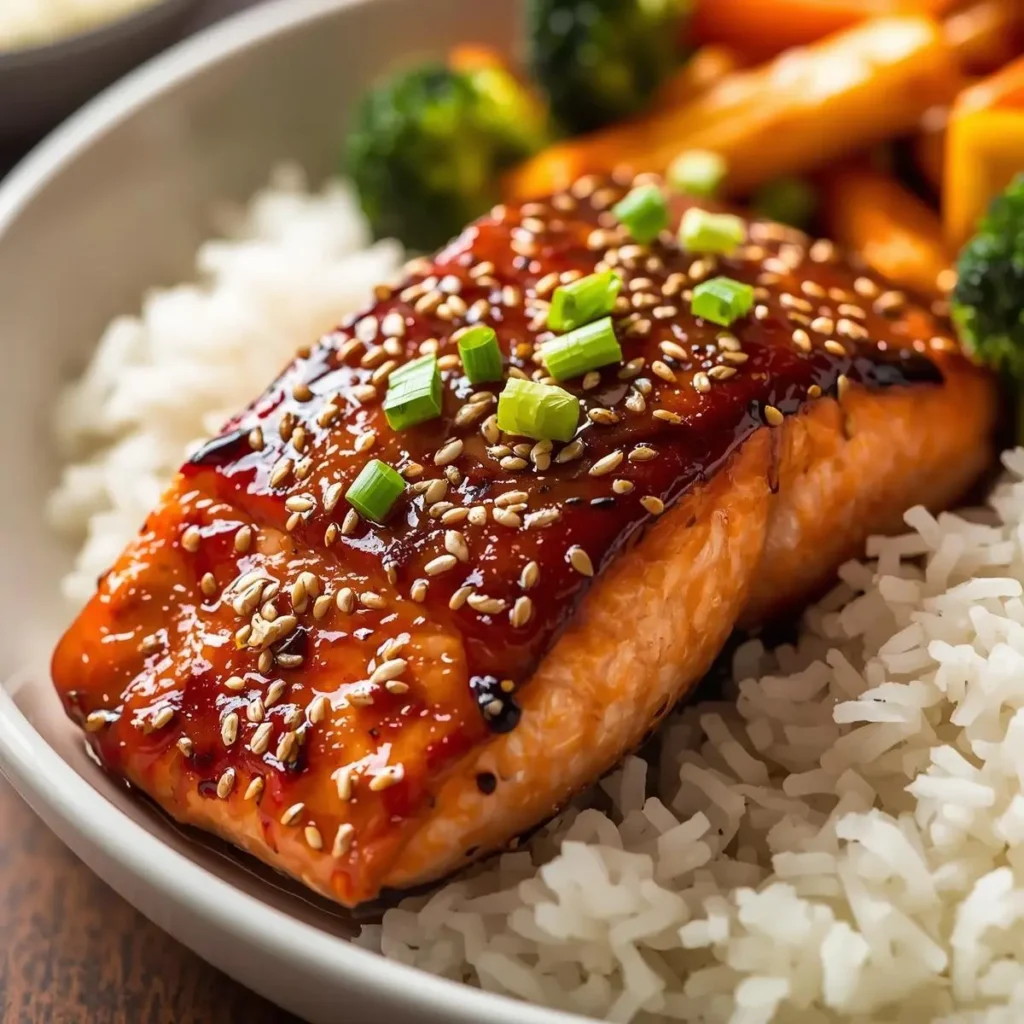
Once the salmon is nearly cooked through, switch your oven to broil (high setting) and move the rack closer to the heat source if needed (about 4-6 inches away). Brush one final layer of teriyaki sauce on the salmon and broil for 2-3 minutes, watching carefully, until the glaze bubbles, caramelizes, and turns glossy and slightly charred in spots.
The high heat of the broiler caramelizes the sugars in the teriyaki sauce, creating that signature lacquered appearance and adding complex flavor. Stay vigilant during broiling—the difference between perfectly caramelized and burnt happens in seconds.
Doneness Check
The most reliable way to check if your baked teriyaki salmon is done is with an instant-read thermometer inserted into the thickest part of the fillet. For optimal texture and moisture, aim for an internal temperature of 125-130°F—the salmon will be medium-rare to medium, with a slightly translucent center that’s incredibly moist and tender.
If you prefer your baked teriyaki salmon fully cooked through, target 135-140°F for medium to medium-well, which yields opaque flesh throughout while still maintaining good moisture. The FDA recommends 145°F for safety, though this produces drier salmon—the teriyaki glaze helps mitigate this, but you sacrifice some of that luxurious, buttery texture.
Visual and tactile cues also help: properly cooked salmon flakes easily when gently pressed with a fork but still holds together. It should transition from translucent to opaque, and you might see a bit of white albumin (a harmless protein) on the surface, which is completely normal, especially with farmed salmon. The flesh should offer slight resistance when pressed—if it’s very soft and jiggly, it needs more time; if it’s firm and tough, it’s overcooked.
Remember that carryover cooking will add another 3-5 degrees after you remove the salmon from the oven, so pull it slightly before it reaches your target temperature.
Resting and Serving
Let the baked teriyaki salmon rest for 2-3 minutes after removing it from the oven. This brief rest allows the proteins to relax and reabsorb juices, ensuring maximum moisture in every bite. During this time, the glaze also sets slightly, making it easier to serve and creating that gorgeous shiny finish.
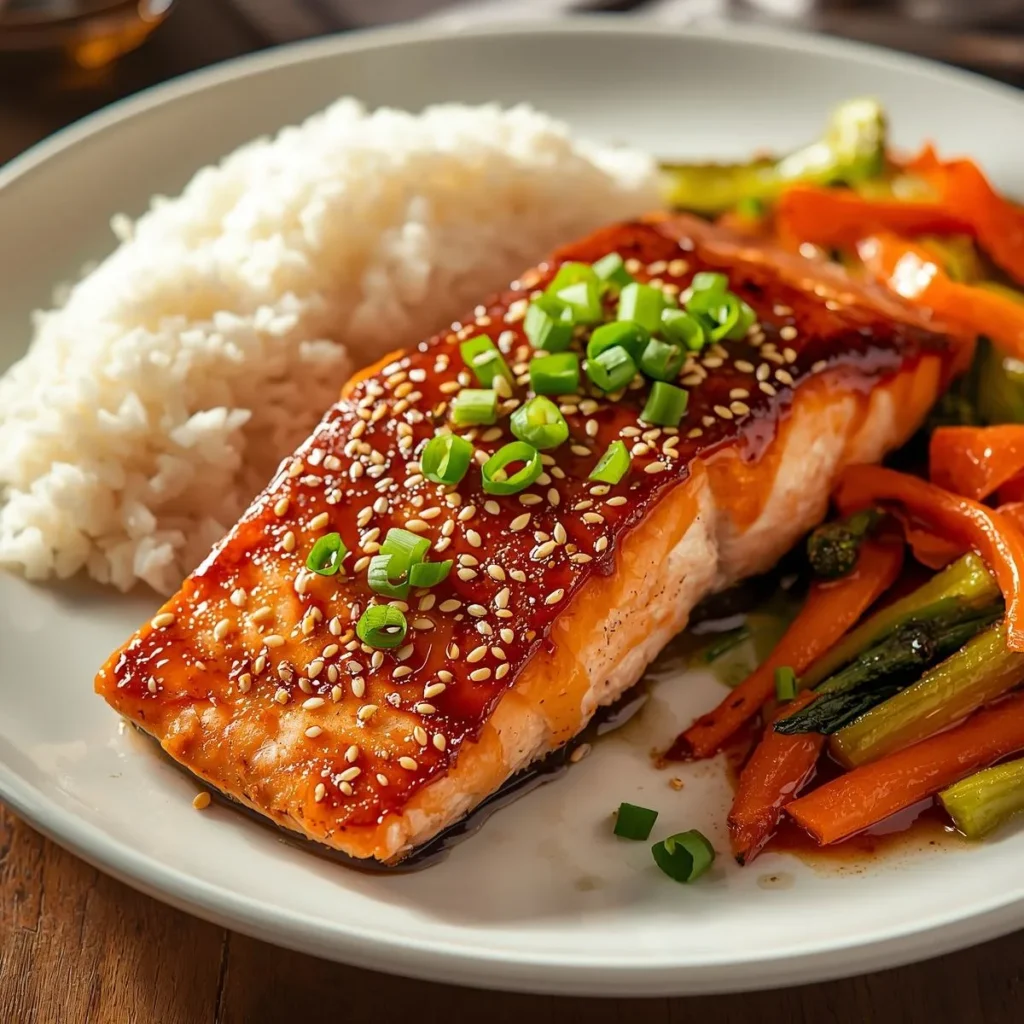
Transfer the salmon to serving plates using a fish spatula, leaving the skin behind on the foil if desired (it often sticks to the pan). Drizzle with reserved teriyaki sauce that hasn’t touched raw fish, and garnish generously with toasted sesame seeds and sliced green onions. A sprinkle of red pepper flakes adds visual appeal and a hint of heat for those who want it.
Serve immediately while the glaze is still glossy and slightly warm. The contrast between the caramelized teriyaki exterior and the tender, flaky interior is most pronounced when the salmon is fresh from the oven.
Pro Tips for Perfect Baked Teriyaki Salmon
Avoiding Dry or Overcooked Salmon
The most common mistake with baked teriyaki salmon is overcooking, which transforms tender, flaky fish into dry, chalky disappointment. Combat this by using an instant-read thermometer and removing the salmon from the oven when it’s slightly underdone—carryover cooking will finish it perfectly as it rests.
Don’t skip the room temperature step. Salmon straight from the refrigerator cooks unevenly, with an overcooked exterior and undercooked center. Let it sit out for 15-20 minutes before baking.
The two-stage cooking method (baking then broiling) is crucial. Baking at 400°F cooks the salmon gently and evenly, while the brief broil at the end caramelizes the glaze without overcooking the fish. If you try to achieve both simultaneously at a single temperature, you’ll either burn the glaze before the fish cooks through or overcook the fish while waiting for caramelization.
Keep salmon fillets uniform in thickness when possible. If using a whole side where one end is significantly thinner, either fold that thin portion under itself to create even thickness, or remove it from the oven a few minutes early and tent with foil while the thicker portion finishes.
Tool Recommendations
An instant-read thermometer is your most valuable tool for perfect baked teriyaki salmon—it eliminates all guesswork. Digital models like the ThermoWorks ThermoPop or Thermapen read in 2-3 seconds and are worth every penny for consistently perfect fish, poultry, and meat.
A good quality basting brush (preferably silicone) makes applying teriyaki sauce easy and even. Silicone brushes are heat-safe, dishwasher-friendly, and don’t shed bristles into your food like some natural-fiber brushes. Keep one dedicated to sweet glazes to avoid flavor contamination.
A rimmed baking sheet (also called a sheet pan or half-sheet) is essential—the raised edges contain any glaze that drips off, preventing oven messes. Line it with foil or parchment paper for effortless cleanup. A fish spatula with a thin, flexible, slotted blade makes transferring the delicate baked salmon to plates foolproof without breaking the fillets.
For making teriyaki sauce, a small saucepan (2-3 quarts) with a heavy bottom distributes heat evenly and prevents scorching. A whisk ensures smooth incorporation of the cornstarch slurry without lumps.
Storage & Reheating
Leftover baked teriyaki salmon stores beautifully in an airtight container in the refrigerator for up to 3 days. The flavors actually deepen and improve as they meld overnight, making this an excellent meal prep recipe. Store the salmon separately from any rice or vegetables to maintain the best texture.
To reheat, avoid the microwave if possible, as it tends to overcook the already-cooked salmon, making it dry and rubbery. Instead, preheat your oven to 275°F, place the salmon on a foil-lined baking sheet, cover loosely with foil, and reheat for 10-12 minutes until just warmed through. Brush with a bit of fresh teriyaki sauce or a splash of water before reheating to add moisture.
Alternatively, enjoy leftover baked teriyaki salmon cold or at room temperature—it’s delicious flaked over salads, in rice bowls, or even in sushi rolls. The firm texture when chilled makes it perfect for these applications.
You can freeze cooked baked teriyaki salmon, though the texture will be slightly softer after thawing. Wrap individual portions tightly in plastic wrap, then place in freezer bags with the air pressed out. Freeze for up to 2 months. Thaw overnight in the refrigerator before reheating gently. For best results, slightly undercook the salmon if you know you’ll be freezing it, so reheating doesn’t push it past optimal doneness.
Flavor Variations
Spicy Teriyaki Salmon
Kick up the heat in your baked teriyaki salmon by adding spicy elements that complement the sweet-savory glaze. Stir 1-2 tablespoons of sriracha or sambal oelek into the teriyaki sauce for uniform heat throughout. Alternatively, add ½ teaspoon of red pepper flakes or a minced Thai bird’s eye chili to the sauce as it simmers.
For a spicy-sweet combination that’s incredibly addictive, mix 1 tablespoon of gochugaru (Korean red pepper flakes) into the teriyaki sauce—it provides moderate heat with subtle smokiness and a beautiful red color. Garnish the finished salmon with sliced fresh jalapeños or serrano peppers for those who want extra kick.
Top with a drizzle of spicy mayo (mayonnaise mixed with sriracha) after baking for a creamy element that tames the heat while adding richness. This variation pairs beautifully with cooling sides like cucumber salad or steamed broccoli.
Citrus-Ginger Teriyaki Salmon
Brighten the traditional teriyaki with citrus that cuts through the richness and adds aromatic complexity. Add the zest of 1 orange and 1 lime to the teriyaki sauce as it simmers, then stir in 2 tablespoons of fresh orange juice at the end. Double the fresh ginger to 2 tablespoons for extra zing.
After baking, garnish with fresh orange segments or thin lime wheels for beautiful presentation and bursts of fresh citrus flavor. A handful of fresh cilantro alongside the traditional green onions adds herbal brightness that complements the citrus notes.
This lighter, more refreshing version of baked teriyaki salmon is perfect for spring and summer dining, especially when paired with light sides like jasmine rice and grilled vegetables.
Honey-Garlic Teriyaki Salmon
For those who prefer a sweeter, more mellow profile, replace the brown sugar in the teriyaki sauce with ¼ cup of honey. Triple the garlic to 6 cloves (garlic lovers rejoice!) and add 1 teaspoon of toasted sesame seeds directly to the sauce for extra nutty flavor.
The honey creates an even more luxurious glaze that caramelizes beautifully under the broiler, developing deep amber tones and rich flavor. This version appeals to kids and anyone who finds traditional teriyaki too salty or intense.
Garnish with extra toasted sesame seeds and serve with roasted sweet potatoes for a naturally sweet meal that feels indulgent while still being nutritious.
Pineapple Teriyaki Salmon
Bring tropical vibes to your baked teriyaki salmon with sweet-tart pineapple that creates an island-inspired feast. Reduce the brown sugar to 2 tablespoons and add ¼ cup of pineapple juice to the teriyaki sauce. For extra texture and flavor, scatter small fresh pineapple chunks around the salmon on the baking sheet—they’ll caramelize alongside the fish, becoming sweet and slightly charred.
After baking, top the salmon with a quick pineapple salsa: combine diced fresh pineapple, red bell pepper, red onion, jalapeño, cilantro, and lime juice. The fresh, bright salsa contrasts beautifully with the rich, glazed salmon.
This variation pairs perfectly with coconut rice and grilled zucchini for a complete Hawaiian-style meal that transports you to the islands.
Low-Sugar/Keto Teriyaki Salmon
Transform this recipe into a low-carb option without sacrificing flavor. Replace the brown sugar with 2-3 tablespoons of a granulated erythritol blend or monk fruit sweetener. Use only 1 teaspoon of cornstarch in the slurry (or skip it entirely for a thinner but still delicious sauce—xanthan gum works as a keto-friendly thickener if desired).
Add ½ teaspoon of fish sauce to boost umami and compensate for any flavor depth lost from reducing sugar. The result is a lighter teriyaki that allows the salmon’s natural richness to shine while still providing that signature sweet-savory balance.
Serve with cauliflower rice and roasted vegetables for a complete keto-friendly meal that delivers approximately 5-7g net carbs per serving instead of the 15-20g in traditional teriyaki.
Serving Suggestions
Baked teriyaki salmon’s versatility makes it the centerpiece of countless meal combinations, from traditional Japanese to modern fusion.
Classic Japanese Accompaniments: Steamed white rice or fluffy jasmine rice is the traditional foundation that soaks up extra teriyaki glaze. Miso soup adds warming umami that complements the salmon without competing. Steamed or stir-fried vegetables like bok choy, snap peas, or green beans provide nutritious crunch. A simple cucumber salad dressed with rice vinegar, sugar, and salt offers refreshing contrast to the rich, sweet salmon.
Asian-Inspired Bowls: Create complete grain bowls with brown rice or quinoa as a base, top with baked teriyaki salmon, and add edamame, shredded carrots, sliced avocado, pickled ginger, and nori strips. Drizzle with extra teriyaki sauce and sprinkle with sesame seeds. These bowls are perfect for meal prep—assemble the components and store separately, then combine when ready to eat.
Light and Fresh Options: For a lower-carb meal, serve baked teriyaki salmon over a bed of mixed greens or spiralized zucchini noodles. The warm salmon slightly wilts the greens while the teriyaki acts as a flavorful dressing. Add mandarin orange segments, sliced almonds, and a sesame-ginger vinaigrette for a complete salad that’s satisfying yet light.
Comfort Food Pairings: Creamy mashed potatoes or garlic mashed cauliflower provide comforting richness that balances the teriyaki’s sweetness. Roasted sweet potatoes cut into wedges and lightly salted offer natural sweetness that harmonizes with the glaze. Coconut rice (jasmine rice cooked in coconut milk) adds tropical richness that pairs beautifully with salmon.
Vegetable Sides: Roasted asparagus with lemon provides elegant simplicity that lets the salmon shine. Stir-fried broccoli with garlic adds green nutrition and satisfying texture. Grilled or roasted Brussels sprouts with a drizzle of balsamic glaze create caramelized flavor that echoes the teriyaki’s sweetness. Sautéed mushrooms with butter and herbs contribute earthy umami that deepens the overall meal experience.
Beverage Pairings: The sweet-savory profile of baked teriyaki salmon pairs beautifully with various beverages. For wine, try an off-dry Riesling or Gewürztraminer—the slight sweetness complements the teriyaki while acidity cuts through the richness. A light-bodied Pinot Noir offers fruity notes that work with both the salmon and the glaze. Sake (served warm or cold) provides authentic Japanese pairing that harmonizes perfectly.
Beer lovers should reach for a Japanese lager like Sapporo or Asahi, whose crisp, clean profiles refresh the palate. Wheat beers like hefeweizen offer subtle fruitiness that complements the teriyaki’s sweetness. For non-alcoholic options, iced green tea provides gentle bitterness that balances the glaze, or try sparkling water with fresh lime for simple refreshment.
FAQs
Can I use frozen salmon for this recipe?
Absolutely! Frozen salmon works excellently for baked teriyaki salmon and is often more affordable and accessible than fresh fish. Properly handled frozen salmon can even surpass “fresh” fish that’s been sitting in the display case for days. The key is proper thawing—never thaw salmon at room temperature or in warm water, as this promotes bacterial growth and creates mushy texture. For best results, thaw frozen salmon overnight in the refrigerator on a plate to catch any liquid (this typically takes 12-18 hours). If you need faster thawing, seal the salmon in a plastic bag and submerge in cold water, changing the water every 30 minutes until thawed (usually 1-2 hours for fillets). Once thawed, pat the salmon extremely thoroughly dry before applying the teriyaki glaze—frozen fish releases more moisture than fresh, and excess water will dilute your glaze and prevent proper caramelization. The cooking method remains exactly the same as with fresh salmon.
How do I know when the salmon is done without a thermometer?
While an instant-read thermometer is the most reliable tool, you can use visual and tactile cues to determine doneness. Press the thickest part of the salmon gently with a fork or your finger—it should offer slight resistance and feel somewhat firm, not jiggly or very soft. When you gently insert a fork and twist slightly, properly cooked salmon will flake into large sections but still hold together. The flesh should have transitioned from translucent to opaque throughout most of the fillet, though a slightly darker, translucent line in the very center indicates perfect medium doneness. You might see some white albumin (protein) on the surface, which is completely normal and harmless. If the salmon flakes apart very easily into tiny pieces or feels tough and dry when pressed, it’s overcooked. When in doubt, slightly undercook—you can always return it to the oven for another minute or two, but you can’t uncook salmon.
Can I make the teriyaki sauce ahead of time?
Yes, and it’s actually recommended! Homemade teriyaki sauce keeps beautifully in an airtight container in the refrigerator for up to 2 weeks, making it perfect for meal prep. Make a double or triple batch and use it throughout the week on various proteins, vegetables, or as a stir-fry sauce. The flavors actually meld and deepen slightly as the sauce sits, potentially improving the taste. When ready to use, give it a good stir or shake (it may separate slightly or thicken), and reheat gently if desired, though you can brush cold sauce on the salmon before baking—it will heat through in the oven. If the sauce becomes too thick when cold, thin it with a tablespoon or two of water, sake, or mirin. Making the sauce ahead saves precious time on busy weeknights and ensures you’re never more than 15 minutes away from delicious baked teriyaki salmon.
Is this recipe safe during pregnancy?
Salmon is one of the best seafood choices during pregnancy due to its low mercury content and high omega-3 fatty acids (particularly DHA), which support fetal brain and eye development. However, pregnant women should ensure the salmon reaches an internal temperature of 145°F (fully opaque throughout with no translucent center) to eliminate any potential parasites or harmful bacteria. This means cooking it slightly beyond the medium-rare range many prefer. The good news is that the teriyaki glaze helps keep the salmon moist even when cooked to this temperature, so it won’t be dry. The sauce contains sake or sherry, but the alcohol cooks off during the simmering process, leaving only flavor behind—after simmering for 5+ minutes, less than 5% of the original alcohol remains, which is generally considered safe. If you have concerns, omit the sake and replace with additional mirin or simply use chicken broth. As always, consult your healthcare provider about your specific dietary needs during pregnancy.
Can I use bottled teriyaki sauce instead of homemade?
While you can use store-bought teriyaki sauce for convenience, homemade makes a significant difference in this recipe. Most bottled versions are too thin, overly sweet, loaded with preservatives, and lack the depth of flavor that fresh ginger and garlic provide. They also often contain high fructose corn syrup instead of real sugar, which affects both taste and caramelization. If you must use bottled sauce, choose a higher-quality brand with minimal ingredients (soy sauce, sugar, mirin, and vinegar should be the main components), and improve it by simmering it for 5 minutes with fresh minced garlic, grated ginger, and a splash of rice vinegar. Thicken it with a cornstarch slurry so it clings to the salmon properly. You’ll need about ¾ cup of bottled sauce for this recipe. That said, homemade teriyaki sauce takes only 5 minutes to make and uses simple pantry staples—it’s absolutely worth the minimal effort for dramatically better results.
How did you find results our recipes
There are no reviews yet. Be the first one to write one.