Introduction
Flank steak recipes are a game-changer for home cooks who crave bold flavor and tender, juicy results. Whether grilled, seared, or marinated, flank steak delivers delicious versatility in every bite—from weeknight dinners to impressive BBQ spreads.
This long, flat cut from the cow’s lower chest is prized for its robust beefy flavor and distinctive grain. While it’s one of the more affordable cuts, flank steak rewards proper technique with restaurant-quality results that rival pricier steaks.
Why flank steak is so popular: It’s lean, flavorful, and absorbs marinades beautifully. The pronounced grain means slicing technique matters, but when done correctly, you get tender, flavorful strips perfect for tacos, salads, stir-fries, or serving as a main course.
Cooking versatility: Grill it over high heat for smoky char, sear it in a screaming-hot cast iron pan, broil it in the oven, or even slow-cook it for specific applications. Each method highlights different aspects of this versatile cut.
The tender truth: Flank steak isn’t naturally tender like ribeye or tenderloin, but that’s exactly why marinades and slicing technique are crucial. Master these fundamentals and you’ll unlock incredible flavor at a fraction of the cost.
By the end, you’ll master multiple flank steak recipes that are easy, flavorful, and restaurant-worthy—from classic marinated grilled steak to Asian-inspired variations and Mexican-style preparations perfect for tacos.
Table of Contents
Why You’ll Love These Flank Steak Recipes
These recipes succeed because they combine affordability, flavor, and practical cooking techniques that work in any home kitchen.
Budget-friendly but full of flavor: Flank steak costs significantly less than premium cuts like ribeye or New York strip, yet delivers bold, beefy taste that satisfies. You’re paying for flavor, not marbling or tenderness you can develop yourself.
Perfect for weeknight dinners or BBQs: Quick-cooking flank steak fits busy schedules. From marinade to table takes under 30 minutes of active time. It’s also impressive enough for entertaining when sliced and presented beautifully.
Ideal for marinades and meal prep: The dense muscle fibers soak up flavors like a sponge. Marinate overnight and cook multiple steaks at once for meal prep—slice and use throughout the week in various dishes.
Great protein source for balanced meals: Lean and protein-rich with less fat than many cuts. A 4-ounce serving provides about 28 grams of protein, making it excellent for fitness-focused eating or balanced family meals.
Incredibly versatile: One cut, countless applications—serve it sliced as a main course, dice it for stir-fries, strip it for fajitas, or layer it in sandwiches. Few cuts offer this much flexibility.

Chef Tip from Gordon Ramsay
“Marinating flank steak is essential—it tenderizes the meat and locks in rich flavor.”
Gordon Ramsay emphasizes that flank steak’s lean nature means marinades aren’t optional—they’re crucial. The acidic components (citrus, vinegar, wine) begin breaking down tough muscle fibers, while oil and seasonings penetrate deeply. Even a 2-hour marinade makes a significant difference, but overnight is ideal. Don’t skip this step or your steak will be chewy rather than tender.
Ingredients & Marinade Essentials for Flank Steak Recipes
Quality ingredients and proper ratios create marinades that tenderize and flavor simultaneously.
| Ingredient | Quantity | Purpose |
|---|---|---|
| Flank steak | 1.5 lbs | Main protein, serves 4-6 |
| Extra virgin olive oil | 3 tablespoons | Fat base carries flavors, prevents sticking |
| Soy sauce | ¼ cup | Umami depth, saltiness, tenderizing |
| Garlic (minced) | 3 cloves | Aromatic foundation, savory punch |
| Fresh lime juice | 2 tablespoons | Acid tenderizes, adds brightness |
| Brown sugar | 1 tablespoon | Balances salt, promotes caramelization |
| Black pepper (freshly ground) | 1 teaspoon | Subtle heat, aromatic depth |
| Optional: Red pepper flakes | ½ teaspoon | Heat and complexity |
| Optional: Fresh herbs | 2 tablespoons chopped | Bright, fresh notes |
Understanding Marinade Components
Acid (lime juice, vinegar, wine): Tenderizes by breaking down proteins. Too much or too long can make meat mushy, so stick to recommended times.
Oil (olive oil, sesame oil): Carries fat-soluble flavors, keeps meat moist during cooking, prevents sticking to grill or pan.
Salt (soy sauce, Worcestershire): Enhances flavor, helps meat retain moisture through brining effect.
Sugar (brown sugar, honey): Balances saltiness, promotes browning and caramelization during cooking.
Aromatics (garlic, ginger, onion): Build flavor complexity and savory depth.
Selecting Quality Flank Steak
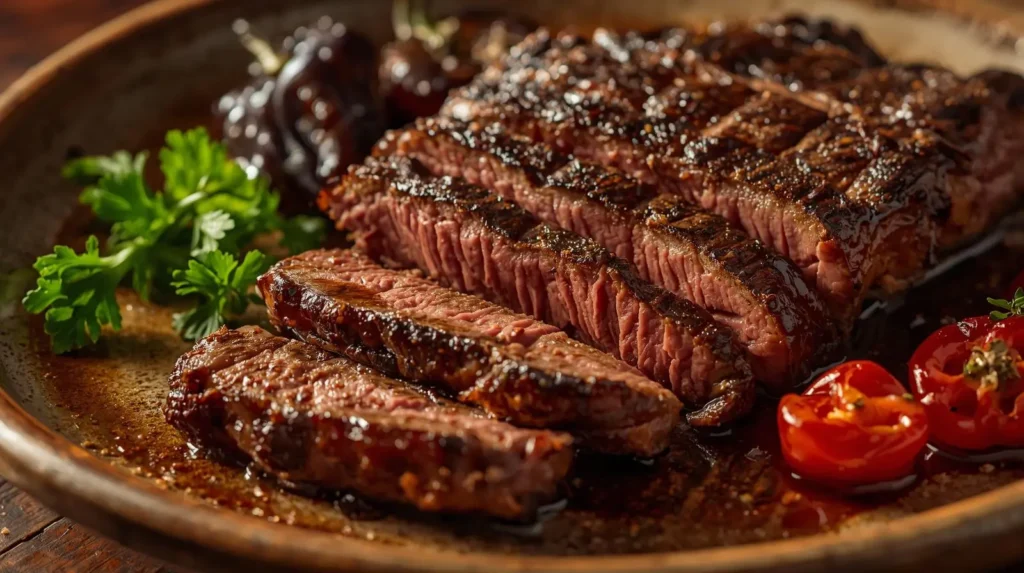
What to look for: Deep red color, minimal surface moisture, fresh smell. Avoid gray or brown meat, excessive liquid in packaging, or sour odors.
Size matters: Look for steaks 1 to 1.5 pounds for easier cooking and serving. Larger steaks take longer and are harder to fit in pans.
Thickness: Aim for relatively uniform thickness (¾ to 1 inch) for even cooking. Very thin steaks overcook easily; very thick ones are hard to cook evenly.
Ask your butcher: Request they trim excess fat and silver skin (the thin, silvery membrane) if present. You can do this yourself with a sharp knife if needed.
Chef’s Advice from Jamie Oliver
“Let your flank steak soak up flavor for at least 2 hours—overnight if you can. The result is magic.”
Jamie Oliver stresses patience with marinating. While you can get away with 30 minutes in a pinch, 2-12 hours produces dramatically better results. The marinade needs time to penetrate the dense muscle fibers. Marinate in the refrigerator in a sealed bag or covered container, turning occasionally for even coverage. Longer isn’t always better—more than 24 hours with acidic marinades can make texture mushy.
How to Make Flank Steak Recipes Step-by-Step
1. Prepare the Marinade
In a medium bowl, whisk together olive oil, soy sauce, minced garlic, fresh lime juice, brown sugar, and black pepper until sugar dissolves completely.
Mixing tip: Whisk vigorously to emulsify the oil and acid into a cohesive mixture rather than separated layers.
Taste the marinade: It should taste strong—salty, acidic, and slightly sweet. Remember it’s being diluted by the meat, so bold flavor is correct.
Optional additions: Fresh ginger (1 tablespoon grated), red pepper flakes (½ teaspoon), or fresh herbs like cilantro or parsley (2 tablespoons chopped).
2. Marinate the Steak
Place flank steak in a large resealable plastic bag or shallow glass dish.
Pour marinade over steak, ensuring it’s completely coated. If using a bag, squeeze out excess air and seal. If using a dish, cover tightly with plastic wrap.
Refrigerate for 2-12 hours, flipping halfway through for even marination.
Temperature safety: Never marinate at room temperature for more than 30 minutes. Refrigeration prevents bacterial growth while meat absorbs flavors.
Don’t reuse marinade: Discard used marinade that contacted raw meat, or boil it for 5 minutes if you want to use it as a sauce.
3. Bring to Room Temperature
Remove steak from refrigerator 20-30 minutes before cooking. This allows for more even cooking—cold centers lead to overcooked exteriors.
Pat steak dry with paper towels. Excess moisture prevents proper searing and creates steam instead of a crust.
4. Grill or Sear the Steak
Grilling method: Preheat grill to high heat (450-500°F). Oil grates to prevent sticking. Place steak on grill and cook 3-4 minutes per side for medium-rare, without moving it during cooking.
Pan-searing method: Heat cast iron or heavy skillet over high heat until smoking. Add 1 tablespoon oil. Place steak in pan and cook 3-4 minutes per side, pressing down slightly for maximum contact and crust development.
Oven broiling: Position oven rack 4-6 inches from broiler element. Preheat broiler on high. Place steak on broiler pan or wire rack over baking sheet. Broil 3-4 minutes per side.
Don’t move the meat: Let it develop a proper crust before flipping. Constant flipping prevents browning.
Use high heat: Flank steak is thin and cooks quickly. High heat creates crust while keeping interior juicy.
5. Check for Doneness
Use an instant-read thermometer inserted into the thickest part of the steak.
Temperature guide:
- Rare: 125°F
- Medium-rare: 130-135°F (recommended)
- Medium: 140-145°F
- Well-done: 155°F+
Visual cues: Medium-rare shows light pink center with rosy juices. Press test: soft and springy for rare, firmer with slight give for medium-rare.
6. Rest and Slice Against the Grain
Transfer cooked steak to cutting board and tent loosely with aluminum foil.
Rest for 5-10 minutes. This allows juices to redistribute—cutting immediately causes them to run out, leaving meat dry.
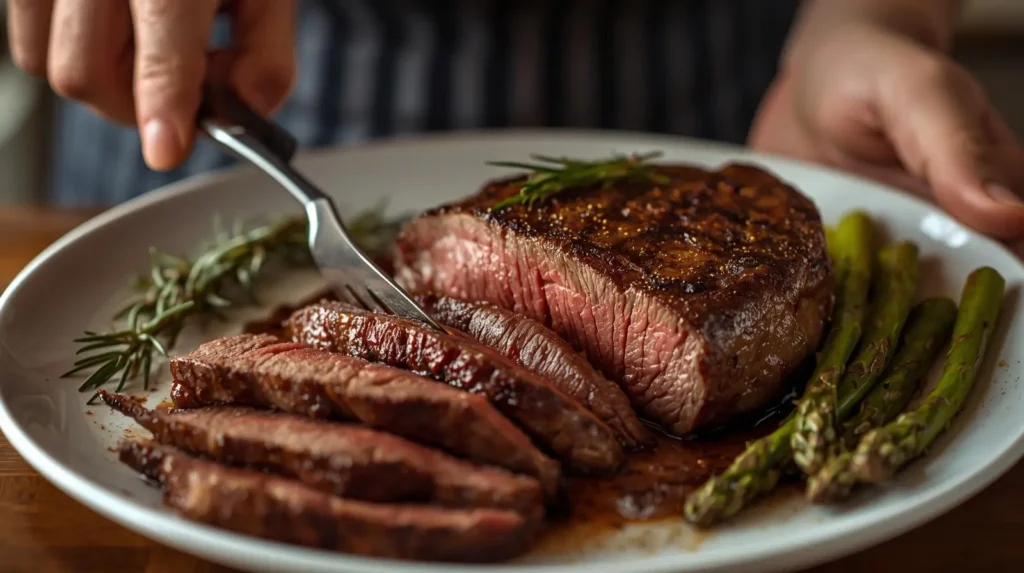
Critical slicing technique: Look at the steak and identify the direction of muscle fibers (the grain). You’ll see parallel lines running across the meat.
Using a sharp knife, slice perpendicular to these lines—this is “against the grain.” Cut at a slight diagonal for wider slices.
Slice about ¼ inch thick for tender results. Thicker slices are tougher to chew.
Expert Tip from Ina Garten
“Cutting against the grain ensures tenderness and perfect texture.”
Ina Garten emphasizes this is the single most important step many home cooks miss. Flank steak has very pronounced grain—long muscle fibers running in one direction. Slicing with the grain means you’re eating long, tough fibers. Slicing against the grain cuts those fibers into short segments, making each bite tender. This technique can turn a potentially chewy steak into a tender, enjoyable one. Take a moment to identify grain direction before slicing.
Cooking Time & Temperature Guide for Flank Steak Recipes
| Doneness Level | Internal Temperature | Cook Time Per Side | Description |
|---|---|---|---|
| Rare | 120-125°F | 2-3 minutes | Deep red center, very soft |
| Medium-Rare | 130-135°F | 3-4 minutes | Pink center, warm throughout, juicy |
| Medium | 140-145°F | 4-5 minutes | Light pink center, slightly firm |
| Medium-Well | 150-155°F | 5-6 minutes | Barely pink, firmer texture |
| Well-Done | 160°F+ | 6-7 minutes | No pink, fully firm (not recommended) |
Note: Times assume ¾ to 1-inch thick steak over high heat (450-500°F). Thicker steaks need slightly more time.
Carryover cooking: Temperature rises 5-10 degrees during resting. Remove steak 5 degrees before target temperature to account for this.
Recommended doneness: Medium-rare to medium works best for flank steak. The lean nature means well-done becomes tough and dry.
Flavor Variations for Flank Steak Recipes
One base technique, endless flavor possibilities through creative marinades and seasonings.
| Recipe Variation | Key Marinade Flavors | Best Served With | Notes |
|---|---|---|---|
| Asian-Style Flank Steak | Soy sauce, sesame oil, fresh ginger, rice vinegar | Jasmine rice, stir-fried vegetables, bok choy | Add honey for sweetness, garnish with sesame seeds and scallions |
| Chimichurri Flank Steak | Fresh parsley, oregano, garlic, red wine vinegar, olive oil | Roasted potatoes, grilled vegetables | Traditional Argentine preparation, serve sauce on the side |
| Honey Garlic Flank Steak | Honey, soy sauce, garlic, ginger | Rice, roasted broccoli | Sweet and savory balance, caramelizes beautifully |
| Spicy Mexican Flank Steak | Lime juice, chili powder, cumin, cilantro, jalapeño | Warm tortillas, pico de gallo, guacamole | Perfect for tacos or fajitas, add chipotle for smoke |
| Balsamic Herb Flank Steak | Balsamic vinegar, rosemary, thyme, Dijon mustard | Mashed potatoes, green beans | Sophisticated flavor, pairs with red wine |
| Teriyaki Flank Steak | Soy sauce, mirin, brown sugar, garlic, ginger | Steamed rice, edamame | Glossy glaze, garnish with green onions |
Creating Custom Marinades
Follow the formula: Acid + oil + salt + aromatics + sweetener = balanced marinade.
Acid options: Citrus juice, vinegar (red wine, balsamic, rice), wine, yogurt, buttermilk.
Oil options: Olive, sesame, avocado, grapeseed.
Salt sources: Soy sauce, Worcestershire sauce, fish sauce, tamari, straight salt.
Aromatics: Garlic, ginger, shallots, onion, fresh herbs, dried spices.
Sweeteners: Sugar, honey, maple syrup, agave, fruit juice.
Balance is key: Too much acid makes meat mushy, too little means less tenderizing. Taste your marinade—it should be strong but balanced.
Chef Tip from Gordon Ramsay
“Balance sweet, salty, and acid—that’s the secret to restaurant-level flavor.”
Gordon Ramsay’s fundamental approach to marinades applies perfectly to flank steak recipes. Professional kitchens achieve depth by balancing these three elements rather than just adding more ingredients. The saltiness (from soy sauce or salt) provides savory foundation, acidity (from citrus or vinegar) brightens and tenderizes, sweetness (from sugar or honey) rounds out sharp edges and promotes caramelization. Start with this trinity and build complexity with aromatics and spices.
Serving Suggestions for Flank Steak Recipes
As a Main Course
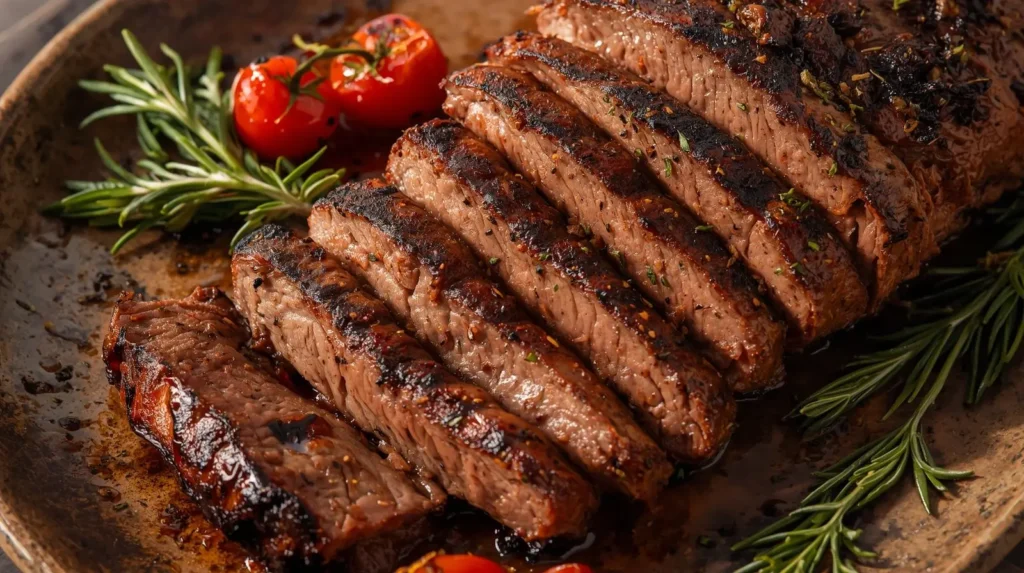
Slice cooked flank steak thinly against the grain and fan out on a platter. Serve with roasted vegetables, mashed potatoes, or rice pilaf.
Sauce options: Chimichurri, salsa verde, herb butter, mushroom sauce, or pan sauce made from deglazing the cooking pan with wine and stock.
Vegetable pairings: Roasted asparagus, Brussels sprouts, green beans, bell peppers, or grilled zucchini.
Starch sides: Garlic mashed potatoes, roasted potatoes, rice (white, brown, or cilantro-lime), or creamy polenta.
In Tacos and Wraps
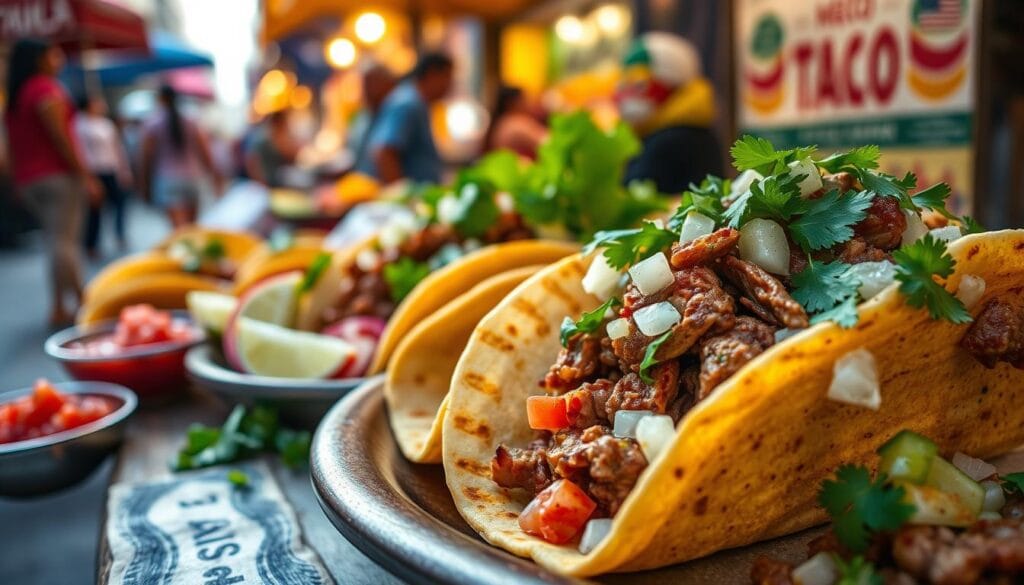
Dice or slice flank steak and serve in warm tortillas with traditional taco toppings.
Build your taco: Warm corn or flour tortillas, sliced steak, diced onions, fresh cilantro, lime wedges, salsa, guacamole, and queso fresco or cotija cheese.
Burrito filling: Combine with rice, beans, cheese, sour cream, and vegetables wrapped in large flour tortillas.
Lettuce wraps: For low-carb option, use large lettuce leaves as wraps with Asian-style marinated flank steak, shredded vegetables, and peanut sauce.
In Salads and Bowls
Steak salad: Slice warm or chilled flank steak over mixed greens with cherry tomatoes, cucumber, red onion, blue cheese or feta, and balsamic vinaigrette.
Grain bowls: Build bowls with quinoa or rice base, add sliced steak, roasted vegetables, avocado, and drizzle with tahini or Asian-inspired dressing.
Fajita bowl: Skip the tortilla and serve steak with sautéed peppers and onions, black beans, rice, salsa, and sour cream.
Sandwiches and More
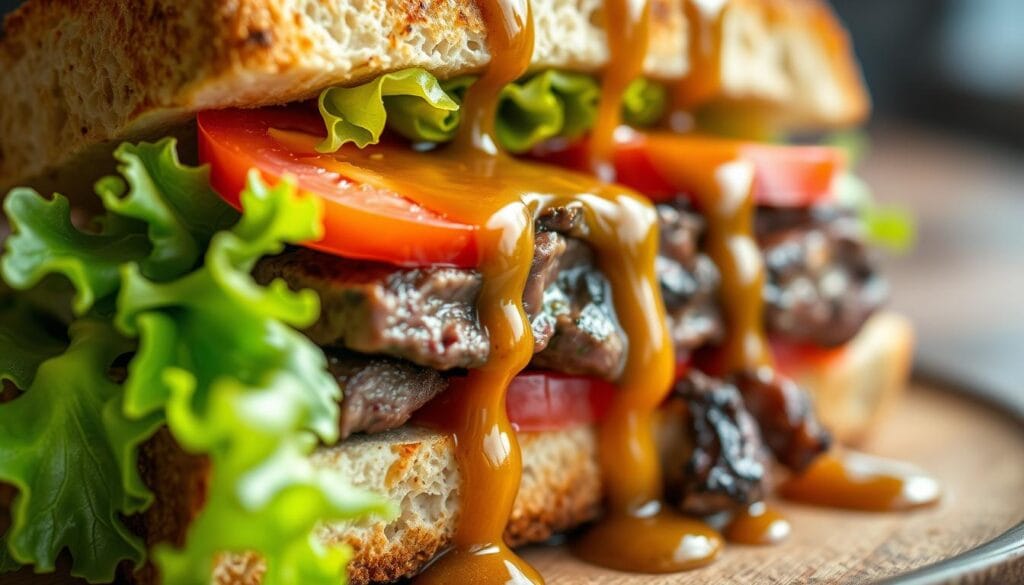
Steak sandwich: Pile sliced steak on crusty bread with arugula, caramelized onions, and horseradish mayo.
Philly-style: Sauté with peppers and onions, top with provolone, serve on hoagie roll.
Breakfast hash: Dice leftover steak and pan-fry with potatoes, onions, and bell peppers. Top with fried eggs.
Expert Note from Jamie Oliver
“Always serve it with a bright sauce—salsa verde or chimichurri cuts through the richness beautifully.”
Jamie Oliver emphasizes that flank steak, while lean, still benefits from acidic, herbaceous sauces that provide contrast and brightness. Chimichurri (parsley, garlic, vinegar, oil) is traditional with South American preparations. Salsa verde (tomatillos, cilantro, lime) works with Mexican-style cooking. These fresh, punchy sauces refresh your palate and complement the rich, beefy flavor. Don’t serve naked steak—give it a flavorful companion.
Nutritional Information for Flank Steak Recipes
Approximate nutrition per 4-ounce serving of cooked flank steak (without marinade absorption):
| Nutrient | Amount per Serving |
|---|---|
| Calories | 310-330 |
| Protein | 28-30g |
| Total Fat | 18-22g |
| Saturated Fat | 7-9g |
| Carbohydrates | 0-2g (marinade adds minimal carbs) |
| Fiber | 0g |
| Sugar | 0-1g |
| Sodium | 60-80mg (marinade increases this significantly) |
| Cholesterol | 75-85mg |
| Iron | 15-20% DV |
| Zinc | 30-35% DV |
Note: Actual nutrition varies based on marinade ingredients, cooking method, and portion size. These estimates are for educational purposes.
Health benefits: Flank steak is an excellent source of protein, iron (essential for oxygen transport), zinc (immune function), and B vitamins (energy metabolism). While it contains saturated fat, it’s leaner than many cuts.
Portion control: A 4-ounce cooked serving (about the size of a deck of cards) provides substantial protein without excessive calories.
Chef Tips for Perfect Flank Steak Recipes
Essential Techniques from the Pros
Always marinate before cooking: This isn’t optional for flank steak. The marinade tenderizes tough fibers and infuses flavor deeply. Even 30 minutes helps, but 2-12 hours is ideal.
Use high heat for quick searing: Flank steak is relatively thin and cooks fast. High heat (450-500°F) creates a flavorful crust while keeping interior juicy. Low heat results in gray, tough meat.
Don’t overcook: Medium-rare to medium is the sweet spot. Flank steak is lean, so overcooking makes it dry and chewy. Use a thermometer and remove at 130-135°F for medium-rare.
Rest the meat before slicing: Always rest 5-10 minutes after cooking. This allows juices to redistribute. Cutting immediately causes moisture loss and dry, tough meat.
Slice thinly against the grain: This is the most critical step. Identify grain direction and slice perpendicular to it. Cut ¼ inch thick at a slight diagonal. Proper slicing transforms texture from chewy to tender.
Season generously: Because you’re slicing thin, seasoning the exterior matters. Don’t be shy with salt, pepper, and spices in your marinade.
Add a final drizzle: After slicing, drizzle with olive oil, melted herb butter, or squeeze of fresh citrus for restaurant presentation and added richness.
Troubleshooting Common Issues
Tough, chewy texture: You likely cooked it well-done, didn’t marinate long enough, or sliced with the grain instead of against it. Solution: Cook to medium-rare, marinate minimum 2 hours, and verify you’re slicing perpendicular to grain.
Dry meat: Overcooked or didn’t rest before slicing. Solution: Use thermometer, remove at proper temperature, and always rest covered with foil for at least 5 minutes.
Bland flavor: Insufficient marinating time or weak marinade. Solution: Marinate overnight and taste your marinade—it should be strongly flavored.
Won’t develop crust: Steak was too wet or heat wasn’t high enough. Solution: Pat steak completely dry before cooking and ensure pan or grill is smoking hot before adding meat.
FAQs About Flank Steak Recipes
Can I use skirt steak instead of flank steak?
Yes, skirt steak is very similar and works with all these flank steak recipes. Both are long, flat, lean cuts with pronounced grain. Skirt is slightly fattier and more tender, with even more intense beefy flavor. It cooks the same way—marinate, sear over high heat, slice against the grain. The main difference is skirt steak is sometimes harder to find and may cost slightly more. Both are excellent for tacos, fajitas, and quick-cooking applications.
What’s the best cooking method for flank steak?
Grilling or pan-searing over high heat produces the best results. The intense heat creates flavorful crust while keeping interior juicy and cooking quickly to avoid overcooking the lean meat. Grilling adds smoky char, while pan-searing (especially in cast iron) creates deep caramelization. Both methods take 6-8 minutes total cooking time. Avoid slow cooking or braising—these methods work for tough cuts that need long cooking, but flank steak becomes stringy and dry with prolonged heat exposure.
How long can I marinate flank steak?
Ideally 2-12 hours for optimal flavor and tenderizing. Minimum 30 minutes works in a pinch but won’t tenderize as effectively. Maximum 24 hours—beyond that, acidic marinades can make texture mushy and unpleasant. Marinate in the refrigerator in a sealed bag or covered container, never at room temperature beyond 30 minutes (food safety concern). The sweet spot is 4-8 hours, which balances convenience and results perfectly for most home cooks.
Do I need to pound or tenderize flank steak?
No, pounding isn’t necessary if you marinate properly and slice correctly. The marinade’s acidity tenderizes naturally, and slicing against the grain shortens tough muscle fibers. Some cooks use a meat mallet to create crosshatch marks that help marinade penetrate, but this is optional. The key tenderizing happens through three methods: acidic marinade, proper cooking (don’t overcook), and correct slicing technique. Skip mechanical tenderizing tools—they’re unnecessary if you follow proper technique.
Can I cook flank steak in the oven?
Yes, broiling works excellently. Position oven rack 4-6 inches from broiler element and preheat on high for 10 minutes. Place marinated steak on broiler pan or wire rack over baking sheet. Broil 3-4 minutes per side for medium-rare. You can also reverse-sear: bake at 275°F until internal temperature reaches 115-120°F (about 20-30 minutes), then sear in screaming-hot cast iron 1 minute per side for crust. Both methods produce excellent results when grilling isn’t possible.
What’s the difference between flank steak and London broil?
“London broil” is actually a cooking method, not a cut of meat, though it’s often mislabeled at grocery stores. The London broil method involves marinating and broiling, then slicing against the grain—exactly how we cook flank steak. When stores sell “London broil,” it’s usually flank steak, top round, or shoulder steak. If buying meat labeled “London broil,” ask which cut it actually is. If it’s flank steak, use it exactly as described in these recipes. If it’s top round (thicker, less marbled), you may need longer marinating and lower heat.
How do I store and reheat leftover flank steak?
Refrigerate sliced cooked steak in an airtight container up to 3-4 days. To reheat while maintaining tenderness, place slices in a skillet with a few tablespoons of beef broth or water, cover, and warm gently over medium-low heat for 3-5 minutes. Don’t microwave on high power—it makes meat rubbery. If microwaving, use 50% power in 30-second intervals with a damp paper towel over meat. Alternatively, serve cold leftovers in salads or sandwiches—they’re delicious at any temperature.
Conclusion
Flank steak recipes offer the perfect combination of bold flavor, affordability, and cooking simplicity that works for both weeknight dinners and special occasions. You’ve learned that success with this lean, flavorful cut comes down to three key principles: proper marinating to tenderize and infuse flavor, quick cooking over high heat to develop crust while keeping interior juicy, and correct slicing against the grain to ensure every bite is tender rather than chewy.
The versatility of flank steak means one cooking technique unlocks countless meal possibilities—from classic grilled steak with chimichurri to Asian-inspired bowls, Mexican tacos, hearty salads, and everything in between. The marinade variations alone could keep you experimenting for months, each bringing different flavor profiles while using the same fundamental method.
Master these flank steak recipes and you’ll have a reliable, impressive, budget-friendly protein option that delivers restaurant-quality results in your home kitchen. The techniques you’ve learned apply to similar cuts like skirt steak, making you a more versatile and confident cook overall.
Try these flank steak recipes this week—experiment with different marinades, practice your slicing technique, and discover why this underrated cut deserves a permanent place in your cooking rotation. Share your favorite marinade combinations and serving styles with fellow home cooks!
Ready for more delicious recipes? Explore our Pepper Steak Recipe for another quick beef dish, or try our Teriyaki Chicken Recipe for Asian-inspired flavors that pair perfectly with the techniques you’ve mastered here!
How did you find results our recipes
There are no reviews yet. Be the first one to write one.