
Introduction
Love authentic Mexican flavors but short on time?
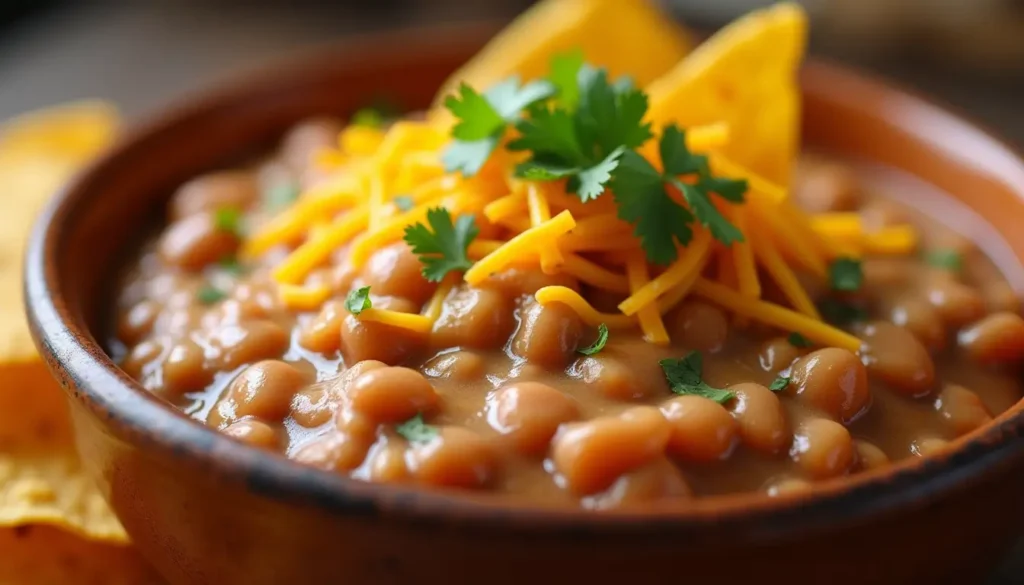
This easy refried beans recipe is creamy, flavorful, and comes together quickly — perfect as a side or filling. Known as frijoles refritos in Spanish, refried beans are a cornerstone of Mexican cuisine that delivers comfort, satisfaction, and authentic flavor in every spoonful.
After making refried beans hundreds of times for family dinners, meal prep, and gatherings, I’ve simplified the method for consistent results every time. The process is straightforward, the ingredients are accessible, and the results rival anything you’d find at your favorite Mexican restaurant.
This comprehensive guide covers everything you need to master refried beans. You’ll learn which beans work best, discover the secrets to achieving perfect creamy texture, explore flavor variations that keep things interesting, and get expert tips from renowned Mexican cuisine authorities.
Whether you’re new to Mexican cooking or a seasoned home chef looking to perfect your technique, this refried beans recipe provides the foundation for countless delicious meals. From simple side dishes to burrito fillings, taco spreads to nacho bases, mastering refried beans opens up endless culinary possibilities.
The beauty of this recipe lies in its flexibility. Make it vegetarian with olive oil or traditional with lard. Keep it mild for kids or spice it up for adventurous eaters. Achieve silky-smooth texture or leave it chunky for rustic appeal.
Let’s dive into what makes this easy refried beans recipe so reliable and how you can create restaurant-quality beans in your own kitchen.
Table of Contents
Why This Refried Beans Recipe Works
This refried beans recipe succeeds because it focuses on creamy texture, rich flavor, and convenience without sacrificing authenticity.
The method builds layers of flavor through proper sautéing of aromatics, gentle simmering of beans, and careful mashing to achieve ideal consistency. Each step serves a specific purpose in creating beans that taste complex despite using simple ingredients.
Here’s what makes this recipe exceptional:
Uses simple, pantry-friendly ingredients. You don’t need exotic items or specialty stores. Canned beans work beautifully, making this recipe accessible even when you haven’t planned ahead. Fresh onions, garlic, and basic seasonings create authentic flavor without complexity.
Quick prep and cook time — perfect for weeknight meals. From start to finish, you’re looking at about 20 minutes using canned beans. Even cooking dried beans from scratch only adds passive time, not active work. This makes refried beans ideal for busy schedules when you still want homemade quality.
Can be made vegetarian or with bacon for extra flavor. The recipe adapts to dietary preferences seamlessly. Vegetarians can use olive oil or vegetable oil and still achieve delicious results. Traditionalists can embrace lard or bacon fat for authentic richness and depth.
Chef Tip from Rick Bayless: “Cook beans low and slow for a smooth texture, then mash to your preferred consistency.”
The cooking technique itself contributes significantly to success. Sautéing onions and garlic in fat before adding beans creates a flavorful foundation that permeates every bite. Gentle simmering allows flavors to meld while the beans soften further for easier mashing.
Unlike store-bought refried beans that often contain preservatives, excess sodium, and artificial flavors, homemade versions let you control every ingredient. You decide the salt level, fat content, and texture consistency.
The mashing process offers customization that canned beans can’t match. Some prefer silky-smooth beans that spread like butter. Others love chunky texture with visible bean pieces. This recipe accommodates both preferences and everything in between.
Refried beans also improve with time. The flavors develop and deepen as they sit, making them perfect for meal prep. Cook a batch on Sunday and enjoy them throughout the week in different applications.
This recipe scales beautifully whether cooking for two or twenty. Double it for gatherings or halve it for smaller households. The proportions remain balanced regardless of batch size.
Ingredients & Prep
Gathering quality ingredients and understanding their roles creates the foundation for exceptional refried beans:
| Ingredient | Quantity | Purpose |
|---|---|---|
| Pinto or black beans | 2 cups, cooked | Main ingredient |
| Onion, chopped | ½ cup | Flavor base |
| Garlic, minced | 2 cloves | Aroma & depth |
| Lard, bacon fat, or oil | 2 tbsp | Richness & flavor |
| Salt | 1 tsp | Seasoning |
| Pepper | ½ tsp | Seasoning |
| Cumin (optional) | ½ tsp | Warm spice |
| Broth or water | ¼ cup | Adjust consistency |
| Lime juice (optional) | 1 tsp | Brightens flavor |
Chef Advice from Aarón Sánchez: “Use a little bacon fat or lard for authentic flavor — olive oil works too for a vegetarian version.”
Choosing Your Beans
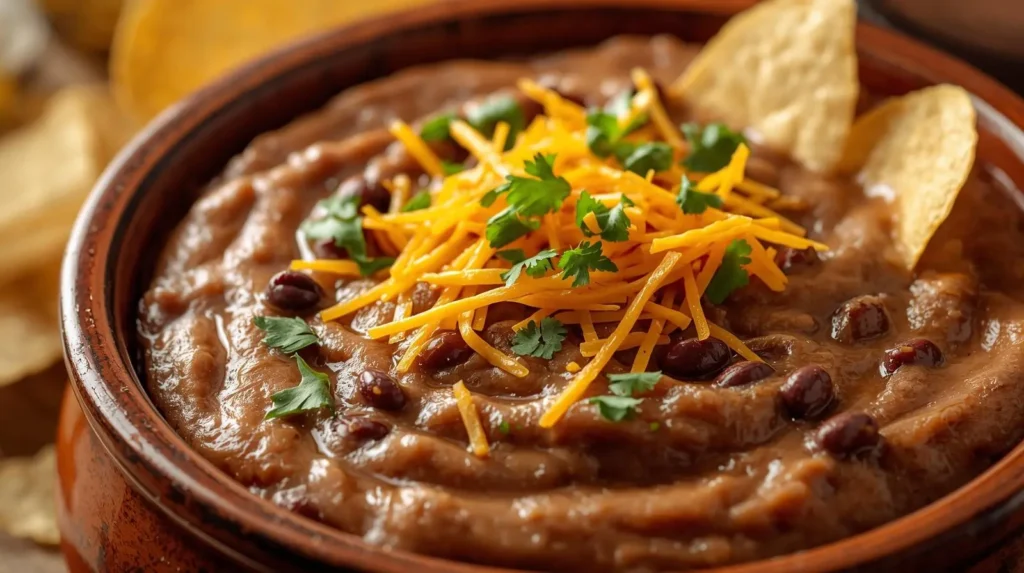
Pinto beans are the traditional choice for refried beans in Mexico and the United States. They have a creamy texture when cooked, earthy flavor, and light brown color that darkens beautifully when fried. Pintos create the classic refried beans most people recognize.
Black beans offer a slightly different flavor profile—earthier and sweeter with firmer texture. They create darker, more dramatic-looking refried beans popular in certain regions of Mexico and increasingly common in restaurants. Black bean refried beans have a slightly nuttier taste.
You can use canned beans for convenience or cook dried beans from scratch for better flavor and texture. Two cups of cooked beans equals approximately one 15-ounce can. If using canned, drain and rinse to remove excess sodium and starchy liquid.
For cooking dried beans, use 1 cup dried beans (which yields about 2-2½ cups cooked). Soak overnight in cold water, drain, then simmer in fresh water for 1-2 hours until completely tender. Add salt only in the final 30 minutes—salting earlier toughens bean skins.
Fresh beans taste markedly better than old beans. Check the “best by” date on dried beans and buy from stores with good turnover. Old beans never fully soften no matter how long you cook them.
Understanding the Fat Component
Lard is traditional in authentic Mexican refried beans. It provides incomparable richness, silky texture, and distinctive flavor that’s difficult to replicate. Use high-quality lard from a butcher or specialty store rather than hydrogenated supermarket versions.
Bacon fat delivers smoky, savory depth that many people love. Save bacon drippings in a jar in your refrigerator and use for refried beans, adding instant complexity. Three strips of bacon yield about 2 tablespoons of fat.
Olive oil works wonderfully for vegetarian versions and provides its own fruity, peppery notes. Extra virgin olive oil has more flavor, while light olive oil is more neutral. Either works depending on your preference.
Vegetable oil, avocado oil, or coconut oil also work. Avocado oil has a mild flavor and high smoke point. Coconut oil adds subtle sweetness that some people enjoy, though it’s not traditional.
Butter creates incredibly creamy beans with rich dairy flavor. Some cooks use half lard and half butter for the best of both worlds.
Aromatics and Seasonings
Yellow or white onions provide the best flavor base. Dice them fairly small (about ¼-inch pieces) so they soften quickly and distribute throughout the beans. Sweet onions like Vidalia work but lack the sharp bite that balances beans’ earthiness.
Fresh garlic is essential—jarred or powdered versions lack the aromatic intensity that makes refried beans smell amazing. Mince garlic finely so it distributes evenly and doesn’t burn during cooking.
Salt is crucial for bringing out bean flavor. Start with the recommended amount and adjust to taste. Beans can handle quite a bit of salt—they’re naturally bland and need proper seasoning.
Black pepper adds gentle heat and complexity. Freshly ground pepper tastes noticeably better than pre-ground.
Cumin is optional but highly recommended. This warm, earthy spice is quintessentially Mexican and transforms beans from plain to flavorful. Toast whole cumin seeds and grind them fresh for maximum impact, or use ground cumin for convenience.
Lime juice brightens everything and adds that characteristic tanginess found in restaurant versions. Add it at the very end to preserve its fresh, citrusy quality.
Liquid for Consistency
Vegetable or chicken broth adds more flavor than plain water. Low-sodium broth lets you control salt levels. Bean cooking liquid (if you cooked beans from scratch) contains starch and flavor that enhances texture.
Water works perfectly fine if you don’t have broth. The beans themselves provide plenty of flavor, especially with proper seasoning.
How much liquid you need depends on desired consistency and cooking method. Start with ¼ cup and add more as needed. You can always add liquid but can’t remove it, so err on the side of less.
Preparation Essentials
If using dried beans, sort through them before cooking to remove any stones or debris. Rinse thoroughly under cold water.
For canned beans, drain and rinse well to remove excess sodium and the slightly metallic taste from can liquid. Pat beans relatively dry—excess water dilutes flavor.
Dice onions uniformly so they cook evenly. Mince garlic finely to prevent burning and ensure even distribution.
Measure seasonings before you begin cooking so everything is ready when needed. Mexican cooking moves quickly once you start, and having ingredients prepared (mise en place) prevents burnt aromatics while you search for cumin.
Bring beans to room temperature if they’ve been refrigerated. Cold beans take longer to heat through and mash less smoothly.
Step-by-Step Cooking Instructions
Follow these detailed steps for perfect refried beans every time:
Sautéing the Aromatics
Heat your chosen fat in a large skillet or saucepan over medium heat. A 10-12 inch skillet provides adequate surface area for proper evaporation and mashing. Cast iron works beautifully and adds trace minerals to beans.
Once fat is hot (it should shimmer but not smoke), add chopped onions. Sauté for 4-5 minutes, stirring occasionally, until onions turn translucent and soft. You want them tender and sweet, not browned or caramelized.
The onions should release moisture and cook in it, becoming tender without taking on color. If they start browning, reduce heat slightly. This step builds the flavor foundation for your beans.
Add minced garlic and cook for 30-60 seconds, just until fragrant. Garlic burns easily and turns bitter, so add it near the end of the onion cooking time. You’ll smell the transformation—raw garlic odor gives way to sweet, mellow fragrance.
If using cumin, add it now and toast for 15-20 seconds to release its essential oils. The cumin should smell nutty and fragrant but not burnt.
Cooking the Beans
Add your cooked beans to the skillet along with ¼ cup of broth or water. Stir to combine with the aromatic mixture, ensuring beans are evenly distributed.
Add salt, pepper, and any additional seasonings you’re using. Stir everything together so seasonings coat the beans uniformly.
Increase heat to medium-high and bring the mixture to a gentle simmer. You should see small bubbles breaking the surface but not a rolling boil.
Reduce heat to medium-low and simmer for 5-10 minutes, stirring occasionally. This allows flavors to meld and beans to heat through completely. The liquid will reduce slightly, concentrating flavors.
As beans cook, they’ll soften further and begin breaking down on their own. This is desirable—it makes mashing easier and creates creamier final texture.
If beans seem dry during cooking, add broth or water a tablespoon at a time. If too liquidy, continue simmering with lid off to evaporate excess moisture.
Mashing to Perfect Consistency
Remove skillet from heat. For chunky refried beans, use a potato masher and press down firmly, crushing about 70-80% of the beans while leaving some whole for texture.
For smooth refried beans, mash more vigorously and thoroughly, pressing against the bottom and sides of the pan. You can also use the back of a large spoon or sturdy spatula.
For ultra-smooth beans, use an immersion blender directly in the skillet. Pulse several times until you reach desired consistency. Be careful not to over-blend, which can make beans gluey.
As you mash, the beans will thicken. If they become too thick, add broth or water a tablespoon at a time until you reach preferred consistency. Beans continue to thicken as they cool, so err on the slightly-thinner side.
Taste and adjust seasoning. This is your opportunity to add more salt, pepper, or cumin if needed. Add lime juice now for brightness.
Chef Tip from Rick Bayless: “For extra creaminess, stir in a tablespoon of butter at the end.”
Finishing Touches
Return the pan to low heat and cook for 2-3 more minutes, stirring constantly. This final cooking helps flavors meld and achieves ideal serving consistency.
The beans should be thick enough to mound on a spoon but still spreadable. They’ll firm up more as they cool, so stop when they’re slightly looser than your target consistency.
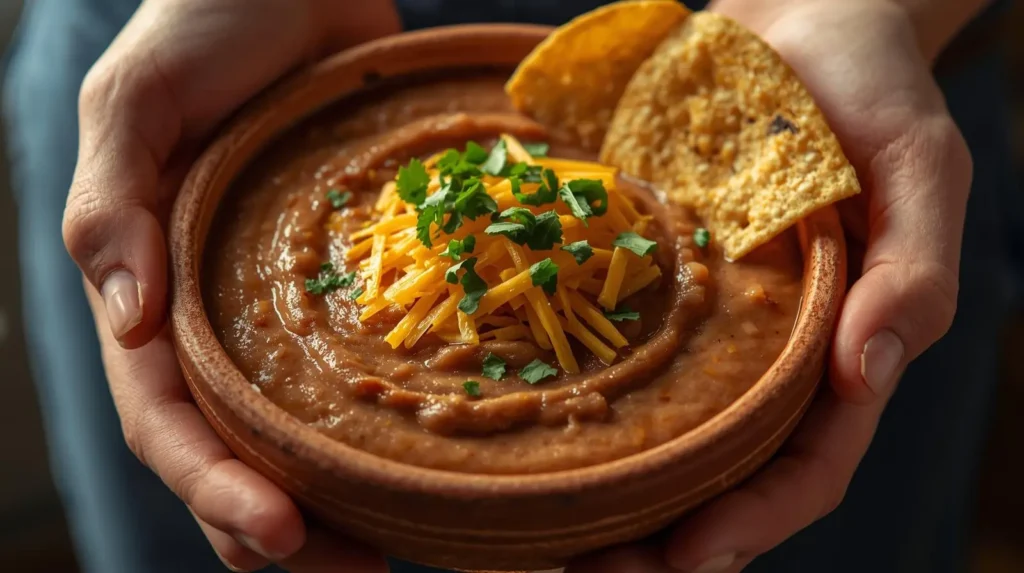
For authentic presentation, create a shallow well in the center of the beans and pool a little extra fat (lard, oil, or butter) there. This is traditional Mexican restaurant style.
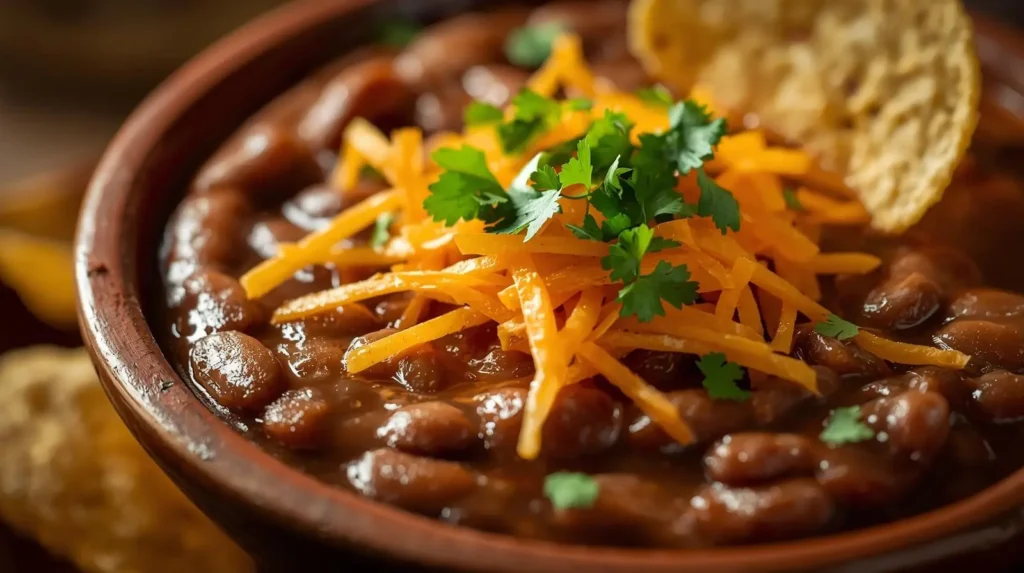
Garnish with fresh cilantro, crumbled queso fresco, or a drizzle of crema if desired, though plain refried beans are perfectly delicious on their own.
Alternative Cooking Methods
Slow Cooker Method: After sautéing aromatics, transfer everything to a slow cooker with dried beans and 4 cups of broth. Cook on low for 6-8 hours or high for 3-4 hours. Mash directly in the slow cooker or transfer to a bowl.
Instant Pot Method: Use the sauté function to cook aromatics, add dried beans and 3 cups broth, pressure cook on high for 25-30 minutes with natural release. Mash using the sauté function to evaporate excess liquid.
Stovetop from Dried Beans: Cook aromatics as directed, add soaked dried beans and enough broth to cover by 2 inches. Simmer 1-2 hours until beans are completely tender, then mash, adding reserved cooking liquid as needed.
Troubleshooting Common Issues
Beans too thick? Add warm broth or water a tablespoon at a time while stirring over low heat until desired consistency is reached.
Beans too thin? Continue simmering uncovered, stirring frequently, until excess moisture evaporates. This concentrates flavor while thickening.
Bland beans? You likely need more salt. Beans require generous seasoning. Also check that your cumin is fresh—old spices lose potency.
Gluey texture? You over-mashed or over-blended. Next time, stop earlier. You can’t fix gluey beans, but they’re still edible if not ideal.
Flavor Variations
The versatility of refried beans means endless customization possibilities. Here are popular variations:
| Variation | Ingredients to Add | Notes |
|---|---|---|
| Spicy | Jalapeños or chili powder | Adds heat |
| Smoky | Smoked paprika or chipotle | Deep, smoky flavor |
| Cheesy | Cheese (Queso Fresco) | Adds richness |
| Garlic Lovers | Roasted garlic | Intensifies aroma |
Spicy Refried Beans
For heat lovers, transform basic refried beans into a fiery version. Add 1-2 finely minced jalapeños or serrano peppers when you sauté the onions. Remove seeds for milder heat or leave them in for maximum burn.
Canned chipotle peppers in adobo sauce add smoky heat with incredible depth. Add one chopped chipotle pepper and a teaspoon of the adobo sauce for medium heat. Increase to 2 peppers for serious spice.
Chili powder stirred in with other seasonings provides even, manageable heat. Start with ½ teaspoon and increase to 1-2 teaspoons based on preference.
Cayenne pepper delivers pure heat without changing the flavor profile. Just ⅛ teaspoon makes a noticeable difference—it’s powerful, so add gradually.
Fresh or pickled jalapeño slices stirred in at the end provide pops of heat and bright flavor throughout the beans.
Smoky Refried Beans
Smoked paprika creates remarkable depth without heat. Add 1 teaspoon along with other seasonings for subtle smokiness or up to 1 tablespoon for pronounced smoke flavor.
Chipotle powder (different from whole chipotle peppers) provides concentrated smoky heat. Start with ½ teaspoon—it’s intense.
Liquid smoke used sparingly (just 2-3 drops) creates convincing smokehouse flavor even when using vegetable oil instead of bacon fat.
Bacon fat provides natural smokiness while adding richness. Cook 3-4 strips of bacon until crispy, remove bacon, and use the fat for cooking aromatics. Crumble bacon on top as garnish.
Mezcal (smoky Mexican spirit) added just before serving (1-2 tablespoons) provides adult sophistication and complex smoke. The alcohol cooks off, leaving only flavor.
Cheesy Refried Beans
Crumbled queso fresco stirred into hot beans just before serving adds creamy, milky, slightly salty character. Use ¼ to ½ cup depending on how cheesy you want them.
Shredded cheddar, Monterey Jack, or pepper jack melted into beans creates Tex-Mex style refried beans perfect for nachos and burritos. Add ½ cup and stir until fully melted.
Cream cheese (2-3 tablespoons) creates ultra-creamy, rich beans with tangy undertone. Cut cream cheese into cubes and stir into hot beans until melted.
Cotija cheese sprinkled on top provides salty, tangy finishing touch. It doesn’t melt like cheddar but instead forms delicious pockets of intense flavor.
For maximum cheese experience, use a combination—melt cheddar into the beans and finish with crumbled queso fresco on top.
Garlic Lovers Refried Beans
Roasted garlic provides sweet, mellow, complex garlic flavor without harshness. Roast a whole head of garlic, squeeze out the softened cloves, mash into paste, and stir 2-3 tablespoons into beans.
Fresh garlic can be increased to 4-6 cloves for those who can’t get enough. Mince very finely and sauté just until fragrant to avoid bitterness.
Garlic powder added along with other seasonings (1 teaspoon) provides savory depth that complements fresh garlic rather than replacing it.
Black garlic offers unique sweet, umami-rich flavor with hints of balsamic. Mash 3-4 cloves and stir into beans for gourmet complexity.
Crispy fried garlic chips scattered on top provide textural contrast and intense garlic punch.
Creative Variations
Green Chile Refried Beans: Stir in ¼ cup diced roasted green chiles (Hatch chiles are traditional) for mild heat and Southwestern flavor.
Chorizo Refried Beans: Cook ¼ pound Mexican chorizo until crispy, drain excess fat, and stir into beans for spicy, meaty depth.
Beer-Braised Refried Beans: Replace half the cooking liquid with Mexican beer for subtle malty sweetness and complexity.
Epazote Refried Beans: Add this traditional Mexican herb (1-2 tablespoons fresh or 1 teaspoon dried) for authentic, slightly medicinal flavor.
Salsa Refried Beans: Stir in ¼ cup of your favorite salsa for instant flavor boost with tomato, onion, and chile flavors.
Serving Suggestions
Refried beans are incredibly versatile and work in countless applications:
Serve as a side for tacos, burritos, or enchiladas. Refried beans are the quintessential Mexican side dish, complementing virtually any main course. Their creamy richness balances spicy, acidic, or grilled flavors perfectly.
Use as a dip with tortilla chips. Warm refried beans served in a bowl with chips alongside make an easy, satisfying appetizer. Top with cheese, sour cream, guacamole, or salsa for loaded bean dip.
Here’s how to use refried beans in different dishes:
| Dish | Refried Beans Serving | Notes |
|---|---|---|
| Tacos | 2–3 tbsp | Spread inside tortillas |
| Burritos | ¼ cup | Layer with rice and protein |
| Nachos | ½ cup | Spread before adding cheese & toppings |
| Tostadas | ¼ cup | Spread on crispy tortilla base |
| Bean & Cheese Burrito | ½ cup | Mix with shredded cheese |
| 7-Layer Dip | 1 cup | First layer in the dip |
Classic Applications
Tacos: Spread a thin layer of refried beans on the tortilla before adding meat, vegetables, and toppings. The beans provide creamy contrast to crunchy lettuce and tomatoes while helping hold everything together.
Burritos: Layer refried beans with rice, protein, cheese, and salsa. The beans add substance and moisture, preventing dry burritos. They also help ingredients stick together when rolling.
Tostadas: Spread warm refried beans on crispy fried tortillas, then pile on shredded lettuce, tomatoes, cheese, sour cream, and protein. The beans provide crucial creamy element that contrasts with crispy tortilla.
Bean and Cheese Quesadillas: Spread refried beans on one tortilla, add shredded cheese, fold in half, and cook until golden and melted. Simple, satisfying, and popular with kids.
Huevos Rancheros: Serve refried beans alongside fried eggs on tortillas, topped with salsa. The beans soak up runny yolks and provide protein-rich heartiness.
Creative Uses
Seven-Layer Dip: Use refried beans as the foundation layer, then add guacamole, sour cream, cheese, tomatoes, olives, and green onions. Serve with chips for ultimate party dip.
Molletes: Split bolillo rolls or baguette, spread with refried beans, top with cheese, broil until melted, and finish with pico de gallo. Traditional Mexican breakfast or snack.
Bean and Cheese Empanadas: Use refried beans mixed with cheese as empanada filling. The beans stay contained during baking and provide satisfying, creamy interior.
Breakfast Burritos: Combine refried beans with scrambled eggs, cheese, potatoes, and salsa for hearty breakfast burritos that fuel your morning.
Sopes: Spread refried beans on thick corn tortilla sopes, then top with lettuce, cheese, crema, and salsa for authentic Mexican street food.
Presentation Tips
Serve refried beans in a shallow bowl or Mexican clay dish (cazuela) for authentic presentation. Create a shallow well in the center and pool warm lard or oil there—this is traditional restaurant style.
Garnish with fresh cilantro leaves, crumbled queso fresco, thinly sliced radishes, or pickled jalapeño slices for color and flavor.
For parties, serve in a slow cooker set to “warm” so beans stay hot and spreadable throughout the event.
Provide small offset spatulas or spoons specifically for serving beans—they’re thick and need proper utensils for spreading.
Pairing Recommendations
Refried beans pair beautifully with Mexican rice, creating the classic combination found in virtually every Mexican restaurant. The mild rice balances rich, savory beans.
Fresh pico de gallo or salsa verde provides acidic brightness that cuts through bean richness.
Grilled meats like carne asada, pollo asado, or carnitas complement creamy beans with smoky, charred flavors.
A simple salad with lime vinaigrette offers refreshing contrast to heavy, satisfying beans.
Storage & Reheating Tips
Proper storage ensures your refried beans stay fresh and delicious for future meals:
Store in airtight containers for 3-4 days in the fridge. Allow beans to cool completely before transferring to containers. Warm beans create condensation that promotes bacterial growth.
Freeze portions for up to 3 months. Divide cooled beans into meal-sized portions in freezer bags or containers. Flatten freezer bags to save space and speed thawing.
Reheat gently in a skillet with a splash of broth to maintain creaminess. Refried beans thicken considerably when refrigerated. Add 2-3 tablespoons of broth or water per cup of beans and stir over medium-low heat until hot.
Detailed Storage Guidelines
Cool beans quickly by spreading them in a shallow container. Refrigerate within two hours of cooking to prevent bacterial growth.
Label containers with the date so you know when beans were made. Use oldest beans first to prevent waste.
For freezing, remove as much air as possible from bags to prevent freezer burn. Flatten bags before freezing so they thaw faster and stack efficiently.
Consider freezing beans in ice cube trays for small portions perfect for individual tacos or quesadillas. Once frozen solid, transfer cubes to freezer bags.
Frozen beans maintain quality for 3 months but remain safe indefinitely if kept at 0°F. Quality gradually declines after 3 months with flavor and texture changes.
Reheating Methods
Stovetop: Place beans in a skillet or saucepan over medium-low heat. Add broth or water to reach desired consistency. Stir frequently until heated through, about 5-7 minutes.
Microwave: Place beans in a microwave-safe bowl, add a splash of water, cover with a damp paper towel, and heat in 30-second intervals, stirring between each, until hot.
Oven: For larger quantities, spread beans in an oven-safe dish, add broth to moisten, cover with foil, and heat at 325°F for 20-25 minutes, stirring halfway through.
Slow Cooker: Transfer beans to slow cooker with a splash of broth. Heat on low for 1-2 hours, stirring occasionally, until hot throughout. Perfect for parties.
Maintaining Quality
Beans thicken as they cool due to starch retrogradation. Always add liquid when reheating to restore original consistency.
Reheat only what you’ll use. Repeated heating and cooling cycles degrade quality and create food safety risks.
If beans develop an off smell, unusual color, or visible mold, discard them. When in doubt, throw it out.
For best flavor, bring refrigerated beans to room temperature before reheating. This reduces reheating time and prevents overcooking edges while centers remain cold.
FAQs
Can I use canned beans instead of cooking from scratch?
Absolutely! Canned beans are convenient and produce excellent refried beans. Use one 15-ounce can (drained and rinsed) to replace 2 cups cooked beans. Canned beans save about 90 minutes of cooking time with minimal flavor difference. Drain and rinse canned beans thoroughly to remove excess sodium and the starchy liquid that can make beans gummy. Some people prefer the firmer texture of home-cooked beans, but for weeknight meals, canned beans are perfectly acceptable. Choose low-sodium varieties if you’re watching salt intake, as you can always add more seasoning but can’t remove excess.
How do I make them extra creamy?
Several techniques create ultra-creamy refried beans. First, cook beans longer than seems necessary—they should be fall-apart tender before mashing. Use an immersion blender for completely smooth texture without lumps. Add more fat—an extra tablespoon of lard, butter, or oil makes a noticeable difference in creaminess. Stir in 2-3 tablespoons of sour cream, Mexican crema, or cream cheese at the end for rich, velvety texture. Add bean cooking liquid or broth gradually while mashing until you reach ideal consistency—beans should be loose enough to flow slightly when stirred. Rick Bayless recommends stirring in butter at the end for restaurant-quality creaminess.
Can this recipe be made vegan?
Yes, vegan refried beans are simple and delicious! Replace lard or bacon fat with olive oil, avocado oil, or vegetable oil. Use vegetable broth instead of chicken broth for thinning. The recipe is otherwise identical—beans, onions, garlic, and seasonings are all plant-based. Some vegans like adding nutritional yeast for savory, slightly cheesy flavor. Coconut oil works but adds subtle sweetness that’s not traditional. For extra richness without dairy, blend in a tablespoon of tahini or cashew butter. Vegan refried beans taste so good that even non-vegans won’t notice the difference, especially when well-seasoned with cumin, garlic, and salt.
How long can I store refried beans?
Refrigerated refried beans stay fresh for 3-4 days when stored properly in airtight containers. Cool beans completely before refrigerating and store within 2 hours of cooking. Frozen refried beans maintain best quality for up to 3 months, though they remain safe indefinitely at 0°F. Freeze in portion sizes you’ll actually use—individual servings, cup measurements, or full batches. Thaw frozen beans overnight in the refrigerator or defrost in the microwave. Reheat thoroughly before eating, ensuring beans reach 165°F throughout. If beans develop off odors, unusual colors, or visible mold, discard them immediately. When properly stored, refried beans are excellent for meal prep.
What type of beans work best?
Pinto beans are traditional and most common for refried beans in Mexico and the United States. They have creamy texture, mild earthy flavor, and create the classic light brown color most people associate with refried beans. Black beans are increasingly popular, offering firmer texture, slightly nuttier and sweeter flavor, and dramatic dark color. Both work beautifully—choose based on personal preference. Red kidney beans or pink beans also work but are less traditional. Avoid white beans like Great Northern or cannellini—their texture and flavor don’t suit refrying. For authentic Mexican flavor, stick with pintos. For variation and visual interest, try black beans.
Do I have to use lard?
No, lard is traditional but not required. Many excellent substitutes exist depending on dietary needs and flavor preferences. Olive oil creates vegetarian refried beans with fruity, peppery notes. Vegetable oil, canola oil, or avocado oil provide neutral flavor. Bacon fat gives smoky richness similar to lard. Butter creates creamy, indulgent beans with dairy richness. Coconut oil works for vegans though it adds subtle sweetness. Each fat contributes different character, so choose based on your goals. That said, lard does provide authentic flavor and silky texture that’s difficult to replicate perfectly. If you’ve never tried it, consider experimenting once to understand why it’s traditional.
Why are my refried beans watery?
Watery refried beans usually result from excess liquid or insufficient mashing. If you added too much broth or water, continue simmering uncovered over medium heat, stirring frequently, until excess moisture evaporates. This concentrates flavor while thickening consistency. If beans aren’t mashed enough, whole beans release liquid as they sit—mash more thoroughly to break down bean structure. Canned beans sometimes contain excess liquid even after draining—pat them dry with paper towels before cooking. Remember that beans thicken as they cool, so they should seem slightly looser than your target consistency while hot. If beans are persistently watery despite these fixes, stir in a tablespoon of masa harina or cornmeal to absorb excess moisture.
Can I make refried beans in advance?
Yes, refried beans are excellent for advance preparation and actually improve in flavor after sitting. Make beans up to 4 days ahead and refrigerate in airtight containers. Flavors meld and deepen overnight, creating even more delicious beans. Reheat with added broth to restore consistency before serving. For longer storage, freeze beans for up to 3 months. Some cooks prefer making large batches and freezing portions for quick weeknight meals—just thaw and reheat. If making beans for a party, prepare them the morning of the event and keep warm in a slow cooker set to low. This frees up stovetop space and ensures hot beans throughout your gathering.
Conclusion
Try this easy refried beans recipe today for a quick, delicious, and authentic Mexican side!
This recipe transforms simple ingredients into something truly special—creamy, flavorful beans that elevate any meal. Whether serving them as a simple side dish or incorporating them into elaborate creations, refried beans bring comfort, satisfaction, and authentic Mexican flavor to your table.
Thousands of home cooks have made this creamy, flavorful recipe a staple in their kitchen, and for good reason. It’s reliable, adaptable, and consistently delicious. Once you master basic refried beans, you’ll find yourself making them weekly and discovering new applications constantly.
The techniques you’ve learned here—proper sautéing of aromatics, controlled simmering, and thoughtful mashing—apply to countless other dishes beyond refried beans. You’re developing foundational cooking skills that improve your overall kitchen confidence.
Don’t be intimidated by the idea of making refried beans from scratch. This recipe proves that homemade versions are not only achievable but actually easier and faster than many people assume. With canned beans, you’re looking at 20 minutes total time for results that far surpass store-bought versions.
How did you find results our recipes
There are no reviews yet. Be the first one to write one.

