
Introduction
Tired of bland store-bought fajita seasoning that never hits the mark?
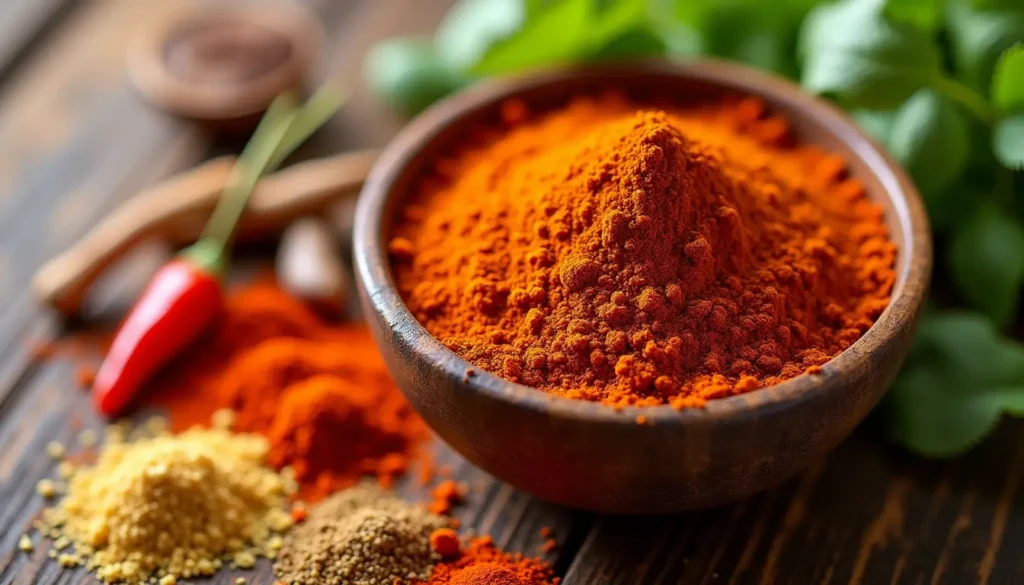
This homemade fajita seasoning recipe is bold, balanced, and takes just minutes to mix. No more reading ingredient labels filled with unpronounceable additives, anti-caking agents, or excessive sodium. Just pure, vibrant spices that deliver authentic Mexican flavor.
After years of perfecting spice blends in my kitchen, this mix delivers authentic Mexican flavor every time. The combination of smoky, earthy, and slightly spicy notes creates the signature fajita taste that makes your mouth water before you even take a bite.
This comprehensive guide covers everything you need to master homemade fajita seasoning. You’ll discover the essential spices that create balanced flavor, learn the perfect ratios that work for any protein or vegetable, explore variations that keep fajita night interesting, and get expert tips from renowned chefs who know Mexican cuisine inside and out.
Whether you’re grilling chicken fajitas for a summer cookout, preparing sheet pan steak fajitas for a quick weeknight dinner, or creating vegetarian fajitas with colorful peppers and onions, this seasoning blend elevates every bite.
The best part? This recipe uses everyday pantry spices you probably already have. No specialty store trips required. Mix up a batch in under five minutes and you’ll have perfectly seasoned fajitas ready whenever the craving strikes.
Let’s dive into what makes this fajita seasoning recipe so reliably delicious and why you’ll never go back to store-bought versions.
Table of Contents
Why This Fajita Seasoning Recipe Works
This fajita seasoning recipe succeeds because it emphasizes flavor balance, cost savings, and complete customizability without compromising authentic taste.
The spice blend combines smoky, earthy, sweet, and spicy elements in proportions that complement rather than overwhelm. Each component serves a specific purpose in creating that distinctive fajita seasoning flavor profile that makes the dish so craveable.
Here’s what makes this recipe exceptional:
Made from pantry spices you already have. You won’t need to hunt down exotic ingredients or visit specialty markets. Chili powder, cumin, paprika, garlic powder, and a few other basics create restaurant-quality flavor using items sitting in your spice cabinet right now.
No preservatives or fillers — just pure flavor. Commercial fajita seasonings often contain silicon dioxide (anti-caking agent), maltodextrin (filler), and excessive salt. This homemade version includes only real spices, giving you control over exactly what goes into your food.
Easily adjustable for chicken, beef, shrimp, or veggies. Unlike one-size-fits-all store blends, you can tweak this recipe to perfectly complement whatever you’re cooking. Lighter on heat for chicken, bolder for beef, or citrus-enhanced for seafood—the choice is yours.
Chef Tip from Rick Bayless: “Toast your spices lightly before mixing — it brings out the oils and deepens the flavor.”
The cost savings alone make this recipe worthwhile. A single batch costs a fraction of what you’d pay for a small packet of store-bought seasoning, and you get triple or quadruple the amount. Plus, you can make exactly how much you need, reducing waste.
Freshness is another major advantage. Pre-made seasonings sit on store shelves for months or years, losing potency and aromatic qualities. Your homemade blend uses fresher spices and maintains its punch far longer when stored properly.
The customization aspect cannot be overstated. Prefer more heat? Add extra cayenne. Want smokier flavor? Increase smoked paprika. Need to reduce sodium? Cut or eliminate salt. This flexibility means you’ll actually use the seasoning rather than letting it languish in your cabinet.
This recipe also scales beautifully. Make a small batch for a single dinner or create a large jar that lasts months. The proportions remain perfectly balanced regardless of batch size.
Understanding what each spice contributes helps you appreciate why this blend works so well and empowers you to make informed adjustments.
Ingredients & Spice Ratios
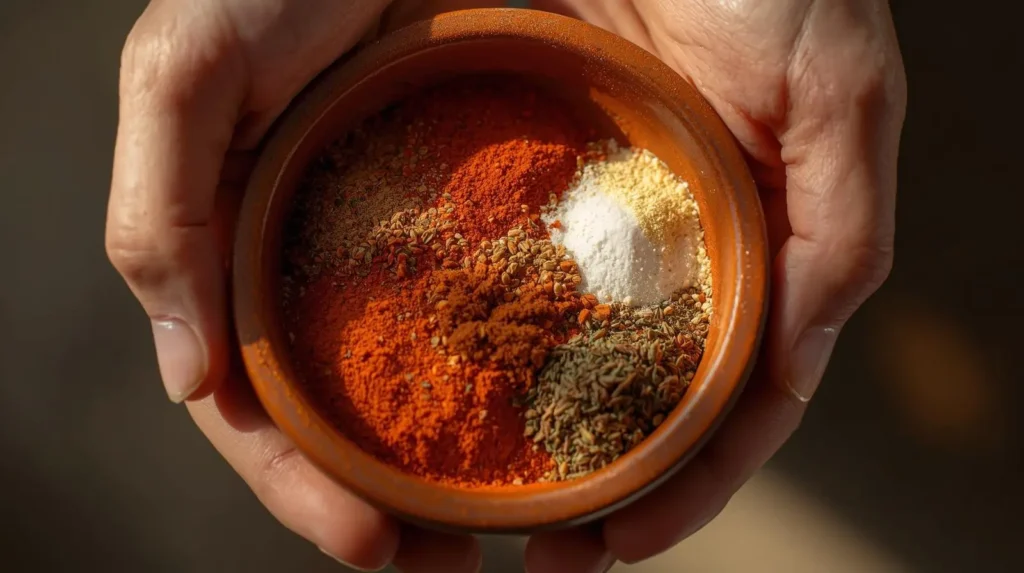
The magic of great fajita seasoning lies in perfectly calibrated spice ratios. Here’s the complete breakdown:
| Spice | Amount | Purpose |
|---|---|---|
| Chili powder | 2 tbsp | Base flavor & mild heat |
| Paprika | 1 tbsp | Adds color and sweetness |
| Ground cumin | 1 tbsp | Earthy depth |
| Garlic powder | 1 tsp | Aroma & flavor balance |
| Onion powder | 1 tsp | Adds savory sweetness |
| Oregano (dried) | ½ tsp | Herbal touch |
| Cayenne pepper | ¼ tsp | Optional heat |
| Salt | 1 tsp | Flavor enhancer |
| Black pepper | ½ tsp | Subtle kick |
Chef Advice from Bobby Flay: “Use smoked paprika for a deeper, smoky restaurant-style taste.”
Understanding Each Spice Component
Chili Powder forms the foundation of fajita seasoning. Despite its name, it’s not pure ground chili peppers but rather a blend typically containing dried chilies, cumin, garlic, and oregano. This makes it an ideal base since it already contains complementary flavors. The two tablespoons provide enough volume to be the dominant note without overwhelming.
Choose a quality chili powder for best results. Generic supermarket brands work fine, but specialty versions from New Mexico, California, or ancho chilies offer more complex flavor. Avoid chili powder that’s been sitting in your cabinet for years—it loses potency and can taste dusty or flat.
Paprika adds both visual appeal and subtle sweetness. The vibrant red color makes your fajita seasoning look as good as they taste. Sweet paprika is standard, but smoked paprika (pimentón) transforms this blend into something extraordinary with its deep, campfire-like character.
Hungarian paprika offers more intensity, while Spanish paprika tends to be smokier. Regular paprika works perfectly, but experimenting with different types helps you discover your preferred flavor profile.
Ground Cumin is non-negotiable in authentic Mexican seasoning. Its warm, earthy, slightly nutty flavor is quintessentially Mexican and provides depth that makes fajitas taste authentic rather than generic. Cumin’s aromatic oils are powerful, so the one tablespoon ratio balances boldness with restraint.
For maximum flavor, buy whole cumin seeds and grind them fresh in a spice grinder or mortar and pestle. The difference between fresh-ground and pre-ground cumin is dramatic. If using pre-ground, ensure it’s relatively fresh—cumin loses its impact quickly once ground.
Garlic Powder provides savory depth and aromatic complexity. It distributes evenly throughout the blend in a way fresh garlic can’t. One teaspoon is enough to contribute garlic character without dominating. Avoid garlic salt, which throws off the seasoning’s balance.
Fresh garlic can supplement this in your actual cooking, but powder is essential for the dry blend. The two work together beautifully—powder provides baseline garlic flavor while fresh garlic adds pungency and aroma.
Onion Powder adds savory-sweet notes that round out the blend. Like garlic powder, it distributes uniformly and provides flavors that fresh onions alone can’t achieve. The combination of onion powder in the seasoning plus fresh onions in your fajitas creates layers of onion flavor.
Onion powder should smell sweet and pungent. If it smells musty or barely has scent, replace it—old onion powder contributes nothing to the blend.
Dried Oregano adds herbal, slightly minty notes that lighten the heavier spices. Mexican oregano is preferable to Mediterranean oregano—it has a more citrusy, less minty flavor that suits Mexican cuisine better. However, regular dried oregano works perfectly fine.
Crush dried oregano between your fingers before adding to release its essential oils. This simple step dramatically increases its aromatic contribution.
Cayenne Pepper is optional but recommended for those who enjoy heat. A quarter teaspoon provides noticeable warmth without making the blend too spicy for most palates. Cayenne is powerful—increase cautiously if you want more heat.
Some prefer omitting cayenne entirely and adding fresh jalapeños or serrano peppers when cooking instead. This provides heat without committing the entire spice batch to a specific spice level.
Salt enhances every other flavor in the blend. One teaspoon seems like a lot, but remember this seasons an entire pound or more of food. You can reduce or omit salt if you’re watching sodium intake or prefer to salt your food separately.
Some cooks prefer using fine sea salt or kosher salt rather than table salt. These less processed options contribute cleaner flavor. Note that kosher salt is less dense than table salt, so you may need slightly more.
Black Pepper adds subtle heat and complexity different from cayenne’s sharp burn. Freshly ground black pepper makes a noticeable difference compared to pre-ground. The half teaspoon provides background spice that complements without competing.
Scaling the Recipe
This recipe yields approximately ⅓ cup of seasoning—enough for 4-6 meals depending on how generously you season. To double the batch, simply multiply all ingredients by two. The ratios remain perfectly balanced.
For a larger batch that lasts several months, multiply everything by four. Store in a standard 8-ounce spice jar with about an inch of headspace.
Optional Additions
Brown Sugar (1 teaspoon) adds slight sweetness that helps caramelize proteins and balances heat. This is common in Tex-Mex style seasonings.
Coriander (½ teaspoon ground) provides citrusy, floral notes that complement cumin beautifully. These two spices are traditional partners in Mexican cuisine.
Lime Zest (1 teaspoon dried) adds bright citrus notes perfect for seafood fajitas. Fresh lime juice added during cooking further enhances this.
Red Pepper Flakes (½ teaspoon) provide different heat character than cayenne with visible flecks that add visual interest.
Step-by-Step Instructions
Creating this fajita seasoning is remarkably simple and requires no special equipment:
Measure Spices
Gather all your spices and measuring spoons before beginning. This ensures you don’t forget any ingredients halfway through.
Measure each spice carefully into a small mixing bowl. Level off measuring spoons for accuracy rather than heaping them, which can throw off the balance.
If your spices have been sitting a while, smell them first. Spices should have strong, distinct aromas. Weak or dusty-smelling spices won’t contribute much and should be replaced.
Some cooks prefer measuring spices into the storage jar directly to minimize cleanup. This works if you’re careful, but a bowl allows for better mixing before transferring.
Mix Well
Stir the spices vigorously with a small whisk or spoon until completely blended. You want every spoonful to contain the same ratio of spices rather than having some areas heavier in certain ingredients.
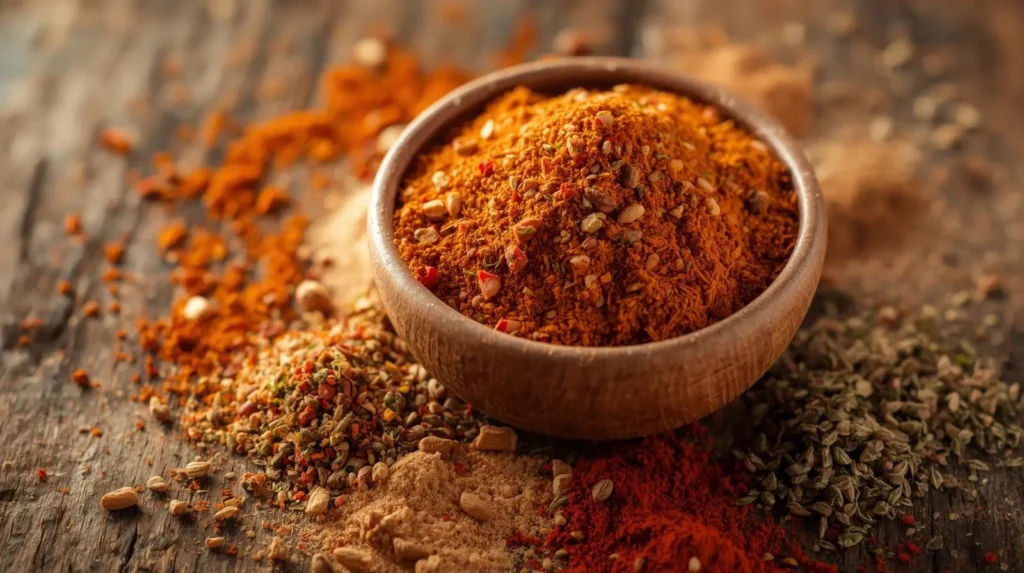
The mixture should look uniform in color—a rich, rusty red-brown. Visible patches of different colors indicate more mixing is needed.
For ultimate blending, some people pulse the mixture in a spice grinder for 5-10 seconds. This is optional but creates an ultra-fine, professional consistency where individual spices are indistinguishable.
If you toasted your spices as Rick Bayless recommends (more on this in the tips section), let them cool completely before mixing. Warm spices clump and don’t blend smoothly.
Store Properly
Transfer the seasoning to an airtight container immediately. Glass jars with tight-fitting lids work best. Mason jars, recycled spice jars, or dedicated spice storage containers all work well.
Label your jar with the contents and date. This seems unnecessary since you just made it, but three months from now you’ll appreciate knowing when it was mixed.
Store in a cool, dark place away from heat and light. The cupboard farthest from your stove is ideal. Avoid storing spices above the stove or near the oven where heat and moisture degrade them rapidly.
If you made a large batch, consider dividing it between a working jar by your stove and a backup jar stored in a cooler location. This preserves the backup portion’s freshness while keeping some convenient for daily cooking.
Use Effectively
For most applications, use 1-2 tablespoons of fajita seasoning per pound of protein or vegetables. This seasons food thoroughly without overwhelming.
One tablespoon provides noticeable but moderate seasoning—perfect for those who prefer subtler spice levels or are cooking for kids. Two tablespoons creates boldly seasoned fajitas with pronounced spice character.
Mix the seasoning with olive oil and lime juice (about 2 tablespoons oil and juice from one lime per tablespoon of seasoning) to create a quick marinade. Let protein sit in this mixture for 15-30 minutes before cooking.
Alternatively, sprinkle the seasoning directly on protein or vegetables just before cooking. This dry application works beautifully for grilling or high-heat cooking where you want a crusty, flavorful exterior.
Chef Tip from Guy Fieri: “Add a squeeze of lime to your fajitas after cooking — it wakes up all those spices.”
Toasting Your Spices (Optional Advanced Technique)
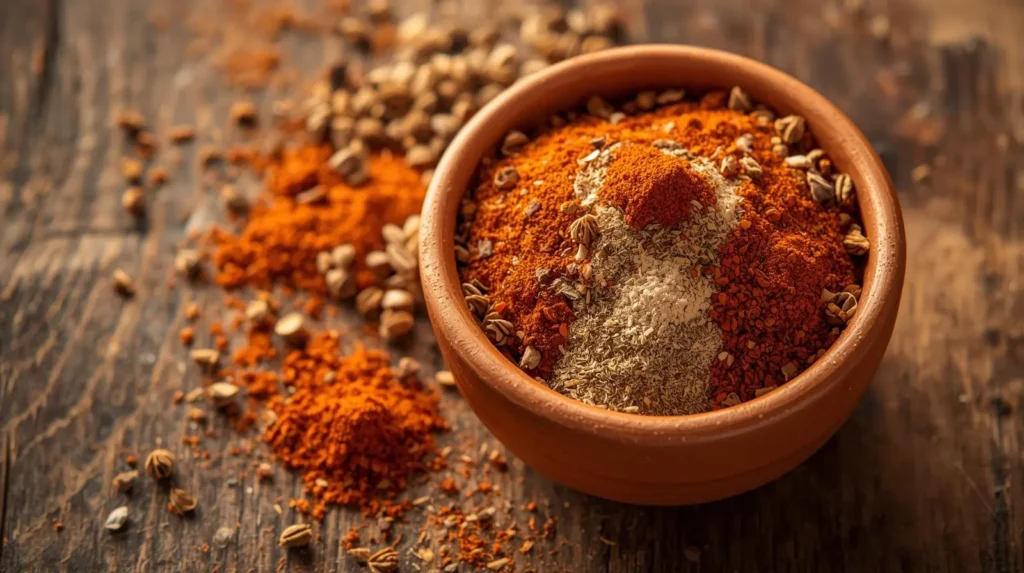
Rick Bayless’s suggestion to toast spices transforms good seasoning into extraordinary seasoning. Here’s how:
Heat a dry skillet over medium-low heat. Add whole spices if you’re starting from whole (cumin seeds, coriander seeds) or ground spices if using pre-ground.
Toast for 1-2 minutes, stirring constantly, until fragrant. You’ll smell a dramatic increase in aroma—that’s the essential oils being released.
Immediately transfer to a cool plate or bowl to stop the cooking process. Spices can burn in seconds once they’re hot.
Let cool completely before grinding (if using whole spices) and mixing into your blend. Toasted spices create deeper, more complex flavor that truly elevates the seasoning.
Flavor Variations
The beauty of homemade fajita seasoning is infinite customization. Here are popular variations:
| Variation | Ingredients to Add | Notes |
|---|---|---|
| Spicy Blend | +½ tsp cayenne pepper | Great for chicken or steak |
| Smoky BBQ | +1 tsp smoked paprika | Rich, grilled taste |
| Citrus Twist | +1 tsp lime zest | Perfect for shrimp fajitas |
| Salt-Free | Omit salt | Ideal for low-sodium diets |
Spicy Fajita Seasoning
Heat lovers can transform this into a fiery blend. Increase cayenne pepper to ¾ teaspoon for noticeable heat that builds with each bite.
Add ½ teaspoon of chipotle powder for smoky heat with incredible depth. Chipotle brings fruity, tobacco-like notes along with its burn.
Include ½ teaspoon of crushed red pepper flakes for different heat character and visual appeal. The flakes provide texture and bursts of heat throughout.
For extreme heat, add ¼ teaspoon of ground ghost pepper or Carolina reaper. Use caution—these are extraordinarily hot and can overwhelm the other flavors if you’re not careful.
Remember that some proteins take on heat differently. Chicken and fish are more neutral canvases, while beef’s strong flavor balances heat better. Adjust accordingly.
Smoky BBQ Fajita Seasoning
For grilled, campfire-like flavor, smokiness is key. Replace regular paprika entirely with smoked paprika (pimentón). This single swap dramatically changes the character.
Add ½ teaspoon of ground ancho chili powder for mild, sweet smokiness with chocolate undertones. Ancho is dried poblano pepper and provides authentic Mexican smoke character.
Include ¼ teaspoon of mesquite seasoning if available for Southwestern barbecue flavor that pairs beautifully with beef fajitas.
A tiny pinch (literally 1-2 drops) of liquid smoke can intensify the smokehouse character, though use this sparingly—too much tastes artificial.
This variation works exceptionally well for steak fajitas or when you’re cooking indoors but want that grilled flavor.
Citrus Twist Fajita Seasoning
For brighter, lighter flavor perfect for seafood or chicken, citrus enhancement makes a dramatic difference.
Add 1 teaspoon of dried lime zest (or finely grated fresh zest that’s been dried). The citrus oils complement seafood beautifully and prevent the blend from tasting too heavy.
Include ½ teaspoon of dried lemon peel for additional citrus complexity and brightness.
Add ½ teaspoon of ground coriander, which has natural citrusy, floral notes that amplify the lime character.
When cooking with this variation, finish with abundant fresh lime juice and cilantro to continue the citrus theme throughout the dish.
This version is outstanding for shrimp fajitas, fish tacos, or grilled chicken breast where you want lighter, brighter flavors.
Salt-Free Fajita Seasoning
For those monitoring sodium intake, simply omit the salt from the recipe. All the other flavors remain intact.
Consider increasing garlic powder and onion powder slightly (to 1½ teaspoons each) to compensate for salt’s flavor-enhancing properties.
Add ½ teaspoon of nutritional yeast for savory umami character that partially replaces what salt provides.
When cooking with salt-free seasoning, you can always add salt to the finished dish according to individual preferences and dietary needs.
Remember that salt-free doesn’t mean flavor-free. The spices themselves provide robust taste that doesn’t rely solely on sodium for impact.
Additional Creative Variations
Herb-Forward Blend: Double the oregano and add ½ teaspoon each of dried cilantro and dried parsley for herbaceous, fresh-tasting seasoning.
Coffee-Rubbed Fajita: Add 1 teaspoon of finely ground coffee for earthy depth and complexity that pairs surprisingly well with beef and pork.
Sweet Heat: Add 1 teaspoon of brown sugar and increase cayenne to ½ teaspoon for sweet-spicy balance popular in Tex-Mex cooking.
Adobo-Style: Increase oregano to 1 teaspoon and add ½ teaspoon of ground turmeric for golden color and earthy flavor reminiscent of adobo seasoning.
Taco-Fajita Hybrid: Add ½ teaspoon of coriander and reduce cumin slightly for seasoning that works equally well for tacos and fajitas.
Storage & Shelf Life
Proper storage ensures your fajita seasoning maintains potency and aroma for maximum time:
| Storage Method | Duration | Tips |
|---|---|---|
| Airtight jar | Up to 6 months | Keep away from heat & light |
| Spice shaker | 3–4 months | For daily quick use |
| Freezer-safe jar | 8 months | Preserves freshness & aroma |
Chef Advice from Rick Bayless: “Spices lose potency over time — make smaller batches every few months for the best results.”
Detailed Storage Guidelines
The enemies of spice freshness are heat, light, moisture, and air. Protecting your seasoning from these elements preserves its quality dramatically longer.
Airtight containers are essential. Glass jars with rubber gasket seals (like mason jars or Weck jars) provide excellent protection. Plastic containers work but can absorb odors over time and may allow air penetration.
Avoid storing spices in decorative containers that aren’t truly airtight, even if they look nice. Fashion shouldn’t compromise function when it comes to preserving your carefully crafted blend.
Location matters enormously. Store fajita seasoning in a cool, dark cupboard far from heat sources. The worst locations are above the stove, next to the oven, or on sunny windowsills—all places people commonly store spices.
Room temperature (65-70°F) is ideal. Higher temperatures accelerate the degradation of volatile oils that provide aroma and flavor.
Light exposure fades color and breaks down flavor compounds. This is why spices traditionally come in dark glass or metal containers. If using clear glass, store in a dark cupboard or wrap in foil.
Moisture is death to spice blends. It causes clumping and can promote mold growth. Never use wet measuring spoons in your spice jar. Don’t shake seasoning directly over steaming pots where condensation can enter the container.
If your seasoning clumps (sometimes inevitable in humid climates), add a few grains of rice to absorb moisture. They’ll keep the mixture flowing freely without affecting flavor.
Freezer Storage
For ultimate longevity, freezer storage works wonderfully for spice blends. The cold temperature essentially pauses degradation.
Use freezer-safe glass jars or small containers that seal completely. Label clearly since everything looks similar when frozen.
The beauty of freezer storage is you don’t need to thaw before using—just measure what you need directly from the frozen container. The spices will be slightly cold but ready to use immediately.
Frozen fajita seasoning maintains its character for 8-12 months or even longer. This is perfect if you make large batches or use seasoning infrequently.
Signs Your Seasoning Needs Replacing
Smell is the best indicator of spice freshness. Open your jar and inhale—you should get a strong, pleasant aroma. Weak, dusty, or barely-there scent means your seasoning has lost its potency.
Color fading indicates oxidation and flavor loss. Vibrant red-brown should remain fairly constant. Significant dulling or grayish tones suggest it’s time for a fresh batch.
If your seasoning has been stored for over a year (even properly), make a fresh batch. The old one won’t hurt you, but it won’t deliver the flavor impact you’re expecting.
Extending Shelf Life
Buy whole spices when possible and grind them as needed or just before making your blend. Whole spices stay fresh far longer than ground—sometimes years versus months.
Make smaller batches more frequently rather than huge batches that sit for extended periods. A ½-cup batch might seem efficient, but if it takes you a year to use, most of it will be past its prime.
Date your jars consistently. This removes guesswork and helps you use older batches first if you have multiple jars.
Consider vacuum-sealing portions if you make very large batches. This removes air and dramatically extends shelf life.
Serving Suggestions
Fajita seasoning is remarkably versatile beyond just fajitas. Here are creative ways to use your homemade blend:
Use on chicken, steak, shrimp, or vegetables. This is the obvious application, but the seasoning truly shines with proper technique. For proteins, season generously and let rest for 15-30 minutes before cooking so flavors penetrate. For vegetables, toss with oil and seasoning before roasting or grilling.
Sprinkle on roasted potatoes or tacos for extra flavor. Roasted potato wedges tossed with fajita seasoning become incredibly addictive. Use it as taco seasoning for ground beef, turkey, or even lentils in vegetarian tacos.
Combine with olive oil and lime juice for a quick fajita marinade. Mix 2 tablespoons of seasoning with ¼ cup olive oil and juice from 1-2 limes. This creates a complete marinade that tenderizes and flavors simultaneously.
Here’s the approximate nutritional information per tablespoon:
| Calories | Carbs | Protein | Fat | Sodium |
|---|---|---|---|---|
| 20 | 4g | 0.5g | 0.2g | 300mg |
Note: Values vary slightly based on specific brands of spices used.
Protein Applications
Chicken Fajitas: Use 1½ tablespoons per pound of boneless, skinless chicken breasts or thighs. Slice chicken into strips, toss with seasoning and oil, and cook in a hot skillet until caramelized. The seasoning creates a beautiful crust that’s both flavorful and visually appealing.
Steak Fajitas: For beef (skirt steak, flank steak, or sirloin), use a full 2 tablespoons per pound. The robust beef flavor can handle bolder seasoning. Let seasoned steak rest at room temperature for 20-30 minutes before grilling or pan-searing for maximum flavor penetration.
Shrimp Fajitas: Shrimp cook so quickly that you need bold seasoning for impact. Use 1 tablespoon per pound and toss shrimp with oil and seasoning just before cooking. The citrus variation works particularly well with seafood.
Pork Fajitas: Pork tenderloin or boneless chops sliced into strips work wonderfully. Use 1½ tablespoons per pound. Pork’s mild sweetness complements the warm spices beautifully.
Vegetable Applications
Bell Pepper & Onion Fajitas: These classic vegetables need generous seasoning—about 2 tablespoons per 3 large bell peppers and 2 onions, all sliced. Toss with oil before cooking for even distribution.
Portobello Mushroom Fajitas: Meaty portobellos make excellent vegetarian fajitas. Slice caps into strips, toss with seasoning and oil, and roast or grill until caramelized.
Cauliflower Fajitas: Roasted cauliflower florets tossed with fajita seasoning create a surprisingly satisfying vegetarian option with lots of texture.
Mixed Vegetable Fajitas: Combine zucchini, yellow squash, bell peppers, onions, and mushrooms for rainbow fajitas. Use about 2½ tablespoons for 6-8 cups of mixed vegetables.
Beyond Fajitas
Fajita Rice: Stir 1-2 teaspoons of seasoning into rice cooking liquid for flavorful side dish that complements any Mexican meal.
Fajita Quesadillas: Sprinkle seasoning on cheese before folding quesadillas for extra flavor dimension.
Roasted Chickpeas: Toss drained chickpeas with oil and fajita seasoning, then roast until crispy for addictive snacks.
Fajita Popcorn: Believe it or not, a light dusting of fajita seasoning on freshly popped popcorn creates an interesting savory snack.
Eggs: Scrambled eggs or omelets benefit from ½ teaspoon of fajita seasoning for Southwestern breakfast flavor.
Soups: Add ½-1 teaspoon to chicken tortilla soup, chili, or taco soup for layered flavor.
FAQs
Can I make this fajita seasoning without salt?
Absolutely! Simply omit the salt from the recipe and all other proportions remain the same. The resulting blend still delivers robust flavor from the spices themselves. Without salt, you have complete control over sodium levels and can season to taste during cooking or at the table. Some cooks find salt-free seasoning actually allows the individual spice flavors to shine more clearly since salt isn’t enhancing and blending everything. Consider slightly increasing garlic powder and onion powder (to 1½ teaspoons each) to compensate for salt’s flavor-enhancing properties. You can always add salt but can’t remove it, so salt-free gives you maximum flexibility.
What’s the best ratio for seasoning meat?
For most proteins, use 1-2 tablespoons of fajita seasoning per pound of meat, depending on how boldly flavored you want the result. One tablespoon provides noticeable but moderate seasoning—perfect for chicken, fish, or when cooking for those who prefer subtler spice levels. Two tablespoons creates restaurant-style bold fajitas with pronounced spice character—ideal for steak, pork, or when you really want the seasoning to shine. For ground meat (like taco filling), use 2-3 tablespoons per pound since the seasoning needs to flavor every crumble. Apply seasoning directly to dry meat and massage it in, or create a quick marinade with oil and lime juice for deeper flavor penetration.
Can I use this for taco seasoning too?
Yes! This fajita seasoning works beautifully as taco seasoning with minimal or no adjustments. The spice profiles are very similar—both emphasize chili powder, cumin, garlic, and onion. For traditional tacos, you might add slightly more cumin (an extra ½ teaspoon) for earthier flavor. Some people add a teaspoon of brown sugar to taco seasoning for subtle sweetness that balances the spices. For ground beef tacos, use 2-3 tablespoons per pound of meat, brown the meat first, then add seasoning with ¼-½ cup of water and simmer until the mixture thickens. The versatility of this blend means one jar serves multiple Mexican-inspired dishes.
How long does homemade seasoning stay fresh?
When stored properly in an airtight container away from heat and light, homemade fajita seasoning maintains good quality for 6 months. The flavor gradually fades after that point, though it remains safe to use much longer. For optimal flavor, smell your seasoning before using—it should have a strong, pleasant aroma. If the scent is weak or dusty, make a fresh batch even if it hasn’t reached 6 months. Freezer storage extends shelf life to 8-12 months with minimal flavor loss. The key is protecting the seasoning from the four enemies of spice freshness: heat, light, moisture, and air. Making smaller batches every few months ensures you’re always cooking with the most potent, flavorful seasoning possible.
Is this seasoning spicy?
This base recipe delivers mild to moderate heat that most people find pleasant rather than painful. The ¼ teaspoon of cayenne pepper provides gentle warmth without overwhelming spice-sensitive palates. Kids and those who dislike heat can typically handle this level. If you want completely mild seasoning, simply omit the cayenne entirely—the blend will still taste delicious with all the other flavor notes intact. For more heat, increase cayenne gradually—½ teaspoon creates noticeable heat, ¾ teaspoon is quite spicy, and 1 full teaspoon is hot by most standards. Remember you can also add fresh jalapeños, serrano peppers, or hot sauce when cooking to customize heat levels without committing your entire spice jar to a specific spice level.
Can I use fresh spices instead of dried?
This recipe specifically calls for dried spices because it creates a shelf-stable blend you can store and use over time. Fresh garlic, onion, or herbs would introduce moisture that causes spoilage and prevents storage. However, fresh elements beautifully complement this dry seasoning during actual cooking. Sauté fresh garlic and onions in your skillet before adding seasoned proteins. Add fresh cilantro and lime juice as finishing touches. Fresh jalapeños or serranos cooked with your fajitas provide heat and brightness dried spices can’t replicate. Think of the dried blend as your foundation and fresh ingredients as flavor enhancers that work together for maximum deliciousness.
What’s the difference between chili powder and cayenne pepper?
This is a common source of confusion. Chili powder is a blend of ground dried chilies mixed with other spices like cumin, garlic, oregano, and sometimes salt. It’s relatively mild with complex flavor from the multiple components. Cayenne pepper is pure ground cayenne chilies with nothing else added—it’s much hotter and provides only heat rather than complex flavor.
In this recipe, chili powder provides the bulk of the flavor base while cayenne adds optional heat. You cannot substitute one for the other in equal amounts—using 2 tablespoons of cayenne instead of chili powder would create inedibly spicy, one-dimensional seasoning. If you’re out of chili powder, you could substitute with pure ground ancho or New Mexico chili powder, but these lack the supporting spices that make chili powder so convenient.
Why does my homemade seasoning taste different from store-bought?
Homemade seasoning often tastes fresher, more aromatic, and more complex than commercial versions because you’re using recently mixed, quality spices without fillers or anti-caking agents. Store-bought seasonings may contain silicon dioxide, maltodextrin (a starch filler), or citric acid that affect taste.
They might also use lower-quality spices or spices that have been stored for extended periods before reaching consumers. Additionally, brands vary widely in their spice ratios—some are saltier, some spicier, some more cumin-forward. If you prefer your homemade version closer to a specific brand’s taste, compare ingredient lists and adjust ratios accordingly. Most people find they actually prefer homemade once they taste the difference in freshness and can customize to their exact preferences.
Conclusion
Mix up this quick fajita seasoning recipe today and take your fajitas from good to unforgettable!
This simple blend transforms ordinary chicken, steak, or vegetables into restaurant-quality meals that have your family asking for seconds. The combination of smoky, earthy, and aromatic spices creates depth of flavor that makes every bite interesting.
Home cooks and pro chefs alike love this simple, flavorful blend because it delivers consistent results without the unpredictability of store-bought versions that vary from package to package. You control the ingredients, the freshness, and the flavor profile completely.
The techniques you’ve learned here—proper spice ratios, storage methods, and application techniques—apply to countless other seasoning blends. You’re developing skills that expand your culinary repertoire beyond just fajitas.
Creating your own spice blends is empowering. It saves money, reduces waste from single-use packets, and gives you ultimate control over what goes into your food. No more reading ingredient labels filled with items you can’t pronounce or worrying about hidden preservatives.
Start with the basic recipe to understand how each spice contributes, then explore variations that appeal to your taste preferences. Make it spicier with extra cayenne, smokier with smoked paprika, or citrusy for seafood. The recipe adapts beautifully to your personal style.
Remember the chef tips throughout this guide. Toast your spices as Rick Bayless recommends for deeper flavor. Use smoked paprika like Bobby Flay suggests for restaurant-quality taste. Finish with lime juice as Guy Fieri advises to wake up all those spices.
The convenience of having homemade fajita seasoning in your pantry cannot be overstated. On busy weeknights when you need dinner fast, simply grab your jar, season your protein and vegetables, and you’re halfway to a delicious meal in minutes.
This seasoning also makes a thoughtful homemade gift. Fill small jars, add pretty labels with instructions, and give to friends and family who love to cook. Everyone appreciates receiving something made with care that they’ll actually use.
Beyond the practical benefits, there’s something deeply satisfying about making your own seasonings. You’re connecting with cooking traditions that predate commercial spice packets, taking control of your ingredients, and developing kitchen confidence.
Next, check out our [Homemade Bagel Recipe] or [Healthy Ground Chicken Recipes] for more easy meal ideas.
If you enjoyed making this fajita seasoning, explore other from-scratch cooking projects. Homemade bagels use simple ingredients to create bakery-quality results, while ground chicken recipes provide healthy, versatile meal options that pair perfectly with your new seasoning blend.
Building a repertoire of homemade staples—seasonings, sauces, bread, and core recipes—transforms you into a more confident, capable cook who relies less on processed foods and more on kitchen skills.
Tonight, open your spice cabinet, pull out those everyday ingredients, and mix up a batch of fajita seasoning. Five minutes of effort gives you months of flavorful meals that cost pennies per serving and taste infinitely better than anything you’d buy at the store.
Your fajitas are about to get a serious upgrade. Happy cooking, and enjoy every perfectly seasoned bite!
How did you find results our recipes
There are no reviews yet. Be the first one to write one.

