Introduction
Tired of plain French toast that lacks excitement? While traditional French toast is delicious, it can feel a bit one-dimensional when you’re craving something truly special. The same cinnamon-sugar flavor gets repetitive, and there’s no surprise element to make breakfast feel like an event.
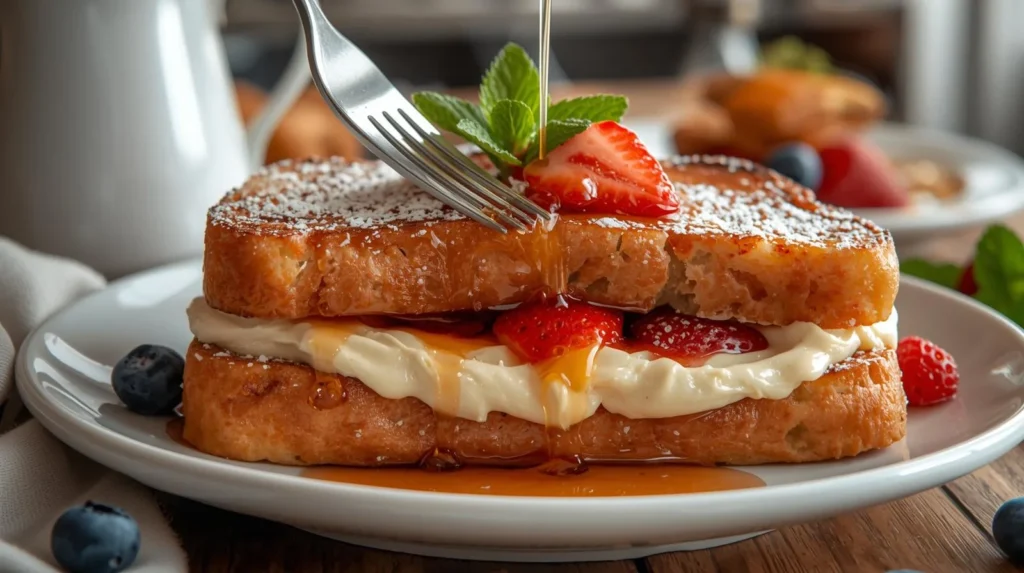
This stuffed french toast is fluffy on the outside, creamy inside, and tastes like dessert for breakfast! Imagine biting through a perfectly golden, custardy exterior to discover a rich, sweet filling that melts in your mouth. It’s the kind of breakfast that makes you excited to get out of bed, turning ordinary mornings into memorable occasions.
After years of brunch experiments and countless kitchen tests, I’ve perfected the art of making perfectly golden, indulgent stuffed french toast that never leaks, never turns soggy, and always impresses. I’ve learned exactly which bread works best, how to seal the edges properly, and what custard ratio creates that ideal texture.
In this comprehensive guide, you’ll discover creative stuffed french toast filling ideas that range from classic to adventurous, expert cooking tips that guarantee perfect results every time, and answers to all your frequently asked questions about making this showstopping breakfast. Let’s create something extraordinary!
Table of Contents
Why This Stuffed French Toast Works
This recipe takes French toast from simple to spectacular, delivering a breakfast experience that feels indulgent without being complicated.
- Combines fluffy bread with rich, creamy fillings for the perfect balance. The contrast between the crispy, custardy exterior and the smooth, sweet filling creates a multi-dimensional texture that makes every bite interesting. Unlike regular French toast where every bite is the same, stuffed french toast offers delightful surprise and complexity.
- Uses simple ingredients yet delivers restaurant-quality results. You don’t need specialty equipment or hard-to-find ingredients to create something that looks and tastes like it came from an upscale brunch café. Basic pantry staples and common grocery store items combine to create impressive results.
- Perfect for brunch, holidays, or special mornings. Whether you’re hosting Mother’s Day brunch, celebrating a birthday, planning a romantic breakfast in bed, or just want to make Saturday morning feel special, stuffed french toast elevates any occasion without requiring hours of preparation.
Choosing the Right Stuffed French Toast
Success with stuffed french toast begins with selecting the right components. Understanding which ingredients work best will set you up for perfect results.
Best Ingredients for This Recipe
Thick-cut bread like brioche or challah holds the filling perfectly without becoming soggy or falling apart during cooking. These enriched breads have a sturdy structure and slightly dense crumb that can support filling while still absorbing custard beautifully. Slices should be at least one inch thick—thinner bread tears too easily when stuffed. Cream cheese adds rich texture and creates a stable filling that won’t run out during cooking. Its thick consistency stays put between the bread slices, while its tangy flavor balances the sweetness perfectly. Full-fat cream cheese works best, as low-fat versions can be too thin and watery. Fresh eggs create a rich custard that coats the bread evenly, while whole milk provides the ideal consistency—not too thick, not too thin.
Buying Tips
Choose high-quality bread from a bakery rather than pre-sliced sandwich bread for the best flavor and texture. Bakery bread typically has better structure and more interesting flavor that elevates the entire dish. Look for loaves with a tight, even crumb and rich golden color. Pure vanilla extract is worth the investment over imitation vanilla, as its complex flavor shines through in the custard. Day-old bread is actually preferable to fresh—it’s slightly drier and absorbs custard better without becoming mushy. If you only have fresh bread, leave slices uncovered for a few hours or dry them in a low oven for ten minutes.
Substitutions
Use mascarpone instead of cream cheese for an even richer, silkier filling with a subtle sweetness that doesn’t need additional sugar. Ricotta cheese mixed with a bit of powdered sugar creates a lighter, fluffier filling reminiscent of Italian cannoli. Swap jam for Nutella, cookie butter, or lemon curd for completely different flavor profiles—each brings its own personality to the dish. For dairy-free stuffed french toast, use coconut cream or cashew cream cheese, and substitute the milk in the custard with almond or oat milk. Texas toast, Hawaiian bread, or thick sourdough can replace brioche if needed, though each will produce slightly different results.
Ingredients & Prep
Stuffed French Toast Prep Essentials
Begin by preparing the filling first so it has time to come to room temperature, making it easier to spread. Beat the cream cheese until smooth and fluffy before adding any other ingredients—this prevents lumps. Whisk together your custard ingredients in a shallow dish that’s wide enough to fit your stuffed bread slices. Cut your bread into thick slices and create a pocket if using whole slices rather than two separate pieces. Set up your workspace with the filling station, custard bowl, and heated pan in a logical order to streamline the cooking process.
Filling Options
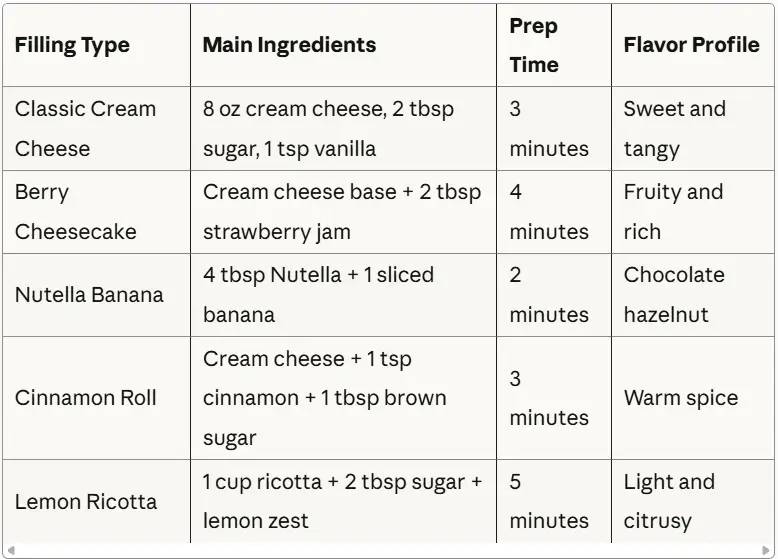
The filling is where creativity meets deliciousness. Mix eight ounces of softened cream cheese with two tablespoons of powdered sugar and one teaspoon of vanilla extract, beating until completely smooth and spreadable. This takes approximately three minutes with a hand mixer or five minutes by hand. For added dimension, fold in two tablespoons of your favorite jam, a handful of mini chocolate chips, or fresh berries. The filling should be thick enough to stay in place but soft enough to spread easily without tearing the bread.
Pantry Staples
Stock these essential ingredients to make stuffed french toast whenever the craving strikes. Large eggs provide the protein and richness for the custard, while whole milk creates the right consistency. Granulated sugar sweetens both the filling and custard, and unsalted butter prevents sticking while adding nutty flavor to the exterior. Ground cinnamon and pure vanilla extract are non-negotiable for that classic French toast taste. Your bread choice makes or breaks this recipe—always choose thick-sliced, high-quality options.
Step-by-Step Cooking Instructions
Pre-Cooking Prep
Prepare the filling by beating cream cheese until smooth, then adding sugar and vanilla until completely combined. Prepare the custard for stuffed french toast by whisking together four eggs, one cup of milk, two tablespoons of sugar, one teaspoon of vanilla extract, and half a teaspoon of cinnamon in a shallow dish. Whisk vigorously until no streaks remain and the mixture is uniform. Preheat your non-stick skillet or griddle over medium heat for several minutes—proper preheating is crucial for even cooking.
Assembling
Spread filling between two slices of bread, using approximately two to three tablespoons per sandwich. Spread the filling almost to the edges but leave a small border, as the filling will spread slightly during cooking. Press the slices together gently but firmly to seal, especially around the edges. For extra security, you can press the edges with fork tines to create a decorative crimped seal. Dip the assembled sandwich in the custard mixture, allowing fifteen to twenty seconds per side for absorption. Don’t oversoak—the bread should be coated and absorbing custard, but not falling apart.
Cooking Method
Cook on medium heat until golden brown and slightly crisp on both sides, approximately three to four minutes per side. Add one tablespoon of butter to your preheated pan before adding each stuffed french toast sandwich. The butter should sizzle gently when you place the bread in the pan—if it smokes or burns immediately, reduce your heat. Flip only once for the best appearance and texture. You’ll know it’s ready to flip when the edges look set and the bottom is deep golden brown. Press gently with your spatula to ensure even contact with the pan, but don’t press hard or you’ll squeeze out the filling.
Finishing Touch
Top with powdered sugar, syrup, or fresh fruit for a beautiful presentation that tastes as good as it looks. A generous dusting of powdered sugar through a fine-mesh sieve creates an elegant, bakery-quality appearance. Drizzle with pure maple syrup, berry compote, or chocolate sauce for added sweetness and moisture. Fresh berries, sliced bananas, or whipped cream turn breakfast into a showstopper. Serve immediately while the outside is still crispy and the inside is warm and gooey.
Pro Tips for Perfect Stuffed French Toast
Avoiding Soggy Toast
Don’t oversoak the bread and use day-old slices for best results that maintain structural integrity throughout cooking. The most common mistake is soaking stuffed french toast too long, which causes the bread to absorb too much liquid and fall apart when flipped. Fifteen to twenty seconds per side is sufficient—the custard will continue absorbing as you cook. Day-old bread is slightly drier and creates a sturdier base that holds up better to both filling and custard. If using fresh bread, leave slices uncovered for two to three hours or dry them in a 250°F oven for eight to ten minutes. Make sure your pan is hot enough so the exterior sets quickly, creating a protective barrier that keeps custard from seeping out.
Tool Recommendations
Invest in a quality non-stick pan or well-seasoned griddle for easy flipping and minimal sticking. A heavy-bottomed pan distributes heat evenly, preventing hot spots that cause uneven cooking. Use a wide, sturdy spatula that can support the entire sandwich during flipping—stuffed french toast is heavier than regular French toast and needs proper support. A wire whisk ensures your custard has no lumps, while a hand mixer or fork makes quick work of beating the cream cheese filling until smooth. Keep a shallow dish or pie plate handy for the custard—it makes dipping much easier than a deep bowl.
Storage & Reheating
Reheat leftover stuffed french toast in the oven to maintain texture rather than using the microwave, which makes bread rubbery and soggy. Store cooled stuffed french toast in an airtight container in the refrigerator for up to two days, with parchment paper between pieces to prevent sticking. To reheat, place on a baking sheet in a 350°F oven for eight to ten minutes until warmed through and the exterior crisps up again. You can also freeze cooked stuffed french toast for up to one month—wrap individual pieces tightly in plastic wrap, then place in a freezer bag. Reheat frozen pieces directly from the freezer in a 375°F oven for twelve to fifteen minutes.

Flavor Variations
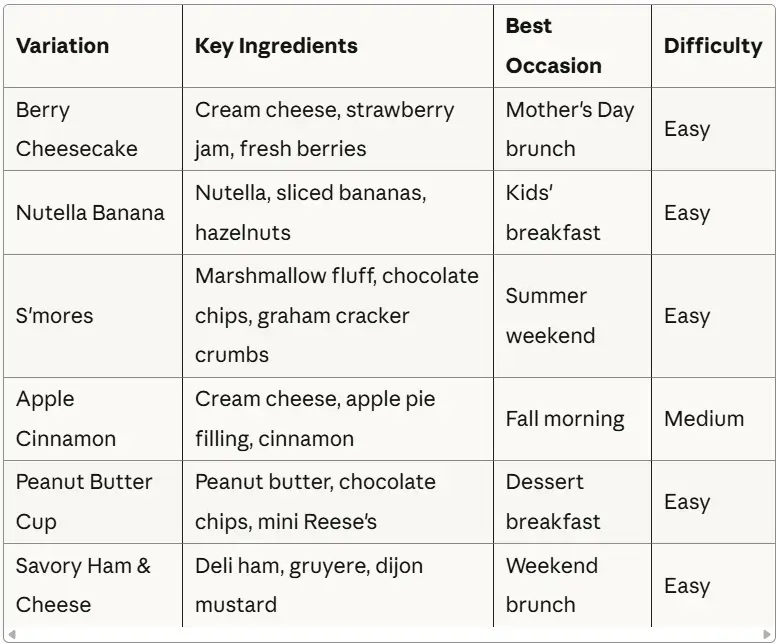
Transform your basic stuffed french toast into creative variations that cater to every taste preference and dietary need.
Berry Cheesecake
Stuff with cream cheese and strawberry jam for a flavor combination that tastes just like cheesecake in breakfast form. Beat eight ounces of cream cheese with two tablespoons of powdered sugar until fluffy, then swirl in three tablespoons of strawberry jam—don’t mix completely, as the marbled effect looks beautiful when you slice the finished toast. For extra berry flavor, top with fresh strawberries, blueberries, or a quick berry compote made by warming mixed berries with a tablespoon of sugar. A dollop of whipped cream on top makes this variation feel truly indulgent.
Nutella Banana
Add sliced bananas and Nutella for a decadent combo that rivals any dessert crepe. Spread two tablespoons of Nutella on one slice of bread, layer thin banana slices on top, then add another tablespoon of Nutella before closing with the second bread slice. The combination of chocolate hazelnut spread and sweet banana is irresistible. For extra texture, sprinkle chopped hazelnuts or pecans on top after cooking. This variation is especially popular with kids but adults love it just as much. Serve with a drizzle of caramel sauce for over-the-top deliciousness.
Savory Spin
Use ham and cheese instead of sweet fillings for a brunch twist that works perfectly for those who prefer savory breakfasts. Skip the sugar and cinnamon in the custard, using just eggs, milk, salt, and pepper instead. Layer thin slices of ham and shredded gruyere, cheddar, or swiss cheese between the bread slices. Cook the same way as sweet versions, then top with a fried egg, avocado slices, or a drizzle of hot sauce. This savory stuffed french toast pairs beautifully with a side salad for a complete brunch meal.
Serving Suggestions
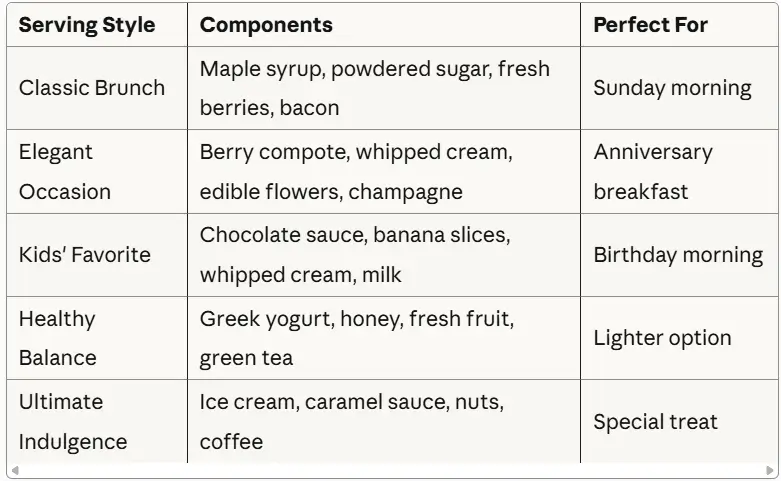
Elevate your stuffed french toast presentation with thoughtful accompaniments that complement the rich flavors and create a complete meal.
Pair with sides like fresh berries for brightness and a pop of color, whipped cream for luxurious texture, or crispy bacon for savory contrast that balances the sweetness. A side of breakfast sausage adds heartiness, while a simple fruit salad provides vitamins and freshness. For more substantial meals, serve with scrambled eggs or roasted potatoes. During special occasions, arrange the stuffed french toast on a platter with various toppings displayed in small bowls, allowing guests to customize their portions.
Drink pairings complete the experience—cappuccino, latte, or orange juice complements stuffed french toast perfectly. Rich espresso drinks cut through the sweetness and provide energizing contrast, while their creamy texture matches the indulgent nature of the dish. Fresh-squeezed orange juice offers bright acidity and vitamin C that cleanses the palate between bites. For celebratory brunches, mimosas or bellinis add elegance and festivity. Hot chocolate works beautifully with chocolate-filled variations, while chai tea complements spiced versions.
FAQs
Can I prepare it the night before?
You can prepare the filling and custard the night before and store them separately in the refrigerator, which saves significant time in the morning. However, don’t assemble and soak the stuffed french toast ahead of time, as the bread will become too soggy and fall apart during cooking. For best results, assemble and cook fresh in the morning—the entire process only takes about fifteen minutes once your ingredients are prepped. If you need to serve a crowd, you can cook the stuffed french toast and keep it warm in a 200°F oven for up to thirty minutes while finishing remaining batches.
How do I prevent the filling from leaking out?
Leave a small border around the edges when spreading filling, and press the bread slices together firmly to create a seal. Don’t overfill—two to three tablespoons of filling is plenty. For extra security, press the edges with fork tines to crimp them together, creating both a mechanical seal and a decorative edge. Make sure your pan is properly preheated before adding the stuffed french toast so the exterior sets quickly, trapping the filling inside. If you’re having persistent leaking issues, try using slightly thicker bread or reducing the amount of filling slightly.
Can I bake instead of fry?
Yes, you can bake stuffed french toast in a 375°F oven for approximately twenty to twenty-five minutes, flipping halfway through. Place assembled and dipped sandwiches on a greased or parchment-lined baking sheet, spacing them apart so air can circulate. Baking produces slightly different results—less crispy exterior but more even cooking throughout. This method works wonderfully when cooking for a crowd, as you can bake multiple servings at once instead of cooking them individually in a pan. For extra browning, brush the tops lightly with melted butter before baking, or broil for the last minute or two.
What’s the best bread-to-filling ratio?
Use approximately two to three tablespoons of filling for every two slices of one-inch-thick bread. Too much filling makes the sandwich difficult to seal and increases the risk of leakage. Too little filling means you won’t taste it in every bite. The filling should be visible when you slice the finished stuffed french toast but shouldn’t ooze out during cooking.
Can I make this dairy-free?
Absolutely! Replace the cream cheese with dairy-free cream cheese alternatives made from cashews or coconut, and use plant-based milk such as oat, almond, or soy in the custard. Coconut cream makes an excellent filling base and can be whipped with sugar and vanilla just like regular cream cheese. The results are nearly identical to traditional stuffed french toast, with just slight differences in flavor depending on which dairy alternatives you choose.
Why is my stuffed french toast raw in the middle?
Your heat is too high, causing the outside to brown before the inside cooks through. Reduce to medium or medium-low heat and cook slightly longer on each side. Using thinner bread slices or letting the custard-soaked bread rest for a minute before cooking also helps ensure even cooking throughout.
Conclusion
This stuffed french toast recipe delivers everything you want from an extraordinary breakfast—crispy golden exterior, fluffy bread, creamy filling, and flavors that make you feel like you’re eating dessert. Whether you’re celebrating a special occasion or simply want to make an ordinary morning feel magical, this recipe transforms breakfast into an event worth waking up for.
Try this stuffed french toast recipe today for a breakfast that feels like dessert and tastes like it came from your favorite brunch spot! The combination of simple techniques and impressive results makes this a recipe you’ll turn to again and again whenever you want to create something memorable.
Thousands of home cooks rave about this creamy, indulgent breakfast favorite, making it a weekend tradition and go-to recipe for holidays and celebrations. From Valentine’s Day breakfast in bed to Christmas morning gatherings, stuffed french toast brings joy to any table.
Ready to explore more French toast variations? Try our Brioche French Toast Guide next for another luxurious breakfast option, or browse our complete collection of brunch recipes for endless inspiration!
How did you find results our recipes
There are no reviews yet. Be the first one to write one.