Introduction
Tired of salmon that emerges from your oven dry, rubbery, and tasting more like cardboard than the luxurious fish you know it should be? You’re not alone. The problem isn’t salmon itself—it’s the cooking method. Most home cooks either bake it too long or pan-sear it with inconsistent results, leading to overcooked disappointment.
This broiled salmon recipe delivers restaurant-quality fish with a beautifully caramelized top, tender flaky interior, and incredible flavor—all in just 10 minutes of actual cooking time. Picture perfectly cooked salmon with a golden-brown crust, juicy and buttery throughout, ready to serve in less time than it takes to order takeout. The high, direct heat of broiling creates a delicious crust while keeping the interior moist and succulent, solving the age-old problem of dry fish once and for all.
As someone who’s spent over 15 years perfecting seafood techniques in both professional kitchens and home cooking environments, I can confidently say that broiling is the most foolproof, fastest, and most flavorful method for cooking salmon. The intense heat creates the Maillard reaction that develops complex flavors and appealing color, while the quick cooking time prevents moisture loss. Once you master this technique, you’ll wonder why you ever cooked salmon any other way.
In this comprehensive guide, you’ll discover everything needed to master broiled salmon, including how to select the perfect fillets, the exact rack position and timing that guarantees success, simple seasoning combinations that enhance rather than mask the fish’s natural flavor, and pro techniques that prevent common pitfalls. Whether you’re a beginner intimidated by cooking fish or an experienced cook seeking efficiency, this recipe will transform your weeknight dinners.
Table of Contents
Why This Broiled Salmon Recipe Works
This broiled salmon recipe has become a weeknight staple for thousands of home cooks because it delivers on every important factor:
- Lightning-fast cooking time: From fridge to table in 15 minutes total. The salmon itself broils in just 6-10 minutes depending on thickness, making this one of the fastest healthy dinners you can prepare. Perfect for busy weeknights when time is precious but nutrition matters.
- Foolproof technique with consistent results: Unlike pan-searing that requires vigilant heat management or baking that takes forever, broiling uses intense, direct heat from above that cooks the salmon quickly and evenly. The proximity to the heating element creates beautiful caramelization without overcooking the interior.
- Minimal cleanup: One pan, no splattering oil, no smoke filling your kitchen. Line your broiler pan with foil and cleanup becomes virtually effortless—just wipe and you’re done. The simplicity encourages you to cook salmon more frequently.
- Superior flavor and texture: The high heat of broiling creates a lightly crispy, golden-brown surface packed with flavor while keeping the interior incredibly moist and tender. This contrast between the caramelized exterior and succulent interior rivals any restaurant preparation.
- Naturally healthy and nutrient-dense: Broiling requires minimal added fat, letting salmon’s natural omega-3 fatty acids, high-quality protein, and essential vitamins take center stage. You get maximum nutrition with incredible taste.
- Infinitely versatile seasoning options: The base technique works with countless flavor profiles from simple salt and pepper to elaborate marinades and rubs. Master the method once, and you can create endless variations to suit any cuisine or preference.
- Works with any quantity: Whether you’re cooking for one or feeding eight, broiled salmon scales effortlessly. Simply adjust your pan size and broiling time slightly—the technique remains identical.
Choosing the Right Broiled Salmon Recipe
The foundation of exceptional Broiled Salmon Recipe starts with selecting quality fish. The type and freshness of your salmon directly impact the final dish’s flavor, texture, and appearance.
Best Cuts for Broiled Salmon Recipe
For Broiled Salmon Recipe, you want fillets that are uniformly thick to ensure even cooking under the intense broiler heat. Center-cut portions work best, measuring approximately 1 to 1.5 inches thick. Avoid thin tail pieces, which cook too quickly and can dry out before the thicker portions are done.
Individual fillets weighing 5-7 ounces each are ideal for single servings and cook evenly in 6-8 minutes. A whole side of salmon (1.5-2 pounds) makes an impressive presentation for dinner parties and feeds 4-6 people, though you’ll need to monitor it carefully since the thinner tail section will finish before the thick center portion.
You can choose to keep the skin on or remove it. Skin-on fillets are easier to handle and the skin helps hold the delicate flesh together during cooking—it also becomes pleasantly crispy under the broiler. If you’re not a fan of eating fish skin, you can easily peel it off after cooking. Skinless fillets work perfectly fine too, though they’re slightly more delicate.
Wild-caught salmon offers superior flavor and firmer texture that stands up beautifully to high heat. Sockeye salmon delivers robust, distinctive taste with vibrant red-orange flesh that looks stunning when broiled. King salmon (Chinook) provides the richest, most buttery flavor with high fat content that keeps it incredibly moist even under intense broiler heat. Coho salmon strikes an excellent balance between flavor intensity and cost, with medium oil content that broils beautifully.
Farmed Atlantic Broiled Salmon Recipe, while milder in flavor, works wonderfully for broiled salmon and costs significantly less than wild varieties. Its tender texture and higher fat content actually provide insurance against overcooking—a forgiving choice for beginners. The neutral flavor makes it an excellent canvas for bold seasonings and marinades.
Buying Tips
When selecting salmon for broiling, freshness is paramount. Look for flesh that appears moist with consistent, vibrant color—whether that’s the deep crimson of sockeye or the coral-pink of Atlantic salmon. The surface should glisten and look freshly cut, never dull, dried out, or showing brown discoloration.
Press the flesh gently with your finger—it should spring back immediately and feel firm, not mushy. If an indentation remains, the fish is past its prime. Fresh salmon smells clean and mild, like the ocean or cucumber. Any strong fishy, sour, or ammonia-like odor is an immediate red flag that indicates old fish.
At the fish counter, engage with your fishmonger. Ask when the salmon arrived, where it’s from, and don’t hesitate to request to smell it before purchasing. Quality fish departments expect and welcome these questions. If buying packaged salmon, check the sell-by date and examine the packaging for excessive liquid, which suggests extended storage time.
For frozen Broiled Salmon Recipe, look for vacuum-sealed packages with minimal ice crystals—heavy frost indicates prolonged storage or thawing and refreezing. Wild Alaskan salmon is available fresh during summer and early fall; high-quality frozen wild salmon is available year-round. Farmed Atlantic salmon is consistently available fresh throughout the year at most grocery stores.
Substitutions
While Broiled Salmon Recipe specifically features salmon, the broiling technique adapts beautifully to other seafood and proteins. Arctic char, salmon’s close relative, provides nearly identical results with slightly more delicate, sweeter flavor. Steelhead trout offers a budget-friendly alternative that looks and tastes remarkably similar to salmon while often costing 30-40% less.
Other firm-fleshed fish work wonderfully broiled using the same technique—try halibut, swordfish, mahi-mahi, or tuna steaks. Adjust timing based on thickness, but the method remains the same. These fish all benefit from the quick, high-heat cooking that creates flavorful crust while maintaining moistness.
For a different protein entirely, chicken breasts or thighs broil excellently (increase time to 12-15 minutes and ensure internal temperature reaches 165°F). Pork chops also work well with this method. Even thick slices of firm tofu can be broiled with the same seasonings for a vegetarian option.
Ingredients & Prep Broiled Salmon Recipe
Salmon Prep Essentials
Proper preparation ensures your Broiled Salmon Recipe cooks evenly and develops the best possible flavor and texture. Start by removing salmon from the refrigerator 15 minutes before cooking—this brings it to room temperature, which promotes even cooking throughout rather than a cold center with overcooked edges.
Rinse the Broiled Salmon Recipe briefly under cold water and pat it completely dry with paper towels. This step is crucial—excess moisture creates steam under the broiler instead of allowing proper browning and caramelization. Pay special attention to the top surface where you want that golden crust to develop.
Run your fingers along the centerline of each fillet to check for pin bones. These small, needle-like bones run along the center and can be felt easily by sliding your fingers from the thick end toward the tail. Remove any you find using clean tweezers or needle-nose pliers, pulling at a slight angle in the direction the bones point to avoid tearing the flesh.
If your salmon has scales (more common with wild-caught fish), scrape them off by running the back of a knife against the skin from tail to head. Most grocery store salmon has scales removed, but it’s worth checking.
Examine the fillet for any dark bloodline running along the center—this is edible but has a stronger, more metallic flavor. You can trim it away if desired, though it’s perfectly safe to eat.
Simple Broiled Salmon Recipe Seasoning
The beauty of Broiled Salmon Recipe lies in its simplicity—you don’t need elaborate marinades or complex seasonings. The high heat creates incredible flavor from just a few quality ingredients.
Basic Method (serves 4):
- 4 salmon fillets (6 ounces each, about 1 inch thick)
- 2 tablespoons olive oil or melted butter
- 1 teaspoon kosher salt
- ½ teaspoon black pepper
- 1 teaspoon garlic powder (optional)
- Fresh lemon wedges for serving
Garlic-Herb Variation:
- Add 2 cloves minced garlic
- 1 tablespoon fresh herbs (dill, parsley, or thyme)
- 1 teaspoon lemon zest
Asian-Inspired:
- Replace olive oil with sesame oil
- Add 1 tablespoon soy sauce or tamari
- 1 teaspoon fresh grated ginger
- Sprinkle of sesame seeds
Spicy Cajun:
- 1 tablespoon Cajun or Creole seasoning
- ½ teaspoon smoked paprika
- Pinch of cayenne pepper
Mix your chosen seasonings together. Brush or drizzle the salmon with oil or melted butter—this helps conduct heat, prevents sticking, and aids in browning. Rub the seasoning mixture evenly over the top and sides of the salmon. The oil helps the seasonings adhere and creates that beautiful golden crust.
Pantry Staples for Broiled Salmon Recipe
Keep these ingredients for Broiled Salmon Recipe on hand to create countless broiled salmon variations: High-quality olive oil or avocado oil provides healthy fat and promotes browning. Melted butter adds rich flavor and creates an exceptionally golden crust. Fresh garlic and lemon are non-negotiable—they elevate salmon from simple to spectacular with minimal effort.
Dried herbs like dill, oregano, thyme, or Italian seasoning add aromatic complexity. Smoked paprika contributes color and subtle smokiness. Dijon mustard creates a flavorful crust when brushed on before broiling. Honey or maple syrup in small amounts caramelize beautifully under high heat, creating sweet-savory glazes.
Soy sauce or tamari provides umami depth for Asian-inspired preparations. Fresh ginger adds warming spice. Red pepper flakes or cayenne bring heat. Capers and olives contribute briny brightness. The possibilities are endless once you master the basic technique.
Step-by-Step Cooking Instructions
Pre-Cooking Prep Broiled Salmon Recipe
Position your oven rack in the upper third of the oven, approximately 4-6 inches from the broiler element. This distance is crucial—too close and the salmon will burn before cooking through; too far and you won’t get proper caramelization. Most ovens have multiple rack positions; you want the second or third slot from the top.
Turn your broiler to high and let it preheat for 5 minutes. Broilers need time to reach maximum temperature—skipping this step results in longer cooking times and less impressive browning. While the broiler heats, prepare your pan.
Line a broiler pan, baking sheet, or oven-safe skillet with aluminum foil for easy cleanup. Lightly oil the foil or use cooking spray to prevent sticking. If you have a broiler pan with a slotted insert, use it—the raised surface allows air circulation and prevents the fish from sitting in its juices, promoting better browning.
Pat your room-temperature salmon dry once more—it may have released additional moisture. Place the fillets on the prepared pan, leaving space between them for heat circulation. Brush with oil or melted butter and apply your chosen seasonings generously. Don’t be shy with the salt—it enhances the salmon’s natural flavor and helps draw moisture to the surface for better browning.
Broiling Method for Broiled Salmon Recipe
Place the prepared salmon under the preheated broiler on the upper rack. Set a timer for 6 minutes if your fillets are about 1 inch thick, or 8 minutes for thicker cuts up to 1.5 inches. The timing depends on thickness and your broiler’s intensity, so these are starting points.
Do not flip the salmon. Unlike other cooking methods, broiling cooks from above, so there’s no need to turn it. The heat penetrates through the fillet while simultaneously browning the top surface. This is one of the beauties of Broiled Salmon Recipe—it’s genuinely a “set it and forget it” method.
Watch carefully during the last minute or two of cooking. Broilers vary significantly in intensity, and the difference between perfectly caramelized and burnt happens quickly. You’ll see the salmon’s color change from translucent to opaque, and the surface should develop a light golden-brown crust with slightly darker edges.
For thicker fillets or if your salmon isn’t browning sufficiently, you can move the rack closer to the broiler for the final 1-2 minutes. Conversely, if it’s browning too quickly but isn’t cooked through, move the rack down one slot and continue broiling.
Doneness Check
The most reliable method to check if your Broiled Salmon Recipe is done is with an instant-read thermometer inserted into the thickest part of the fillet. For perfectly moist, tender salmon, aim for an internal temperature of 120-125°F—this yields medium-rare salmon with a slightly translucent center that’s incredibly silky and rich.
For medium doneness, target 130-135°F, which gives you opaque flesh throughout while maintaining excellent moisture. The FDA recommends 145°F for safety, though this produces drier salmon—however, pregnant women and immunocompromised individuals should follow this guideline.
Visual and tactile cues help when you don’t have a thermometer: Gently press the thickest part with a fork or your finger—it should offer slight resistance and feel somewhat firm, not jiggly or soft. When you insert a fork and gently twist, the salmon should flake into large sections but still hold together. It should have transitioned from translucent to opaque throughout most of the fillet.
You might see a bit of white albumin (a harmless protein) on the surface—this is completely normal, especially with farmed salmon, and indicates the salmon is approaching full doneness. Simply wipe it off with a paper towel if it bothers you aesthetically.
Remember that carryover cooking will add another 3-5 degrees after you remove the salmon from the broiler, so pull it slightly before it reaches your exact target temperature. It’s always better to slightly undercook—you can return it for another minute if needed, but you can’t uncook salmon.
Resting and Serving
Remove the salmon from the broiler and let it rest for 2-3 minutes on the pan. This brief rest allows the proteins to relax and reabsorb juices, ensuring maximum moisture and tenderness in every bite. The temperature will even out throughout the fillet during this time.
Transfer to serving plates using a thin spatula, leaving the skin behind on the foil if desired (it often sticks to the pan naturally). The Broiled Salmon Recipe should slide off easily if you adequately oiled the foil.
Serve immediately with fresh lemon wedges for squeezing over the top—the bright acidity cuts through the richness and enhances the salmon’s natural flavors. Add a sprinkle of fresh herbs if desired, and enjoy while the exterior is still slightly crispy and the interior is at peak juiciness.
Pro Tips for Perfect Broiled Salmon Recipe
Avoiding Dry or Overcooked Salmon
The primary enemy of Broiled Salmon Recipe is overcooking. The intense heat of the broiler can quickly cross the line from perfectly done to dry and chalky. Combat this by using an instant-read thermometer and pulling the salmon at 120-130°F, accounting for carryover cooking.
Watch your Broiled Salmon Recipe carefully during the last 2-3 minutes of broiling—this is when things can go from perfect to overdone quickly. If you’re nervous about timing, check the salmon at the 5-minute mark for 1-inch fillets, then continue cooking in 1-minute increments while monitoring closely.
Don’t skip bringing the salmon to room temperature. Cold fish requires longer cooking time, increasing the risk of an overcooked exterior with an undercooked center. That 15-minute rest on the counter makes a significant difference.
Use enough fat—whether butter or oil—to coat the Broiled Salmon Recipe’s surface. This creates a protective barrier that prevents surface drying while promoting beautiful browning. Skimping on fat results in dry, lackluster results.
If you’re cooking multiple fillets of varying thickness, arrange them with the thickest portions toward the center of the pan where heat is most intense, and thinner portions toward the edges. This helps everything finish simultaneously.
Tool Recommendations
An instant-read thermometer is essential for consistently perfect Broiled Salmon Recipe. Digital models like the ThermoWorks ThermoPop or Thermapen read in 2-3 seconds and eliminate all guesswork. This single tool transforms salmon cooking from stressful to foolproof.
A good broiler pan with a slotted rack insert elevates the salmon above drippings, promoting even cooking and preventing the bottom from steaming. If you don’t have one, a rimmed baking sheet works fine—just use a piece of crumpled foil under the fillets to lift them slightly.
A fish spatula with a thin, flexible, slotted blade makes transferring delicate Broiled Salmon Recipe effortless without breaking. The angled design slides easily under fillets, and slots allow excess oil to drain.
Keep an oven mitt handy specifically for broiling—you’ll be reaching into a very hot oven, often multiple times to check doneness. Silicone oven mitts provide better heat protection than cloth versions for this high-heat cooking.
Storage & Reheating
Leftover Broiled Salmon Recipe stores beautifully in an airtight container in the refrigerator for up to 3 days. Let it cool completely before refrigerating to prevent condensation that makes the texture soggy.
Broiled Salmon Recipe is actually delicious served cold or at room temperature—flake it over salads, fold it into pasta, use it in salmon cakes, or enjoy it on bagels with cream cheese. The cold preparation eliminates any risk of overcooking during reheating.
If you want to serve it warm, the gentlest reheating method is in a 275°F oven for 10-12 minutes, covered loosely with foil. This prevents further cooking while bringing it to serving temperature. You can also microwave it at 50% power in 30-second intervals, though this risks overcooking and drying it out.
For meal prep, consider slightly undercooking the salmon if you know you’ll be reheating it. Pull it at 115-120°F, refrigerate, then a brief reheating will bring it to perfect doneness without crossing into dry territory.
You can freeze cooked Broiled Salmon Recipe, though the texture will be slightly less pristine after thawing. Wrap individual portions tightly in plastic wrap, then place in freezer bags with air pressed out. Freeze for up to 2 months. Thaw overnight in the refrigerator before gently reheating or using cold in salads and sandwiches.
Flavor Variations
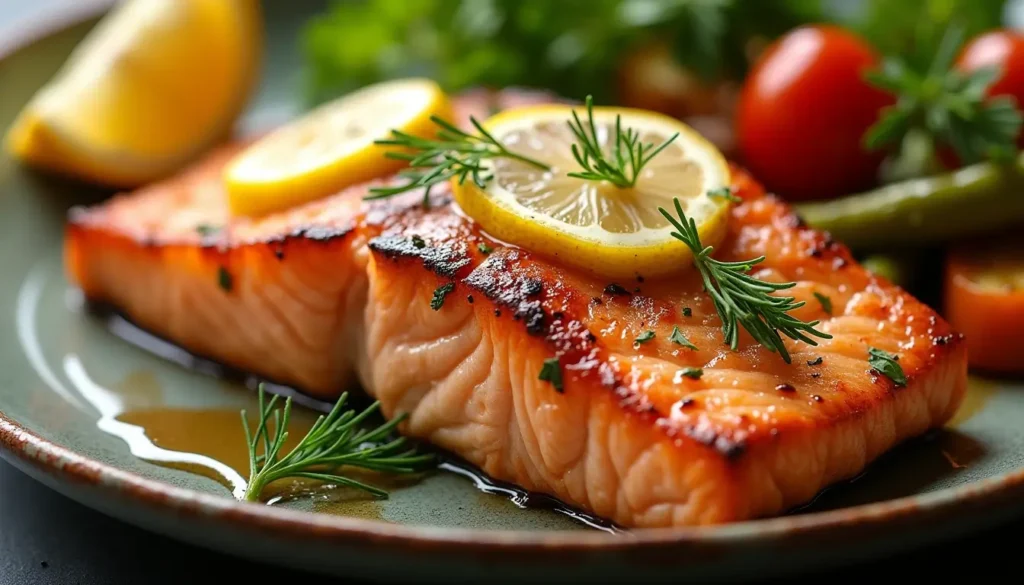
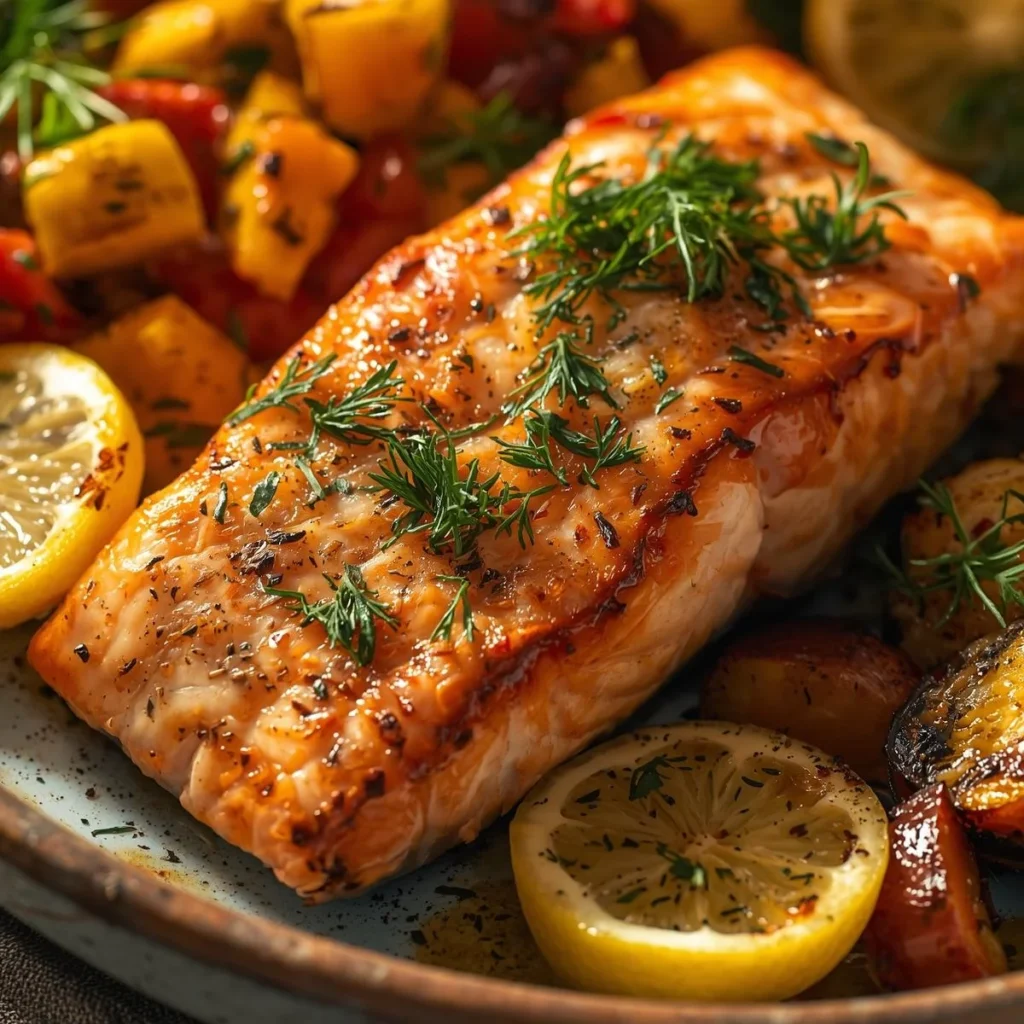
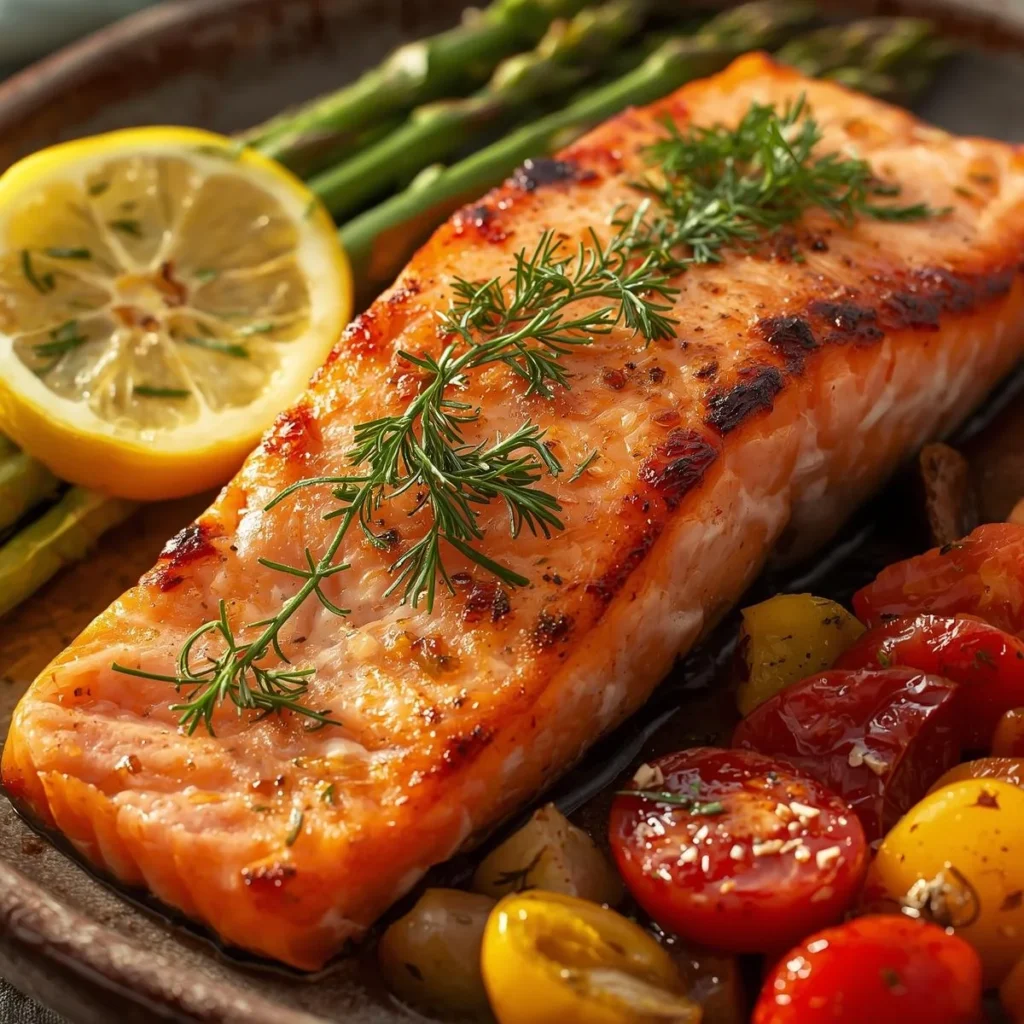
Lemon-Dill Broiled Salmon Recipe
This classic combination celebrates salmon’s natural affinity for bright, herbaceous flavors. Mix 2 tablespoons melted butter with the zest of 1 lemon, 2 tablespoons fresh chopped dill, 2 minced garlic cloves, ½ teaspoon salt, and ¼ teaspoon black pepper. Brush this mixture generously over the salmon before broiling.
The butter creates an exceptionally golden crust, while lemon zest provides aromatic citrus without excess moisture that could prevent browning. Fresh dill’s anise-like notes perfectly complement salmon’s richness.
After broiling, squeeze fresh lemon juice over the salmon and garnish with extra dill fronds. Serve with roasted asparagus and new potatoes for a complete springtime meal.
Maple-Dijon Glazed Broiled Salmon Recipe
Sweet and tangy with sophisticated depth, this variation appeals to both adults and children. Whisk together 2 tablespoons Dijon mustard, 2 tablespoons pure maple syrup, 1 tablespoon olive oil, 1 minced garlic clove, and a pinch of black pepper. Brush this mixture over the salmon before broiling.
The maple syrup caramelizes beautifully under the broiler’s high heat, creating a gorgeous glossy finish, while the Dijon adds sharp contrast that prevents it from being cloying. Watch carefully during the last minute—the sugars in maple syrup can burn quickly.
This sweet-savory profile pairs wonderfully with roasted Brussels sprouts and wild rice for a cozy autumn dinner.
Mediterranean Broiled Salmon Recipe
Transport your dinner to the Greek isles with bright Mediterranean flavors. Combine 3 tablespoons olive oil, 3 minced garlic cloves, 1 tablespoon fresh oregano (or 1 teaspoon dried), the zest and juice of 1 lemon, ½ teaspoon salt, and ¼ teaspoon black pepper. Marinate the salmon in this mixture for 15-30 minutes before broiling.
After broiling, top with halved cherry tomatoes, sliced Kalamata olives, crumbled feta cheese, and fresh basil. The combination of tomatoes, olives, and feta creates a chunky relish that adds texture and bold flavor to complement the simply seasoned salmon.
Serve with a crisp cucumber salad and warm pita bread for a complete Mediterranean feast.
Spicy Cajun Broiled Salmon Recipe
For heat lovers, this Louisiana-inspired version delivers bold, spicy flavor with a beautiful mahogany crust. Mix 1 tablespoon paprika, 1 teaspoon garlic powder, 1 teaspoon onion powder, ½ teaspoon cayenne pepper, ½ teaspoon dried thyme, ½ teaspoon dried oregano, ½ teaspoon salt, and ¼ teaspoon black pepper.
Brush the salmon with oil or melted butter, then coat generously with the Cajun spice blend, pressing it into the flesh. The high heat of broiling toasts the spices, intensifying their flavors and creating a flavorful crust that’s slightly spicy, smoky, and aromatic.
Serve with creamy coleslaw and corn on the cob to balance the heat, or over dirty rice for an authentic Southern-style meal.
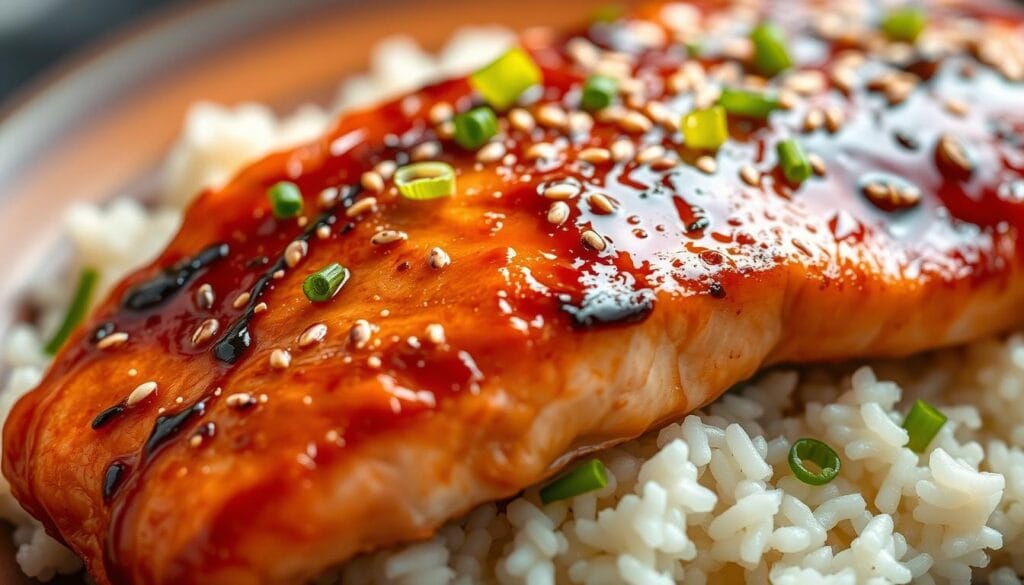
Asian Sesame-Ginger Broiled Salmon Recipe
Give your Salmon Recipe an Asian twist with aromatic ginger and nutty sesame. Whisk together 2 tablespoons soy sauce or tamari, 1 tablespoon sesame oil, 1 tablespoon honey, 1 tablespoon rice vinegar, 2 teaspoons fresh grated ginger, and 2 minced garlic cloves.
Brush this mixture over the salmon before broiling, reserving some for drizzling after cooking. The soy sauce and honey create a beautiful glaze that caramelizes under the broiler, while ginger and sesame oil provide distinctive Asian aromatics.
Garnish with toasted sesame seeds, sliced green onions, and a drizzle of the reserved sauce. Serve with steamed bok choy and jasmine rice for a complete Asian-inspired meal.
Pesto-Crusted Broiled Salmon Recipe
For an Italian-inspired variation that’s packed with flavor, spread 2-3 tablespoons of basil pesto (store-bought or homemade) evenly over the top of the salmon before broiling. The pesto creates a flavorful, herb-packed crust that browns beautifully under high heat.
For extra texture, sprinkle 2 tablespoons of panko breadcrumbs mixed with 1 tablespoon grated Parmesan over the pesto before broiling. This creates a delightfully crispy topping that contrasts with the tender salmon.
After broiling, garnish with halved cherry tomatoes, fresh basil leaves, and a drizzle of good balsamic glaze. Serve with angel hair pasta tossed in olive oil and garlic for an elegant Italian dinner.
Serving Suggestions
Broiled Salmon Recipe‘s quick cooking time and versatile flavor make it the centerpiece of countless meal combinations, from light and healthy to comforting and indulgent.
Classic Pairings: Steamed or roasted vegetables provide nutritious, colorful accompaniments that don’t compete with the salmon. Try asparagus, green beans, broccoli, or Brussels sprouts—roast them in the oven while the broiler preheats, and everything finishes simultaneously. Rice pilaf, quinoa, or couscous offer neutral bases that absorb any flavorful juices from the salmon. A simple mixed green salad with vinaigrette adds freshness and helps balance the meal.
Potato Sides: Roasted baby potatoes, mashed potatoes, or roasted sweet potato wedges provide comforting starchiness that pairs beautifully with salmon. For a lighter option, try cauliflower mash—it mimics mashed potatoes’ creamy texture while keeping the meal lower in carbs.
Grain Bowls: Create complete nutrition-packed bowls with a base of brown rice, quinoa, or farro, top with broiled salmon (whole or flaked), and add roasted vegetables, avocado slices, pickled onions, and a drizzle of tahini or yogurt sauce. These bowls are perfect for meal prep and can be customized endlessly.
Mediterranean Spreads: Serve broiled salmon with hummus, tzatziki, warm pita bread, cucumber-tomato salad, and olives for a mezze-style meal. The variety of textures and flavors creates an exciting, interactive dining experience.
Light and Fresh: For warm weather or lighter appetites, serve broiled salmon over a bed of mixed greens with cherry tomatoes, cucumber, red onion, and a lemon vinaigrette. Add crumbled feta or goat cheese for extra richness. This transforms the salmon into a substantial main-course salad.
Beverage Pairings: The rich, somewhat fatty nature of salmon pairs beautifully with wines that have good acidity. Pinot Noir offers fruity notes and earthy undertones that complement without overwhelming. Chardonnay, particularly lightly oaked versions, provides buttery richness that harmonizes with the fish. Sauvignon Blanc or Pinot Grigio offer crisp, refreshing alternatives that cleanse the palate.
For beer, reach for a crisp pilsner or a citrusy IPA—the hoppy bitterness cuts through the richness nicely. Wheat beers like hefeweizen provide subtle fruit notes that work well with simply seasoned salmon. Non-alcoholic options include sparkling water with lemon, iced green tea, or a crisp white grape juice.
FAQs
Can I use frozen salmon for broiling?
Yes! Frozen salmon works excellently for broiling and is often more affordable and accessible than fresh fish. The key is proper thawing—never thaw at room temperature or in warm water. For best results, thaw frozen salmon overnight in the refrigerator on a plate (12-18 hours for fillets). For faster thawing, seal the salmon in a plastic bag and submerge in cold water, changing the water every 30 minutes until thawed (1-2 hours typically). Once thawed, pat the salmon extremely thoroughly dry—frozen fish releases more moisture than fresh, and excess water will prevent proper browning under the broiler and create steam instead of that desirable caramelized crust. After thorough drying, proceed with the recipe exactly as written. Properly thawed and dried frozen salmon produces results nearly indistinguishable from fresh.
How do I prevent the salmon from sticking to the pan?
Sticking is easily prevented with proper preparation. First, line your broiler pan or baking sheet with aluminum foil—this creates a smooth, non-stick surface and makes cleanup effortless. Lightly oil the foil or spray it with cooking spray before placing the salmon on it. Make sure to brush the salmon itself with oil or melted butter—this creates a barrier between the fish and the pan while promoting browning. Finally, pat the salmon completely dry before applying oil and seasonings—moisture causes sticking. If you follow these steps, your salmon should release easily when it’s done. Using a thin fish spatula rather than a regular spatula also helps slide under the fillet without tearing. If despite your best efforts some skin sticks to the foil, that’s perfectly fine—just leave it behind and enjoy the beautifully broiled flesh.
My broiler heats unevenly. What should I do?
Uneven broiler heat is common, especially in older ovens. Work around this by rotating your pan 180 degrees halfway through cooking (around the 3-4 minute mark for standard fillets). This ensures both ends of the salmon receive equal exposure to hot spots. You can also position fillets strategically—place thicker portions toward the hottest part of your broiler (usually the center or back) and thinner pieces toward cooler zones. If one section of your broiler is consistently much hotter, simply avoid that area or shield salmon in that zone with a small piece of foil during the first few minutes of cooking. Finally, consider using an oven thermometer to understand your broiler’s heat patterns—some broilers run significantly hotter or cooler than indicated, affecting cooking times. Adjust accordingly based on your results.
Can I broil salmon without the skin?
Absolutely! Skinless salmon fillets broil beautifully and are actually easier to serve and eat. The technique remains identical—just be extra careful when transferring the cooked salmon to plates since you don’t have the skin providing structural support. A thin fish spatula is especially helpful for skinless fillets. The lack of skin won’t affect cooking time or temperature. Some people actually prefer skinless because every bite is the delicious fish with no need to navigate around or remove skin. If you’re buying salmon with skin but prefer it without, most fishmongers will remove it for you upon request. You can also remove it yourself at home by sliding a sharp knife between the skin and flesh while pulling the skin taut.
Is broiled salmon safe during pregnancy?
Salmon is one of the best seafood choices during pregnancy due to its low mercury content and high omega-3 fatty acids (particularly DHA), which support fetal brain and eye development. However, pregnant women should ensure salmon reaches an internal temperature of 145°F (fully opaque throughout with no translucent center) to eliminate any potential parasites or harmful bacteria. This means cooking it to the medium-well range rather than the medium-rare many prefer. The high heat of broiling makes reaching this temperature easy—simply broil for an additional 1-2 minutes beyond the times given in this recipe, or until a thermometer confirms 145°F. The salmon will still be moist and delicious, just more fully cooked. As always, consult your healthcare provider about your specific dietary needs during pregnancy.
Can I broil a whole side of salmon for a crowd?
Yes, and it’s actually one of the most impressive yet easiest ways to feed a group! Place a whole side of salmon (1.5-2.5 pounds) on a foil-lined baking sheet, season as desired, and broil using the same technique. The timing will be slightly longer—typically 10-14 minutes depending on thickness. Start checking at 10 minutes, and remember that the thinner tail section will finish before the thick center, which is actually perfect since guests can choose their preferred level of doneness. For even more dramatic presentation, leave the skin on, score the skin lightly in a crosshatch pattern, and season generously. The whole side will develop a beautiful golden crust and look restaurant-worthy. Let it rest for 5 minutes, then portion it at the table, offering the well-done tail sections to those who prefer it and the slightly more rare center portions to others.
What if I don’t have a broiler?
If your oven doesn’t have a broiler function (uncommon but possible with some older or basic models), you can approximate broiling by setting your oven to its highest temperature (usually 500-550°F) and positioning the rack in the upper third of the oven. Preheat thoroughly for 10 minutes. The salmon will take slightly longer to cook (typically 10-12 minutes instead of 6-8), but you’ll still achieve a nicely browned top and moist interior. Alternatively, you can pan-sear the salmon in an oven-safe skillet on the stovetop over high heat for 3-4 minutes to brown the top, then flip and cook for another 2-3 minutes. While not identical to broiling, both methods produce delicious results. A grill can also substitute for a broiler—preheat to high heat and grill skin-side down for 6-8 minutes without flipping.
Conclusion
This broiled salmon recipe delivers everything you need from a weeknight dinner: incredible speed, foolproof technique, and restaurant-quality results that make you feel like a culinary pro. In just 15 minutes total—10 of which are hands-off cooking time—you can serve perfectly cooked salmon with a beautiful golden crust and succulent, flaky interior that rivals anything you’d pay premium prices for
How did you find results our recipes
There are no reviews yet. Be the first one to write one.