Introduction
Tired of dry, overcooked salmon that tastes more like cardboard than the restaurant-quality dish you were hoping for? The combination of delicate fish and sticky-sweet teriyaki sauce seems simple, but most home cooks struggle with timing, temperature, and getting that perfect caramelized glaze.
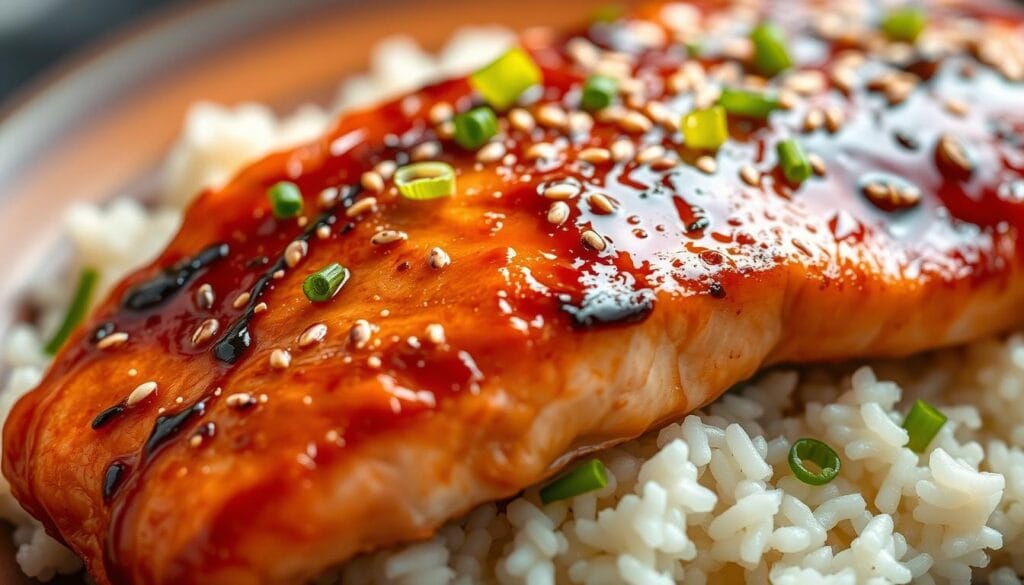
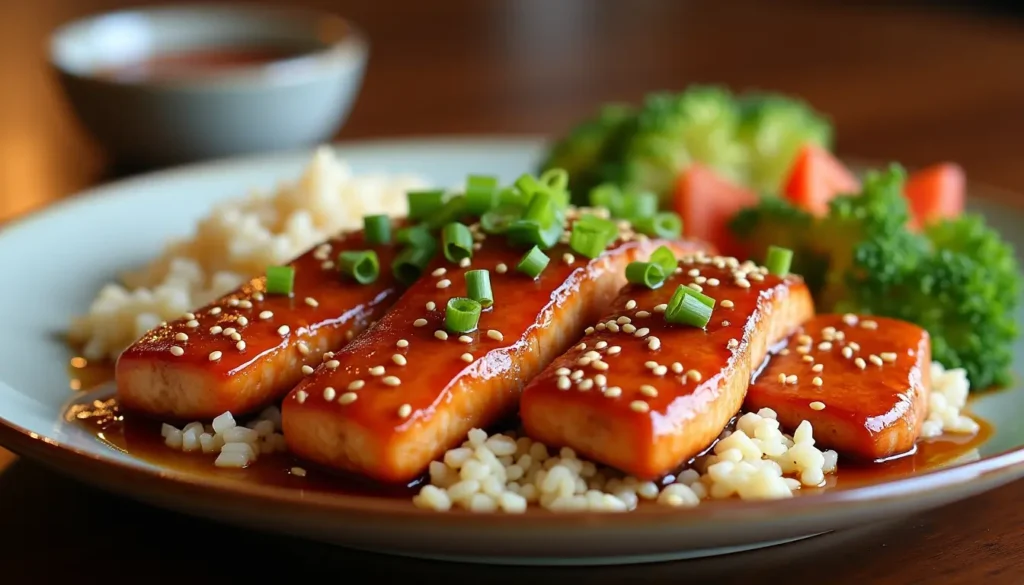
This salmon and teriyaki recipe delivers moist, flaky fish with a gorgeous glossy coating that balances sweet, salty, and umami flavors. Every bite offers tender salmon that practically melts on your tongue, complemented by a homemade teriyaki sauce that puts bottled versions to shame.
As a professional chef who’s trained in both Western and Japanese cooking techniques for over 12 years, I’ve perfected the art of pairing salmon with teriyaki. This isn’t just another fish recipe—it’s a foolproof method that works whether you’re grilling, pan-searing, or baking.
In this guide, you’ll discover how to select the freshest salmon for teriyaki preparation, learn the secrets to making authentic teriyaki sauce from scratch, master multiple cooking methods for perfectly cooked fish every time, and get pro tips for achieving that restaurant-quality caramelized finish. Let’s elevate your salmon game.
Table of Contents
Why This Salmon and Teriyaki Recipe Works
This recipe combines the rich, omega-3-packed goodness of salmon with the umami-forward complexity of teriyaki sauce for a dish that’s both healthy and incredibly satisfying.
- Uses readily available ingredients: Fresh or frozen salmon fillets work beautifully, and teriyaki sauce requires just five basic pantry staples
- Quick marinade delivers maximum flavor: Just 15-30 minutes in teriyaki sauce infuses the salmon with sweet-savory taste while the natural oils keep it moist
- Versatile cooking methods: Pan-sear, bake, grill, or broil—this recipe adapts to whatever equipment you have available
- Naturally healthy and protein-rich: Salmon provides heart-healthy omega-3s and high-quality protein, while homemade teriyaki controls sugar and sodium
- Ready in 20 minutes: From prep to plate, this is one of the fastest impressive dinners you can make
- Perfect for meal prep: Both components store well, making this ideal for weekly meal planning
Choosing the Right salmon
The quality and cut of your salmon directly impacts the final dish. Here’s how to make the best choices.
Best Salmon Cuts for Teriyaki
Center-cut salmon fillets: These uniform, boneless portions (typically 6-8 ounces each) are ideal for teriyaki. They cook evenly and present beautifully. Look for fillets about 1 to 1.5 inches thick for optimal texture.
Salmon steaks: Cut crosswise through the body, these include the backbone and cook slightly differently than fillets. They’re excellent for grilling and have a meatier texture that stands up well to teriyaki’s bold flavors.
Skin-on vs. skinless: For pan-searing or grilling, skin-on salmon provides a crispy texture contrast and helps the fish hold together. For baking or broiling with teriyaki glaze, skinless works better as the sauce adheres directly to the flesh.
Portions: Plan on 5-6 ounces of salmon per person for a main course. Restaurant portions typically run 6-8 ounces.
Buying Tips for Fresh Salmon
Look for salmon with vibrant color—deep orange-pink for Atlantic or sockeye, lighter pink for coho or king salmon. The flesh should look moist and slightly translucent, never dull or dried out.
Fresh salmon should smell like clean ocean water, never fishy or ammonia-like. If it smells strongly, it’s past its prime.
The flesh should be firm and spring back when gently pressed. Avoid salmon with gaping (separation between the muscle segments) or any browning around the edges.
Ask to see the salmon before they wrap it. Reputable fish counters will show you the whole fillet and cut your portion to order. Check the sell-by date and plan to cook within 1-2 days of purchase, or freeze immediately.
Salmon Species and Substitutions
Wild-caught Alaskan salmon (king, sockeye, coho, or pink): These have firmer texture, deeper color, and more pronounced flavor. Sockeye is especially rich and pairs beautifully with sweet teriyaki.
Atlantic salmon (usually farm-raised): Milder flavor, higher fat content, and more affordable. The extra fat makes it very forgiving for beginners and creates beautifully moist results.
Steelhead trout: Very similar to salmon in taste and texture. Works perfectly with this teriyaki preparation at a lower price point.
Arctic char: Another salmon relative with delicate flavor. Slightly leaner, so watch cooking times carefully.
Other fish: Firm white fish like halibut, cod, or sea bass can be prepared teriyaki-style, though they lack salmon’s richness. Adjust cooking times as these are typically leaner.
Ingredients & Prep salmon and teriyaki
Salmon Prep Essentials
Removing pin bones: Run your fingers along the fillet to locate any pin bones (thin, flexible bones). Use clean tweezers or needle-nose pliers to pull them out at a slight angle in the direction they point.
Checking for scales: If your salmon has skin, check for remaining scales by running your hand from tail to head (against the grain). Scrape off any scales with the back of a knife.
Portioning: If buying a large fillet, cut it into individual portions before marinating for even flavor distribution and easier cooking.
Patting dry: Before marinating or cooking, pat salmon completely dry with paper towels. Excess moisture dilutes the teriyaki sauce and prevents proper searing.
Removing skin (if desired): Place fillet skin-side down. Use a sharp, thin knife and slide it between the flesh and skin at one corner. Hold the skin taut and angle the knife slightly downward, using a sawing motion to separate.
Homemade Teriyaki Sauce Recipe
Traditional teriyaki sauce requires just five ingredients. This makes about 1 cup:
Core ingredients:
- 1/2 cup soy sauce (use low-sodium to control saltiness)
- 1/2 cup mirin (sweet Japanese rice wine)
- 1/4 cup sake (Japanese rice wine) or dry white wine
- 3 tablespoons brown sugar or honey
- 2 cloves garlic, minced (optional but recommended)
- 1 teaspoon fresh ginger, grated (optional but adds depth)
Method: Combine all ingredients in a small saucepan. Bring to a simmer over medium heat, stirring until sugar dissolves. Simmer 8-10 minutes until reduced by one-third and slightly thickened. The sauce will thicken more as it cools.
Quick thickening: For a glossier, thicker sauce, mix 1 teaspoon cornstarch with 1 tablespoon cold water and whisk into simmering sauce. Cook 1 minute until thickened.
Make-ahead: Teriyaki sauce keeps refrigerated for 2 weeks. Make a double batch for future meals.
Marinating Guidelines
Marinating time: 15-30 minutes is ideal for salmon and teriyaki. Longer marinades (over 1 hour) can start to “cook” the fish in the acidic components and make the texture mushy. Reserve some sauce for glazing during cooking.
Room temperature: Let marinated salmon sit at room temperature for 10-15 minutes before cooking for more even doneness.
Don’t reuse marinade: Raw fish marinade should be discarded or boiled for 5 minutes before using as a sauce due to food safety concerns.
Pantry Staples for Asian-Inspired Cooking
Keep these on hand for easy salmon and teriyaki meals:
- Soy sauce (low-sodium preferred)
- Mirin (sweet rice wine)
- Sake or dry sherry
- Fresh ginger root
- Garlic
- Sesame oil (for finishing)
- Rice vinegar
- Sesame seeds (white and/or black)
- Scallions
- Neutral cooking oil (vegetable, canola, or grapeseed)
Step-by-Step Cooking Instructions
Pre-Cooking Prep
Step 1: Remove salmon from refrigerator 15 minutes before cooking. Pat completely dry with paper towels—this is crucial for proper browning.
Step 2: If marinating, place salmon in a shallow dish and pour teriyaki sauce over top, turning to coat. Cover and refrigerate 15-30 minutes. Reserve 1/4 cup sauce for glazing during cooking.
Step 3: Remove salmon from marinade and pat surface dry again (excess moisture prevents searing). Discard used marinade.
Step 4: If not using marinade, season salmon lightly with salt and pepper on both sides.
Cooking Method 1: Pan-Seared salmon and teriyaki
This method creates a beautiful caramelized crust while keeping the interior moist.
Step 1: Heat 1 tablespoon neutral oil in a large non-stick or stainless steel skillet over medium-high heat until shimmering but not smoking.
Step 2: Place salmon skin-side up in the pan (or presentation-side down if skinless). Don’t move it. Let it sear undisturbed for 4-5 minutes until a golden crust forms.
Step 3: Flip salmon carefully using a fish spatula. Reduce heat to medium. Cook 3-4 minutes for medium doneness.
Step 4: When salmon is nearly done, brush reserved teriyaki sauce over the top. Let it bubble and caramelize for 30-60 seconds.
Step 5: Remove from heat. The salmon should register 125-130°F for medium (slightly translucent center) or 140-145°F for medium-well.
Cooking Method 2: Oven-Baked salmon and teriyaki
Perfect for hands-off cooking and serving multiple portions.
Step 1: Preheat oven to 400°F. Line a baking sheet with parchment paper or foil and lightly oil it.
Step 2: Place salmon on prepared sheet. Brush generously with teriyaki sauce.
Step 3: Bake 12-15 minutes depending on thickness, brushing with more sauce halfway through.
Step 4: For a caramelized finish, turn on the broiler for the last 2 minutes, watching carefully to prevent burning.
Step 5: Remove when salmon reaches desired doneness (125-145°F internal temperature).
Cooking Method 3: Grilled salmon and teriyaki
Grilling adds smoky char that complements teriyaki’s sweetness.
Step 1: Preheat grill to medium-high (about 400°F). Clean and oil the grates well to prevent sticking.
Step 2: Pat salmon dry and brush lightly with oil. Place skin-side down on grill (or use a grill basket for skinless fillets).
Step 3: Close lid and cook 4-5 minutes without moving. The skin will release naturally when ready to flip.
Step 4: Flip carefully and brush with teriyaki sauce. Cook 3-4 minutes more, brushing with sauce once or twice.
Step 5: Remove when fish flakes easily and reaches desired internal temperature.
Doneness Check for Salmon
Visual cues: Salmon changes from translucent to opaque as it cooks. For medium doneness, the center should still have a slightly darker, more translucent band.
Temperature guide:
- Rare (110-120°F): Very soft, almost raw-looking center
- Medium-rare (125°F): Slightly translucent center, beginning to flake
- Medium (130-135°F): Mostly opaque, slightly moist center (recommended for salmon and teriyaki)
- Medium-well (140°F): Fully opaque, still moist
- Well-done (145°F+): Completely opaque, firmer texture
Flake test: Insert a fork into the thickest part and twist gently. The fish should separate into flakes but still look moist.
Resting Salmon
Unlike beef, salmon doesn’t require a long rest. However, letting it sit 2-3 minutes after cooking allows the juices to redistribute and makes plating easier. The residual heat will continue cooking the fish slightly, so remove it from heat when it’s just shy of your target doneness.
Pro Tips for Perfect Salmon and Teriyaki
Avoiding Overcooked or Dry Salmon
Use a timer: Salmon cooks quickly. Set a timer and check early rather than late.
Invest in an instant-read thermometer: This is the single best tool for perfect salmon. Check the temperature in the thickest part.
Don’t overcrowd the pan: When pan-searing multiple pieces, leave space between them. Crowding steams the fish instead of searing it.
Control your heat: Medium to medium-high heat is ideal. Too hot and the outside burns before the inside cooks; too low and you won’t get good caramelization.
Baste for moisture: When pan-searing or grilling, brush teriyaki sauce on during the last few minutes. The sugars caramelize and create a protective glaze.
Let thick fillets come to room temperature: This ensures the center cooks through without overcooking the exterior.
Essential Tool Recommendations
Fish spatula: The thin, slotted, angled design is perfect for flipping delicate salmon without breaking it.
Instant-read thermometer: Digital thermometers (like ThermoWorks) give accurate readings in seconds.
Cast iron or stainless steel skillet: These retain heat better than non-stick and create superior searing and caramelization.
Grill basket: Makes grilling skinless salmon or smaller pieces much easier and prevents sticking.
Silicone basting brush: Won’t melt when applying sauce to hot salmon and cleans easily.
Storage and Reheating
Refrigerator storage: Cooked salmon keeps 3-4 days in an airtight container. Store teriyaki sauce separately.
Freezing: Freeze cooked salmon up to 2 months. Wrap tightly in plastic wrap, then aluminum foil. Thaw overnight in refrigerator.
Reheating methods: Gently reheat in a 275°F oven for 10-15 minutes until warmed through. Add a splash of water and cover loosely with foil to prevent drying. Microwave works but can create hot spots—use 50% power in 30-second intervals. Avoid overcooking during reheating.
Cold preparations: Leftover teriyaki salmon is excellent cold or room temperature on salads, in grain bowls, or as sushi-style additions.
Meal prep tip: Cook salmon just until medium-rare if meal prepping, as it will continue cooking slightly when reheated.
Flavor Variations
Spicy salmon and teriyaki
Add heat to your teriyaki sauce with sriracha, sambal oelek, or gochujang (Korean chili paste). Start with 1 tablespoon per 1 cup of sauce and adjust to taste. Red pepper flakes or fresh sliced Thai chilies also work beautifully.
Citrus Teriyaki Salmon
Add brightness with orange or yuzu juice. Replace 2 tablespoons of the soy sauce with fresh citrus juice, and add zest to the sauce while simmering. Garnish with citrus segments before serving.
Ginger-Scallion Teriyaki
Double the fresh ginger in your teriyaki sauce and add sliced scallions in the last minute of cooking. Top finished salmon with more fresh scallions and toasted sesame seeds.
Honey-Garlic Teriyaki
Replace brown sugar with honey for a different sweetness profile. Add 4-5 cloves of minced garlic to the sauce. This version caramelizes especially well under the broiler.
Sesame-Crusted Teriyaki Salmon
Before cooking, press sesame seeds (white, black, or mixed) onto the top of the salmon. Proceed with cooking as normal. The seeds add nutty flavor and pleasing crunch.
Pineapple Teriyaki Salmon
Add 1/4 cup pineapple juice to your teriyaki sauce for tropical sweetness. Grill fresh pineapple slices alongside the salmon and serve together.
Keto/Low-Sugar Teriyaki
Replace sugar with a sugar substitute like erythritol or monk fruit sweetener. Use coconut aminos instead of soy sauce for a soy-free, lower-sodium option. This version works perfectly for low-carb diets while maintaining authentic flavor.
Miso Teriyaki Fusion
Whisk 2 tablespoons white or red miso paste into your teriyaki sauce for extra umami depth and complexity. This creates a richer, more sophisticated flavor profile.
Serving Suggestions
Salmon and teriyaki pairs beautifully with both Asian-inspired and Western sides.
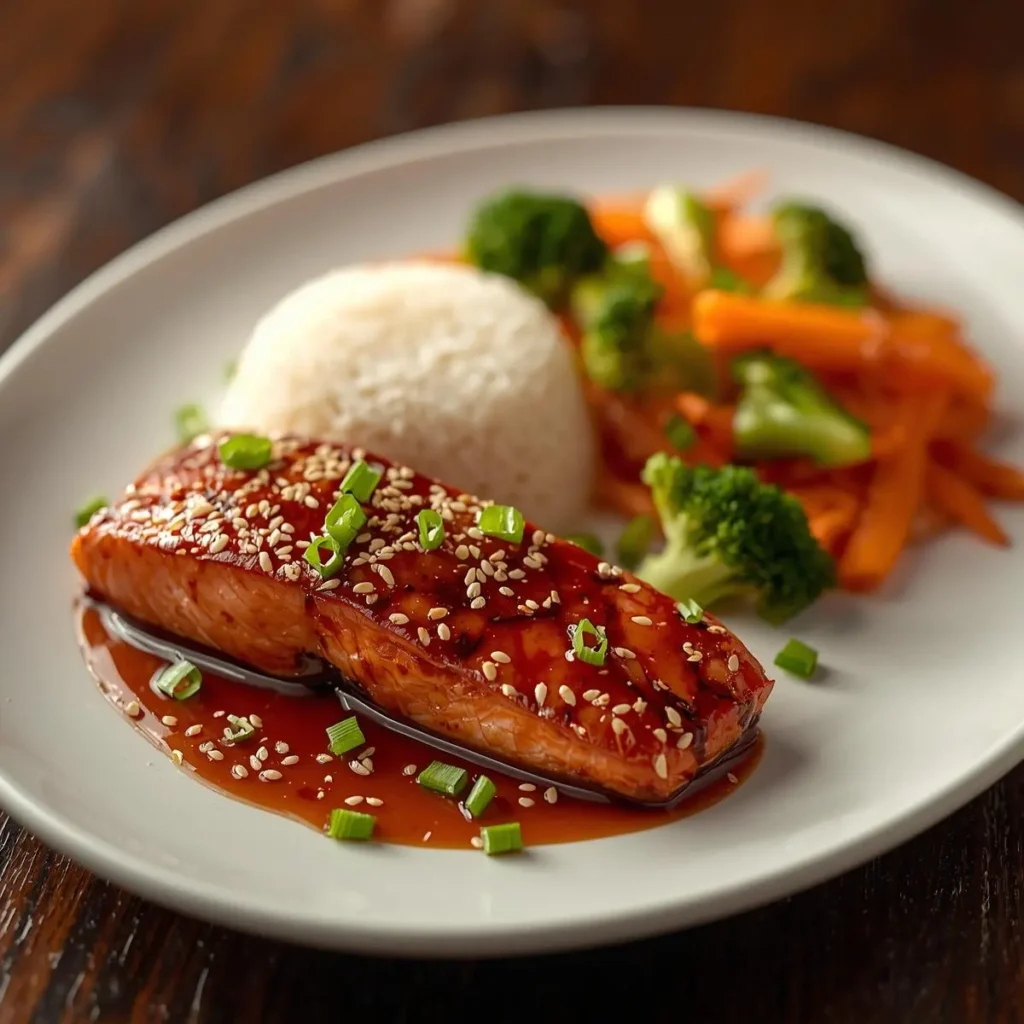
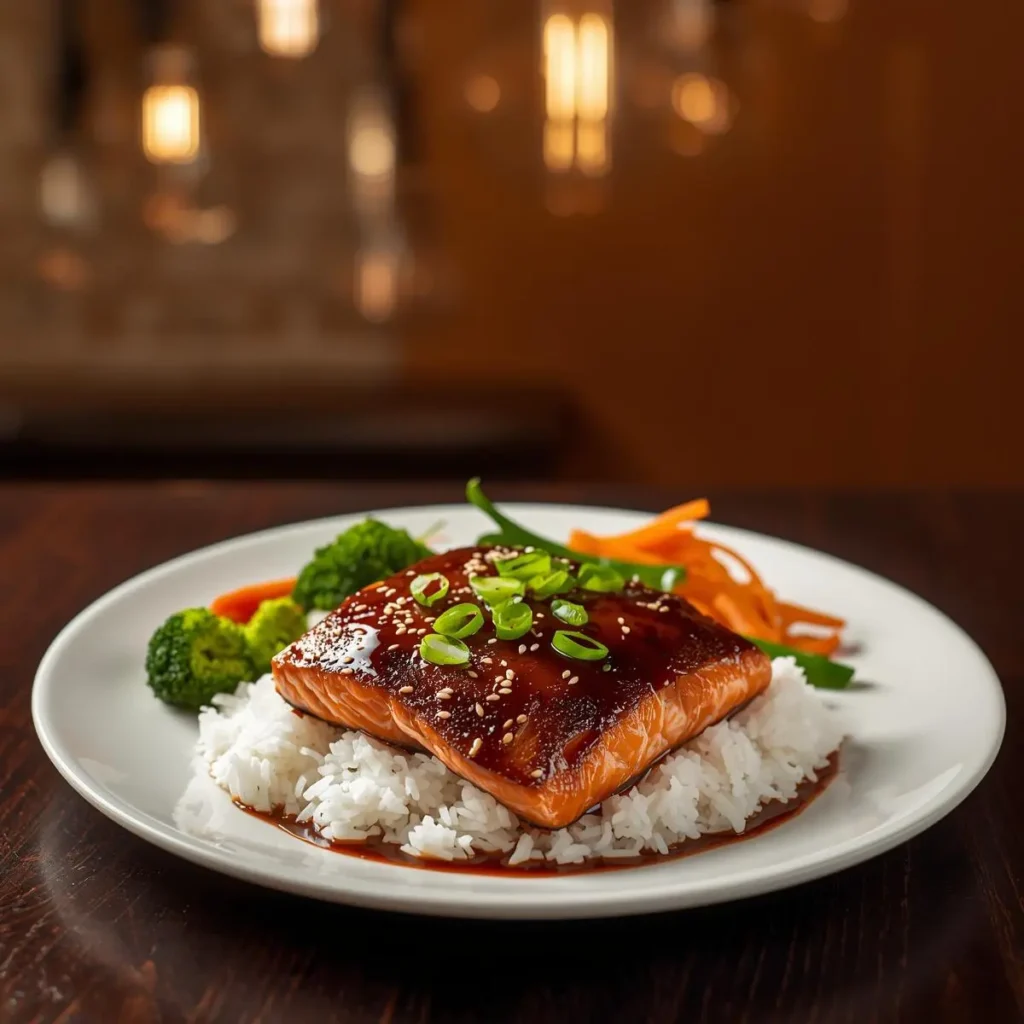
Rice and grain bases: Serve over steamed white rice, brown rice, coconut rice, cauliflower rice (for low-carb), fried rice, or quinoa. Drizzle extra teriyaki sauce over everything.
Noodles: Pair with soba noodles, udon, ramen noodles, or rice noodles, tossed in sesame oil and garnished with scallions.
Vegetable sides: Stir-fried bok choy, steamed edamame, roasted Brussels sprouts, sautéed green beans, grilled asparagus, or cucumber salad with rice vinegar.
Asian slaw: Shredded cabbage, carrots, and scallions dressed with rice vinegar, sesame oil, and a touch of soy sauce provides fresh crunch.
Complete bowls: Build grain bowls with rice, roasted vegetables, avocado, pickled ginger, cucumber, and teriyaki salmon on top. Drizzle with sriracha mayo.
Japanese-inspired: Serve with miso soup, pickled vegetables (tsukemono), and a simple salad with ginger dressing.
Beverage Pairings
White wine: Off-dry Riesling, Gewürztraminer, or Pinot Gris balance the sweetness of teriyaki while complementing salmon’s richness.
Sake: Serve chilled junmai or honjozo sake for an authentic Japanese pairing.
Beer: Japanese lagers (Sapporo, Asahi), wheat beers, or lighter IPAs work well without overwhelming the fish.
Non-alcoholic: Green tea (hot or iced), ginger ale, or sparkling water with yuzu or lemon.
FAQs
Can I use frozen salmon for teriyaki?
Yes, but always thaw it completely first. Thaw frozen salmon in the refrigerator overnight (8-12 hours) or use the defrost setting on your microwave. Never cook salmon from frozen as it will cook unevenly. Pat thawed salmon very dry before marinating or cooking.
How do I prevent teriyaki sauce from burning?
Teriyaki contains sugar, which caramelizes quickly and can burn. Apply the sauce in the last few minutes of cooking rather than at the beginning. Keep heat at medium rather than high, and watch carefully when broiling or grilling. If the sauce starts to char, reduce heat immediately.
Should I remove the skin before or after cooking?
If pan-searing, cook skin-side down first—the skin protects the delicate flesh and becomes crispy. You can remove it after cooking if desired. For baking or broiling with teriyaki, skinless works better as the glaze adheres to the flesh. For grilling, skin helps prevent sticking.
Is salmon and teriyaki safe for pregnant women?
Yes, when properly cooked. Salmon is one of the pregnancy-safe fish due to low mercury content. Cook to 145°F internal temperature to ensure food safety. Salmon is actually recommended during pregnancy for its omega-3 fatty acids. Choose wild-caught when possible and limit to 2-3 servings per week as general guidance.
Can I make teriyaki sauce ahead of time?
Absolutely! Homemade teriyaki sauce stores in the refrigerator for up to 2 weeks in an airtight container. Make a large batch and use it for various proteins throughout the week. The flavors actually improve slightly as they meld.
What’s the white stuff that comes out of salmon when cooking?
That’s albumin, a harmless protein that coagulates when heated. While safe to eat, you can minimize it by not overcooking the salmon, brining the fish for 10 minutes in salt water before cooking, or cooking at slightly lower temperatures. It’s more common with farmed salmon.
Can I use bottled teriyaki sauce?
Yes, though homemade tastes significantly better and lets you control sugar and sodium. If using bottled, choose one with recognizable ingredients. Kikkoman is a reliable brand. You can doctor bottled sauce with fresh garlic, ginger, and a splash of mirin to improve it.
How long should I marinate salmon in teriyaki?
15-30 minutes is optimal. Unlike beef, salmon’s delicate flesh can start to break down in acidic marinades if left too long. Maximum marinating time is 1 hour. For meal prep, marinate just before cooking rather than hours in advance.
Conclusion
You now have everything you need to create restaurant-quality salmon and teriyaki at home. This elegant yet approachable dish delivers bold Japanese flavors with minimal effort, making it perfect for both weeknight dinners and special occasions.
Stop settling for dry, flavorless salmon or overly sweet bottled teriyaki sauce. Master this recipe tonight and discover why salmon and teriyaki is one of the most beloved combinations in Japanese cuisine!
Join thousands of home cooks who’ve transformed their salmon game with this foolproof teriyaki method. Your family will be requesting this dish on repeat—guaranteed!
Ready to explore more Asian-inspired seafood? Try our Miso-Glazed Cod Recipe for another umami-rich fish dish, or check out our Complete Guide to Cooking Perfect Rice for the ideal accompaniment to your teriyaki salmon!
How did you find results our recipes
There are no reviews yet. Be the first one to write one.