Introduction
If you love hearty, comforting dishes with a touch of Old World flavor, these German Cabbage Recipes are a must-try. From tangy sauerkraut to buttery braised red cabbage, these dishes bring warmth, tradition, and bold flavor to your table. Simple to make and rich in taste, they’re perfect as sides or main courses for any day of the week.
Whether you’re planning a cozy Sunday dinner or looking for authentic side dishes to pair with your favorite meats, German cabbage dishes deliver every time. The beauty of these recipes lies in their simplicity—using humble ingredients like cabbage, onions, and a few seasonings, you can create something truly memorable.
In this guide, you’ll discover everything you need to know about making authentic German cabbage dishes. We’ll cover the essential ingredients, walk through easy step-by-step instructions, and share tips for getting the best flavor every time. Plus, you’ll find serving suggestions and storage tips to make meal planning a breeze.
Table of Contents
Why You’ll Love These German Cabbage Recipes
🥬 Authentic flavors inspired by traditional German cooking. These recipes have been passed down through generations, bringing genuine Old World taste to your kitchen.
🍽 Simple ingredients and easy methods for home cooks. You don’t need fancy equipment or hard-to-find ingredients—just basic pantry staples and fresh cabbage.
👨👩👧 Perfect for holidays, family dinners, or weeknight sides. Whether you’re hosting Oktoberfest or need a quick side dish for Tuesday night, these recipes fit the bill.
⏱ Make ahead and store easily — great for meal prep. The flavors actually improve over time, making these dishes ideal for preparing in advance.
Ingredients You’ll Need
Core Ingredients
| Ingredient | Amount |
|---|---|
| Green or red cabbage | 1 medium head |
| Onion, sliced | 1 medium |
| Butter or oil | 2 tbsp |
| Apple cider vinegar | 2 tbsp |
| Sugar | 1 tbsp |
| Salt & pepper | To taste |
| Caraway seeds (optional) | 1 tsp |
| Apples, peeled & sliced (optional) | 1–2 |
| Bacon (optional) | 2–3 slices, chopped |
| Water or broth | ½ cup |
Ingredient Tips
Red cabbage gives a slightly sweeter flavor and a gorgeous purple hue, while green cabbage offers a mild, savory taste that pairs beautifully with rich meats. Both varieties work wonderfully in traditional German preparations.
Add apples for a hint of natural sweetness and aroma. Granny Smith or other tart varieties complement the cabbage perfectly and add complexity to the dish.
Use vegetable broth instead of water for a vegetarian version with deeper flavor. Chicken or beef broth also work well if you’re serving the dish with meat.
Caraway seeds are traditional in many German Cabbage Recipes and add an authentic, slightly licorice-like flavor. If you’re not a fan, feel free to omit them.

Step-by-Step Instructions
Step 1 – Prepare the German Cabbage Recipes
Remove the tough outer leaves from your cabbage head and discard any damaged portions. Cut the cabbage in half, remove the core with a sharp knife, then slice the cabbage thinly using a sharp knife or mandoline slicer.
Thin, even slices ensure the German Cabbage Recipes cooks uniformly and develops the best texture. Aim for slices about ⅛ inch thick.
Step 2 – Sauté the Aromatics
In a large pot or deep skillet, melt butter over medium heat or warm your preferred cooking oil. Add the sliced onions and bacon (if using), then sauté for 5-7 minutes until golden brown and fragrant.
This step builds the flavor foundation for your German Cabbage Recipes. The caramelized onions add sweetness, while the bacon contributes a smoky depth.
Step 3 – Cook the Cabbage
Add the sliced cabbage to the pot along with apple cider vinegar, sugar, caraway seeds (if using), salt, and pepper. Toss everything together until well combined, then pour in the water or broth.
If you’re adding apples, now is the time to include them. The moisture will help the cabbage steam and soften.
Step 4 – Simmer to Perfection
Cover the pot with a tight-fitting lid and reduce heat to low. Simmer for 25-35 minutes, stirring occasionally to prevent sticking. The cabbage should become tender but still have a slight bite.
Check the seasoning about halfway through and adjust as needed. Some cooks prefer a sweeter profile, while others like more tang—trust your taste buds.
Step 5 – Serve Warm
Transfer your beautifully cooked cabbage to a serving dish while it’s still hot. These German Cabbage Recipes pair wonderfully with sausages, roasted meats, schnitzel, or hearty potatoes.
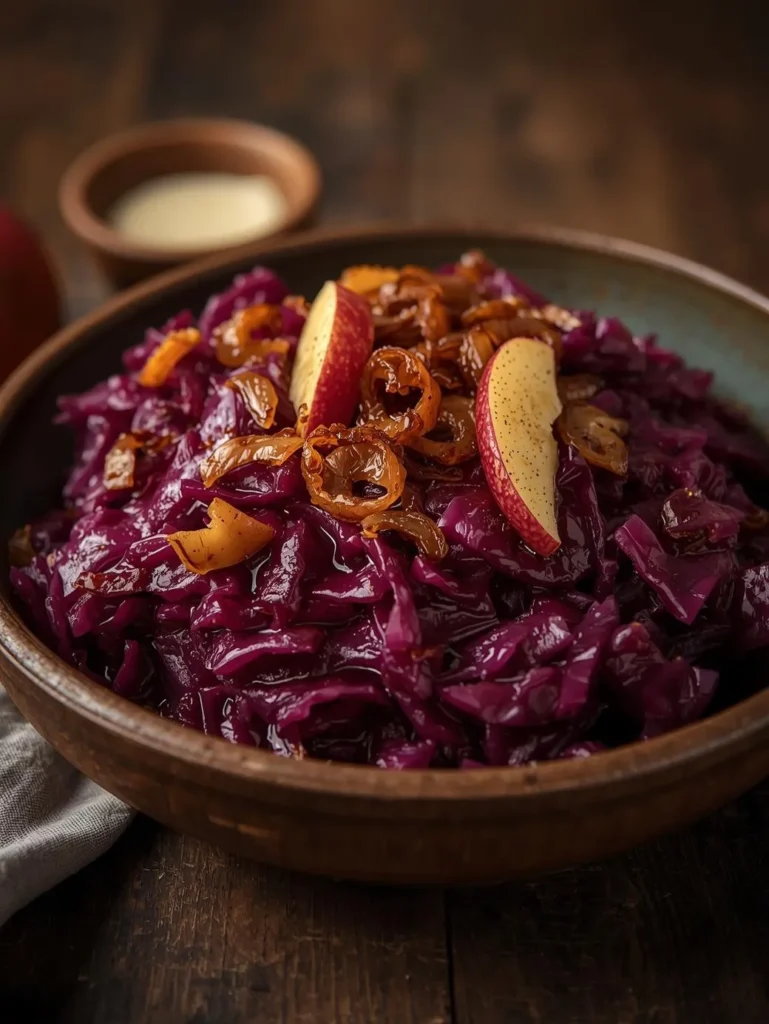
Garnish with fresh parsley or a sprinkle of crispy fried onions for added texture and visual appeal.
Pro Tips for Perfect German Cabbage Recipes
For deeper flavor, cook slowly on low heat — patience pays off. Rushing the cooking process can result in unevenly cooked cabbage. Low and slow allows the flavors to meld beautifully.
Add a splash of vinegar at the end to brighten the dish. This finishing touch balances the sweetness and adds a pleasant tanginess that makes the flavors pop.
Use a mix of red and green cabbage for color contrast. This creates a visually stunning dish that’s perfect for entertaining or holiday tables.
Pair with German mustard or a touch of brown sugar for balance. A small amount of brown sugar can round out the acidity, while spicy mustard adds another flavor dimension.
Don’t be afraid to taste and adjust as you go. Every head of German Cabbage Recipes is slightly different, and your preferences matter most.
Flavor Variations
Braised Red Cabbage (Rotkohl)
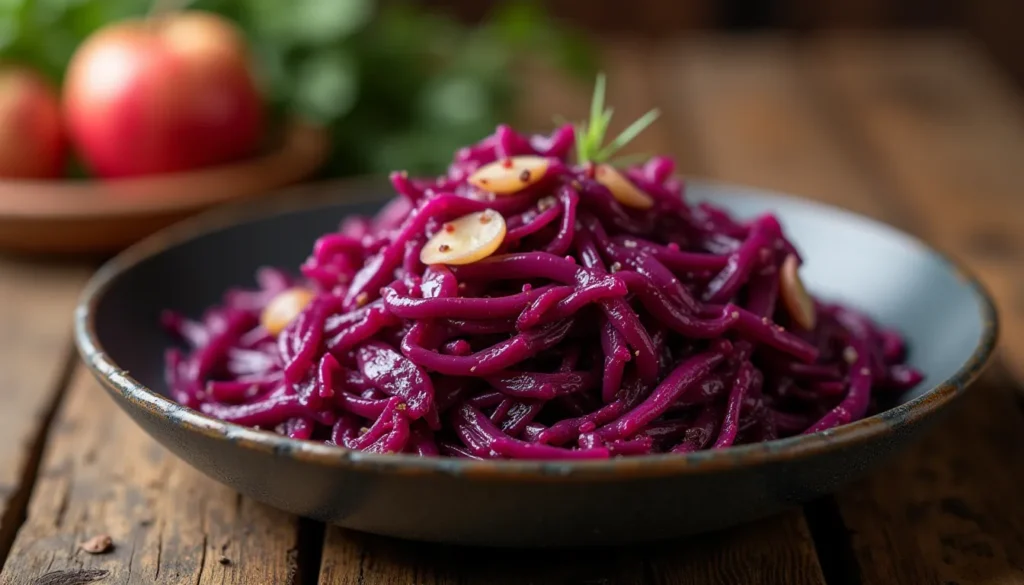
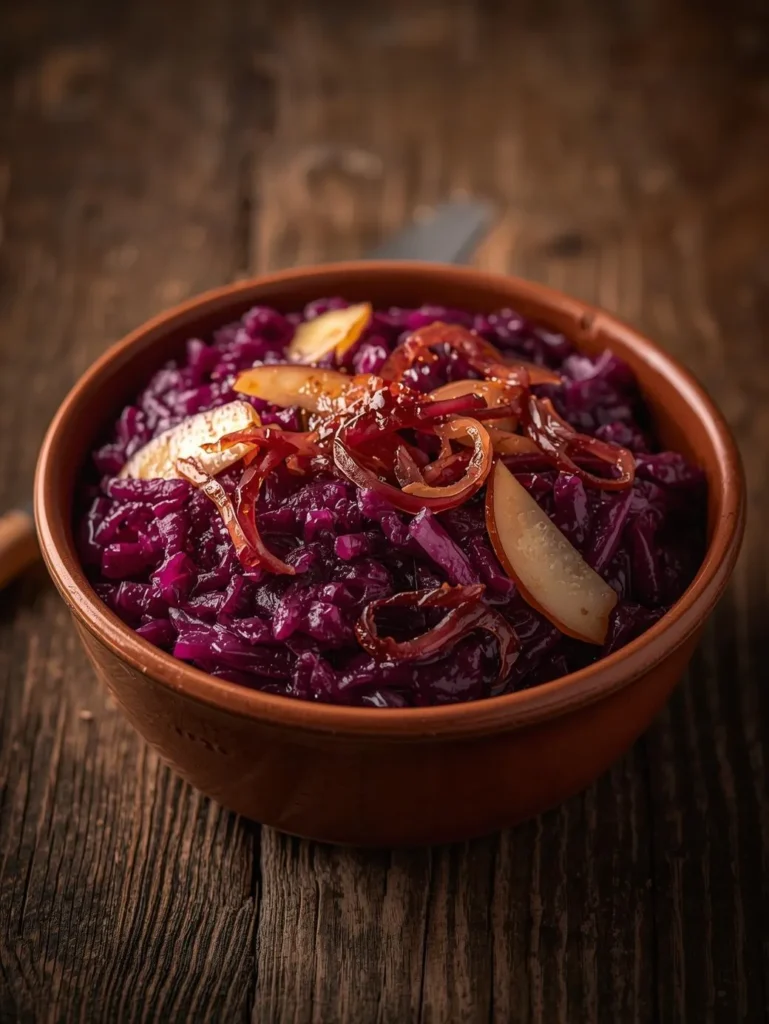
This is perhaps the most beloved of all German Cabbage Recipes. Cook red cabbage with diced apples, brown sugar, and apple cider vinegar for a sweet-tangy side dish that’s festive and delicious. Add a cinnamon stick or a few cloves for warm spice notes. This version is traditional for Christmas dinners and pairs beautifully with roast goose or duck.
German Sauerkraut Style
For a truly authentic experience, ferment shredded cabbage with salt for several days to develop that characteristic tangy flavor. Rinse the sauerkraut before cooking if you prefer a milder taste. Simmer with onions, caraway seeds, and a bit of white wine for an elevated version that complements pork dishes perfectly.
Creamed German Cabbage Recipes
Add heavy cream or sour cream to your cooked cabbage in the final minutes for a rich, comforting twist. This variation is less common but absolutely delicious. The cream mellows the acidity and creates a luxurious texture that feels indulgent while still being affordable.
Bavarian-Style Cabbage
Cook your cabbage with bacon, juniper berries, and a splash of beer for a robust, distinctly Bavarian flavor profile. This variation is heartier and perfect for cold weather meals.
Serving Suggestions
Serve these German Cabbage Recipes alongside bratwurst, knackwurst, or any German sausage for an authentic meal. The slight acidity of the cabbage cuts through the richness of the meat beautifully.
Pair with pork chops, schnitzel, or roast chicken for a satisfying dinner. The cabbage acts as both a vegetable and a sauce, adding moisture and flavor to lean meats.
Add mashed potatoes, German potato dumplings (kartoffelknödel), or spaetzle for a complete meal that’s filling and comforting. These starchy sides soak up the delicious cooking liquid.
Serve with dark rye bread or pretzels on the side to round out the meal and honor German culinary traditions.
For a lighter approach, enjoy the cabbage as a main course with a fried egg on top or stirred into grain bowls with quinoa or farro.
Storage & Reheating
Store leftover cabbage in an airtight container in the refrigerator for up to 4 days. The flavors continue to develop as it sits, making leftovers particularly delicious.
Reheat gently on the stove over low heat with a splash of water or broth to prevent drying out. You can also use the microwave, heating in 1-minute intervals and stirring between each interval.
The flavor actually deepens over time, so many cooks prefer making German Cabbage Recipes a day ahead. This makes them perfect for entertaining since you can prep in advance.
For longer storage, cool the cabbage completely and transfer to freezer-safe containers. Properly frozen cabbage keeps for up to 2 months. Thaw overnight in the refrigerator before reheating.
FAQs
Q: Can I make these German Cabbage Recipes ahead of time?
A: Absolutely! They actually taste better the next day as the flavors meld together. Prepare the dish up to 2 days in advance, store in the refrigerator, and simply reheat when ready to serve.
Q: What type of cabbage works best?
A: Both red and green cabbage work wonderfully—red cabbage offers a sweet-tangy flavor and beautiful color, while green cabbage provides a mild, earthy taste. Choose based on your preference and what you’re serving.
Q: Can I freeze cooked cabbage?
A: Yes! Cool the cabbage completely, portion it into freezer-safe containers, and freeze for up to 2 months. The texture may soften slightly after freezing, but the flavor remains excellent.
Q: Is this recipe suitable for vegetarians?
A: Definitely. Simply omit the bacon and use vegetable broth instead of chicken or beef broth. The dish is naturally vegetarian-friendly and can easily be made vegan by using oil instead of butter.
Q: How do I prevent my cabbage from becoming mushy?
A: Don’t overcook it! Check for doneness around the 25-minute mark. The cabbage should be tender but still have some structure. Cooking on too high heat can also cause it to break down too quickly.
Q: Can I use pre-shredded cabbage?
A: While fresh cabbage sliced at home gives the best texture and flavor, pre-shredded coleslaw mix can work in a pinch. Just note that it may cook faster and have a slightly different texture.
Conclusion
These German Cabbage Recipes are simple, hearty, and full of traditional flavor that brings comfort to any table. Whether served alongside bratwurst and potatoes or enjoyed as a main vegetarian dish with crusty bread, they’re perfect for cozy dinners and special occasions alike.
The versatility of cabbage shines through in these preparations—from the sweet-and-sour notes of braised red cabbage to the tangy bite of sauerkraut-style preparations. With minimal ingredients and straightforward techniques, you can create dishes that taste like they came straight from a German grandmother’s kitchen.
Give these recipes a try for your next family dinner or holiday gathering. Once you experience how delicious and easy they are to make, they’ll become a regular feature in your meal rotation. Guten Appetit!
How did you find results our recipes
There are no reviews yet. Be the first one to write one.