Introduction
Looking for a refreshing cocktail that’s light, floral, and perfect for warm evenings? The Hugo Spritz Recipe is your answer.
This sparkling drink combines elderflower, prosecco, and mint for the ultimate summer refreshment. Originating in Northern Italy, the Hugo Spritz has become the sophisticated alternative to the Aperol Spritz, offering more delicate, floral notes instead of bitter citrus.
As a mixologist and home entertainer, I’ve fine-tuned this drink to balance sweetness and fizz perfectly. After making countless Hugo Spritzes for garden parties, brunches, and sunset gatherings, I can confidently say this recipe hits all the right notes—refreshing without being cloying, elegant without being fussy.
This comprehensive guide walks you through everything you need to master the Hugo Spritz. You’ll discover step-by-step instructions that guarantee perfect proportions, learn flavor tips that elevate your cocktail game, explore creative variations for different occasions, and get expert mixologist advice from professionals who understand the art of the perfect drink.
The Hugo Spritz is deceptively simple—just five main ingredients come together in under five minutes. Yet the result is sophisticated enough for upscale dinner parties while remaining approachable for casual weekend sipping. It’s the cocktail equivalent of effortless elegance.
Whether you’re hosting a summer brunch, lounging by the pool, enjoying sunset on the patio, or simply unwinding after a long day, the Hugo Spritz delivers crisp, floral refreshment that makes any moment feel special. The combination of bubbly prosecco, delicate elderflower, aromatic mint, and bright lime creates a drink that’s greater than the sum of its parts.
Let’s dive into what makes this Hugo Spritz recipe so reliably delicious and how you can create bar-quality cocktails in your own home.
Table of Contents
Why You’ll Love This Hugo Spritz Recipe
This Hugo Spritz recipe succeeds because it’s light, floral, and beautifully aromatic without being overly sweet or complicated.
Unlike heavy, sugary cocktails that weigh you down or complex drinks requiring ten ingredients and specialized techniques, the Hugo Spritz offers sophistication through simplicity. Each ingredient serves a clear purpose and contributes to the overall harmony.
Quick to make — ready in under 5 minutes. From grabbing your ingredients to taking your first sip, the Hugo Spritz requires minimal time and effort. No muddling (except in variations), no shaking, no straining—just build, garnish, and enjoy.
Perfect for brunch, summer parties, or relaxing evenings. The Hugo Spritz’s versatility makes it appropriate for virtually any occasion. Its lower alcohol content compared to martinis or old fashioneds means you can enjoy multiple throughout an afternoon without overdoing it.
Easily customizable for sweetness or strength. Prefer less sweet? Use less elderflower liqueur. Want stronger? Add more prosecco and reduce soda water. The recipe adapts to your preferences without losing its essential character.
Expert Tip from Ina Garten: “The best cocktails are simple — start with fresh ingredients and let each flavor shine.”
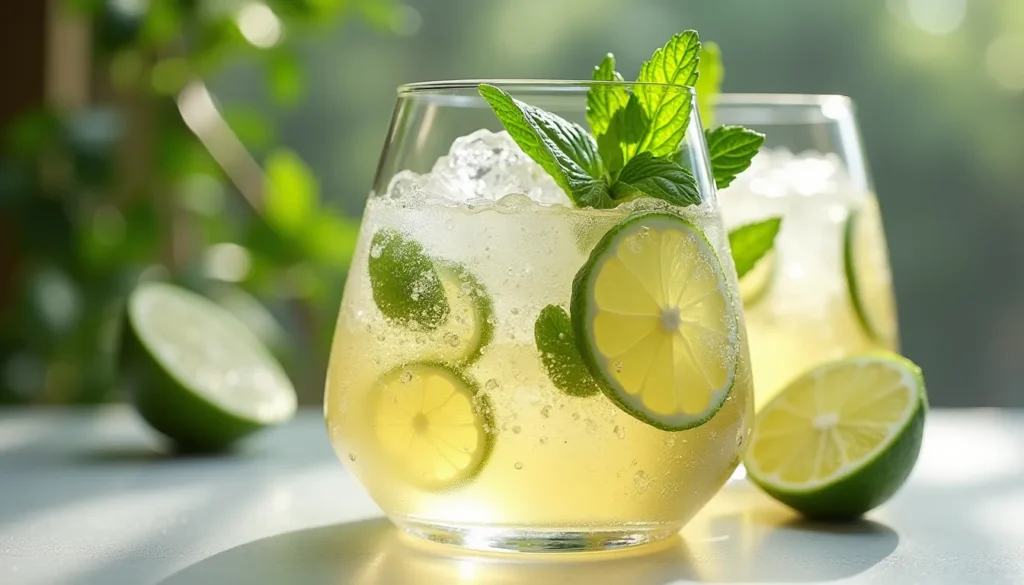
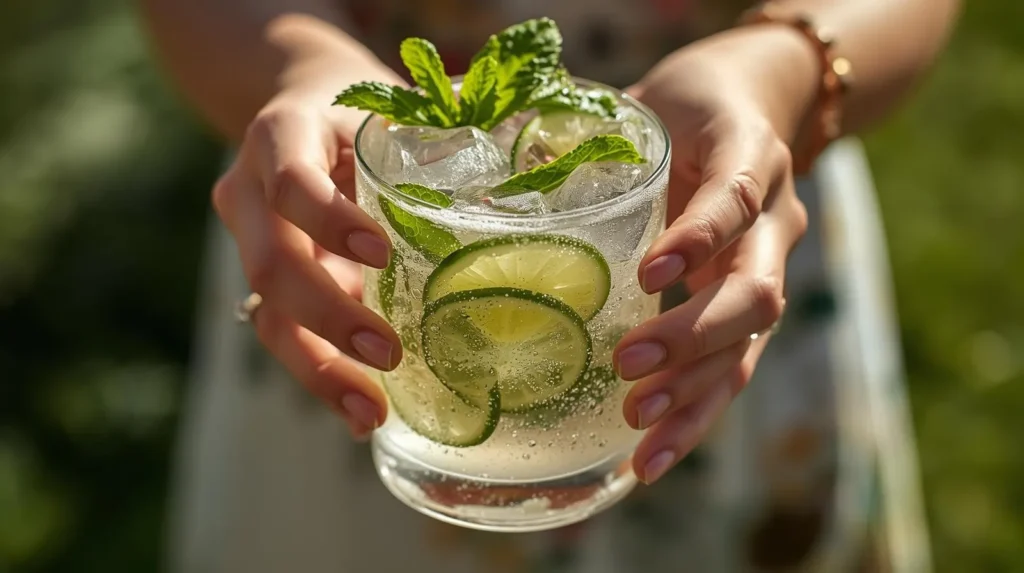
The visual appeal of a Hugo Spritz cannot be overstated. The pale, sparkling liquid studded with fresh mint leaves and lime slices looks Instagram-worthy without any effort. It’s the kind of drink that makes guests say “That looks amazing!” before they even taste it.
The Hugo Spritz is also forgiving for beginners. Unlike cocktails requiring precise measurements and techniques, slight variations in proportions still produce delicious results. This makes it perfect for confident entertaining without mixology stress.
Economically, the Hugo Spritz makes sense too. A bottle of prosecco and elderflower liqueur creates multiple servings, making it cost-effective for parties. The fresh garnishes are inexpensive and often already in your kitchen.
The drink’s lower alcohol content (compared to spirit-forward cocktails) means it’s sessionable—you can enjoy several throughout an afternoon or evening without becoming overly intoxicated. This makes it ideal for day drinking, brunches, or extended gatherings.
Perhaps most importantly, the Hugo Spritz tastes sophisticated. The elderflower’s delicate floral notes, prosecco’s crisp bubbles, mint’s aromatic freshness, and lime’s bright acidity create complex flavor that surprises people with its elegance.
Ingredients & Measurements
Quality ingredients in proper proportions create the foundation for an exceptional Hugo Spritz:
| Ingredient | Quantity | Description |
|---|---|---|
| Prosecco (chilled) | 3 oz | Sparkling Italian wine for the base |
| Elderflower liqueur (St-Germain) | 1 oz | Adds floral sweetness |
| Soda water | 2 oz | Light, bubbly finish |
| Fresh mint leaves | 4–6 | For aroma and garnish |
| Lime slices | 2 | Adds a bright citrus note |
| Ice cubes | As needed | Keeps it crisp and cool |
Mixologist Tip from Jamie Oliver: “Use a dry prosecco — it keeps the drink crisp and refreshing instead of overly sweet.”
Selecting Your Prosecco
Prosecco is the soul of a Hugo Spritz, comprising roughly 50% of the drink. Quality matters significantly here—don’t grab the cheapest bottle, but you don’t need expensive vintage either.
Look for Prosecco DOC or Prosecco Superiore DOCG on the label. These designations indicate quality-controlled Italian sparkling wines. Prosecco DOC is perfectly fine for Hugo Spritzes—save the pricier DOCG for drinking straight.
Brut or Extra Dry prosecco work best. Despite the confusing terminology, Extra Dry prosecco is actually slightly sweeter than Brut. Both work wonderfully—Brut creates a crisper drink while Extra Dry leans slightly sweeter. Avoid sweet or demi-sec prosecco, which makes the Hugo cloying.
Common quality prosecco brands include La Marca, Mionetto, Riondo, and Bisol. Any of these create excellent Hugo Spritzes. Store prosecco in the refrigerator for at least 2 hours before using—warm prosecco loses its bubbles quickly and tastes flat.
Can you substitute champagne or cava? Technically yes, but they create different character. Champagne is more refined with finer bubbles and higher price point. Cava is earthier and less fruity. Prosecco’s fruity, floral character suits the Hugo Spritz best.
Understanding Elderflower Liqueur
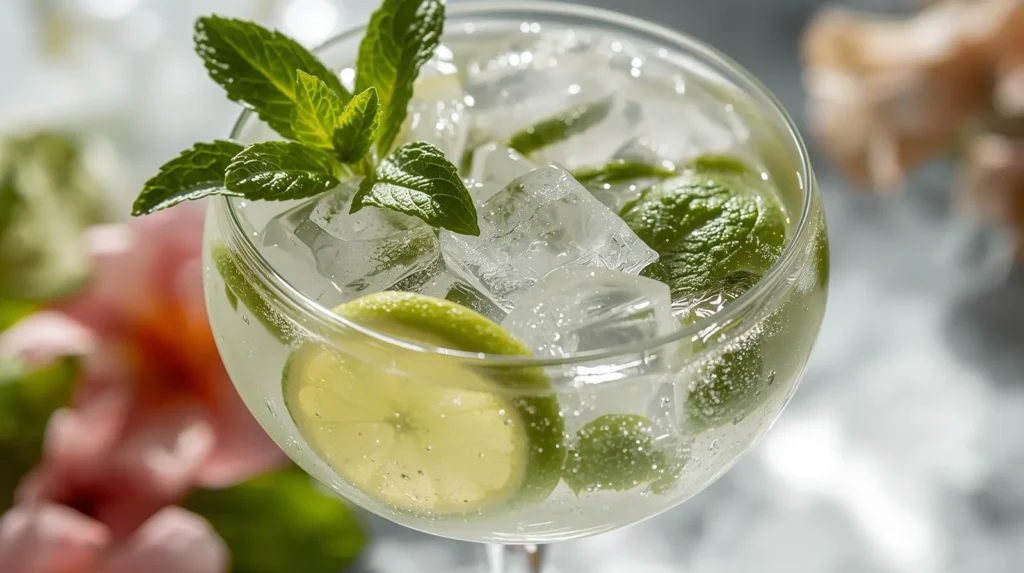
Elderflower liqueur provides the Hugo Spritz’s signature floral sweetness. St-Germain is the gold standard—this French liqueur captures elderflower’s delicate, honeyed, lychee-like flavor beautifully.
St-Germain contains about 20% alcohol and has notable sweetness, so a little goes a long way. One ounce per drink is standard, but you can adjust from ¾ oz (less sweet) to 1½ oz (sweeter) based on preference.
Alternative elderflower liqueurs include Italicus (which also contains bergamot and other citrus), Belvoir Elderflower Cordial (non-alcoholic), or Thatcher’s Elderflower Liqueur. Each works but produces slightly different results.
For non-alcoholic versions, elderflower syrup or cordial creates similar floral character without alcohol. You’ll need less (about ½-¾ oz) since these are more concentrated.
Elderflower liqueur keeps for several months after opening when refrigerated. The floral notes gradually fade over time, so use within 6-9 months for best flavor.
The Role of Soda Water
Soda water (also called club soda or sparkling water) provides effervescence and lightness without adding flavor or sweetness. It tempers the sweetness from elderflower liqueur while enhancing the prosecco’s bubbles.
Use plain soda water—not flavored seltzers, tonic water (which is sweet and bitter), or naturally flavored sparkling waters. Tonic water specifically ruins Hugo Spritzes with its quinine bitterness.
Good quality soda water makes a difference. Brands like Topo Chico, Perrier, San Pellegrino, or even SodaStream-made water work beautifully. The key is strong carbonation that doesn’t go flat quickly.
Two ounces is standard, but adjust to taste. More soda water creates a lighter, more refreshing drink. Less soda water makes it slightly stronger and sweeter. Some people prefer a 50/50 split of prosecco and soda (3 oz each) for maximum refreshment.
Fresh Garnishes
Fresh mint leaves are essential—they’re not just decoration but integral to the drink’s aromatic experience. When you sip, your nose is inches from the mint, and its fragrance dramatically enhances the drinking experience.
Use 4-6 small to medium mint leaves per drink. Gently slap or clap them between your hands before adding to release essential oils—this awakens the mint’s aroma without bruising it excessively (which creates bitter notes).
Spearmint is traditional and most common. Peppermint works but has stronger, more menthol character. Chocolate mint or other varieties can be fun experiments but aren’t traditional.
Lime slices add visual appeal and allow guests to squeeze extra citrus into their drinks if desired. Two thin slices per drink is standard. Fresh lime is crucial—bottled lime juice or dried lime has none of the bright, aromatic quality needed.
Lemon slices work as an alternative, creating slightly different but equally pleasant character. Some bartenders use both lime and lemon for extra citrus complexity.
Ice Considerations
Ice quality matters more than you might think. Clean, fresh ice without freezer odors is essential. Cubes or large chunks are preferable to crushed ice, which melts too quickly and dilutes the drink.
Fill your glass generously with ice—the Hugo Spritz should be icy cold. As ice melts, it gently dilutes the drink, which is actually desirable as it evolves the flavor throughout your drinking experience.
For upscale presentation, use large format ice cubes or spheres that melt more slowly and look elegant. Standard ice cubes work perfectly fine for everyday enjoyment.
Step-by-Step Instructions
Creating the perfect Hugo Spritz is remarkably simple when you follow these steps:
1. Chill Everything First
Temperature is crucial for sparkling cocktails. Warm ingredients lose their bubbles quickly and taste flat.
Chill your prosecco for at least 2 hours in the refrigerator. Never put prosecco in the freezer to quick-chill—if forgotten, it can explode or freeze, damaging the wine’s structure.
Chill your soda water as well. Room temperature soda immediately starts losing carbonation when added to drinks.
Chill your glassware for 10-15 minutes in the freezer or fill with ice water while you prep ingredients. This seems fussy but dramatically improves the drinking experience—frosted glasses keep drinks colder longer and look more elegant.
If serving multiple Hugo Spritzes, keep bottles chilled in an ice bucket throughout serving to maintain temperature.
2. Build the Drink
The Hugo Spritz uses the “build” method—ingredients are added directly to the serving glass without shaking or straining.
Fill a large wine glass generously with ice. Use a balloon wine glass, large white wine glass, or actual spritz glass if you have one. The generous size allows room for bubbles and aromatics to develop.
Add 1 oz of elderflower liqueur. Pour it over the ice first—this is the heaviest ingredient and will sink to the bottom, helping mix naturally.
Pour 3 oz of prosecco. Pour gently to preserve bubbles. Tilt the glass slightly and pour down the side rather than directly onto ice, which knocks out carbonation.
Top with 2 oz of soda water. Again, pour gently to maintain effervescence. The drink should be well-filled but have room at the top to prevent spilling.
The order matters somewhat—heavier ingredients first, lighter/bubbliest last helps natural mixing without excessive stirring.
3. Garnish & Serve
Gently stir once or twice. Use a bar spoon or regular spoon and make just one or two slow rotations. You’re combining layers without destroying bubbles.
Expert Tip from Gordon Ramsay: “Don’t overmix — you’ll lose the bubbles. Just a light swirl keeps the drink lively and elegant.”
Add mint leaves. Gently slap 4-6 mint leaves between your hands to release oils, then drop them into the drink. They’ll float on top, looking beautiful and providing aroma with every sip.
Add lime slices. Place 2 thin lime slices into the drink. They can float at the top or settle among the ice—either looks attractive.
Serve immediately while maximum bubbles remain. Hand your guest the drink with a small cocktail napkin or coaster.
For extra elegance, add a sprig of fresh mint or a lime wheel on the glass rim as well as garnishes inside the drink.
Pro Tips for Perfect Execution
Measure consistently. While the Hugo Spritz is forgiving, wildly varying proportions create wildly varying results. Use a jigger (bartending measure) for accuracy or at least eyeball consistent pours.
Keep ingredients cold continuously. If making multiple drinks, work quickly and return bottles to ice between rounds.
Prepare garnishes ahead. Wash and dry mint, slice limes, and have ice ready before guests arrive. This lets you make drinks quickly when needed.
Taste and adjust. Everyone’s palate differs. If your first Hugo seems too sweet, reduce elderflower liqueur in subsequent drinks. Too strong? Add more soda water.
Consider batch-making for parties. Combine prosecco and elderflower liqueur in a pitcher, keeping refrigerated. Add soda water, ice, and garnishes to individual glasses when serving. This speeds service considerably.
Preparation & Timing
The Hugo Spritz is one of the fastest cocktails to prepare, making it perfect for last-minute entertaining:
| Step | Time | Notes |
|---|---|---|
| Chilling ingredients | 10 mins | Ensures best flavor and fizz |
| Assembling | 3 mins | Quick and effortless |
| Total Time | 13 mins | Perfect for last-minute guests |
Time Management for Entertaining
Day Before: Purchase ingredients if needed. Prosecco and elderflower liqueur can be bought anytime. Wash mint and store wrapped in damp paper towels in the refrigerator.
2-3 Hours Before: Place prosecco and soda water in refrigerator if not already cold. Slice limes and store covered in the refrigerator.
15 Minutes Before: Place glasses in freezer to chill. Fill ice bucket with fresh ice.
Service Time: Remove glasses from freezer, build drinks as guests arrive. Each Hugo Spritz takes about 2 minutes to assemble once you develop rhythm.
Scaling for Parties
For 4-6 people: Build individual drinks as described. This takes about 10-15 minutes total and lets you customize each drink.
For 8-12 people: Pre-mix prosecco and elderflower liqueur in a large pitcher (use a 3:1 ratio—one bottle of prosecco to 6-8 oz elderflower liqueur). Store chilled. When serving, fill individual glasses with ice, pour the premixed base, top each with soda water, and garnish. This cuts per-drink time to under a minute.
For 15+ people: Set up a self-serve Hugo Spritz bar. Provide ice, chilled prosecco, elderflower liqueur, soda water, and garnishes with simple instruction cards. Let guests build their own drinks. This is festive and reduces your workload.
Batch Recipe for 8 Servings
- 1 bottle (750ml) prosecco
- 8 oz elderflower liqueur
- 16 oz soda water
- 32-48 mint leaves
- 16 lime slices
- Ice
Combine prosecco and elderflower liqueur in a large pitcher. Refrigerate until serving. When ready, fill 8 glasses with ice, divide prosecco mixture among glasses, top each with 2 oz soda water, and garnish with mint and lime.
Flavor Variations
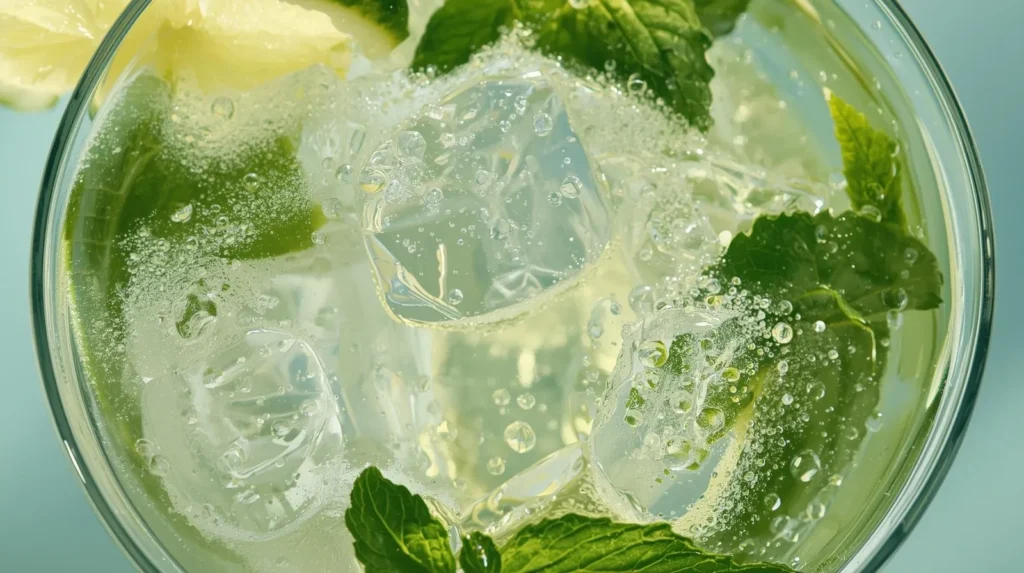
Transform the classic Hugo Spritz into creative variations for different tastes and occasions:
| Variation | Ingredients | Description |
|---|---|---|
| Citrus Twist Hugo | Add grapefruit slices | Adds brightness and depth |
| Berry Hugo | Add muddled raspberries | Fruity and colorful |
| Non-Alcoholic Hugo | Use elderflower syrup + sparkling water | Same taste, zero alcohol |
| Frozen Hugo Spritz | Blend ice and ingredients | A slushy, cooling version |
Bartender Tip: “Use edible flowers or cucumber ribbons for an elegant presentation.”
Citrus Twist Hugo
Enhance citrus character with grapefruit, which adds sophisticated bitterness and complexity.
Add 2-3 thin grapefruit slices along with (or instead of) lime. Pink grapefruit is especially beautiful and slightly sweeter than white grapefruit.
For even more citrus, muddle one grapefruit slice gently in the glass before adding ice. This releases citrus oils and juice, creating more pronounced flavor.
This variation pairs beautifully with brunch foods, particularly smoked salmon, avocado toast, or fruit salads.
Berry Hugo
Fresh berries add color, flavor, and visual appeal.
Raspberry Hugo: Gently muddle 3-4 fresh raspberries in the glass before adding ice. Build the drink as usual. The raspberries create gorgeous pink color and fruity sweetness.
Strawberry Hugo: Muddle 2-3 sliced strawberries. Strawberries are less tart than raspberries, creating sweeter, more dessert-like character.
Blackberry Hugo: Muddle 3-4 blackberries for deep purple color and rich berry flavor.
Berry Hugo Spritzes are particularly popular with guests who prefer fruitier cocktails. They photograph beautifully for social media too.
Non-Alcoholic Hugo
Create a delicious alcohol-free version perfect for designated drivers, pregnant guests, or daytime drinking.
Replace prosecco with alcohol-free sparkling wine (many brands now available) or simply use additional soda water or ginger ale for sweetness.
Replace elderflower liqueur with elderflower syrup or cordial (use less—about ½ oz since it’s more concentrated).
Build exactly like the regular Hugo: Ice, elderflower syrup, sparkling water or non-alcoholic wine, soda water, and garnishes.
The non-alcoholic version tastes remarkably similar and is equally refreshing. Many guests won’t realize it’s alcohol-free unless you mention it.
Frozen Hugo Spritz
For extremely hot weather or pool parties, a frozen Hugo is pure magic.
In a blender, combine:
- 2 cups ice
- 3 oz prosecco
- 1 oz elderflower liqueur
- 1 oz soda water
- Juice of ½ lime
- 4-6 mint leaves
Blend until smooth and slushy. Pour into a large wine glass and garnish with mint sprig and lime wheel.
This creates a slushie-like consistency that’s incredibly refreshing. For easier blending, slightly reduce ice or add more liquid.
Additional Creative Variations
Cucumber Hugo: Add 3-4 thin cucumber ribbons or slices for spa-like refreshment and elegant appearance.
Lavender Hugo: Substitute lavender syrup for half the elderflower liqueur for floral, aromatic complexity.
Peach Hugo: Muddle fresh peach slices for summery, fruity sweetness reminiscent of a Bellini-Hugo hybrid.
Basil Hugo: Replace mint with fresh basil for herbaceous, slightly peppery character.
Ginger Hugo: Add 1 oz of ginger beer instead of regular soda water for spicy kick.
Rose Hugo: Add a few drops of rose water or rose syrup for romantic, floral intensity.
Serving Suggestions
The Hugo Spritz shines in various settings and pairs beautifully with light, fresh foods:
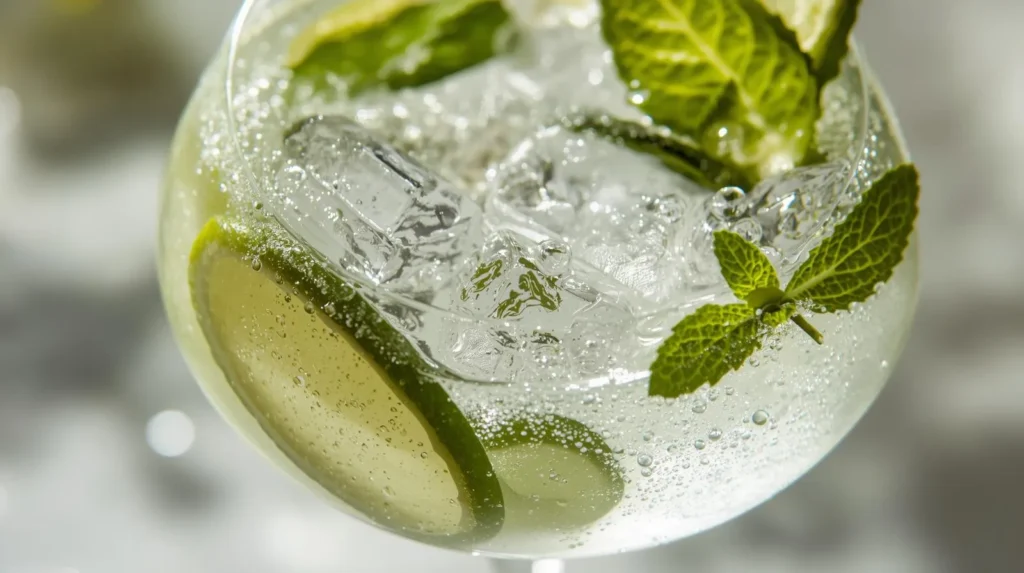
Serve in a large wine or spritz glass with extra mint for aroma. The generous glass size is important—it provides room for bubbles to develop and aromatics to concentrate near your nose with each sip.
Pair with light appetizers like bruschetta, cheese boards, or seafood. The Hugo’s delicate flavor complements rather than competes with subtle foods. It works particularly well with:
- Italian appetizers: Bruschetta with tomatoes and basil, caprese skewers, prosciutto-wrapped melon, or focaccia with herbs
- Cheese: Soft, creamy cheeses like brie, goat cheese, or burrata. Avoid strong, pungent cheeses that overpower the drink
- Seafood: Shrimp cocktail, oysters, ceviche, or smoked salmon
- Fresh fruits: Melon, berries, or citrus salads
- Light salads: Arugula with lemon vinaigrette, Caprese salad, or cucumber salad
Ideal for summer brunches, pool parties, or sunset cocktails. The Hugo’s low alcohol content and refreshing character make it perfect for extended daytime drinking. It’s sophisticated enough for upscale events but approachable enough for casual gatherings.
Expert Note from Ina Garten: “Always garnish with intention — a little mint or lime instantly makes your cocktail feel special.”
Perfect Occasions
Brunch: Hugo Spritzes are more interesting than mimosas and less heavy than Bloody Marys. They pair beautifully with eggs Benedict, quiche, or pastries.
Garden Parties: The floral, fresh character suits outdoor settings perfectly. Serve Hugo Spritzes with finger sandwiches and petit fours for English garden party vibes.
Pool or Beach: The Hugo’s refreshing quality makes it ideal for hot weather. Pre-mix the base and keep chilled in a cooler for easy service.
Afternoon Tea: While not traditional, Hugo Spritzes pair surprisingly well with tea sandwiches, scones, and light pastries.
Pre-Dinner Aperitif: In Italy, the Hugo Spritz is a classic aperitivo—a pre-dinner drink meant to stimulate appetite. Serve with salty snacks like olives, nuts, or chips.
Wedding or Baby Showers: The elegant, not-too-strong character makes Hugo Spritzes perfect for daytime celebrations.
Presentation Tips
Use large balloon wine glasses or actual spritz glasses (similar to oversized wine glasses) for authentic presentation and optimal aroma.
Chill glasses beforehand—frosted glasses look elegant and keep drinks colder.
Arrange garnishes thoughtfully. Fan mint leaves attractively, position lime slices at angles, or add edible flowers for special occasions.
Serve on attractive coasters or cocktail napkins that complement your table setting.
For parties, create a dedicated cocktail station with all ingredients, ice bucket, glasses, and garnishes arranged attractively. Add a small card with the recipe for guests to reference.
Glassware Options
Large Wine Glass (12-16 oz): Most common and versatile. Balloon-style wine glasses work particularly well.
Traditional Spritz Glass: Slightly larger than wine glasses with wider bowl, designed specifically for Italian spritz cocktails.
Highball Glass: Works in a pinch though less traditional. The narrower shape doesn’t showcase aromas as well.
Mason Jars: Casual and fun for outdoor or rustic-themed parties.
Champagne Flutes: Too narrow for Hugo Spritzes—the garnishes don’t fit and aromatics can’t develop properly.
Nutrition Facts
Here’s the approximate nutritional information per serving:
| Calories | Carbs | Sugar | Alcohol | Fat |
|---|---|---|---|---|
| 140 | 8g | 7g | 12g | 0g |
Note: Nutritional values vary based on specific brands and exact measurements used.
Nutritional Considerations
The Hugo Spritz is relatively low-calorie for an alcoholic beverage. At around 140 calories per serving, it’s lighter than many cocktails (margaritas can exceed 300 calories, piña coladas 500+).
Carbohydrates and sugar come primarily from the elderflower liqueur and prosecco’s residual sugars. At 8g carbs and 7g sugar, it’s moderate—not low-carb but not excessive either.
Alcohol content is approximately 12g (about 1.5 standard drinks). The combination of prosecco (11% alcohol) and elderflower liqueur (20% alcohol) diluted with soda water creates moderate alcohol concentration.
No fat, protein, or fiber as expected from a cocktail made entirely from alcoholic beverages, carbonated water, and garnishes.
For weight management: The Hugo Spritz is a reasonable choice compared to heavier cocktails. The low alcohol content means you’re less likely to overindulge.
For sugar-conscious drinkers: Reduce elderflower liqueur to ¾ oz or ½ oz to cut sugar by 25-50%. The drink remains balanced and delicious.
For diabetics: Consult your doctor, but the moderate sugar content (7g) may fit into meal plans better than many mixed drinks.
Mixologist Tips
Learn from professionals to elevate your Hugo Spritz game:
Use high-quality prosecco — it’s 80% of the drink’s flavor. Don’t waste money on super-premium bottles for mixed drinks, but avoid bottom-shelf options. The $12-18 range typically offers excellent value for mixing.
Adjust sweetness by varying the amount of elderflower liqueur. Start with 1 oz and taste. Too sweet? Use ¾ oz next time. Want sweeter? Try 1¼ oz. Find your perfect ratio.
For a crowd, mix in a pitcher and top each glass with soda right before serving. Pre-mixing the prosecco-elderflower base maintains quality while speeding service. Add soda water last to preserve maximum carbonation.
Gordon Ramsay’s tip: “Chill your glass for 10 minutes before pouring — it makes every sip crisp and refreshing.”
Advanced Techniques
Express lime oils: Before adding lime slices as garnish, squeeze a lime wedge over the drink’s surface. The citrus oils create an aromatic spray that enhances the drinking experience without adding juice.
Create herb-infused ice cubes: Freeze mint leaves or edible flowers in ice cubes for beautiful, slowly-released herbal notes as they melt.
Control dilution: Larger ice cubes or spheres melt more slowly, keeping drinks cold without excessive dilution. This maintains flavor integrity longer.
Layer for drama: Pour ingredients slowly and carefully without stirring to create distinct layers—elderflower at bottom, prosecco in middle, soda at top. Present to guests, then stir together before drinking.
Rim the glass: For special occasions, rim glasses with sugar or colored sugar. Wet the rim with lime, then dip in fine sugar. This adds sparkle and subtle sweetness.
Common Mistakes to Avoid
Using warm ingredients: This is the #1 Hugo Spritz killer. Warmth destroys carbonation and creates flat-tasting drinks.
Over-stirring: Excessive mixing knocks out bubbles. One or two gentle stirs are sufficient.
Wrong prosecco type: Sweet or demi-sec prosecco makes cloying Hugo Spritzes. Stick with brut or extra dry.
Too much elderflower liqueur: More isn’t better. Beyond 1½ oz, the drink becomes overly sweet and loses balance.
Stale garnishes: Wilted mint or dried-out limes ruin the aesthetic and aroma. Use only fresh garnishes.
Using flavored sparkling water: La Croix or other flavored seltzers introduce competing flavors. Plain soda water only.
Forgetting the garnish: While technically drinkable without garnishes, mint and lime are integral to the complete Hugo Spritz experience.
FAQs
Can I make this drink ahead of time?
It’s best made fresh to keep the bubbles lively. However, you can prep components ahead—wash mint, slice limes, and pre-mix prosecco with elderflower liqueur in a pitcher (refrigerated). Add soda water, ice, and garnishes immediately before serving. Fully assembled Hugo Spritzes lose carbonation within 10-15 minutes and should be consumed fresh. For parties, consider setting up a self-serve station where guests build drinks as needed, or assign someone to make them to order. The actual mixing takes under 2 minutes once components are ready.
What can I substitute for elderflower liqueur?
Try elderflower syrup for a non-alcoholic option (use less—about ½ oz—since it’s more concentrated than liqueur). Lychee juice adds similar floral notes with tropical character. White grape juice combined with a bit of honey creates fruity sweetness, though it lacks elderflower’s distinctive flavor. Lillet Blanc (a French aperitif) provides floral, honeyed notes with citrus complexity. In a pinch, simple syrup with a few drops of rose water mimics floral character. No substitution perfectly replicates St-Germain’s unique flavor, but these alternatives create enjoyable drinks. For best results, order St-Germain online if unavailable locally—one bottle makes many Hugo Spritzes.
What’s the best glass for a Hugo Spritz?
A large wine or balloon glass allows the aromas to open up beautifully. The generous bowl (12-16 oz capacity) provides room for ice, garnishes, and bubbles while concentrating aromatics near your nose. Traditional Italian spritz glasses (essentially oversized wine glasses) are authentic and elegant. Standard white wine glasses work perfectly well. Avoid narrow glasses like champagne flutes (garnishes don’t fit) or small rocks glasses (too cramped). The glass should accommodate plenty of ice with room for the drink to breathe. Stemmed glasses are preferable—they prevent warm hands from heating the drink.
Can I use champagne instead of prosecco?
Yes, though it creates a different character and significantly increases cost. Champagne has finer bubbles, more refined flavor, and higher acidity than prosecco. It makes a more elegant Hugo but lacks prosecco’s fruity sweetness that complements elderflower so well. If using champagne, choose brut or extra brut. Spanish cava works as a middle ground—less expensive than champagne but more refined than prosecco. For most purposes, quality prosecco is the ideal choice, saving champagne for drinking straight.
How do I keep my Hugo Spritz from going flat?
Use very cold ingredients—warm liquids lose carbonation rapidly. Pour gently down the side of the glass rather than directly onto ice. Stir minimally—just one or two gentle rotations. Use fresh, high-quality soda water with strong carbonation. Don’t make drinks more than 5 minutes before serving. Fill glasses generously with ice, which helps maintain cold temperature. Consider using larger ice cubes that melt more slowly. If making multiple drinks, work quickly and keep bottles chilled in ice bucket between pours. Serve immediately after mixing—carbonation is most lively in the first few minutes.
Is the Hugo Spritz very sweet?
It’s moderately sweet but well-balanced by prosecco’s acidity and soda water’s neutrality. The sweetness comes primarily from elderflower liqueur (St-Germain contains sugar). Most people find Hugo Spritzes pleasantly sweet without being cloying—less sweet than mojitos or margaritas. If you’re sensitive to sweetness, reduce elderflower liqueur to ¾ oz or even ½ oz. The drink remains delicious with less sweetness. Some people add a squeeze of fresh lime juice to the drink itself (not just as garnish) for extra acidity that balances sweetness. Taste your first Hugo and adjust future drinks to your preference.
Can I make a pitcher of Hugo Spritz?
Yes, with modifications. Combine prosecco (1 bottle/750ml) and elderflower liqueur (6-8 oz) in a large pitcher. Refrigerate. Just before serving, add soda water (12-16 oz) and lots of ice. Garnish individual glasses after pouring. The key is adding soda water at the last possible moment to preserve carbonation. Don’t add garnishes to the pitcher—they get soggy and look unappealing. Instead, garnish each glass individually. A pitcher serves 8-10 people. For best results, keep the pitcher very cold and serve within 20-30 minutes of adding soda water before too much carbonation is lost.
What time of day is best for Hugo Spritzes?
Hugo Spritzes are incredibly versatile. They’re traditional as aperitivo (pre-dinner drinks) in Italy, served late afternoon or early evening to stimulate appetite. They’re excellent for brunch thanks to low alcohol content and refreshing character. Lunch on patios or in gardens suits Hugo Spritzes perfectly. Pool parties and daytime summer events are ideal—the light, refreshing nature prevents afternoon lethargy. Sunset cocktails create romantic ambiance. The only time Hugo Spritzes don’t work as well is late evening or as nightcaps—they’re too bright and refreshing for winding down. Think of them as daytime-to-early-evening drinks.
Conclusion
This Hugo Spritz Recipe is the definition of summer elegance — light, floral, and endlessly refreshing.
The combination of bubbly prosecco, delicate elderflower, aromatic mint, and bright lime creates a cocktail that transforms ordinary moments into celebrations. Whether you’re toasting with friends, unwinding after work, or simply enjoying a beautiful afternoon, the Hugo Spritz delivers sophisticated refreshment every time.
Grab your prosecco, chill your glasses, and toast to sunshine with this easy Hugo Spritz tonight.
The beauty of this Hugo Spritz Recipe is that once you make it, you’ll wonder how you ever lived without it. It becomes your go-to for summer entertaining, your signature drink at gatherings, and your personal reward for surviving hot days.
Unlike complicated cocktails requiring rare ingredients or advanced techniques, the Hugo Spritz embraces simplicity. Five minutes of effort yields sophisticated results that impress everyone. Your guests will think you’re a mixology expert when really, you’re just following an incredibly reliable recipe.
The Hugo Spritz has quietly become one of Europe’s most popular summer cocktails, rivaling even the Aperol Spritz in some regions. Now you can bring that Italian aperitivo culture to your own home, no plane ticket required.
Try our [Mai Tai Recipe] or [Classic Mojito Recipe] for more cocktail inspiration.
If you enjoyed this Hugo Spritz Recipe, explore other refreshing cocktails perfect for warm weather. The Mai Tai brings tropical rum flavors with citrus brightness, while the Classic Mojito offers mint and lime in a rum-based format. Each provides different character while maintaining that refreshing quality you love.
Building a cocktail repertoire means you’re always prepared to entertain, whether hosting planned parties or welcoming unexpected guests. The Hugo Spritz, Mai Tai, and Mojito form a solid foundation of crowd-pleasing drinks.
Now you have everything you need to master this Hugo Spritz Recipe. The ingredients are simple, the technique is straightforward, and the results are consistently delicious. There’s no reason not to make one right now.
Your perfect summer cocktail awaits. Cheers to simple pleasures, beautiful flavors, and the joy of a perfectly made Hugo Spritz!
How did you find results our recipes
There are no reviews yet. Be the first one to write one.