
Introduction
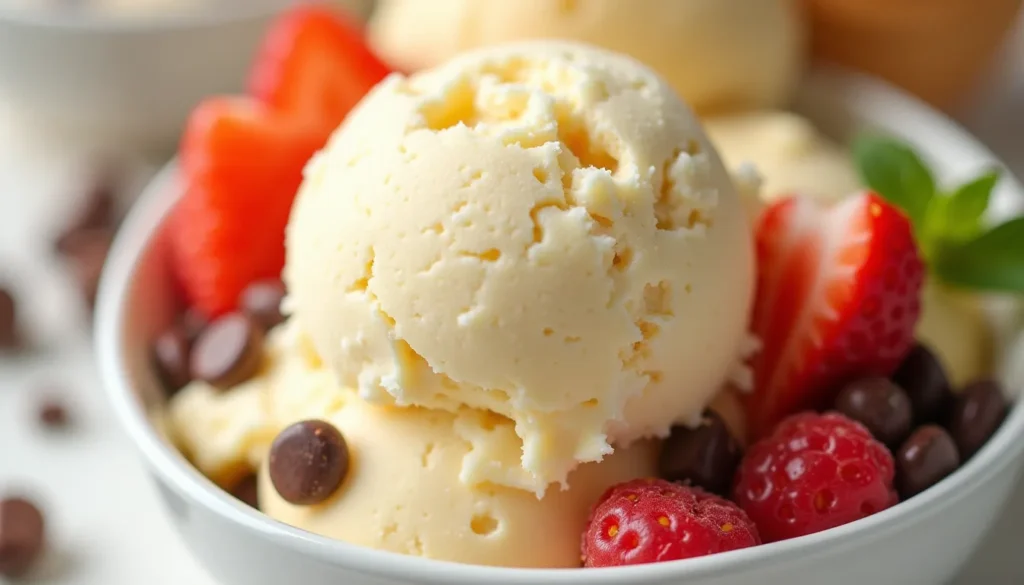
Homemade Ice Cream Recipe lovers rejoice — making creamy, smooth ice cream from scratch is easier than you think! With just a few simple ingredients, you can create a dessert that’s richer, fresher, and more flavorful than anything you’ll find at the store. Whether you prefer classic vanilla, indulgent chocolate, or fruity swirls, this guide will walk you through every scoop-worthy detail.
There’s something undeniably special about homemade ice cream. The texture is smoother, the flavors are brighter, and you have complete control over what goes into every bite. No artificial stabilizers, no mystery ingredients — just pure, creamy goodness.
Making ice cream at home might seem intimidating, but it’s actually a straightforward process. You don’t need expensive equipment or professional training. With a few basic ingredients and some patience, you’ll be churning out batches that make store-bought varieties pale in comparison.
Chef Quote (Ina Garten): “There’s something magical about homemade ice cream — it’s nostalgia in every bite.”
Table of Contents
Why You’ll Love This Homemade Ice Cream Recipe
Creating ice cream from scratch offers rewards that go far beyond just the final product. Here’s why this recipe deserves a permanent spot in your dessert rotation.
No fancy equipment required — while an ice cream maker certainly makes the process easier, you don’t need one. This recipe includes instructions for both machine and no-churn methods, so everyone can enjoy homemade ice cream regardless of their kitchen setup.
Customizable — this is perhaps the biggest advantage. You’re in complete control of flavors, sweetness levels, and mix-ins. Want to add chunks of your favorite candy? Go ahead. Prefer less sugar? Adjust it. The possibilities are truly endless.
Creamy texture — homemade ice cream made with real cream and natural ingredients has a richness that’s hard to replicate. You’ll notice the difference from the very first spoonful. It melts slower, tastes cleaner, and feels more luxurious on your palate.
Perfect for family fun — making ice cream together creates memories. Kids love choosing flavors, watching the transformation from liquid to frozen treat, and decorating their own creations. It’s an activity that brings everyone together.
Dietary flexibility — you can easily adapt this recipe for different dietary needs. Make it dairy-free, reduce the sugar, or create low-fat versions. When you’re in charge, you decide what goes in.
Understanding Ice Cream Basics
Before we dive into the recipe, let’s understand what makes ice cream work. Ice cream is essentially a frozen custard or cream base that incorporates air during the freezing process.
The key components are fat (from cream), sugar (for sweetness and texture), and liquid (usually milk). Some recipes include eggs, which create a richer custard base, while others skip them for a lighter result.
Temperature control is crucial. The base needs to be thoroughly chilled before freezing, and during the freezing process, constant movement prevents large ice crystals from forming. This movement — whether from an ice cream maker or manual stirring — is what gives ice cream its smooth, scoopable texture.
Understanding these basics helps you troubleshoot when things don’t go as planned and empowers you to experiment with confidence.
Ingredients for the Best Homemade Ice Cream Recipe
Quality ingredients make quality ice cream. Here’s what you’ll need for a classic vanilla base that serves as the foundation for countless variations.
| Ingredient | Quantity | Purpose |
|---|---|---|
| Heavy cream | 2 cups | Gives creamy richness |
| Whole milk | 1 cup | Smooth base |
| Granulated sugar | ¾ cup | Sweetness |
| Vanilla extract | 1 tbsp | Classic flavor |
| Egg yolks (optional) | 4 | Adds richness and texture |
| Pinch of salt | — | Balances sweetness |
Each ingredient plays a specific role. Heavy cream provides the fat content that makes ice cream luxurious and prevents it from freezing rock-solid. Whole milk adds liquid without diluting the richness too much.
Sugar does more than sweeten — it affects texture by lowering the freezing point, which keeps ice cream soft enough to scoop. Vanilla extract adds that classic flavor we all know and love.
Egg yolks are optional but recommended if you want French-style custard ice cream. They add richness, color, and help create an incredibly smooth texture. The proteins in eggs also act as natural stabilizers.
Chef Tip (Jamie Oliver): “Use the best quality cream you can find — it makes all the difference in texture and taste.”
How to Make Homemade Ice Cream Recipe (Step-by-Step)
Follow these detailed steps for perfect ice cream every time. This method creates a custard-based ice cream, but I’ll also share the simpler no-egg version.
Step 1: Heat the Base
In a medium saucepan, combine the milk, cream, and half of the sugar (about 6 tablespoons). Heat over medium heat, stirring occasionally, until the sugar dissolves completely and small bubbles form around the edges. Don’t let it boil.
This gentle heating helps dissolve the sugar and infuses the dairy with any additional flavors you might add. Stir regularly to prevent scorching on the bottom of the pan.
Step 2: Temper the Eggs (if using)
In a separate bowl, whisk together the egg yolks and remaining sugar until the mixture turns pale yellow and slightly thick. This is called tempering, and it’s crucial for preventing scrambled eggs in your homemade ice cream recipe.
Slowly ladle about half a cup of the hot cream mixture into the egg yolks while whisking constantly. This gradually raises the temperature of the eggs. Add another ladle, whisking all the while.
Now pour the egg mixture back into the saucepan with the remaining cream. Continue cooking over medium-low heat, stirring constantly with a wooden spoon or silicone spatula. Cook until the mixture thickens slightly and coats the back of the spoon — usually 5-7 minutes. It should reach about 170°F on a thermometer.
Step 3: Add Flavor
Remove the saucepan from heat immediately to stop the cooking process. Stir in the vanilla extract and salt. The heat will diminish slightly as you stir, which is perfect.
Strain the mixture through a fine-mesh sieve into a clean bowl. This removes any bits of cooked egg and ensures a perfectly smooth base. Don’t skip this step — it makes a real difference in the final texture.
Step 4: Chill Completely
Cover the bowl with plastic wrap, pressing it directly onto the surface of the cream mixture to prevent a skin from forming. Refrigerate for at least 4 hours, but preferably overnight. The colder your base, the better your final homemade ice cream recipe will be.
This chilling time also allows flavors to meld and develop. Patience here pays off in the final product.
Step 5: Churn and Freeze
If using an ice cream maker, pour the chilled base into the machine and churn according to the manufacturer’s instructions. This usually takes 20-25 minutes. The homemade ice cream recipe will have a soft-serve consistency when done.
Transfer to a freezer-safe container and freeze for at least 4 hours before serving for a firmer texture.
No Ice Cream Maker Method: Pour the chilled base into a shallow, freezer-safe container. Freeze for 45 minutes, then remove and vigorously stir with a fork or whisk, breaking up any ice crystals. Repeat this process every 30 minutes for 2-3 hours until the homemade ice cream recipe is fully frozen but scoopable.
Chef Tip (Gordon Ramsay): “Don’t rush the chilling process — cold base means smooth ice cream.”
Flavor Variations for Homemade Ice Cream Recipe
Once you’ve mastered the basic recipe, the flavor possibilities are endless. Here are some popular variations to inspire your creativity.
| Flavor | Add-Ins | Notes |
|---|---|---|
| Chocolate | ½ cup cocoa powder or melted chocolate | Rich and indulgent |
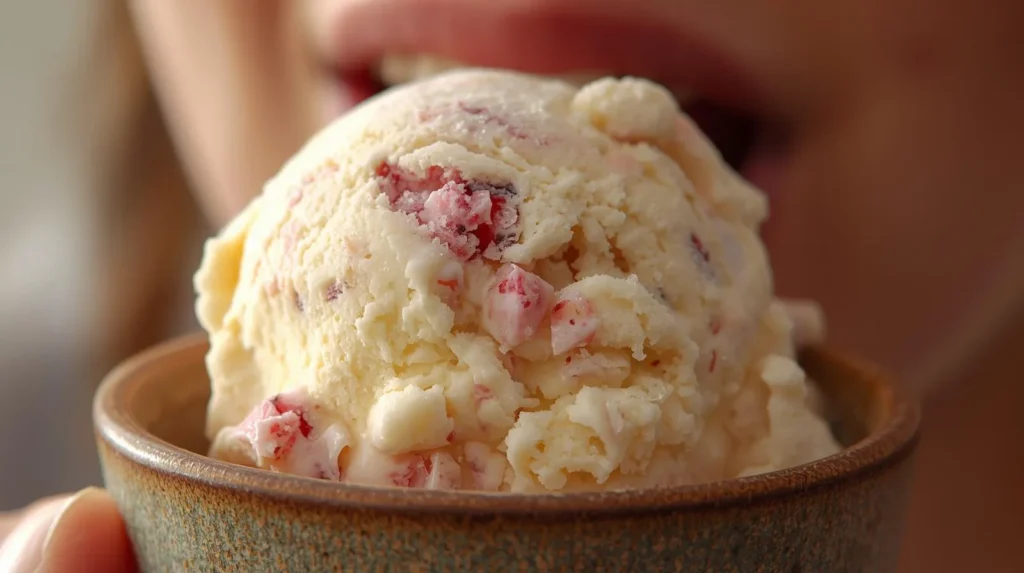
| Strawberry | 1 cup puréed fresh strawberries | Light and fruity |
| Cookies & Cream | Crushed chocolate cookies | Kids’ favorite |
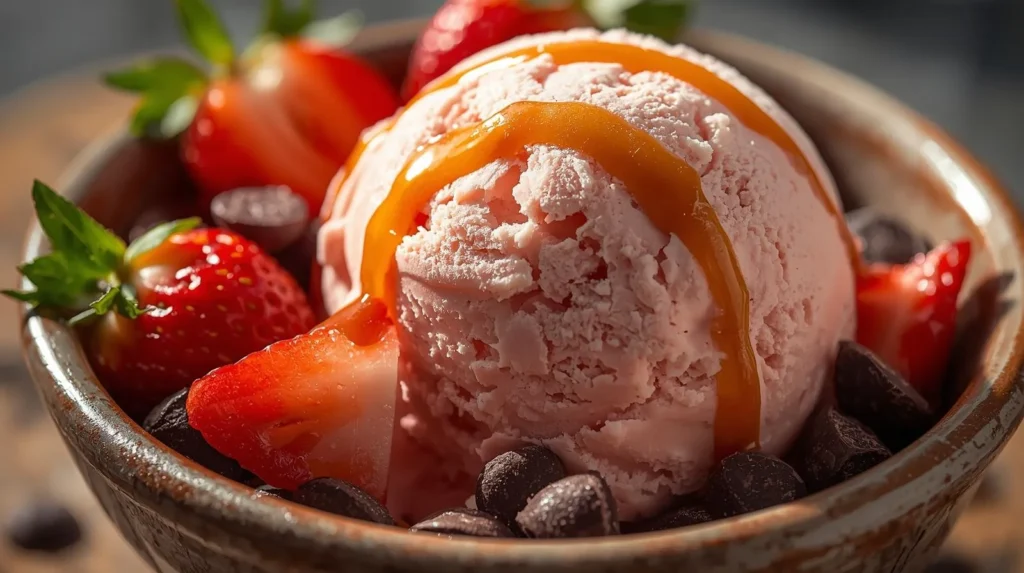
| Salted Caramel | ¼ cup caramel sauce + pinch of sea salt | Sweet & salty perfection |
| Mint Chocolate Chip | ½ tsp peppermint extract + chocolate chips | Refreshing and cool |
Classic Chocolate Ice Cream
Add ½ cup of high-quality cocoa powder to the milk and cream in Step 1. Whisk thoroughly to eliminate any lumps. For extra richness, you can also add 2 ounces of melted dark chocolate when you remove the mixture from heat. The result is deeply chocolatey and incredibly satisfying.
Fresh Strawberry Ice Cream
Hull and purée fresh strawberries until smooth. You’ll need about 1½ cups of fresh berries to make 1 cup of purée. Fold the purée into your chilled base just before churning. The natural fruit sugars and acidity create a bright, refreshing flavor that screams summer.
Cookies & Cream
This family favorite is simple to make. Coarsely crush about 10-12 chocolate sandwich cookies. Fold them into the homemade ice cream recipe during the last minute of churning, or stir them in by hand after churning. The cookie pieces soften slightly as the ice cream sits, creating pockets of flavor throughout.
Salted Caramel
Swirl ¼ cup of prepared caramel sauce into the homemade ice cream recipe after churning but before the final freeze. Use a butter knife to create ribbons throughout. Sprinkle flaky sea salt on top before serving for that perfect sweet-salty balance.
Mint Chocolate Chip
Replace the vanilla extract with ½ teaspoon of pure peppermint extract. Be careful — peppermint extract is potent, and a little goes a long way. Add ½ cup of mini chocolate chips during the last minute of churning. For a natural green color, add a drop of green food coloring to the base.
Chef Advice (Ina Garten): “Fold your mix-ins at the very end — that way, you keep chunks and ribbons of flavor intact.”
Equipment You’ll Need
Having the right tools makes the homemade ice cream recipe-making process smoother and more enjoyable. Here’s what you’ll need.
Ice cream maker (optional but ideal) — an electric homemade ice cream recipe maker with a frozen bowl is the most common type for home use. It churns the mixture while freezing it, incorporating air for that perfect texture. Models range from $30 to several hundred dollars.
Whisk or electric mixer — for beating egg yolks and mixing ingredients. A wire whisk works fine, but an electric mixer saves arm strength.
Saucepan — a heavy-bottomed saucepan distributes heat evenly and prevents scorching. A 2-3 quart size is perfect for this recipe.
Mixing bowls — you’ll need at least two. Stainless steel or glass bowls work best as they transfer cold quickly during the chilling process.
Fine-mesh sieve — essential for straining out any cooked egg bits and ensuring a silky-smooth base.
Freezer-safe container — choose a shallow, airtight container. Shallow containers freeze homemade ice cream recipe faster and more evenly than tall, narrow ones.
Thermometer — while not essential, a digital thermometer takes the guesswork out of cooking custard. You’re aiming for 170°F.
Pro Tip: Chill your storage container in the freezer before adding the homemade ice cream recipe. This prevents the outer layer from melting and refreezing, which can create ice crystals.
Advanced Techniques for Homemade Ice Cream Recipe
Once you’re comfortable with the basics, these professional techniques will elevate your ice cream game.
The Importance of Overrun
Overrun refers to the amount of air incorporated into ice cream during churning. Commercial homemade ice cream recipe can have 50-100% overrun, meaning it doubles in volume from air. Homemade ice cream typically has 20-25% overrun, making it denser and richer.
To increase overrun, churn longer at a slightly warmer temperature. To decrease it for ultra-dense homemade ice cream recipe, churn for a shorter time or use the no-churn method.
Using Alcohol for Texture
Adding 1-2 tablespoons of liquor to your ice cream base lowers the freezing point slightly, keeping it softer and more scoopable. Vodka is flavorless and works well, or choose complementary flavors like rum for vanilla or Kahlua for coffee homemade ice cream recipe.
The Blowtorch Trick
For perfectly smooth homemade ice cream recipe, pass a kitchen blowtorch quickly over the surface before churning. This eliminates any skin or crystallization that might have formed during chilling.
Creating Variegates (Swirls)
For professional-looking swirls of sauce or jam, slightly warm the add-in so it flows easily. Layer it between spoonfuls of churned ice cream in your storage container, then use a butter knife to create figure-eight patterns.
Serving Ideas
Great homemade ice cream recipe deserves equally great presentation. Here are creative ways to serve your homemade creation.
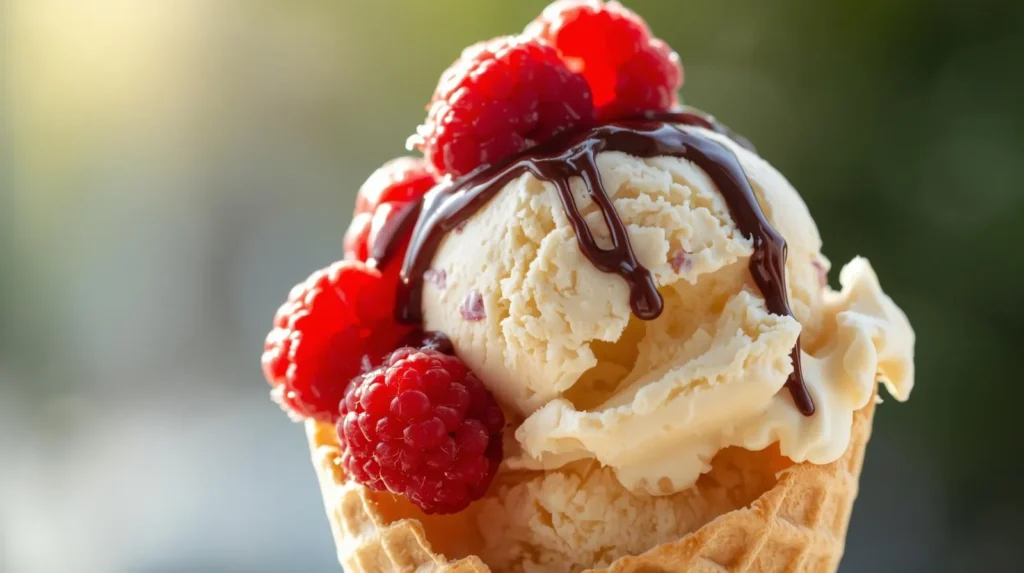
Classic Cones and Bowls: Scoop into sugar cones or waffle cones for a traditional treat. Top with chocolate sauce, fresh berries, whipped cream, and a maraschino cherry for a classic sundae. Don’t forget the sprinkles — they’re not just for kids!
Ice Cream Sandwiches: Press a generous scoop between two cookies for homemade ice cream sandwiches. Chocolate chip cookies, oatmeal cookies, or brownies all work beautifully. Roll the edges in mini chocolate chips or chopped nuts for extra flair.
Affogato: For an elegant adult dessert, place a scoop of vanilla homemade ice cream recipe in a small cup and pour a shot of hot espresso over it. The contrast of hot and cold, bitter and sweet, is spectacular.
Ice Cream Pie: Press softened homemade ice cream recipe into a prepared graham cracker or cookie crust. Freeze until solid, then top with whipped cream and your favorite toppings. Slice and serve like pie.
Float Away: Create classic root beer floats or experiment with other soda combinations. Cream soda with vanilla, cola with cherry ice cream, or ginger ale with lemon sorbet all work wonderfully.
Waffle or Brownie Topping: Serve scoops over warm waffles, brownies, or pound cake. The temperature contrast makes both components even more enjoyable.
Chef Tip (Jamie Oliver): “Add a drizzle of olive oil and sea salt on vanilla ice cream — it’s surprisingly elegant.”
Storage Tips
Proper storage keeps your homemade ice cream at peak quality for as long as possible.
Use airtight containers — oxygen is ice cream’s enemy. It causes freezer burn and allows the ice cream to absorb odors from other foods. Choose containers with tight-fitting lids.
Press plastic wrap directly onto the surface — before putting the lid on, press a piece of plastic wrap or parchment paper directly onto the homemade ice cream recipe’s surface. This creates an additional barrier against air and ice crystals.
Keep it cold and stable — store ice cream in the back of your freezer where temperature fluctuates less. Every time ice cream melts slightly and refreezes, ice crystals form and texture suffers.
Label and date — write the flavor and date on your container. While homemade ice cream is best enjoyed within 2 weeks, it remains safe to eat for up to a month if stored properly.
Soften before serving — let ice cream sit at room temperature for 5-10 minutes before scooping. This makes serving easier and allows the flavors to bloom.
Avoid temperature shock — don’t repeatedly remove ice cream from the freezer and return it. Each temperature change degrades quality. Scoop what you need, then immediately return the container to the freezer.
Troubleshooting Common Problems
Even experienced homemade ice cream recipe makers encounter issues. Here’s how to fix common problems.
Icy Texture: Ice crystals form when homemade ice cream recipe freezes too slowly or when there’s not enough fat or sugar in the base. Ensure your base is very cold before churning, churn quickly, and consider adding an extra tablespoon of sugar or cream.
Too Hard to Scoop: This usually means too little sugar or too much water in the recipe. Add a tablespoon of corn syrup to your next batch, or let the ice cream soften more before serving.
Grainy or Gritty: This happens when eggs are cooked too hot and scramble slightly. Always temper eggs carefully and keep the heat medium-low when making custard. Straining helps catch any cooked egg bits.
Not Freezing: If your homemade ice cream recipe won’t freeze, your freezer might not be cold enough (should be 0°F or below), or you added too much alcohol. Check your freezer temperature and reduce alcohol to 2 tablespoons maximum.
Melts Too Fast: Ice cream that melts immediately lacks structure. This could mean insufficient churning time or too much liquid in the base. Churn until the mixture resembles soft-serve before freezing.
Nutrition Facts (Per ½ Cup Serving)
Understanding the nutritional content helps you enjoy ice cream mindfully as part of a balanced diet.
| Calories | Protein | Fat | Carbs | Sugar |
|---|---|---|---|---|
| 250 | 4g | 18g | 20g | 18g |
These numbers are approximate and based on the classic vanilla recipe with eggs. Your actual nutrition will vary depending on the specific ingredients and any mix-ins you add.
Ice cream is naturally high in fat and sugar, which is what makes it so delicious. The fat comes primarily from heavy cream, while sugar provides sweetness and affects texture.
For lighter versions, you can substitute half-and-half for some of the heavy cream, use less sugar, or make the no-egg version. Each substitution will affect texture and flavor, so experiment to find your perfect balance.
Chef Secrets for Perfect Homemade Ice Cream Recipe
Professional chefs and ice cream makers have learned techniques through years of experience. Here are their insider tips.
Always cool your base completely before freezing — this cannot be stressed enough. A warm or even room-temperature base won’t churn properly. It’ll take forever to freeze and result in icy texture. Plan ahead and chill overnight.
Avoid too much air while churning for dense, creamy texture. Don’t over-churn, which can make ice cream fluffy rather than rich. Stop when it reaches soft-serve consistency.
Experiment with extracts — almond, coffee, or citrus zest can elevate your base in unexpected ways. Start with small amounts (¼ teaspoon) and adjust to taste. These flavor additions add complexity without extra work.
Toast your mix-ins — toasting nuts, coconut, or even cookie pieces before adding them to ice cream intensifies their flavor and adds textural contrast.
Use superfine sugar — it dissolves more easily than regular granulated sugar, creating a smoother base. You can make it by pulsing regular sugar in a food processor for 30 seconds.
Add a pinch of xanthan gum — this natural stabilizer (about ⅛ teaspoon per batch) prevents ice crystals and keeps ice cream smooth during storage. Find it in the baking aisle.
Chef Quote (Gordon Ramsay): “The secret to the best ice cream? Balance. Too much sugar and it loses its elegance.”
Making Dairy-Free Homemade Ice Cream
More people are seeking dairy-free options, whether due to dietary restrictions or personal preference. Here’s how to adapt this recipe.
Choose the right base — full-fat coconut milk creates the richest, creamiest dairy-free ice cream. Oat milk is another excellent choice with a neutral flavor. Cashew cream (soaked cashews blended with water) also works beautifully.
Adjust the fat content — since plant milks contain less fat than dairy, consider adding 2-3 tablespoons of coconut oil or vegan butter to the base for richness.
Skip the eggs — use the Philadelphia-style method without custard. The result is lighter but still delicious.
Consider stabilizers — dairy-free ice cream can become icy faster. Add a tablespoon of cornstarch or arrowroot powder to help stabilize the mixture.
Flavor boldly — plant-based bases sometimes need stronger flavoring. Increase vanilla extract by 50% or add extra chocolate or fruit.
FAQs About Homemade Ice Cream Recipe
Q: Can I make homemade ice cream without eggs? A: Absolutely! Skip the eggs for a lighter, Philadelphia-style ice cream. Simply heat the cream, milk, and sugar until dissolved, add vanilla, chill, and churn. The texture will be slightly less rich but still delicious.
Q: What’s the best milk alternative for dairy-free ice cream? A: Use full-fat coconut milk or oat milk for creamy vegan versions. Coconut milk provides the richest texture, while oat milk has a more neutral flavor that won’t overpower delicate flavors.
Q: Why is my ice cream icy? A: Ice crystals form when your base wasn’t cold enough before churning, you didn’t churn long enough, or the ice cream experienced temperature fluctuations during storage. Always start with a very cold base and freeze immediately after churning.
Q: How long does homemade ice cream last? A: Homemade ice cream is best within 1-2 weeks. It remains safe for up to a month but may develop ice crystals and lose its smooth texture over time.
Q: Can I reduce the sugar? A: You can reduce sugar by up to 25% without drastically affecting texture, but know that sugar helps keep ice cream soft and scoopable. If you reduce it significantly, the ice cream will freeze harder.
Q: Do I really need an ice cream maker? A: No, but it makes the process easier. The no-churn method (stirring every 30 minutes) works well but requires more effort. Alternatively, freeze the base in ice cube trays, then blend the frozen cubes in a food processor for instant soft-serve.
Q: Why does my ice cream taste bland? A: Ice cream tastes less sweet when frozen. When developing flavors, your base should taste slightly over-flavored at room temperature. Also, ensure you’re using real vanilla extract, not imitation.
Q: Can I add fresh fruit directly to ice cream? A: Fresh fruit contains water that freezes into ice crystals. For best results, purée fruit or cook it down into a sauce before adding. Alternatively, fold in freeze-dried fruit powder for intense flavor without extra water.
Conclusion
This Homemade Ice Cream Recipe proves that dessert doesn’t need to be complicated. With just a few simple ingredients and some patience, you can make a creamy, dreamy ice cream that rivals any store-bought brand. The satisfaction of creating something so delicious from scratch is unmatched.
Whether you’re making classic vanilla, experimenting with bold flavors, or involving the whole family in a fun kitchen project, homemade ice cream brings joy to any occasion. The techniques you’ve learned here will serve you for years to come, and each batch will teach you something new.
So grab your whisk, pick your flavor, and start churning happiness today. Your perfect scoop awaits! 🍦
How did you find results our recipes
There are no reviews yet. Be the first one to write one.

