
Introduction
Tired of store-bought teriyaki sauces that are too sweet or too salty? Commercial versions often contain high-fructose corn syrup, artificial flavors, and preservatives that mask the authentic taste of real teriyaki. You deserve better.
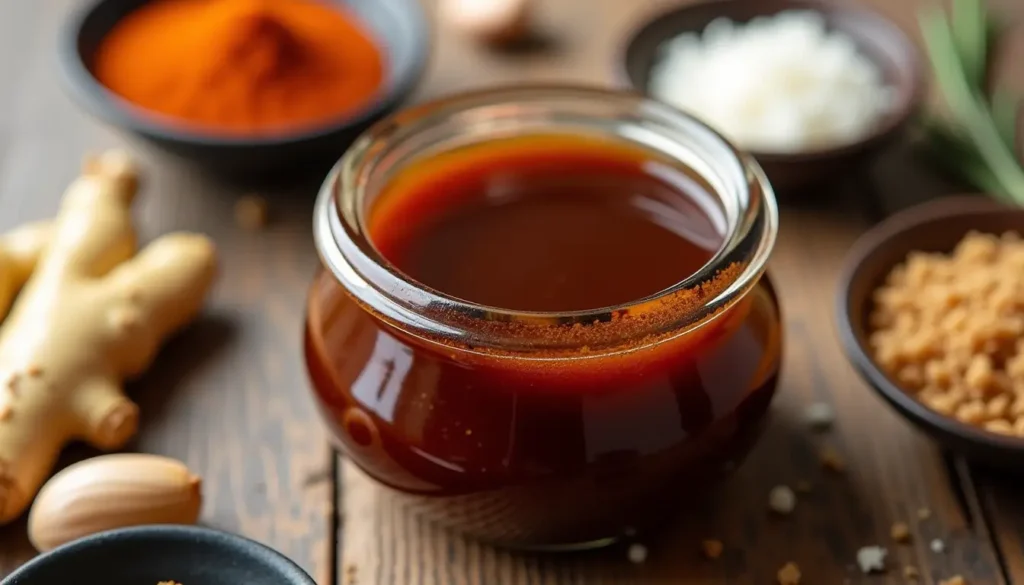
This homemade Teriyaki Sauce Recipe is perfectly balanced, easy to make, and brings restaurant-quality flavor to your meals. With just a handful of ingredients and 15 minutes, you’ll create a sauce that rivals anything from a Japanese steakhouse—without the premium price tag or questionable ingredients.
After testing dozens of sauces in my kitchen, I’ve crafted the ultimate sweet-and-savory teriyaki sauce. I’ve experimented with different ratios, tested various sweeteners, and fine-tuned the technique until achieving that perfect glossy consistency and balanced flavor profile that makes teriyaki irresistible.
In this comprehensive guide, you’ll discover the essential ingredients that create authentic teriyaki flavor, the step-by-step method that guarantees perfect results, chef tips from culinary masters who’ve perfected Japanese cooking, proper storage techniques for maximum freshness, creative flavor variations to customize your sauce, and answers to common questions. Get ready to transform your home cooking with this foundational sauce.
Table of Contents
Why This Teriyaki Sauce Recipe Works
This recipe succeeds because it respects traditional Japanese flavor principles while remaining accessible to home cooks with standard pantry ingredients.
Perfect sweet-salty balance using pantry staples. The careful ratio of soy sauce to sweetener creates that signature teriyaki taste—neither cloying nor overpowering. Every ingredient serves a purpose, working together to build complex, layered flavor without requiring specialty items.
Quick to prepare—ready in under 15 minutes. Unlike slow-cooked sauces that require hours of attention, teriyaki sauce comes together rapidly. Heat, stir, simmer, and you’re done. This makes it perfect for weeknight dinners when you need impressive flavor without time investment.
Works for marinades, stir-fries, or dipping sauces. The versatility of this teriyaki sauce means one recipe serves multiple purposes. Use it thin as a marinade, reduce it to a glaze for grilled meats, or serve it as a dipping sauce. This single sauce recipe elevates countless dishes.
Chef-approved tips for maximum flavor. This recipe incorporates techniques from professional chefs who understand how to balance umami, sweetness, and acidity. Their insights ensure your homemade version tastes professional, not amateurish.
Choosing the Right Ingredients
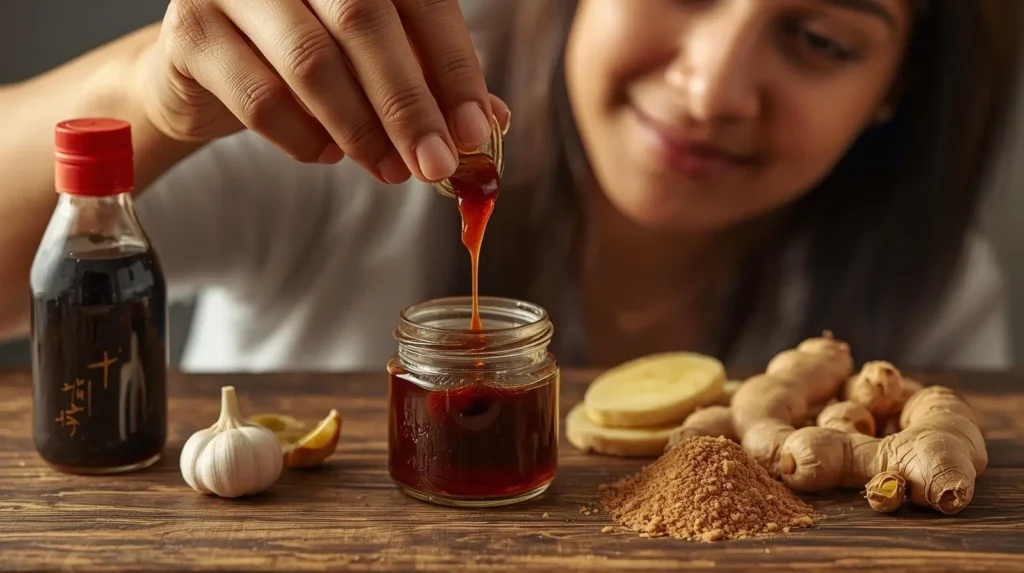
Best Ingredients for Teriyaki Sauce
| Ingredient | Purpose | Notes |
|---|---|---|
| Soy sauce (½ cup) | Base flavor and saltiness | Use low-sodium if watching salt intake |
| Brown sugar or honey (¼ cup) | Sweetness and caramelization | Brown sugar adds molasses depth |
| Garlic (3-4 cloves) | Aromatic depth | Fresh minced preferred over powder |
| Ginger (1-inch piece) | Warm, spicy undertone | Fresh grated is essential |
| Rice vinegar (2 tbsp) | Acid balance and brightness | Mirin can substitute for sweeter profile |
| Cornstarch (1 tbsp) | Thickening agent | Creates glossy glaze consistency |
| Sesame oil (1 tsp) | Nutty, aromatic finish | Add at the end to preserve flavor |
| Water (¼ cup) | Dilutes and adjusts consistency | Adjust based on desired thickness |
Buying Tips
Choose fresh garlic and ginger rather than jarred or powdered versions. Fresh aromatics provide bright, pungent flavor that dried versions can’t match. Look for firm ginger with tight skin and plump garlic bulbs with no green shoots.
Select high-quality soy sauce for depth of flavor. Japanese brands like Kikkoman or Yamasa offer authentic taste. Chinese soy sauces work but have slightly different flavor profiles. San-J and Tamari provide excellent gluten-free options.
Pick the right sweetener. Brown sugar adds molasses complexity that white sugar lacks. Honey creates a different flavor profile—more floral and less caramelized. Both work beautifully; choose based on your preference.
Use rice vinegar, not distilled white vinegar. Rice vinegar has milder acidity and subtle sweetness that complements Asian flavors. White vinegar tastes harsh and can overpower delicate balance.
Invest in toasted sesame oil. The dark amber oil labeled “toasted” or “roasted” has the nutty, aromatic quality teriyaki needs. Light sesame oil lacks this essential flavor.
Substitutions
Tamari or coconut aminos replace soy sauce for gluten-free teriyaki. Tamari is essentially gluten-free soy sauce with nearly identical flavor. Coconut aminos taste slightly sweeter and less salty, so adjust other ingredients accordingly.
Maple syrup or agave can replace honey or brown sugar. Maple syrup adds depth similar to brown sugar. Agave is neutral and won’t affect flavor significantly. Adjust quantities to taste—these liquid sweeteners behave differently than granulated sugar.
Mirin (Japanese sweet rice wine) can replace some or all of the sugar. Traditional teriyaki recipes use mirin for sweetness and complexity. Use ¼ cup mirin and reduce or eliminate sugar. If alcohol is a concern, simmer mirin for 2-3 minutes to evaporate alcohol while retaining sweetness.
Arrowroot powder substitutes for cornstarch in equal amounts. Both thicken effectively, though arrowroot creates a slightly clearer appearance. It’s ideal for those avoiding corn products.
Chef Advice on Ingredient Selection
Masaharu Morimoto, Iron Chef and owner of Morimoto restaurants worldwide, emphasizes ingredient quality: “The foundation of any great sauce begins with premium ingredients. In teriyaki, the soy sauce quality determines 70% of the final flavor. Don’t compromise here.”
Gordon Ramsay notes the importance of fresh aromatics: “Garlic and ginger must be fresh—absolutely fresh. The moment you use powder or paste, you’ve already lost the battle. Fresh ingredients create vibrant, alive flavors that bottled versions simply cannot replicate.”
Nobu Matsuhisa, celebrity chef known for fusion Japanese cuisine, advises on balance: “The secret to teriyaki isn’t just sweetness or saltiness—it’s the harmony between all elements. The sauce should taste equally of sweet, salty, and umami, with no single flavor dominating.”
Ingredients & Prep
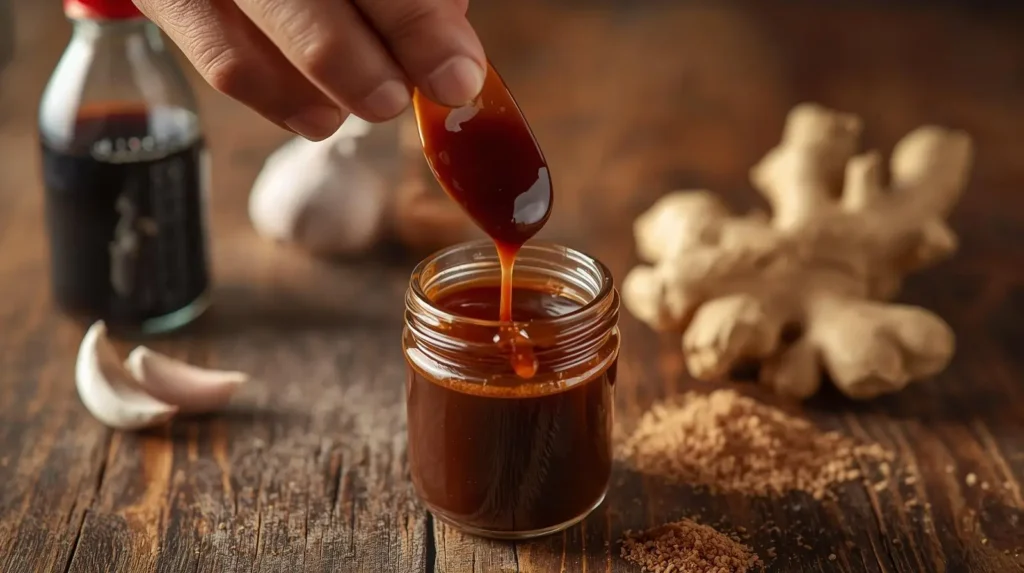
Prep Essentials
| Step | Instructions |
|---|---|
| Mince garlic & ginger | Fine mince or grate for smooth sauce; larger pieces create chunky texture |
| Measure liquids | Soy sauce, rice vinegar, water in separate containers for easy adding |
| Mix dry ingredients | Combine sugar and cornstarch to prevent clumping |
| Prepare slurry | Mix cornstarch with cold water before adding to hot liquid |
| Gather tools | Small saucepan, whisk, measuring cups/spoons, storage container |
Common Pantry Staples
Keep these essentials stocked for spontaneous teriyaki sauce making:
Soy sauce: The foundation of teriyaki. Buy larger bottles of quality brands for better value.
Sugar or honey: Both brown and white sugar work. Honey offers a different but equally delicious profile.
Garlic: Fresh bulbs last weeks in a cool, dry place. Buy frequently to ensure freshness.
Ginger: Fresh ginger root freezes beautifully. Grate frozen ginger easily without peeling.
Rice vinegar: Once opened, store in refrigerator. Lasts for months.
Sesame oil: Small bottles go far since you use minimal amounts. Store in cool, dark place.
Cornstarch: Keeps indefinitely in pantry. Essential for thickening sauces.
Prep Time and Cook Time
| Component | Time |
|---|---|
| Ingredient prep | 5 minutes |
| Cooking time | 8-10 minutes |
| Cooling time | 5 minutes |
| Total time | 15-20 minutes |
Step-by-Step Cooking Instructions
Basic Teriyaki Sauce
Step 1: Prepare the aromatics
Peel and mince 3-4 garlic cloves finely. You want tiny pieces that will blend into the sauce rather than chunky bits. Peel a 1-inch piece of fresh ginger using a spoon edge (easier than a knife), then grate it on a fine grater or mince extremely finely.
The finer you mince these aromatics, the smoother your sauce will be. For perfectly smooth sauce, use a garlic press and fine microplane grater.
Step 2: Combine the base ingredients
In a small saucepan, combine ½ cup soy sauce, ¼ cup brown sugar (or honey), the minced garlic, grated ginger, 2 tablespoons rice vinegar, and ¼ cup water. Whisk together until the sugar begins to dissolve.
Don’t turn on the heat yet—combining ingredients at room temperature ensures even distribution and prevents burning.
Step 3: Heat and dissolve
Place the saucepan over medium heat. Stir continuously until the sugar completely dissolves and the mixture comes to a gentle simmer. This takes about 3-4 minutes.
Watch carefully—once it simmers, tiny bubbles will appear around the edges. The sauce will smell incredibly aromatic as the garlic and ginger release their oils.
Step 4: Thicken the sauce (optional)
If you want a thicker glaze consistency, create a cornstarch slurry. Mix 1 tablespoon cornstarch with 2 tablespoons cold water in a small bowl, stirring until smooth with no lumps.
Slowly pour the slurry into the simmering sauce while whisking constantly. The sauce will thicken within 1-2 minutes. For thinner sauce, skip this step entirely or use less cornstarch.
Step 5: Simmer and reduce
Reduce heat to low and let the sauce simmer gently for 5-7 minutes. This concentrates the flavors and develops complexity. The sauce should reduce by about one-third and become glossy.
Stir occasionally to prevent sticking or burning on the bottom. The longer you simmer, the thicker and more concentrated the flavor becomes.
Step 6: Finish with sesame oil
Remove from heat and stir in 1 teaspoon toasted sesame oil. Adding it at the end preserves its delicate nutty aroma, which would dissipate if cooked.
Taste and adjust—add a touch more sugar if too salty, or a splash of soy sauce if too sweet. The sauce should taste balanced with no single flavor overpowering the others.
Step 7: Cool and store
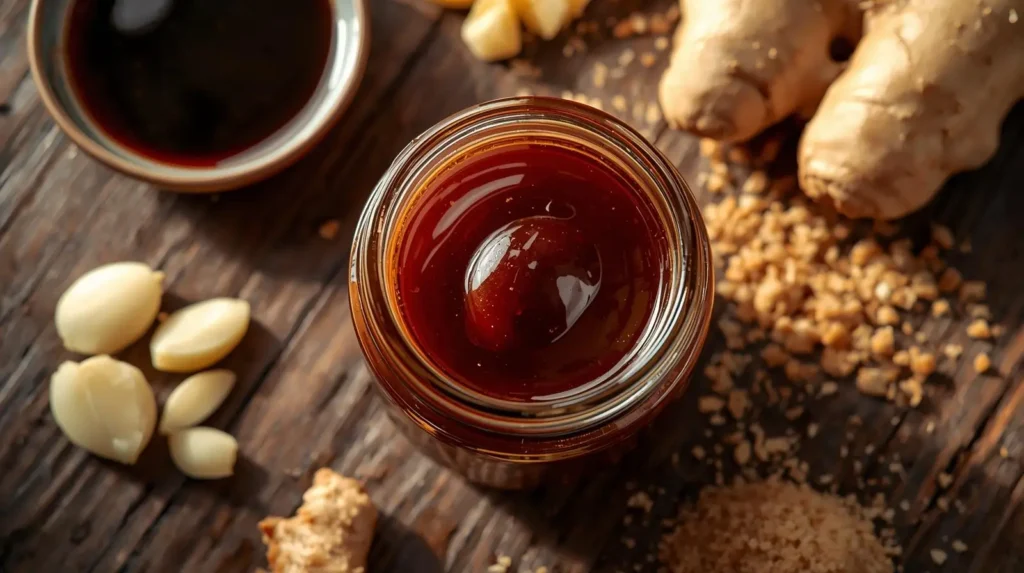
Let the sauce cool to room temperature. As it cools, it will thicken slightly more. Pour into a clean jar or airtight container.
Store in the refrigerator for up to 2 weeks. The sauce may thicken further when cold; simply stir or add a splash of water to thin if needed.
Chef Advice During Cooking
Gordon Ramsay on heat management: “Simmer gently to avoid burning the sugar. High heat caramelizes too quickly and creates bitter undertones. Patience creates depth—let the flavors develop slowly over gentle heat.”
Masaharu Morimoto on finishing touches: “Add a touch of sesame oil at the end for aroma, never at the beginning. Heat destroys sesame oil’s delicate flavor compounds. This final addition is what separates amateur from professional teriyaki.”
Nobu Matsuhisa on balance: “Taste continuously as you cook. Your palate is the best measuring tool. If something tastes off-balance, trust your instincts and adjust. Great cooks taste constantly; average cooks follow recipes blindly.”
Jamie Oliver on natural ingredients: “Don’t be afraid to make it your own. Add a squeeze of fresh lime, a pinch of chili flakes, or swap honey for sugar. Cooking is about expression, not rigid rules. The best teriyaki sauce is the one you love.”
Pro Tips for Perfect Teriyaki Sauce
Control the sweetness carefully. Start with slightly less sugar than you think you need—you can always add more, but you can’t take it away. Remember that the sauce concentrates as it reduces, intensifying sweetness.
Don’t skip the rice vinegar. Even though it seems like a small amount, the acidity is crucial for balancing sweetness and cutting through richness. Without it, teriyaki tastes one-dimensional and cloying.
Use low-sodium soy sauce if concerned about salt. Regular soy sauce is quite salty. Low-sodium versions give you more control over final saltiness, especially important if reducing the sauce significantly.
Strain for ultra-smooth sauce. Pour finished sauce through a fine-mesh strainer to remove garlic and ginger bits. This creates restaurant-quality smooth consistency perfect for glazing or bottling as gifts.
Make it in batches. This recipe doubles or triples easily. Since it stores well, make large batches and keep them refrigerated for quick weeknight meals.
Adjust consistency as needed. Too thick? Add water or soy sauce one tablespoon at a time. Too thin? Simmer longer or add more cornstarch slurry.
Watch for burning. Sugar burns easily. If you smell caramel or see brown bits on the pan bottom, reduce heat immediately. Burned sugar creates bitter flavor that ruins the entire batch.
Flavor Variations
Spicy Teriyaki Sauce
Add ½-1 teaspoon red chili flakes or 1-2 teaspoons sriracha sauce when simmering. For authentic Japanese heat, use shichimi togarashi (seven-spice blend) or fresh sliced Thai chilies.
The spiciness complements teriyaki’s sweetness beautifully, creating a complex flavor profile that works wonderfully with grilled meats and stir-fries.
Citrus Teriyaki Sauce
Replace 2 tablespoons of water with fresh orange juice, or add the juice and zest of one orange during cooking. Pineapple juice (¼ cup) creates tropical sweetness and tenderizes meat when used as a marinade.
The citrus adds brightness and acidity that lightens the sauce, making it perfect for chicken and seafood.
Smoky Teriyaki Sauce
Use 2 tablespoons smoked soy sauce in place of regular soy sauce, or add 2-3 drops liquid smoke to the finished sauce. For natural smoke flavor, add a pinch of smoked paprika.
This variation works exceptionally well for grilled or barbecued meats, adding depth that complements char marks.
Low-Sugar Teriyaki Sauce
Replace brown sugar with 2-3 tablespoons honey or pure maple syrup. For even lower sugar, use monk fruit sweetener or stevia to taste (start with 1 tablespoon equivalent and adjust).
Use mirin (Japanese sweet rice wine) which adds sweetness from rice rather than added sugars. The sauce will be slightly less glossy but equally delicious.
Garlic Lover’s Teriyaki
Double or triple the garlic to 6-9 cloves. Roast the garlic first for mellow, sweet flavor, or use raw for sharper bite. Add ½ teaspoon garlic powder along with fresh for maximum garlic punch.
Ginger-Forward Version
Double the ginger to a 2-inch piece for pronounced ginger flavor. Add a pinch of ground ginger along with fresh for complexity. This version pairs beautifully with salmon and vegetables.
Sake Teriyaki
Replace water with sake (Japanese rice wine) for traditional Japanese preparation. The sake adds subtle complexity and depth. Simmer an extra minute to cook off alcohol while retaining flavor.
Serving Suggestions
Use as a marinade for chicken, beef, pork, or tofu. Marinate proteins for 30 minutes to 2 hours (no longer, as the salt can over-cure meat). Reserve some unmarinated sauce for glazing during cooking.
Glaze grilled or roasted meats. Brush teriyaki sauce on chicken thighs, salmon fillets, or pork chops during the last 5-10 minutes of cooking. The sugars caramelize beautifully under high heat, creating a glossy, flavorful coating.
Drizzle over stir-fried vegetables or rice bowls. Toss hot vegetables in teriyaki sauce just before serving. The sauce coats vegetables perfectly and adds instant flavor. For rice bowls, drizzle sauce over the top along with sesame seeds and green onions.
Create teriyaki stir-fry. Cook protein and vegetables separately, then combine and add teriyaki sauce in the final 2 minutes. Toss to coat everything evenly. The high heat causes the sauce to cling and caramelize slightly.
Make teriyaki chicken wings. Bake wings until crispy, then toss in teriyaki sauce. Return to oven for 5 minutes to set the glaze. Repeat for extra-thick coating.
Use as dipping sauce. Serve alongside dumplings, spring rolls, or tempura. The sweet-savory profile complements fried foods beautifully, cutting through grease with its acidity.
Add to burger or sandwich spreads. Mix teriyaki sauce with mayo for an umami-rich spread. Perfect for Asian-inspired burgers or grilled chicken sandwiches.
Nutrition Information (per 2 tablespoon serving)
| Serving | Calories | Carbs | Sugar | Protein | Fat | Sodium |
|---|---|---|---|---|---|---|
| 2 tbsp | 50 | 12g | 10g | 1g | 0g | 620mg |
Note: Nutrition values vary based on specific ingredients used. Use low-sodium soy sauce to reduce sodium content by approximately 40%. Values shown are estimates for standard recipe.
Storage and Shelf Life
Refrigerator storage: Store cooled teriyaki sauce in an airtight container or jar in the refrigerator for up to 2 weeks. Glass jars work best as they don’t absorb odors or stain.
Freezer storage: Freeze teriyaki sauce in ice cube trays, then transfer frozen cubes to freezer bags. Each cube equals about 2 tablespoons. Freeze for up to 3 months. Thaw in refrigerator or microwave as needed.
Signs of spoilage: Discard if you notice mold, off smells, or unusual texture. The high sugar and salt content preserve the sauce well, but homemade versions lack preservatives so use common sense.
Reheating: Gently warm refrigerated sauce in a small saucepan over low heat or microwave in 15-second intervals. Stir well, as ingredients may separate when cold. Add a splash of water if too thick.
FAQs
“Can I make teriyaki sauce ahead of time?”
Absolutely—teriyaki sauce actually improves with time! The flavors meld and deepen as the sauce sits. Make it up to 2 weeks ahead and store it refrigerated. This makes meal prep incredibly efficient, allowing you to marinate proteins or quickly add flavor to weeknight dinners.
Many cooks prefer making large batches on weekends to use throughout the week. The sauce’s versatility means it works for multiple meals, from breakfast stir-fries to dinner glazes.
For best results, bring refrigerated sauce to room temperature or warm it gently before using as a marinade or adding to hot dishes. Cold sauce can cool down cooking surfaces and affect texture.
“How do I thicken teriyaki sauce without cornstarch?”
Several alternatives create excellent thickness without cornstarch. Simply simmer the sauce longer over low heat—the liquid reduces and concentrates, naturally thickening the sauce. This method also intensifies flavor.
Use arrowroot powder in equal amounts to cornstarch. Mix with cold water to create a slurry, then add to simmering sauce. Arrowroot creates a clearer, glossier finish than cornstarch.
Add a tablespoon of honey, which has natural thickness. This sweetens the sauce slightly but creates beautiful body. Reduce it to compensate for added liquid.
Whisk in a teaspoon of butter at the end. The fat emulsifies with the liquid, creating richness and slight thickness. This technique, called mounting, comes from French cooking but works beautifully here.
“Is teriyaki sauce gluten-free?”
Traditional teriyaki sauce is not gluten-free because soy sauce contains wheat. However, making gluten-free teriyaki is simple—just substitute tamari (gluten-free soy sauce) or coconut aminos for regular soy sauce.
Tamari tastes nearly identical to regular soy sauce and creates authentic teriyaki flavor. Look for bottles specifically labeled “gluten-free” as some tamari still contains wheat.
Coconut aminos taste slightly sweeter and less salty than soy sauce. Adjust by using slightly less sweetener and adding a pinch of salt. The flavor differs subtly but remains delicious.
Ensure all other ingredients are gluten-free, particularly if using pre-made ingredients like hoisin sauce or other additives. Pure ingredients like garlic, ginger, sugar, and vinegar are naturally gluten-free.
“Can I use teriyaki sauce as a glaze on grilled meats?”
Yes—this is one of teriyaki sauce’s best uses! Apply the glaze during the final 5-10 minutes of cooking to prevent burning the sugars. Brush on a layer, let it set for 2-3 minutes, then apply another layer.
For thicker glaze, reduce the sauce by simmering until it coats the back of a spoon. Thicker sauce adheres better and creates more dramatic caramelization.
Watch carefully—the sugars can burn quickly over direct heat. Use medium heat or move meat to cooler sections of the grill after applying sauce.
For maximum impact, apply 2-3 thin layers rather than one thick layer. Each layer caramelizes and creates complex depth. This technique, called “tare” in Japanese cooking, produces professional results.
The glaze works on chicken, salmon, pork chops, steak, shrimp, and even vegetables. The caramelization creates a beautiful glossy finish and concentrated flavor.
Conclusion
Try this Teriyaki Sauce Recipe today and elevate your home-cooked meals with sweet and savory flavor that rivals any restaurant! Whether you’re grilling chicken for dinner, stir-frying vegetables for lunch, or marinating tofu for meal prep, this versatile sauce transforms ordinary ingredients into extraordinary dishes.
The beauty of homemade teriyaki lies in complete control—adjust sweetness, saltiness, and thickness to your exact preferences. No more settling for one-dimensional store-bought versions loaded with preservatives and artificial flavors.
Join thousands of home cooks who’ve perfected this easy teriyaki sauce and discovered how simple ingredients create complex, restaurant-quality flavor. Once you taste the difference between homemade and store-bought, you’ll never go back to bottles from the supermarket shelf.
This foundational sauce opens up endless culinary possibilities. Master this recipe, then experiment with the variations to create your signature version. Share it with friends, gift it to family, and watch it become your most-requested recipe.
Next, check out our Easy Blackstone Recipes or Best Instant Pot Soup Recipes for more delicious ideas that complement your teriyaki creations! Combine this versatile sauce with quick cooking methods to build a complete repertoire of flavorful meals your whole family will love.
How did you find results our recipes
There are no reviews yet. Be the first one to write one.

