
Introduction
Tired of dry or bland snickerdoodle recipe that don’t have that perfect cinnamon-sugar flavor? You’re not alone. Many home bakers struggle with cookies that turn out flat, hard, or lacking that signature tangy sweetness that makes snickerdoodle recipe so irresistible.
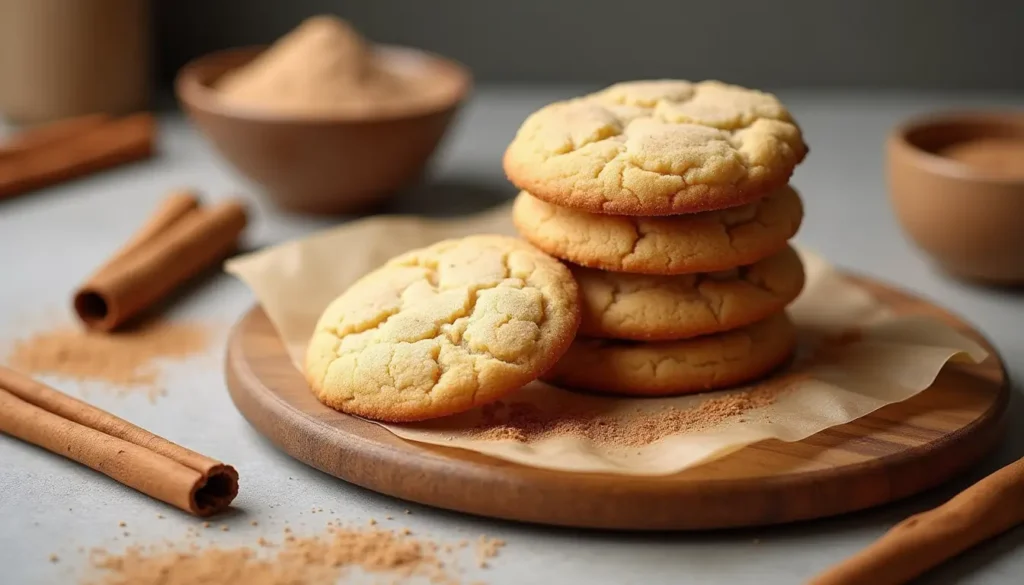
This Snickerdoodle Recipe makes cookies that are soft, chewy, and perfectly spiced with cinnamon and sugar. Each bite delivers a delightful contrast—crispy, sparkly edges give way to tender, pillowy centers infused with warm cinnamon flavor and a subtle tang that sets these cookies apart from ordinary sugar cookies.
As a home baker for over a decade, I’ve tested countless variations to get this recipe just right. I’ve experimented with different ratios of cream of tartar, adjusted baking times by mere seconds, and even tested various chilling methods to achieve the perfect texture. The result? A foolproof Snickerdoodle Recipe that works every single time, whether you’re a complete beginner or an experienced baker looking to master this classic treat.
Table of Contents
Why This Snickerdoodle Recipe Works
This recipe delivers exceptional results because it balances traditional techniques with foolproof methods that eliminate common baking pitfalls. Here’s what makes it special:
- Uses classic ingredients for authentic snickerdoodle recipe flavor – No shortcuts or substitutions that compromise taste. This recipe honors the traditional formula that has made Snickerdoodles beloved for generations.
- Soft, chewy centers with crisp edges — the best of both worlds – The precise ratio of ingredients and carefully calibrated baking time creates that sought-after textural contrast that makes each bite memorable.
- Easy to make in under 30 minutes, perfect for any skill level – From mixing bowl to baking sheet, this streamlined process means you can satisfy cookie cravings quickly without complicated steps or advanced techniques.
The magic lies in three key factors: proper creaming technique, the cream of tartar’s unique chemical reaction, and precise baking time. When you cream the butter and sugar thoroughly, you incorporate air that creates lift and tenderness. The cream of tartar reacts with baking soda to provide leavening while contributing that characteristic tang. And baking just until the edges set—while centers still look slightly underdone—ensures they finish cooking on the pan without becoming dry.
Choosing the Right Ingredients for snickerdoodle recipe
Every ingredient in this Snickerdoodle Recipe plays a crucial role in achieving the perfect texture and flavor. Understanding why each component matters will help you make informed decisions and troubleshoot if needed.
Butter
Use real butter for richness and soft texture. Unsalted butter gives you complete control over the salt content in your cookies, allowing for balanced flavor. The fat in butter creates tenderness by coating flour proteins and preventing excessive gluten development. Make sure your butter is softened to room temperature—it should yield to gentle pressure but not be melted or greasy. Properly softened butter creams beautifully with sugar, creating those essential air pockets that contribute to the cookie’s light, tender crumb.
Sugar
White sugar for sweetness, brown sugar for depth. While traditional snickerdoodle recipe use only granulated white sugar, this recipe incorporates a small amount of brown sugar for added moisture and a subtle molasses undertone that enhances the overall flavor complexity. The granulated sugar in the coating creates that signature sparkly crust, while the sugars in the dough provide structure, sweetness, and help the cookies spread properly during baking.
Cream of Tartar
Gives the signature tang and chewy texture. This is the ingredient that transforms ordinary sugar cookies into authentic Snickerdoodles. Cream of tartar is an acid that not only provides a subtle tangy flavor but also reacts with baking soda to create carbon dioxide, which helps the cookies rise. Additionally, it prevents sugar crystallization, contributing to that characteristic chewy texture that makes snickerdoodle recipe so addictive.
Cinnamon
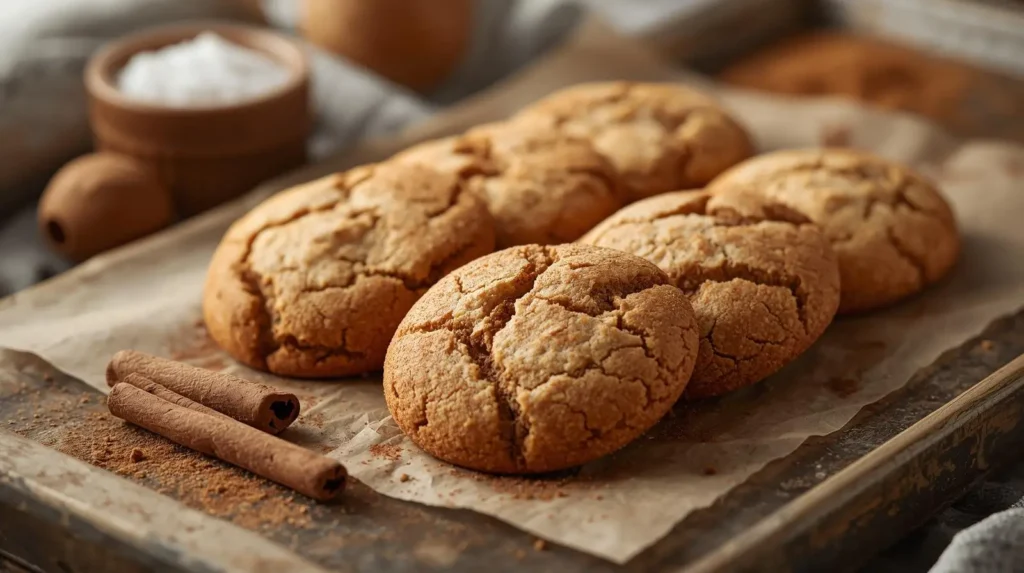
Fresh ground cinnamon adds warm, bold spice. The quality of your cinnamon makes a noticeable difference in the final flavor. Choose Ceylon cinnamon for a delicate, sweet flavor, or use Cassia cinnamon (the most common supermarket variety) for a stronger, spicier bite. If your cinnamon has been sitting in your pantry for years, consider replacing it—fresh spices provide much more aromatic intensity.
Flour
Use all-purpose flour for balance and structure. All-purpose flour contains the ideal protein content for cookies, providing enough structure to hold their shape while remaining tender. Measure flour correctly by spooning it into your measuring cup and leveling off with a knife, rather than scooping directly from the bag, which can pack in too much flour and result in dry cookies.
Eggs
Room temperature eggs ensure proper binding. When eggs are at room temperature, they emulsify more easily with the butter and sugar, creating a smooth, homogeneous dough. Cold eggs can cause the butter to seize up or result in a curdled-looking mixture. To quickly bring eggs to room temperature, place them in a bowl of warm water for about five minutes.
Substitutions
For dairy-free, use vegan butter or coconut oil; for gluten-free, use a 1:1 GF flour blend. If using coconut oil, choose refined coconut oil to avoid imparting coconut flavor, and make sure it’s softened to a similar consistency as room-temperature butter. For gluten-free versions, select a high-quality 1:1 baking blend that contains xanthan gum or add ¼ teaspoon of xanthan gum yourself to help with binding and texture.
Ingredients & Prep snickerdoodle recipe
Having everything measured and ready before you begin makes the baking process smooth and enjoyable. Here’s your complete ingredient list with purposes explained:
| Ingredient | Quantity | Purpose |
|---|---|---|
| Unsalted butter (softened) | 1 cup | Base for rich texture |
| Granulated sugar | 1 ½ cups | Sweetness & structure |
| Eggs | 2 large | Binding agent |
| All-purpose flour | 2 ¾ cups | Structure |
| Cream of tartar | 2 tsp | Tangy flavor & chewiness |
| Baking soda | 1 tsp | Leavening |
| Salt | ¼ tsp | Flavor balance |
| Ground cinnamon | 2 tsp | Signature spice |
| Sugar + Cinnamon (for coating) | ¼ cup sugar + 1 tbsp cinnamon | Crisp coating |
Prep Tips
Preheat oven to 375°F (190°C). Line baking sheets with parchment paper. Preheating ensures your oven reaches the correct temperature, which is crucial for even baking. Parchment paper prevents sticking and promotes even browning on the bottom of your cookies. If you don’t have parchment paper, silicone baking mats work equally well.
Cream butter and sugar until fluffy; this is key for soft texture. Set a timer for at least 3-4 minutes of beating on medium speed. The mixture should become noticeably lighter in color and increased in volume. This step incorporates air that creates the tender, cake-like texture in the center of your snickerdoodle recipe.
Chill the dough for 30 minutes if you prefer thicker cookies. While not required, chilling firms up the butter, which slows spreading during baking. This results in taller, puffier cookies with more pronounced ridges. If you’re short on time, you can skip this step and still get delicious results—your cookies will simply be slightly flatter with more surface area for that cinnamon-sugar coating.
Step-by-Step Baking Instructions
Follow these detailed instructions for perfect results every time. Each step builds upon the previous one, so take your time and don’t rush through the process.
Mixing the Dough
Cream butter and sugar, then add eggs and vanilla until smooth. Mix dry ingredients separately, then combine. In your stand mixer or using a hand mixer with a large bowl, beat the softened butter and granulated sugar together on medium speed for 3-4 minutes until the mixture is pale and fluffy. Scrape down the sides of the bowl halfway through to ensure even mixing. Add the eggs one at a time, beating well after each addition, then mix in 1 teaspoon of vanilla extract.
In a separate bowl, whisk together the flour, cream of tartar, baking soda, and salt. This ensures the leavening agents are evenly distributed throughout the flour. Add the dry ingredients to the wet ingredients in three additions, mixing on low speed just until combined after each addition. Be careful not to overmix once the flour is added, as this can develop too much gluten and result in tough cookies.
Forming Cookies snickerdoodle recipe
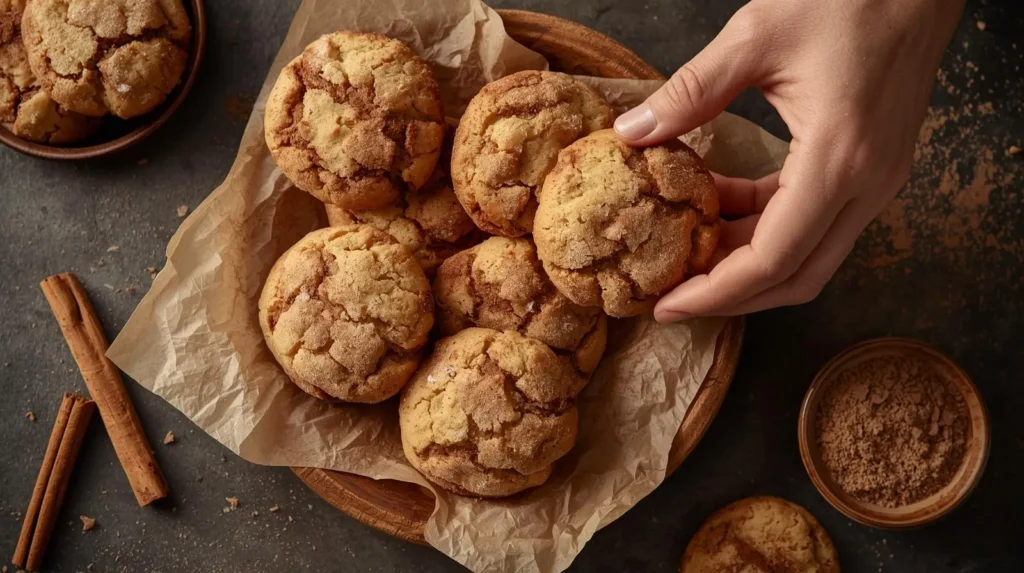
Roll dough into balls, then coat evenly in cinnamon-sugar mixture. In a small bowl, combine ¼ cup granulated sugar with 1 tablespoon ground cinnamon, stirring well to distribute the cinnamon evenly. Using a cookie scoop or your hands, portion the dough into balls about 1½ tablespoons in size (approximately 1½ inches in diameter). Roll each ball between your palms to create a smooth sphere, then roll it in the cinnamon-sugar mixture, coating it completely. Place the coated balls on your prepared baking sheets.
The rolling motion is important—don’t just drop the dough into the coating. Rolling creates a smooth surface that allows the coating to adhere evenly and creates those beautiful crackles that form during baking.
Baking
Place on baking sheet, spacing 2 inches apart. Bake 8–10 minutes until edges are set and centers soft. Give each cookie plenty of room—they will spread during baking, and overcrowding can cause them to bake together or steam rather than crisp up properly. Bake one sheet at a time on the center rack for the most even results.
Here’s the critical timing point: your cookies are done when the edges look set and have just begun to turn golden, but the centers still appear slightly puffy and underdone. They should look like they need another minute, but resist the urge to overbake. The cookies will continue cooking from residual heat after you remove them from the oven.
Cooling
Cool on the baking sheet for 2 minutes before transferring to a wire rack. This brief resting period allows the cookies to firm up just enough to be moved without breaking. If you try to transfer them immediately, they may fall apart or lose their shape. After 2 minutes, use a thin spatula to carefully transfer cookies to a wire cooling rack, where air can circulate around them and prevent soggy bottoms.
For the best texture, allow cookies to cool completely before storing. Warm cookies are still releasing moisture, and storing them while warm can make them soft and sticky rather than maintaining that perfect balance of crispy edges and chewy centers.
Pro Tips for Perfect Snickerdoodle Recipe
These professional techniques will take your snickerdoodle recipe from good to absolutely exceptional. I’ve learned these tricks through years of baking and testing, and they make a real difference.
Soft vs. Crispy
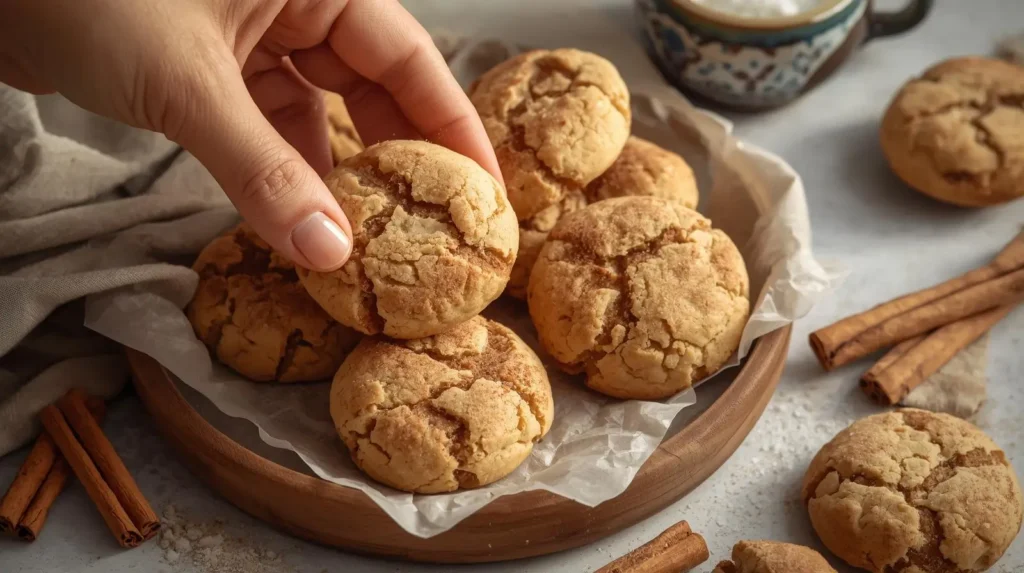
For softer cookies, slightly underbake; for crispier edges, bake a minute longer. If you love ultra-soft, pillowy snickerdoodle recipe , remove them from the oven at the 8-minute mark when they still look quite pale and puffy. They’ll seem too soft to handle, but trust the process—they’ll firm up as they cool. For cookies with more substantial crunch around the edges while maintaining chewy centers, bake for the full 10 minutes or even 11 minutes, until the edges are distinctly golden.
Remember that cookies continue to bake on the hot pan after removal from the oven, so factor in this carryover cooking when determining your ideal baking time.
Uniform Size
Use a cookie scoop for even baking. A standard cookie scoop (about 1½ tablespoons) ensures every cookie is the same size, which means they all bake at the same rate. Nothing is more frustrating than having some cookies perfectly done while others are underbaked or burnt. Consistent sizing also creates a professional appearance, especially important if you’re baking for gifts or events.
If you don’t have a cookie scoop, you can portion dough using two spoons, but try to eyeball similar sizes and weigh a few dough balls on a kitchen scale to calibrate your eye.
Make Ahead
Freeze dough balls for up to 2 months and bake straight from frozen. This is one of my favorite strategies for having fresh-baked cookies anytime. After rolling dough balls in the cinnamon-sugar coating, place them on a baking sheet and freeze until solid (about 2 hours). Transfer the frozen dough balls to a freezer bag, removing as much air as possible.
When you’re ready to bake, place frozen dough balls on a prepared baking sheet—no thawing necessary. Add 1-2 extra minutes to the baking time. You’ll have warm, fresh-from-the-oven snickerdoodle recipe in under 15 minutes whenever the craving strikes.
Avoid Flat Cookies
Ensure butter isn’t melted and dough isn’t overmixed. Flat cookies are one of the most common snickerdoodle recipe problems, and they’re usually caused by one of these issues: butter that was too soft or melted (it should hold its shape but be soft enough to cream), overmixing the dough after adding flour (which develops gluten and makes cookies spread), or using baking sheets that are too hot (always let pans cool completely between batches).
Another culprit can be old baking soda or cream of tartar. Check expiration dates and replace if they’re past their prime—fresh leavening agents are essential for proper lift and texture.
Flavor Variations
Once you’ve mastered the classic Snickerdoodle Recipe, these creative variations will keep your cookie jar exciting and give you options for every season and occasion.
Brown Butter snickerdoodle recipe
Add nutty depth by browning butter first. Brown butter transforms these cookies into something extraordinary with its toasted, almost caramel-like flavor. To brown butter, melt it in a light-colored saucepan over medium heat, stirring constantly. The butter will foam, then the milk solids will begin to turn golden brown and smell incredibly nutty. Immediately pour into a heatproof bowl to stop the cooking process.
Let the brown butter cool and resolidify (you can refrigerate to speed this up) until it reaches the consistency of softened butter before using it in the recipe. The deep, complex flavor pairs beautifully with the cinnamon-sugar coating.
Pumpkin Spice
Add a teaspoon of pumpkin spice mix for autumn vibes. This variation is perfect for fall baking and brings warmth from additional spices like nutmeg, ginger, and allspice. You can either add store-bought pumpkin pie spice to the dough or create your own blend with ½ teaspoon cinnamon, ¼ teaspoon ginger, ¼ teaspoon nutmeg, and a pinch of cloves.
For an even more autumnal treat, substitute 2 tablespoons of the granulated sugar with maple sugar if you have it available. The subtle maple notes complement the spice blend beautifully.
Chocolate Drizzle
Drizzle melted white or dark chocolate over cooled cookies. This simple addition elevates snickerdoodle recipe into something bakery-worthy. Melt 4 ounces of chocolate chips in the microwave in 30-second intervals, stirring between each, until smooth. Transfer to a small plastic bag, snip off a tiny corner, and drizzle in zigzag patterns over completely cooled cookies.
White chocolate provides a sweet, creamy contrast to the cinnamon spice, while dark chocolate adds sophisticated bitterness that balances the sugar. For extra flair, sprinkle a tiny pinch of flaky sea salt over the chocolate drizzle before it sets.
Holiday Twist
Add crushed peppermint for a festive touch. Fold ½ cup of finely crushed peppermint candies or candy canes into the dough before forming cookies. The peppermint adds refreshing coolness that contrasts beautifully with warm cinnamon, creating a cookie that tastes like the holidays.
You can also add crushed peppermint to the cinnamon-sugar coating for extra minty punch and a festive red-and-white appearance. These make excellent Christmas cookie platter additions and wonderful gifts.
Serving Suggestions
Presentation and pairing can transform simple cookies into a memorable experience. Here’s how to serve your snickerdoodle recipe for maximum enjoyment.
Pair with: Hot coffee, milk, or hot chocolate. The warm spice notes in snickerdoodle recipe make them ideal companions for hot beverages. A strong, dark roast coffee provides a bitter contrast to the sweet coating, while cold milk offers classic cookie-dunking satisfaction. Hot chocolate with a pinch of cinnamon echoes the cookie’s flavors for a complementary pairing.
For adult gatherings, try serving snickerdoodle recipe alongside spiced chai lattes, apple cider, or even a dessert wine like Moscato or late-harvest Riesling.
Presentation idea: Stack and tie with twine for gifting. Arrange 6-8 cookies in a neat stack, wrap in cellophane or parchment paper, and secure with baker’s twine or ribbon. Attach a handwritten tag with baking instructions if you’re gifting dough, or simply a note about the flavor and your best wishes. These homemade treats show thoughtfulness and care that store-bought gifts can’t match.
For a more polished presentation, place cookies in decorative tins lined with parchment paper, separating layers with additional parchment to prevent sticking.
Serving tip: Warm slightly before serving for gooey centers. Room temperature snickerdoodle recipe are delicious, but slightly warmed cookies take them to the next level. Place a cookie on a microwave-safe plate and heat for 8-10 seconds—just enough to soften the center without making the cookie hot. The butter softens, creating an almost melting texture that’s absolutely irresistible.
Alternatively, warm cookies in a 300°F oven for 3-4 minutes if you’re serving several people at once.
FAQs
Can I make snickerdoodle recipe without cream of tartar?
Technically yes, but the result won’t be authentic snickerdoodle recipe . Cream of tartar provides the characteristic tangy flavor and contributes to the chewy texture that distinguishes these cookies from regular cinnamon sugar cookies. If you absolutely must substitute, you can use 2 teaspoons of lemon juice or white vinegar in its place, though the flavor will be slightly different. Some bakers omit it entirely and increase the baking powder, but this changes the cookie’s identity significantly. For true Snickerdoodle flavor, cream of tartar is essential and worth keeping in your pantry—it’s inexpensive and lasts for years.
Why did my cookies spread too much?
Excessive spreading typically results from butter that was too warm or melted, dough that wasn’t mixed properly, or dough that went onto a hot baking sheet. Make sure your butter is softened but still holds its shape when pressed. If your kitchen is very warm, chill the portioned dough balls for 15-30 minutes before baking. Always allow baking sheets to cool completely between batches—placing dough on a hot pan causes immediate spreading before the structure can set. Using old leavening agents, measuring flour incorrectly (too little), or omitting the chilling step if your butter was too soft can also cause spreading issues.
Can I chill the dough overnight?
Absolutely! Chilling dough overnight actually improves flavor as the ingredients have time to hydrate and meld together. Cover the mixed dough tightly with plastic wrap and refrigerate for up to 3 days. The dough will become quite firm, so let it sit at room temperature for 10-15 minutes before portioning and rolling into balls. The extended chilling results in even thicker, more flavorful cookies with enhanced cinnamon notes. This is also a great strategy for meal planning—mix the dough one evening and bake fresh cookies the next day without starting from scratch.
How do I store baked cookies?
Store completely cooled snickerdoodle recipe in an airtight container at room temperature for up to 1 week. Layer cookies with parchment paper if stacking to prevent them from sticking together. For longer storage, freeze baked cookies in an airtight container or freezer bag for up to 3 months. Thaw at room temperature for about 30 minutes before serving. The cookies maintain their texture beautifully after freezing.
To keep cookies soft, add a slice of bread to the storage container—the cookies will absorb moisture from the bread, maintaining their chewy texture. Replace the bread slice every couple of days.
Conclusion
Preheat your oven and try this snickerdoodle recipe Recipe for cookies that melt in your mouth! With the perfect balance of soft, chewy centers and crispy, cinnamon-sugar coated edges, these cookies deliver everything you want in a classic treat. Whether you’re baking for a special occasion, filling your cookie jar for the week, or creating homemade gifts that show you care, this recipe will become your go-to for consistently delicious results.
The beauty of this Snickerdoodle Recipe lies in its simplicity and reliability. You don’t need special equipment, hard-to-find ingredients, or advanced baking skills—just quality ingredients, attention to detail, and the straightforward techniques outlined in this guide. Each batch will bring the irresistible aroma of cinnamon and butter to your kitchen, creating memories and satisfying sweet cravings with homemade goodness.
Join thousands of bakers who’ve fallen in love with this perfect blend of sugar and spice. Once you taste the difference that proper technique and quality ingredients make, you’ll understand why this recipe has earned rave reviews and been baked again and again in kitchens around the world. The tangy-sweet flavor, the tender texture, and the nostalgic warmth of cinnamon make these cookies impossible to resist.
Next, try our [Best Chocolate Chip Cookie Recipe] or [Soft Sugar Cookie Recipe] for more sweet inspiration! Expand your baking repertoire with recipes that share the same attention to detail and foolproof techniques. Whether you’re in the mood for rich chocolate chunks, simple vanilla sweetness, or spiced cinnamon perfection, you’ll find recipes that deliver bakery-quality results in your own kitchen. Happy baking, and may your cookie jar always be full!
How did you find results our recipes
There are no reviews yet. Be the first one to write one.

