
Introduction
Tired of dry or bland lasagna that disappoints despite hours of effort? You’re not alone. Many home cooks struggle with watery layers, tough noodles, or lackluster flavor that falls far short of the comforting, rich lasagna they crave.
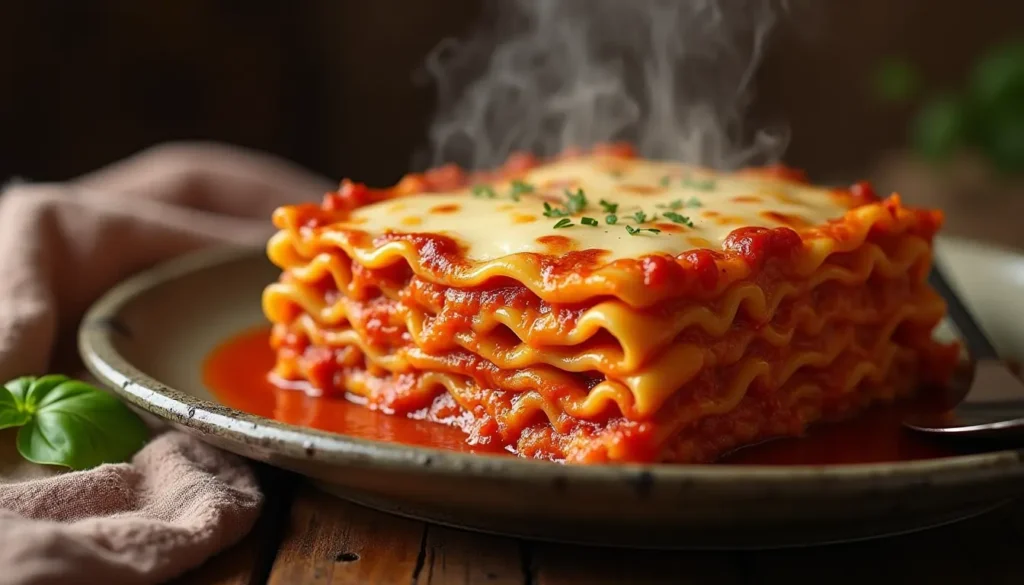
This cheesy, flavorful lasagna melts in your mouth with perfectly tender noodles, rich meat sauce, and three layers of creamy cheese that create the ultimate comfort food experience. Every bite delivers the perfect balance of savory sauce, gooey cheese, and delicate pasta that defines truly exceptional lasagna.
As a home cook for over 10 years, I’ve perfected this lasagna recipe through countless family dinners and special occasions. I’ve tested every variable—from noodle types to cheese combinations—to create a foolproof method that delivers restaurant-quality results every single time, even for complete beginners.
In this comprehensive guide, you’ll discover essential ingredient selection tips, detailed layering techniques for perfect structure, step-by-step baking instructions with precise timing, pro tips for avoiding common pitfalls, and answers to your most pressing lasagna recipe questions. Whether you’re making lasagna for the first time or the fiftieth, you’ll find everything needed to create an unforgettable dish that has everyone asking for seconds.
Table of Contents
Why This Lasagna Recipe Works
This lasagna recipe has earned its place as a beloved family favorite for three compelling reasons: incredible flavor, surprising convenience, and remarkable versatility.
Key Benefits:
- Uses affordable, easy-to-find ingredients for lasagna recipe – Every component is available at your local grocery store with no specialty items or expensive ingredients required. Ground beef, standard pasta sheets, canned tomatoes, and everyday cheeses create extraordinary results without breaking your budget or requiring multiple store trips.
- Prep in 15 minutes for maximum flavor and ease – While lasagna has a reputation for being time-consuming, this streamlined approach gets all your prep work done in just 15 minutes. The actual hands-on work is minimal, with the oven doing most of the heavy lifting while you relax or prepare other dishes.
- Perfect for weeknights or weekend family feasts – This recipe adapts beautifully to any occasion. Assemble it quickly on a Tuesday evening for a satisfying weeknight dinner, or prepare it ahead for Sunday gatherings and special celebrations. The impressive presentation makes it ideal for entertaining while remaining approachable enough for regular family meals.
The magic lies in how simple ingredients transform through proper technique and layering. The meat sauce simmers just long enough to develop deep flavor without requiring all-day cooking. The cheese mixture stays creamy and rich rather than dry or grainy. The noodles achieve that perfect tender texture without becoming mushy or tough.
Unlike complicated recipes that demand precision and experience, this version forgives minor variations while still delivering consistently delicious results. You’ll achieve success whether you’re a nervous beginner or a confident home chef.
Choosing the Right Lasagna Recipe Ingredients
Success with any lasagna recipe begins at the grocery store. The ingredients you select directly impact the final texture, flavor, and overall satisfaction of your dish.
Best Ingredients for lasagna recipe
Pasta sheets for perfect texture – Traditional lasagna noodles create the classic layered structure everyone loves. Regular lasagna noodles (not no-boil) provide the best texture when properly prepared—tender yet sturdy enough to support generous layers of sauce and cheese without collapsing. Each sheet measures approximately 2 inches wide by 10 inches long.
Look for noodles with slightly rippled edges, which help sauce cling better and create attractive presentation. Avoid extra-thin noodles, which tear easily during assembly, or extra-thick varieties, which can turn gummy.
Rich ricotta and mozzarella for creaminess – The cheese combination makes or breaks lasagna recipe. Whole milk ricotta provides luxurious creaminess without graininess. Part-skim ricotta works but yields slightly less rich results. For mozzarella, use low-moisture mozzarella (not fresh mozzarella), which melts beautifully without releasing excess water that creates soggy layers.
Freshly grated Parmesan adds sharp, nutty complexity that pre-grated varieties lack. The three-cheese combination creates layers of flavor and varied textures—creamy ricotta, stretchy mozzarella, and sharp Parmesan—that make every bite interesting.
Quality meat and tomatoes – Use 85/15 ground beef for optimal flavor without excessive grease, or combine beef with Italian sausage for extra seasoning and depth. For the sauce base, San Marzano tomatoes (or good-quality crushed tomatoes) provide sweet, rich tomato flavor without bitterness or excessive acidity.
Fresh garlic and onions form the aromatic foundation, while Italian herbs and spices build authentic flavor complexity.
Buying Tips
When shopping for your lasagna recipe ingredients, keep these guidelines in mind:
Look for high-quality pasta – Choose lasagna recipe noodles made from durum wheat semolina, which holds shape better during cooking and baking. Check that the package contains unbroken sheets—cracked noodles make assembly frustrating. Barilla, De Cecco, and store brands all work well.
Ask your grocer for fresh cheese – For the best ricotta, check the deli section for fresh options rather than the standard grocery aisle. Fresh ricotta has superior flavor and texture. If unavailable, select whole milk ricotta with simple ingredients: milk, whey, vinegar, and salt.
For mozzarella, block cheese you shred yourself melts more smoothly than pre-shredded options, which contain anti-caking agents that interfere with melting. Buy a 1-pound block and shred it at home using a box grater.
Select quality meat and produce – Choose ground beef with visible red color and white fat (not gray or brown). Fresh garlic cloves should be firm and plump without soft spots or sprouting. Select firm yellow onions with dry, papery skins.
Choose the right tomato products – Look for crushed tomatoes or tomato puree with short ingredient lists: tomatoes, salt, perhaps basil or citric acid. Avoid varieties with added seasonings, sugar, or excessive additives.
Substitutions
This lasagna recipe adapts easily to dietary needs and ingredient availability:
Cheese alternatives – Swap ricotta for cottage cheese (drain excess liquid and blend until smooth for best results). For dairy-free lasagna recipe, use cashew-based ricotta and plant-based mozzarella, though texture and flavor will differ from traditional versions.
Pasta alternatives – Gluten-free lasagna noodles work perfectly—follow package directions for cooking time. For low-carb options, replace noodles with thin zucchini slices, eggplant rounds, or cabbage leaves (see Flavor Variations section).
Protein variations – Ground turkey, chicken, or plant-based crumbles replace beef successfully. For vegetarian lasagna recipe, omit meat entirely and increase vegetables like mushrooms, spinach, zucchini, and bell peppers. Lentils provide meaty texture in vegetarian versions.
Sauce modifications – Make lasagna recipe with store-bought marinara sauce if time is tight, though homemade sauce provides superior flavor. Use any combination of crushed tomatoes, tomato sauce, or tomato puree based on availability.
Ingredients & Prep
Having everything measured and organized before you begin makes assembling this lasagna recipe smooth and enjoyable.
Lasagna Recipe Prep Essentials
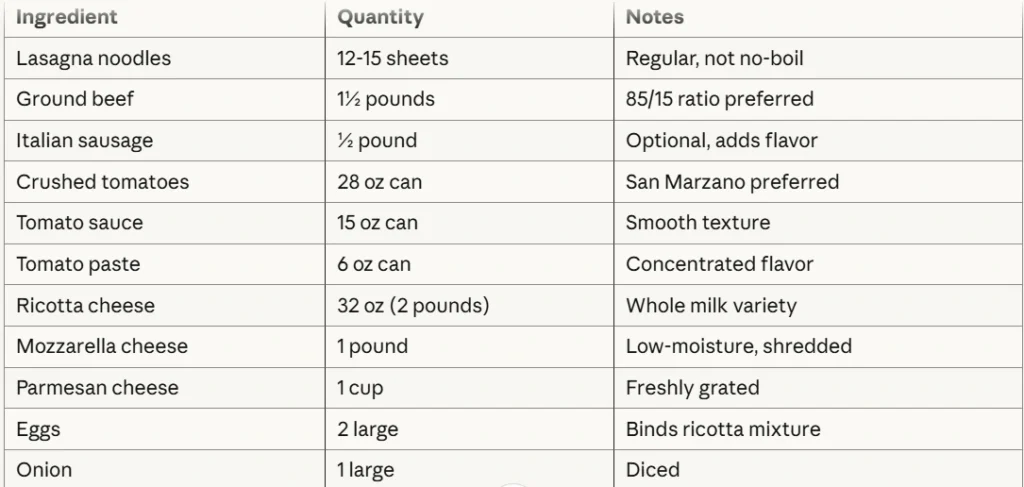
Main Ingredients Table:
Seasonings & Herbs
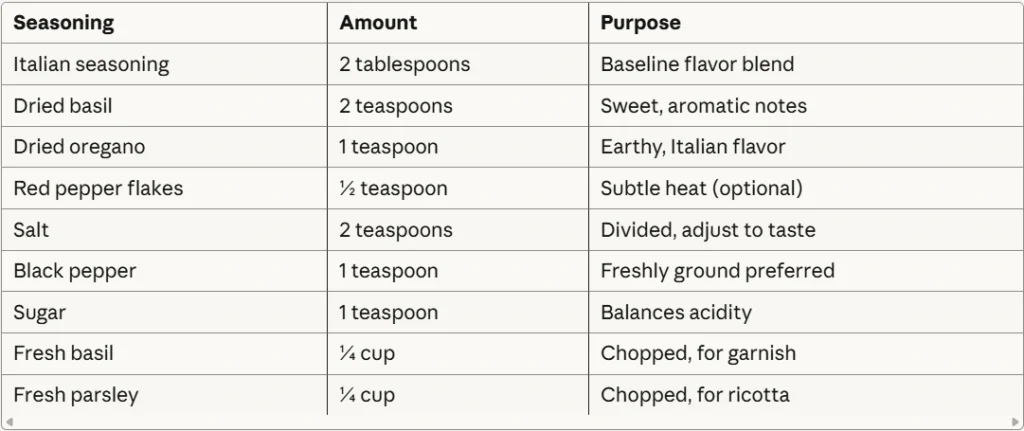
Spice & Herb Table:
Pantry Staples
Keep these essentials on hand for spontaneous lasagna recipe preparation:
- Olive oil (2 tablespoons)
- lasagna recipe noodles (always keep a box)
- Canned tomato products (crushed tomatoes, sauce, paste)
- Dried Italian herbs and spices
- Bay leaves (2 leaves for sauce)
- Red wine (½ cup, optional but enhances flavor)
Preparation Timeline:
- 10 minutes: Brown meat, start sauce simmering
- 5 minutes: Mix ricotta with eggs, herbs, and seasonings
- 8 minutes: Cook lasagna noodles, drain and cool
- 7 minutes: Assemble layers in baking dish
- Total prep time: 30 minutes before baking begins
Pre-cooking checklist:
- Bring large pot of salted water to boil for noodles
- Start meat sauce first so it can simmer while handling other tasks
- Mix ricotta filling while sauce simmers
- Grate all cheeses and organize in separate bowls
- Prepare 9×13-inch baking dish with light oil coating
Step-by-Step Cooking Instructions
Follow these detailed instructions for perfect lasagna recipe results every time.
Pre-Cooking Prep for lasagna recipe
Before assembling your lasagna recipe, complete these essential preparatory steps:
- Preheat oven to 375°F – Start this first so the oven reaches proper temperature by assembly time. Position the rack in the center of the oven for even heat distribution.
- Prepare the meat sauce (30 minutes total):
- Heat 2 tablespoons olive oil in a large pot or Dutch oven over medium-high heat
- Add ground beef and Italian sausage, breaking apart with a wooden spoon
- Cook for 8-10 minutes until no pink remains and meat develops brown bits
- Add diced onion and cook for 5 minutes until softened
- Stir in minced garlic and cook for 1 minute until fragrant
- Add tomato paste and cook for 2 minutes, stirring constantly
- Pour in crushed tomatoes, tomato sauce, Italian seasoning, basil, oregano, salt, pepper, sugar, and bay leaves
- Add red wine if using
- Bring to a boil, then reduce heat and simmer uncovered for 20 minutes, stirring occasionally
- Remove bay leaves and taste, adjusting seasonings as needed
- Cook lasagna noodles (10 minutes):
- Bring a large pot of heavily salted water to rolling boil (use 1 tablespoon salt per gallon)
- Add lasagna recipe noodles one at a time to prevent sticking
- Cook for 8-10 minutes until al dente (tender but still slightly firm)
- Drain and immediately rinse under cold water to stop cooking
- Lay noodles flat on a clean kitchen towel or oiled baking sheet to prevent sticking
- Prepare ricotta mixture (5 minutes):
- In a large bowl, combine ricotta cheese, 2 eggs, ½ cup grated Parmesan, chopped fresh parsley, ½ teaspoon salt, and ¼ teaspoon black pepper
- Mix thoroughly until smooth and well combined
- The eggs help the ricotta set properly during baking
- Organize assembly station:
- Lightly grease a 9×13-inch baking dish with olive oil or cooking spray
- Have cooked noodles, meat sauce, ricotta mixture, shredded mozzarella, and remaining Parmesan within easy reach
- Keep a spoon or spatula handy for spreading
Cooking Method lasagna recipe
Step 1: First layer (bottom foundation)
Spread 1½ cups meat sauce across the bottom of your prepared baking dish, creating an even layer. This prevents noodles from sticking to the pan and adds moisture to the bottom layer.
Arrange 4-5 lasagna recipe noodles over the sauce, overlapping edges slightly (about ½ inch). If noodles don’t fit perfectly, break pieces to fill gaps rather than leaving spaces.
Step 2: First cheese and sauce layer
Spread one-third of the ricotta mixture (about 1⅓ cups) over the noodles, using the back of a spoon to spread evenly to the edges. Dollops are fine—they’ll melt and spread during baking.
Sprinkle one-third of the shredded mozzarella (about 1⅓ cups) evenly over the ricotta.
Ladle 1½ cups meat sauce over the cheese layer, spreading gently to cover.
Step 3: Second layer (middle)
Place 4-5 more noodles over the sauce layer, perpendicular to the first layer if possible (this creates better structural integrity).
Spread another third of ricotta mixture over noodles.
Add another third of mozzarella cheese.
Top with 1½ cups meat sauce.
Step 4: Third layer (top)
Arrange final 4-5 noodles over the sauce.
Spread remaining ricotta mixture.
Add all remaining meat sauce, spreading to cover completely.
Top with remaining mozzarella and sprinkle with remaining Parmesan cheese (about ½ cup).
Step 5: Cover and bake
Cover the baking dish tightly with aluminum foil, making sure foil doesn’t touch the cheese (tent it slightly if needed to prevent sticking). This traps moisture and prevents the top from drying out.
Cooking Time & Temperature Table:

Doneness Check
Your lasagna recipe is perfectly cooked when:
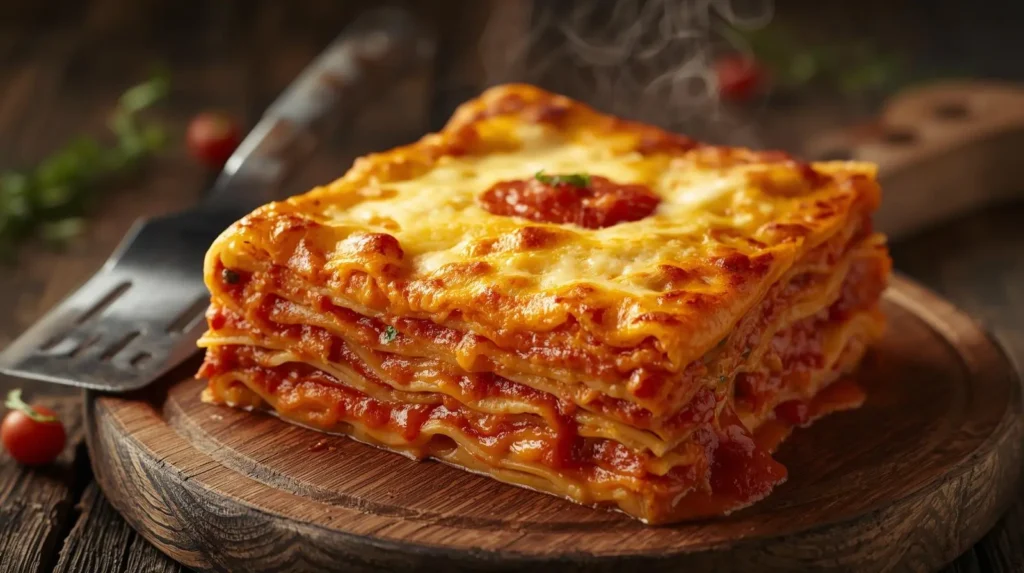
Bake until the top is golden and edges are slightly crisp – The cheese should show golden-brown spots across the surface, not just pale white. The edges should bubble vigorously and develop slight crispiness where sauce meets the pan sides.
Visual and texture indicators:
- Internal temperature reaches 165°F when tested with an instant-read thermometer in the center
- Edges bubble actively with small amounts of rendered fat pooling
- Cheese on top has melted completely with no white, unmelted spots
- A knife inserted in the center slides through easily with little resistance
- The lasagna recipehas pulled slightly away from the pan edges
Testing doneness: Insert a knife into the center and leave it for 5 seconds, then carefully touch the blade. It should feel hot, not just warm. If only warm, bake for 5-10 more minutes.
Look at the edges through the clear baking dish sides (if using glass). You should see the sauce bubbling and the layers clearly defined, not soupy or separated.
Resting
Let lasagna recipe cool for 10 minutes before slicing for neat layers. This resting period is absolutely essential and cannot be skipped.
During resting, several important things happen:
- The sauce thickens and sets as it cools slightly
- The cheese firms up, preventing layers from sliding apart
- Excess moisture redistributes evenly throughout the dish
- The layers meld together for easier cutting
Cover lasagna recipe loosely with foil during resting to keep it warm without trapping too much steam. After 10-15 minutes, the lasagna recipe will cut cleanly into neat squares that hold their shape beautifully on the plate.
For absolute best results, let lasagna recipe rest for 15-20 minutes. Though difficult to wait when it smells so amazing, the patience pays off with picture-perfect slices.
Pro Tips for Perfect Lasagna Recipe
Master these professional techniques to elevate your lasagna recipe from good to extraordinary.
Avoiding Soggy Layers
Nobody wants watery, soupy lasagna recipe that falls apart on the plate. Follow these critical strategies:
Don’t overboil noodles – Cook pasta only until al dente (tender with a slight bite), not soft and floppy. Overcooked noodles absorb excess moisture during baking and turn mushy. Remember, noodles continue cooking in the oven, so slightly undercooked pasta before assembly yields perfect texture after baking.
Test noodles 2 minutes before the package directions suggest. They should bend without breaking but still have noticeable resistance when bitten.
Use thicker sauce for layering – Watery sauce is the primary cause of soggy lasagna recipe. Your meat sauce should coat the back of a spoon and mound slightly when dropped from a spoon, not run immediately. If sauce seems thin after simmering:
- Continue cooking uncovered for 10-15 more minutes to reduce liquid
- Add 2-3 tablespoons tomato paste for thickness and concentrated flavor
- Avoid adding extra liquid or watery vegetables without compensating
Drain ingredients properly – If using frozen spinach or other vegetables, squeeze out all excess moisture using a clean kitchen towel or cheesecloth. Wet vegetables release water during baking, creating puddles in your lasagna recipe.
Drain cooked meat thoroughly, leaving just enough fat for flavor (1-2 tablespoons). Excess grease creates an oily, separated sauce.
Use low-moisture mozzarella – Fresh mozzarella contains excessive water that leaks during baking. Low-moisture mozzarella melts perfectly without adding liquid to your layers.
Don’t over-sauce – While sauce adds flavor and moisture, too much creates soup. Use approximately 1½ cups sauce per layer, spread evenly but not thickly.
Tool Recommendations
The right equipment makes preparing this lasagna recipe significantly easier and improves results:
Lasagna pan (9×13-inch) – A standard 9×13-inch baking dish with 2-3 inch sides provides perfect proportions. Glass dishes let you monitor browning on the sides, while metal pans conduct heat more efficiently for crispier edges. Either works beautifully.
Deep-dish lasagna recipe pans (3+ inches) accommodate extra layers but require longer baking times. Stick with standard depth for this recipe.
Large pot or Dutch oven – For making sauce and boiling noodles, you’ll need a 6-8 quart capacity pot. Heavy-bottomed pots prevent scorching during sauce simmering.
Oven thermometer – Accurate oven temperature is critical for proper cooking. Many ovens run 25-50°F off their displayed temperature. An inexpensive oven thermometer ensures you’re actually baking at 375°F.
Offset spatula – This angled spatula makes spreading ricotta mixture and sauce infinitely easier than regular spoons. The offset angle keeps your knuckles out of the food while providing leverage for smooth spreading.
Sharp chef’s knife – For clean slicing after baking, use a sharp knife rather than a dull one that tears layers apart. Wipe the blade clean between cuts for neat presentation.
Kitchen timer – Don’t rely on memory—set multiple timers for the covered and uncovered baking stages to prevent over-baking.
Additional helpful tools:
- Box grater for shredding cheese
- Wooden spoon for stirring sauce
- Colander for draining noodles
- Clean kitchen towels for laying out cooked noodles
Storage & Reheating
Freeze cooked lasagna recipe in portions for up to 3 months for ultimate convenience:
Refrigerator storage (3-5 days): Cool lasagna recipe completely before covering and refrigerating. Once cooled, cover tightly with plastic wrap or aluminum foil, or transfer to airtight containers. Lasagna actually tastes even better the next day as flavors continue melding.
Store whole lasagna recipe in the baking dish, or cut into portions and store in individual containers for grab-and-go meals.
Freezer storage (up to 3 months):
Freezing unbaked lasagna: Assemble completely but don’t bake. Cover tightly with plastic wrap, then aluminum foil. Label with date and baking instructions. Freeze for up to 3 months.
To bake from frozen: Remove plastic wrap, replace foil, and bake covered at 375°F for 60 minutes, then uncovered for 30 minutes, or until the center reaches 165°F.
Freezing baked lasagna: Bake, cool completely, then wrap tightly in plastic wrap and foil. Alternatively, cut into portions and wrap individually for single servings.
To reheat: Thaw overnight in refrigerator. Bake covered at 350°F for 30-40 minutes until heated through. Or microwave individual portions for 3-4 minutes.
Reheating guidelines:
Oven reheating (best texture):
- Cover with foil to prevent drying
- Bake at 350°F for 20-30 minutes for refrigerated lasagna recipe
- Add 2 tablespoons water or sauce around edges if lasagna seems dry
- Remove foil for the last 5 minutes to crisp the top
Microwave reheating (fastest method):
- Place portion on microwave-safe plate
- Cover with microwave-safe lid or damp paper towel
- Heat on 50% power for 3-4 minutes
- Let stand 1 minute before eating
- Add fresh Parmesan before serving to refresh flavor
Never reheat lasagna more than once for food safety reasons.
Flavor Variations
Transform your basic lasagna recipe into exciting new versions that accommodate different tastes and dietary preferences.
Spicy Twist
Add chili flakes or spicy sausage to bring heat and bold flavors:
- Replace half the ground beef with hot Italian sausage for built-in spice
- Stir 1-2 teaspoons crushed red pepper flakes into the meat sauce
- Add diced jalapeños or calabrian chili peppers to the sauce
- Use pepper jack cheese in place of half the mozzarella
- Include sliced pepperoncini between layers for tangy heat
- Finish with a drizzle of chili oil before serving
This spicy variation pairs beautifully with cooling sides like ranch dressing or a crisp cucumber salad to balance the heat.
Vegetarian/Keto Options
Use zucchini slices or eggplant instead of pasta for low-carb alternatives:
Vegetarian lasagna:
- Omit all meat from the sauce
- Sauté a mixture of diced mushrooms, bell peppers, zucchini, and spinach with garlic
- Add the sautéed vegetables to marinara sauce
- Layer exactly as written, replacing meat sauce with vegetable sauce
- Consider adding a layer of sautéed mushrooms for meaty texture
- Use vegetable broth if thinning sauce
Keto/low-carb lasagna:
- Slice 3-4 medium zucchinis lengthwise into ¼-inch planks
- Salt zucchini slices and let drain for 20 minutes, then pat dry
- Roast zucchini at 375°F for 10 minutes before using as “noodles”
- Use zucchini in place of pasta sheets, layering identically
- Alternative: Use thin eggplant slices, roasted until tender
- Reduce tomato products slightly (carbs) or use lower-carb marinara
The vegetable layers won’t be quite as sturdy as pasta but provide excellent flavor and texture while drastically reducing carbs.
Global Flavors
Mexican-style lasagna with beans and salsa:
Create a fusion dish that borrows from enchilada flavors:
- Replace marinara with enchilada sauce or salsa (red or green)
- Use seasoned ground beef with cumin, chili powder, and paprika
- Add black beans or pinto beans to the meat mixture
- Replace ricotta with refried beans mixed with sour cream
- Use pepper jack and cheddar cheese instead of mozzarella
- Add corn kernels between layers
- Top with sliced jalapeños, cilantro, and avocado before serving
- Serve with sour cream, guacamole, and lime wedges
Greek-style lasagna with spinach and feta:
Transform lasagna into a Mediterranean delight:
- Use ground lamb instead of beef (or 50/50 mixture)
- Add 2 cups sautéed spinach to the ricotta mixture
- Replace half the mozzarella with crumbled feta cheese
- Season sauce with oregano, cinnamon, and nutmeg (classic Greek flavors)
- Add artichoke hearts between layers
- Include sun-dried tomatoes in the sauce
- Top with Kalamata olives and fresh dill
- Serve with tzatziki sauce on the side
White lasagna (Lasagna Bianca):
Create a rich, creamy version without tomato sauce:
- Replace red sauce with béchamel (white sauce): melt 6 tablespoons butter, whisk in 6 tablespoons flour, slowly add 4 cups warm milk, season with nutmeg, salt, and pepper
- Use Italian sausage, chicken, or seafood for protein
- Add sautéed mushrooms, spinach, and caramelized onions
- Use fontina, Gruyère, or provolone along with mozzarella
- Layer: béchamel, noodles, ricotta, meat/vegetables, cheese, repeat
- Finish with extra Parmesan and fresh herbs
Seafood lasagna:
- Make white sauce base with butter, flour, milk, white wine
- Use combination of shrimp, scallops, and crab meat
- Add sautéed garlic, shallots, and fresh herbs
- Mix seafood with ricotta layer
- Use Gruyère and Parmesan instead of mozzarella
- Add a squeeze of lemon juice to the sauce
Serving Suggestions
Proper pairing and presentation transform your lasagna recipe from a simple dinner into a memorable dining experience.
Perfect side dish pairings:
Serve with garlic bread or Caesar salad for classic Italian meal combinations:
- Garlic bread – The ultimate lasagna companion. Brush Italian bread slices with butter mixed with minced garlic, parsley, and Parmesan. Toast until golden and crispy. The crunchy texture contrasts beautifully with soft lasagna layers, and the bread is perfect for soaking up any sauce on the plate.
- Caesar salad – Crisp romaine lettuce with creamy Caesar dressing, crunchy croutons, and Parmesan shavings provides refreshing contrast to rich, heavy lasagna. The cool, tangy salad cleanses your palate between bites.
- Simple green salad – Mixed greens with balsamic vinaigrette, cherry tomatoes, and shaved Parmesan offers a lighter alternative. Add cucumber, red onion, and olives for Mediterranean flair.
- Roasted vegetables – Brussels sprouts, broccoli, or green beans tossed with olive oil and roasted until caramelized add nutritious balance to the meal.
- Antipasto platter – Arrange marinated artichokes, olives, roasted red peppers, salami, prosciutto, and fresh mozzarella for an impressive starter that sets an Italian feast atmosphere.
- Caprese salad – Fresh mozzarella, ripe tomatoes, and basil with balsamic glaze celebrates simple Italian flavors.
Presentation tips:
Use a sharp knife to cut lasagna into neat squares or rectangles. Wipe the blade clean between cuts for professional presentation.
Serve on wide, shallow bowls or dinner plates that can accommodate any delicious sauce that spreads. Garnish each portion with:
- Fresh basil leaves (whole or chiffonade)
- Freshly grated Parmesan cheese
- A drizzle of quality olive oil
- Cracked black pepper
- Chopped fresh parsley
For family-style serving, present the whole lasagna in the baking dish at the table. The bubbling, golden-brown top makes an impressive centerpiece.
Beverage pairings:
Chianti or Merlot pairs well with lasagna recipe for sophisticated dinner parties:
Wine selections:
- Chianti – This medium-bodied Tuscan red with high acidity and cherry notes cuts through rich cheese and complements tomato sauce perfectly. The classic lasagna pairing.
- Merlot – Soft, fruity red with plum and chocolate notes provides smooth drinking without overwhelming the dish.
- Sangiovese – Bright, acidic red with cherry and herb flavors matches Italian cuisine naturally.
- Barbera – Italian red with low tannins and high acidity balances rich, cheesy layers.
- Montepulciano d’Abruzzo – Robust red with dark fruit flavors stands up to hearty meat sauce.
Beer pairings:
- Italian lagers – Peroni or Moretti provide crisp, refreshing contrast
- Amber ales – Malty sweetness complements tomato sauce
- Brown ales – Nutty, caramel notes enhance cheese flavors
Non-alcoholic options:
- Sparkling water with lemon – Cleanses palate between rich bites
- Iced tea – Unsweetened or lightly sweetened
- Italian sodas – Fruit-flavored sparkling beverages (Aranciata, Limonata)
- Lemonade – Fresh-squeezed provides refreshing contrast
Portion sizes: This recipe yields 12 generous servings (3×4 grid of squares). For hearty appetites or when serving fewer sides, plan on 8-10 servings. Lasagna is filling, so start with modest portions—guests can always request seconds.
FAQs
Can I use no-boil noodles?
Yes, no-boil (also called oven-ready) lasagna noodles work perfectly in this recipe with one important modification: add extra sauce.
Using no-boil noodles:
No-boil noodles absorb moisture from the sauce during baking as they cook, which means you’ll need about 1 cup additional sauce to compensate. Make 1½ times the sauce recipe, or thin your sauce with ½ cup water or broth.
Layer no-boil noodles directly without any pre-cooking. Make sure every noodle is completely covered with sauce—any exposed edges will bake hard and crunchy. The top layer especially needs generous sauce coverage.
Increase covered baking time by 5-10 minutes (30-35 minutes covered) to ensure noodles cook through completely. Test by inserting a knife through the center—it should slide through easily without hitting hard pasta.
Pros of no-boil noodles:
- Saves 10-15 minutes of prep time
- No messy pot of boiling water
- Fewer dishes to clean
Cons of no-boil noodles:
- Requires more sauce
- Slightly different texture (can be a bit denser)
- Less control over doneness
Regular noodles provide better texture and are more forgiving, but no-boil noodles deliver convenience that many busy cooks appreciate.
How do I prevent watery layers?
Watery lasagna results from several common mistakes, all easily avoided:
Sauce too thin – The primary culprit. Your meat sauce must be thick enough to coat a spoon and mound slightly. If sauce is thin or runny:
- Simmer uncovered for 15-20 additional minutes to reduce liquid
- Add 2-3 tablespoons tomato paste for quick thickening
- Avoid adding extra liquid, watery vegetables, or excess wine
Vegetables not drained – Frozen spinach, mushrooms, and zucchini release significant water during baking. Squeeze vegetables thoroughly in a clean kitchen towel to remove all excess moisture before adding to your layers.
Fresh mozzarella instead of low-moisture – Fresh mozzarella contains excessive water. Always use low-moisture mozzarella for lasagna.
Noodles too wet – After boiling, drain pasta thoroughly and lay flat on towels. Wet noodles add unnecessary moisture.
Skipping resting time – Cutting immediately releases liquid that would otherwise reabsorb. Always rest 10-15 minutes before slicing.
Over-saucing – Use approximately 1½ cups sauce per layer. More sauce doesn’t mean better flavor—it means soupy lasagna.
Thawing frozen lasagna improperly – If baking frozen lasagna, drain any accumulated liquid before baking, and consider baking on a rimmed baking sheet to catch drips.
Is this recipe freezer-friendly?
Yes, this lasagna recipe freezes exceptionally well anRetry
T
ContinueEdit
d provides excellent make-ahead convenience for busy schedules:
Freezing unbaked lasagna (recommended method):
This approach yields the best texture and freshest taste:
- Assemble lasagna completely in a freezer-safe, oven-safe dish (or use a disposable aluminum pan)
- Cover tightly with plastic wrap, pressing directly onto the surface
- Add a layer of heavy-duty aluminum foil over the plastic wrap
- Label with date, baking instructions, and “bake from frozen”
- Freeze for up to 3 months
Baking from frozen:
- Remove plastic wrap, keep foil cover in place
- Bake covered at 375°F for 60-75 minutes
- Remove foil and bake uncovered for 25-30 minutes until golden and bubbly
- Internal temperature should reach 165°F in the center
- Add 10-15 minutes to resting time for frozen lasagna
- Total baking time: approximately 90-105 minutes
Freezing baked lasagna:
If you prefer to freeze fully cooked lasagna:
- Bake completely and cool to room temperature
- Cut into portions or leave whole, depending on preference
- Wrap tightly in plastic wrap, then aluminum foil
- Label with date and reheating instructions
- Freeze for up to 3 months
Reheating baked frozen lasagna:
- Thaw overnight in refrigerator for best results
- Bake covered at 350°F for 30-45 minutes until heated through
- Or microwave individual portions for 4-5 minutes on 50% power
Freezing tips for best results:
- Use heavy-duty foil to prevent freezer burn
- Consider freezing in portion-sized pieces for quicker reheating
- Write baking temperature and time on the label for easy reference
- Don’t freeze lasagna with fresh garnishes (add these after reheating)
- Frozen lasagna maintains quality for 3 months but remains safe longer
Thawing guidelines:
- Refrigerator thawing (safest): 24-36 hours before baking
- Never thaw at room temperature (food safety risk)
- Can bake directly from frozen with extended cooking time
The convenience of freezer-friendly lasagna means you can double the recipe, enjoy one immediately, and freeze the second for a future effortless dinner.
Why is my lasagna falling apart when I slice it?
Lasagna falls apart for several fixable reasons:
Insufficient resting time – The most common mistake. Hot lasagna is liquid and unstable. The 10-15 minute resting period allows the sauce to thicken, cheese to set, and layers to bond together. For absolute best slicing, rest for 20 minutes or even refrigerate overnight and reheat portions.
Too much sauce – Excessive sauce between layers creates slippery surfaces that slide apart. Use the recommended 1½ cups sauce per layer, spread evenly but not thickly.
Wrong cheese ratio – The ricotta mixture needs eggs to bind properly. Don’t skip the 2 eggs in the ricotta filling—they act as a binder that sets during baking.
Undercooked – If the internal temperature doesn’t reach 165°F, the eggs in the ricotta won’t set properly, and the structure remains loose.
Cutting with dull knife – A sharp knife makes clean cuts, while a dull knife tears and pulls layers apart. Wipe the blade between cuts for neat slices.
Serving too hot – Let portions sit on the plate for 1-2 minutes before eating. This final settling helps maintain structure.
Can I make lasagna ahead of time?
Absolutely! Lasagna is one of the best make-ahead dishes:
Assemble and refrigerate (1-2 days ahead):
- Prepare lasagna completely but don’t bake
- Cover tightly with plastic wrap or foil
- Refrigerate for up to 2 days (no longer for food safety)
- Remove from refrigerator 30 minutes before baking to take the chill off
- Bake as directed, adding 5-10 extra minutes to account for cold start
Bake, refrigerate, and reheat (3-4 days ahead):
- Bake completely and cool
- Cover and refrigerate for up to 4 days
- Reheat covered at 350°F for 25-35 minutes
- This method actually enhances flavor as ingredients meld
Make sauce ahead:
- Prepare meat sauce up to 4 days in advance
- Store in airtight container in refrigerator
- Or freeze sauce for up to 3 months
- Assemble lasagna when ready to bake
Making lasagna ahead actually improves the flavor as the seasonings have more time to develop and permeate throughout the dish. This makes it perfect for entertaining—do the work ahead and simply bake before guests arrive.
How do I get perfectly straight, neat layers?
Achieving those beautiful, Instagram-worthy layers takes just a few simple techniques:
Use proper pan size – A 9×13-inch pan creates ideal proportions. Too large a pan makes layers thin and difficult to stack neatly.
Trim noodles to fit – Use kitchen scissors to trim cooked noodles so they fit your pan perfectly without overlapping excessively or leaving gaps.
Spread ingredients evenly – Take time to spread ricotta, sauce, and cheese all the way to the edges in even layers. An offset spatula helps immensely.
Don’t overfill layers – Moderate amounts of each ingredient stack better than excessive portions that squish out the sides.
Let layers set – Press gently on each layer before adding the next to help it settle.
Use a ruler for cutting – Mark cutting lines with a knife tip before making full cuts. Standard servings are 3 inches by 4 inches.
Sharp knife, clean cuts – Make one decisive cut rather than sawing. Wipe blade between cuts.
Conclusion
This best lasagna recipe delivers soft, cheesy, flavorful results that satisfy every craving for authentic Italian comfort food. With perfectly tender noodles, rich meat sauce, and three types of cheese creating irresistible layers, it captures everything that makes lasagna a timeless favorite while remaining approachable enough for cooks of any skill level.
Preheat your oven and try this lasagna recipe tonight! Whether you’re feeding hungry teenagers, impressing dinner guests, or simply treating your family to something special, this recipe creates the kind of memorable meal that has everyone gathering around the table with anticipation.
The beauty of mastering this lasagna recipe extends far beyond one delicious dinner. Make it on Sunday and enjoy leftovers throughout the week. Double the recipe and freeze one for those nights when cooking feels impossible. Experiment with the variations to discover new favorite combinations that keep meals exciting.
Join 5,000+ home cooks who’ve loved this recipe! Families worldwide have made this their go-to lasagna method, consistently praising how it delivers restaurant-quality results without requiring professional skills or all-day cooking. The rave reviews highlight perfectly balanced flavors, ideal texture, and foolproof technique that works every single time.
Once you master this foundational recipe, expand your Italian cooking repertoire with complementary dishes. Try our Homemade Alfredo Sauce Guide next for creating another classic sauce that pairs beautifully with pasta, chicken, or vegetables. Your confidence in the kitchen will soar as you build a collection of reliable, delicious recipes.
Don’t forget to save this recipe for future reference and share it with friends who appreciate good food made with love. One bite of this soft, cheesy lasagna with its golden-brown top and perfectly layered interior, and you’ll understand why generations of families have cherished this dish as the ultimate comfort food.
The satisfaction of pulling a bubbling, fragrant lasagna from your oven—knowing you created it from scratch with your own hands—never gets old. Start gathering your ingredients now, and in just a couple of hours, you’ll be serving a masterpiece that earns you a permanent spot as the family’s lasagna expert.
How did you find results our recipes
There are no reviews yet. Be the first one to write one.

