Introduction
Tired of spending money on premium Strip Steak Recipes only to end up with tough, chewy meat that’s either gray and overcooked or unevenly seared? You’re not alone. Strip steak, also known as New York strip, is one of the most popular cuts at steakhouses, yet home cooks often struggle to replicate that restaurant-quality tenderness and flavor.
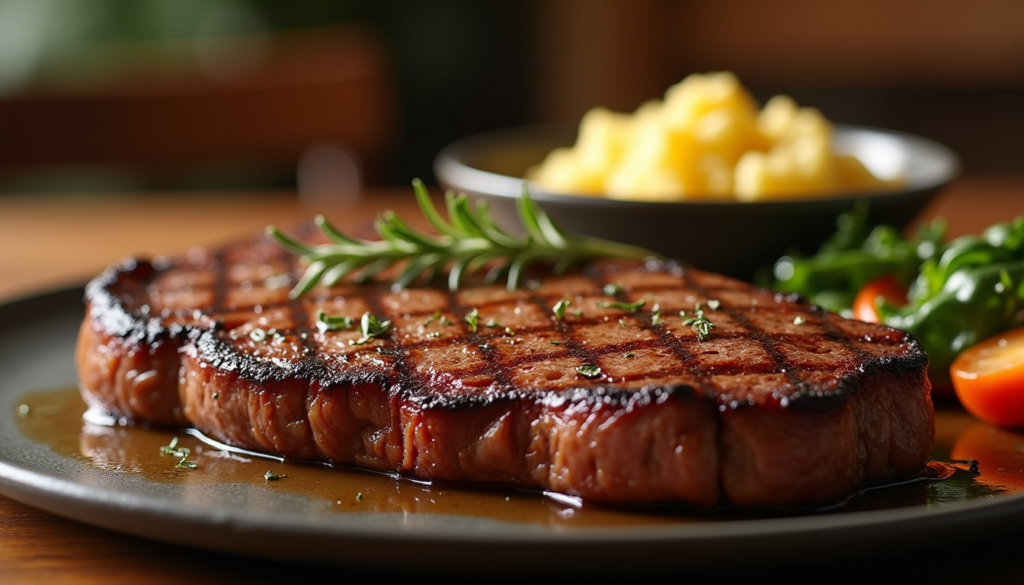
Here’s the promise: These strip steak recipes will deliver melt-in-your-mouth results with a perfectly caramelized crust and juicy, pink center every single time. Whether you’re grilling outdoors or cooking indoors on a cast-iron skillet, you’ll achieve steakhouse-quality results in your own kitchen.
As someone who’s cooked hundreds of Strip Steak Recipes over the past decade, testing different techniques from reverse searing to sous vide, I’ve learned exactly what separates mediocre steaks from exceptional ones. The secret isn’t just about heat—it’s about understanding your meat, proper seasoning, and mastering a few crucial techniques that most recipes overlook.
In this comprehensive guide, you’ll discover how to select the perfect strip steak, learn multiple cooking methods for different occasions, master timing and temperature for your preferred doneness, and explore flavor variations from classic steakhouse butter to international marinades. Plus, I’ll share pro tips that will transform your cooking and answer the most common questions that trip up home cooks.
Table of Contents
Why These Strip Steak Recipes Work
Strip steak is the perfect canvas for both simple and sophisticated preparations. Here’s why these recipes consistently deliver outstanding results:
- Naturally tender and flavorful cut: Strip steak comes from the short loin, a muscle that doesn’t get much exercise, resulting in inherent tenderness with just enough marbling to keep it juicy without being overly fatty
- Quick cooking time perfect for busy weeknights: Most Strip Steak Recipes cook in under 15 minutes total, making them ideal when you want an impressive dinner without spending hours in the kitchen
- Versatile cooking methods: Whether you prefer grilling, pan-searing, broiling, or sous vide, strip steak adapts beautifully to any technique and equipment you have available
- Forgiving for beginners yet sophisticated enough for experts: The thickness and marbling of strip steak provide a generous window for achieving perfect doneness, while still offering opportunities to showcase advanced techniques
- Affordable luxury: Compared to ribeye or filet mignon, strip steak offers exceptional flavor and tenderness at a more reasonable price point, typically ranging from $12-20 per pound
- Minimal ingredients required: A quality strip steak needs little more than salt, pepper, and high heat to shine, though it also welcomes bold seasonings and compound butters
Choosing the Right Strip Steak
The quality of your final dish starts at the butcher counter. Here’s everything you need to know about selecting the perfect strip steak.
Best Cuts and Grades for Strip Steak Recipes
Strip steak goes by several names depending on region: New York strip, Kansas City strip, or simply strip steak. When shopping, look for USDA grading and specific characteristics that indicate quality.
USDA Prime represents the highest grade with abundant marbling throughout the meat. These steaks deliver maximum flavor and tenderness but come at a premium price, typically found at specialty butchers or high-end grocery stores.
USDA Choice offers excellent quality with moderate marbling at a more accessible price point. This grade represents the sweet spot for most home cooks, providing great flavor without breaking the budget.
USDA Select contains less marbling and tends toward leaner meat. While more affordable, these steaks require careful cooking to avoid dryness and benefit from marinades or tenderizing techniques.
For thickness, always choose steaks at least one inch thick, though one and a quarter to one and a half inches is ideal. Thinner steaks overcook too quickly, making it nearly impossible to achieve a proper crust without overcooking the interior.
Buying Tips for Quality Strip Steak
Color matters significantly. Look for bright cherry-red meat with creamy white fat. Avoid steaks with brown or gray patches, which indicate oxidation and age. The fat should be pure white or slightly cream-colored, never yellow, which suggests older meat or grain-finished beef.
Marbling inspection requires looking for thin white lines of intramuscular fat distributed throughout the red meat. More marbling generally means more flavor and juiciness. The fat should be evenly distributed rather than concentrated in large pockets.
Dry-aged versus wet-aged presents different flavor profiles. Dry-aged Strip Steak Recipes offer concentrated, nutty, almost funky flavors with a tender texture, aged for 21 to 45 days in controlled environments. Wet-aged steaks, aged in vacuum-sealed bags, develop milder flavor but retain more moisture. Most grocery store steaks are wet-aged.
Ask your butcher to cut steaks to your preferred thickness if you don’t see suitable options in the case. Professional butchers can also provide information about the source, aging process, and best preparation methods for their specific cuts.
Bone-in versus boneless affects cooking time and presentation. Bone-in strip steaks (shell steaks) take slightly longer to cook but some believe the bone adds flavor. Boneless strips cook more evenly and are easier to slice.
Substitutions and Alternatives
If strip steak isn’t available or you’re looking for variety, several cuts work similarly in these recipes with minor adjustments.
Ribeye offers more marbling and fat, delivering richer flavor with a more tender texture. Use the same cooking methods but expect slightly faster cooking due to higher fat content that conducts heat efficiently.
Sirloin steak provides a leaner, more affordable option with good beefy flavor. Since sirloin is less tender than strip, consider marinating for at least two hours or using tenderizing techniques.
Top loin or shell steak is essentially the same cut as strip steak, just under different names in various regions. Cook exactly as you would strip steak with no modifications needed.
Flank or skirt steak requires completely different cooking approaches. These thinner, more fibrous cuts benefit from high-heat, quick cooking and slicing against the grain, best suited for fajitas or stir-fries rather than thick steak preparations.
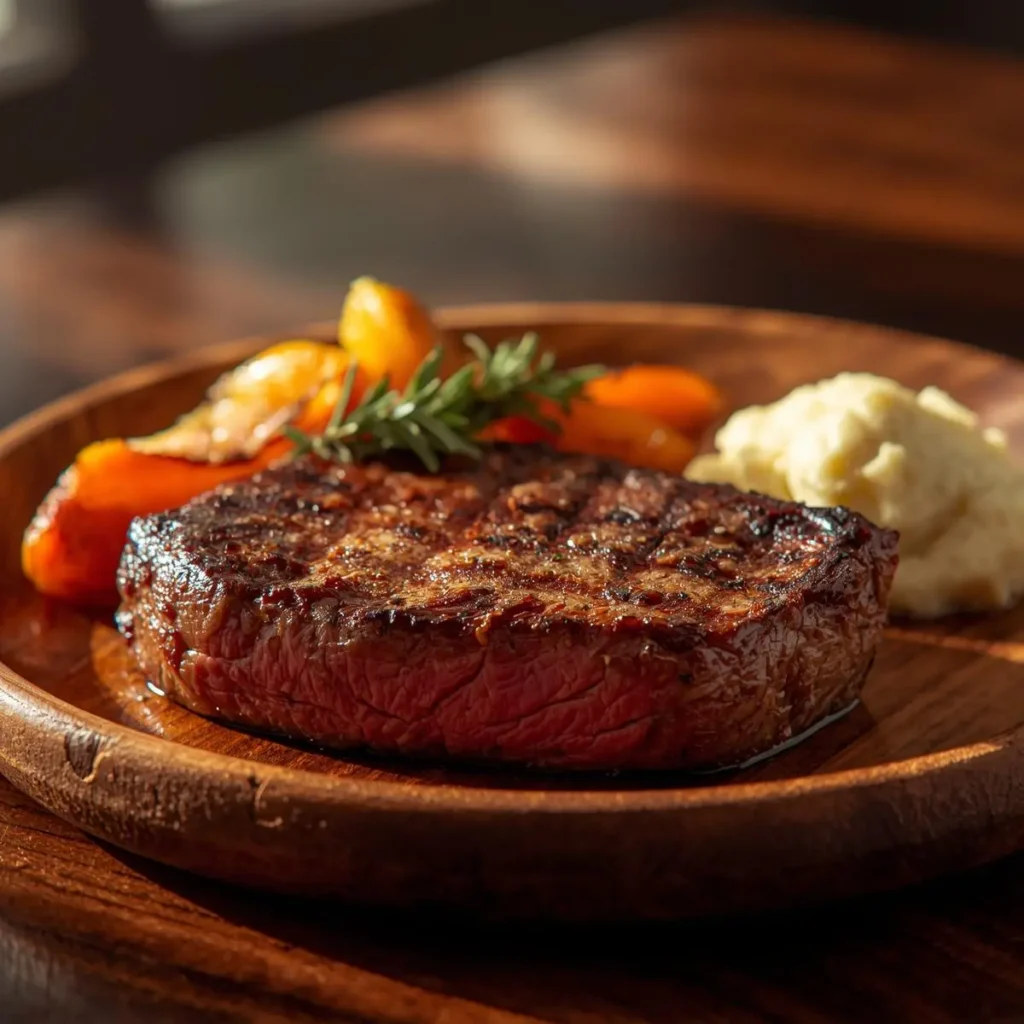
Ingredients & Prep
Proper preparation sets the foundation for exceptional strip steak. Here’s what you need and how to prep your meat for success.
Strip Steak Prep Essentials
Remove steaks from refrigeration 30 to 45 minutes before cooking. Allowing meat to come to room temperature ensures even cooking from edge to center. Cold steaks develop overcooked outer layers while the center remains undercooked.
Pat completely dry using paper towels, pressing firmly to remove all surface moisture. Wet meat steams rather than sears, preventing the coveted caramelized crust. This step is absolutely non-negotiable for proper browning.
Trim excessive fat caps if present, leaving about a quarter inch of fat for flavor and moisture. Remove any silver skin, the thin, silvery membrane that doesn’t render during cooking and becomes chewy.
Score fat edges with shallow cuts every inch or so if your steak has a thick fat cap along one side. This prevents the steak from curling during cooking and helps fat render properly.
Season generously at least 40 minutes before cooking, or immediately before if you’re short on time. For the dry-brine method, season with coarse salt 40 minutes to overnight before cooking, then add pepper just before cooking since pepper can burn.
Classic Seasonings and Marinades
Simple Salt and Pepper remains the gold standard for strip steak, allowing the natural beef flavor to shine. Use coarse kosher salt or sea salt and freshly cracked black pepper, applying more generously than seems reasonable. A proper crust requires bold seasoning.
Garlic-Herb Butter Compound:
- Eight tablespoons softened unsalted butter
- Four cloves minced garlic
- Two tablespoons mixed fresh herbs like thyme, rosemary, and parsley
- Half teaspoon salt
- Quarter teaspoon black pepper Mix thoroughly and refrigerate. Top hot steaks with a tablespoon for the last minute of cooking or serve alongside.
Classic Steakhouse Marinade (for Choice or Select grades):
- Quarter cup olive oil
- Three tablespoons Worcestershire sauce
- Two tablespoons soy sauce
- Four cloves minced garlic
- One tablespoon Dijon mustard
- One teaspoon black pepper Marinate for two to four hours, no longer or the acid breaks down the texture excessively.
Coffee-Spice Rub for bold flavor:
- Two tablespoons finely ground coffee
- One tablespoon brown sugar
- One tablespoon smoked paprika
- Two teaspoons kosher salt
- One teaspoon black pepper
- One teaspoon garlic powder
- Half teaspoon cayenne pepper Apply rub 30 minutes before cooking, pressing it firmly into the meat.
Pantry Staples and Equipment
Essential oils and fats include neutral high-smoke-point oils like avocado oil or refined peanut oil for searing, with smoke points above 400°F. Keep unsalted butter on hand for basting and finishing.
Acid components like balsamic vinegar, red wine, or lemon juice help tenderize meat and build flavor complexity in marinades and pan sauces.
Must-have equipment includes a reliable instant-read meat thermometer for precise doneness, a heavy cast-iron skillet or stainless steel pan that retains heat well, long-handled tongs for flipping without piercing the meat, and a wire cooling rack for resting that allows air circulation.
Optional but valuable tools include a sous vide immersion circulator for foolproof precision cooking, a kitchen torch for finishing crust, and a grill with high BTU output for proper searing temperatures.
Step-by-Step Cooking Instructions
Master the classic pan-seared strip steak method first, then explore variations. This technique works year-round regardless of weather.
Pre-Cooking Prep
Begin by ensuring your strip steaks are completely dry and at room temperature as described in the prep section. Season generously on both sides with kosher salt and freshly cracked black pepper, using about three-quarters of a teaspoon of salt per pound of meat.
Preheat your cast-iron skillet or heavy stainless steel pan over medium-high heat for five full minutes. The pan must be screaming hot to create proper Maillard reaction browning. Test readiness by flicking a drop of water onto the surface—it should instantly evaporate with a sizzle.
Have all your tools ready and within reach: tongs, meat thermometer, timer, a plate for resting, and butter for basting if using. Once you start cooking, there’s no time to search for equipment.
Perfect Pan-Seared Strip Steak Method
Searing phase: Add one tablespoon of high-smoke-point oil to the screaming hot pan, swirling to coat. Immediately lay the steak away from you to avoid oil splatter. Do not move, press, or flip the steak for three to four minutes. You’re building a deep brown crust.
First flip: After three to four minutes, the steak should release easily from the pan. If it sticks, give it another 30 seconds. Flip once using tongs (never a fork, which pierces the meat and releases juices). Sear the second side for another three to four minutes for medium-rare on a one-inch steak.
Butter basting technique: During the last two minutes of cooking, add two tablespoons of butter, three smashed garlic cloves, and fresh thyme sprigs to the pan. Tilt the pan slightly and use a spoon to continuously baste the steak with the foaming butter. This adds incredible flavor and helps cook the top surface.
Check doneness: Insert an instant-read thermometer into the thickest part of the steak horizontally. Remove from heat when it reads five degrees below your target temperature since carryover cooking will continue during resting.
Temperature Guide for Doneness
Understanding internal temperatures ensures perfect results every time. Remember to remove steaks five degrees before these targets.
Rare reaches 120 to 125°F with a cool red center, very soft texture, and abundant juices. This doneness is not recommended for strip steak as the fat hasn’t rendered sufficiently.
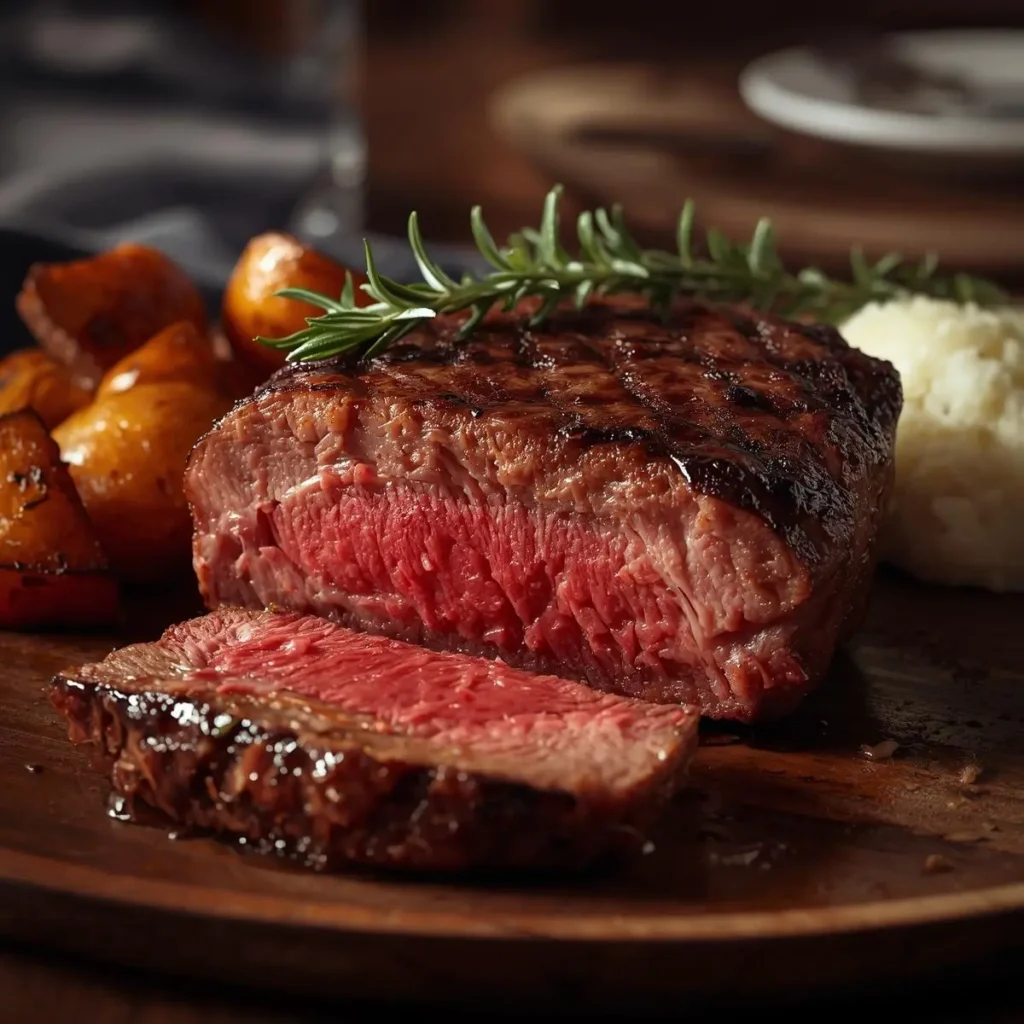
Medium-rare hits 130 to 135°F with a warm red center, yielding texture, and optimal juice retention. This is the recommended doneness for strip steak, where flavor and tenderness peak.
Medium reaches 135 to 145°F with a warm pink center, firmer texture, and slightly less juice. Still excellent for strip steak, especially for those who prefer less red meat.
Medium-well measures 145 to 155°F with a slight pink center, firm texture, and noticeably less moisture. The upper limits of acceptability for quality strip steak.
Well-done exceeds 155°F with no pink remaining, very firm texture, and significantly reduced juiciness. Not recommended for premium strip steaks as it masks the quality you paid for.
Critical Resting Period
Transfer the cooked steak to a wire rack set over a plate or cutting board. Avoid resting directly on a surface where the bottom stays in contact with accumulated juices, which can make the crust soggy.
Rest for five to eight minutes for standard cuts, or up to 10 minutes for extra-thick steaks over one and a half inches. During this time, the internal temperature rises five degrees through carryover cooking while muscle fibers relax and reabsorb juices that were driven toward the center by heat.
Tent loosely with foil if desired, though I prefer leaving it uncovered to preserve the crust texture. Use the resting time to prepare any pan sauce with the drippings left in your skillet.
After resting, slice against the grain at a slight angle for maximum tenderness and visual appeal. Serve immediately while still hot.
Pro Tips for Perfect Strip Steak
These expert techniques separate good steaks from extraordinary ones.
Avoiding Common Mistakes
Never overcrowd your pan, which drops the temperature dramatically and causes steaming instead of searing. Cook no more than two steaks in a 12-inch pan, leaving at least two inches between them. For multiple steaks, work in batches or use multiple pans.
Don’t flip repeatedly. The constant flipping method works for some cuts but not for building a proper crust on strip steak. One flip for standard thickness, two flips maximum for extra-thick cuts over two inches.
Avoid pressing down on the steak with your spatula or tongs. This squeezes out precious juices and prevents proper crust formation by increasing contact with liquid.
Don’t cut into the steak to check doneness. Every cut releases juice and drops the internal temperature, making it impossible to gauge accurately. Invest in a quality instant-read thermometer.
Skip the non-stick pan entirely for steaks. These pans can’t handle the high heat required for proper searing and won’t develop the fond (browned bits) needed for pan sauces.
Advanced Techniques for Next-Level Results
Reverse searing works exceptionally well for thick strip steaks over one and a half inches. Place seasoned steaks on a wire rack over a baking sheet and cook in a 225°F oven until they reach 115°F internally (about 25 to 35 minutes). Then sear in a screaming hot pan for 60 to 90 seconds per side. This method provides unmatched edge-to-edge consistency.
Sous vide perfection eliminates all guesswork. Seal seasoned steaks in bags and cook in a 129°F water bath for two hours for medium-rare. Remove, pat bone dry, then sear in a blazing hot pan or with a kitchen torch for 45 seconds per side. Every single bite will be perfectly cooked.
Dry-brining overnight intensifies flavor and improves texture. Season steaks with salt 12 to 24 hours before cooking, leaving them uncovered in the refrigerator. The salt draws out moisture initially, then the meat reabsorbs it along with the salt, seasoning throughout while the surface dries for better crust formation.
Basting with aromatics elevates the flavor profile. Add butter, garlic, thyme, and rosemary to the pan during the final two minutes, tilting the pan and spooning the aromatic butter over the steak repeatedly.
Tool Recommendations for Success
Essential instant-read thermometer: The Thermapen ONE or ThermoPro TP19 provides readings in two to three seconds, allowing you to check temperature without leaving the probe in and overcooking. This single tool will transform your steak cooking.
Heavy-duty cast-iron skillet: Lodge or Le Creuset cast iron retains heat better than any other cookware, maintaining temperature when cold steak hits the surface. A 12-inch pan handles two steaks comfortably.
Proper ventilation: Use your exhaust fan on high or open windows. Proper searing creates significant smoke, which is normal and necessary for the best results.
Wire resting rack: Allows air circulation underneath the steak during resting, preventing the bottom crust from becoming soggy in accumulated juices.
Storage and Reheating Guidelines
Refrigerator storage: Wrap cooked strip steak tightly in plastic wrap or place in an airtight container for up to four days. Let the steak cool to room temperature before refrigerating to prevent condensation.
Freezing cooked steak: While not ideal, you can freeze cooked strip steak for up to three months. Wrap tightly in plastic wrap, then aluminum foil, pressing out air pockets. Thaw overnight in the refrigerator before reheating.
Best reheating method: Preheat oven to 250°F. Place steak on a wire rack over a baking sheet and warm until the internal temperature reaches 110°F (about 20 to 30 minutes depending on thickness). This gentle reheating prevents overcooking the exterior. For extra insurance, reverse-sear in a hot pan for 30 seconds per side after warming.
Avoid microwaving, which cooks unevenly and creates rubbery texture. If you must microwave, use 50% power in 30-second intervals, checking frequently.
Flavor Variations
Once you’ve mastered the classic preparation, explore these exciting variations that showcase strip steak‘s versatility.
Bold and Spicy Options
Cajun-Blackened Strip Steak brings Louisiana heat. Combine two tablespoons paprika, one tablespoon cayenne pepper, one tablespoon garlic powder, two teaspoons onion powder, two teaspoons dried oregano, two teaspoons dried thyme, one tablespoon black pepper, and one tablespoon salt. Press the rub generously onto both sides and cook in a screaming hot cast-iron skillet, accepting that some spices will char (that’s the blackening).
Chipotle-Coffee Crusted Steak merges smoky and earthy notes. Mix two tablespoons ground coffee, one tablespoon brown sugar, one tablespoon ancho chili powder, two teaspoons ground chipotle, one teaspoon cocoa powder, two teaspoons salt, and one teaspoon black pepper. The coffee and cocoa create complexity without tasting like either ingredient.
Szechuan Peppercorn Strip Steak delivers numbing heat. Toast two tablespoons Szechuan peppercorns until fragrant, grind coarsely, and mix with one tablespoon crushed red pepper flakes, two teaspoons salt, and one teaspoon sugar. Press onto steaks before cooking and serve sliced over garlic-sesame noodles.
Low-Carb and Keto-Friendly Preparations
Classic Béarnaise Strip Steak offers rich, herbaceous flavor without carbs. Top your perfectly cooked steak with traditional béarnaise sauce made from egg yolks, butter, white wine vinegar, shallots, tarragon, and chervil. The creamy, tangy sauce complements the beef beautifully.
Blue Cheese-Crusted Steak provides intense, funky flavors. After searing both sides, top the steak with a mixture of crumbled blue cheese, softened butter, and minced fresh thyme. Finish under the broiler for two minutes until the cheese melts and browns slightly.
Garlic-Rosemary Butter Board Steak keeps it simple. Serve sliced strip steak over a board spread with roasted garlic-rosemary compound butter, allowing each slice to drag through the butter as you eat. Pair with roasted low-carb vegetables like asparagus or Brussels sprouts.
International Flavor Profiles
Korean Gochujang-Glazed Strip Steak brings sweet-spicy umami. Whisk together three tablespoons gochujang (Korean chili paste), two tablespoons soy sauce, one tablespoon honey, one tablespoon rice vinegar, two cloves minced garlic, one teaspoon sesame oil, and one teaspoon grated ginger. Marinate steaks for two to four hours, then grill or pan-sear, brushing with additional glaze during the last minute.
Argentinian Chimichurri Strip Steak celebrates fresh herbs. Pulse one cup packed fresh parsley, quarter cup fresh oregano, four garlic cloves, half cup olive oil, two tablespoons red wine vinegar, one teaspoon red pepper flakes, and salt to taste in a food processor. Serve the vibrant green sauce over simply grilled strip steak.
French Bistro Steak au Poivre showcases cracked black pepper. Press two tablespoons coarsely cracked black peppercorns into both sides of the steak before cooking. After cooking, deglaze the pan with quarter cup cognac or brandy (carefully, as it may flame), add half cup heavy cream, and reduce to a silky sauce.
Japanese Teriyaki-Style Strip Steak balances sweet and savory. Combine quarter cup soy sauce, two tablespoons mirin, two tablespoons sake, one tablespoon sugar, and two cloves minced garlic. Marinate for one hour, then cook steak, brushing with sauce during the final minute. Reduce remaining marinade in the pan until syrupy and drizzle over sliced steak.
Serving Suggestions
Complete your strip steak meal with complementary sides and beverages that enhance the overall dining experience.
Perfect Side Dish Pairings
Classic steakhouse sides never go out of style. Creamy garlic mashed potatoes provide rich, buttery comfort that soaks up steak juices beautifully. Loaded baked potatoes with sour cream, bacon, chives, and butter offer textural contrast. Crispy French fries or thick-cut steak fries deliver that satisfying crunch factor.
Roasted and grilled vegetables add color and nutrients. Asparagus spears roasted with olive oil and sea salt bring elegant simplicity. Sautéed garlic mushrooms echo the earthy, umami notes of the beef. Grilled zucchini and bell peppers provide smoky sweetness. Roasted Brussels sprouts with balsamic glaze offer caramelized, slightly bitter complexity.
Fresh salads provide refreshing contrast to rich meat. A wedge salad with iceberg lettuce, blue cheese dressing, bacon, and tomatoes brings classic steakhouse tradition. Arugula with shaved Parmesan, lemon juice, and olive oil adds peppery brightness. Caesar salad with crisp romaine and garlic croutons remains an eternal favorite.
Compound butters and sauces elevate the experience. Beyond garlic-herb butter, try café de Paris butter with anchovies and capers, bone marrow butter for ultimate richness, or classic béarnaise sauce for French elegance.
Wine and Beverage Pairings
Red wine selections complement strip steak’s robust flavor. Cabernet Sauvignon from Napa Valley offers bold tannins and dark fruit notes that stand up to the beef’s richness. Malbec from Argentina provides jammy fruit and smooth texture. Syrah or Shiraz delivers peppery spice notes that enhance seasoned steaks. Bordeaux blends offer elegant complexity for special occasions.
Beer pairings work surprisingly well with strip steak. Rich stouts and porters echo the char from grilling. Hoppy IPAs cut through the fat with bitter, citrusy notes. Amber ales provide caramel sweetness that complements caramelized crust. Belgian dubbels offer malty richness without overwhelming the meat.
Non-alcoholic options shouldn’t be overlooked. Sparkling water with lemon cleanses the palate between bites. Unsweetened iced tea provides tannins similar to red wine. Rich cold brew coffee complements coffee-rubbed steaks. Kombucha’s effervescence and acidity cut through richness effectively.
Frequently Asked Questions
Can I cook strip steak from frozen?
Yes, surprisingly, frozen strip steaks can produce excellent results using a modified technique. Cook frozen steaks directly from the freezer, adding three to five minutes per side to your cooking time. The key is using high heat to develop a crust before the interior overcooks. Season immediately after removing from freezer while surface moisture freezes, creating better adhesion. Some chefs actually prefer this method because the frozen interior prevents overcooking while you build the crust. However, you cannot marinate frozen steaks, so this works best for simple salt-and-pepper preparations.
How do I fix overcooked strip steak?
Once meat overcooks, you cannot reverse the chemical changes that toughened the proteins. However, you can salvage the situation. Slice the overcooked steak very thinly against the grain, which mechanically shortens the tough muscle fibers. Serve it with plenty of sauce, gravy, or compound butter to add moisture. Use overcooked steak in fajitas, steak salads, or sandwiches where additional ingredients compensate for dryness. For the future, invest in an instant-read thermometer to prevent this issue entirely.
Is strip steak safe during pregnancy?
Pregnant women can safely eat strip steak when cooked to an internal temperature of 145°F (medium) with a three-minute rest time, according to FDA guidelines. This temperature kills harmful bacteria like Listeria, E. coli, and Salmonella that pose risks during pregnancy. Avoid rare or medium-rare preparations during pregnancy, even though these are ideal for strip steak from a culinary perspective. Always use a meat thermometer to verify temperature rather than visual cues alone.
What’s the difference between strip steak and ribeye?
Strip steak comes from the short loin, featuring a fine grain with moderate marbling and a thick fat cap along one edge. It delivers robust, beefy flavor with substantial chew. Ribeye comes from the rib section, showcasing abundant marbling throughout and containing the prized spinalis (ribeye cap) muscle. Ribeye offers more tenderness and buttery richness but less defined beef flavor. Strip steak has fewer calories and less fat, while ribeye provides more flavor from intramuscular fat. Choose strip steak for cleaner beef taste and slightly firmer texture, ribeye for maximum tenderness and richness.
How long should I marinate strip steak?
For quality Choice or Prime strip steaks, marinating for two to four hours provides optimal flavor enhancement without compromising texture. Longer marination up to 12 hours works for Select grade or tougher cuts but risks mushy texture from acid breaking down proteins. Never marinate longer than 24 hours, as the meat’s surface will become mealy. For quick flavor, skip marinating entirely and use dry rubs or compound butters instead. Remember that high-quality strip steak needs minimal enhancement—salt and pepper often suffice.
Can I use a grill instead of a pan?
Absolutely, grilling strip steak produces excellent results with the added benefit of smoky flavor. Preheat your grill to high heat (450 to 500°F). Clean and oil the grates thoroughly. Place steaks directly over the hottest part of the grill and cook for four to five minutes per side for one-inch steaks, rotating 45 degrees halfway through each side to create crosshatch grill marks. Use the same temperature guidelines for doneness. The main advantage of pan-searing is year-round convenience and easier temperature control, but grilling adds dimensional flavor from smoke and char.
Why did my steak stick to the pan?
Sticking occurs for three main reasons. First, the pan wasn’t hot enough before adding the steak—the surface must be screaming hot. Second, the steak was too wet—always pat completely dry. Third, you tried to flip too early—a proper crust releases naturally from the pan when ready, usually after three to four minutes. If your steak sticks, resist the urge to force it. Wait another 30 seconds and try again. Using cast-iron or stainless steel rather than non-stick pans also helps, as these materials can handle the intense heat required for proper searing.
How many strip steaks should I buy per person?
Plan for eight to 12 ounces of strip steak per person, depending on appetite and whether you’re serving substantial sides. A 12-ounce strip steak is standard steakhouse size and satisfies most hearty appetites. Eight ounces works well when serving multiple courses or heavy sides. For special occasions or big eaters, consider 16-ounce steaks. Remember that strip steak has minimal waste with no bones, so the purchased weight closely matches the edible portion. When in doubt, buy slightly more rather than less—leftover steak makes excellent sandwiches, salads, or breakfast hash.
Conclusion
Perfect strip steak at home isn’t about expensive equipment or professional training—it’s about understanding key principles and executing a few critical techniques with confidence. Start with quality meat from a trusted source, season generously, master your cooking method of choice, use a thermometer for precision, and always rest before slicing. These fundamentals guarantee success regardless of which flavor variation you choose.
Fire up your grill or heat that cast-iron skillet tonight and experience the satisfaction of restaurant-quality strip steak in your own kitchen. The difference between mediocre and magnificent strip steak often comes down to just a few degrees of temperature and a few minutes of patience.
Over 15,000 home cooks have transformed their steak game using these techniques, turning weeknight dinners into special occasions and impressing guests with steakhouse-quality results. Your perfectly cooked strip steak awaits.
Ready to explore more premium beef preparations? Try our comprehensive Ultimate Guide to Grilling Ribeye for mastering another exceptional cut, or dive into Beef Tenderloin Roast for Special Occasions to learn whole roast techniques. For those who love bold flavors, don’t miss Korean BBQ Short Ribs at Home featuring authentic marinades and grilling methods.
How did you find results our recipes
There are no reviews yet. Be the first one to write one.