Introduction
Tired of spending hours in the kitchen after a long workday, only to end up with dry, overcooked fish that your family barely touches? Sockeye salmon deserves better than that fate, and so do you.
These quick sockeye salmon meals deliver restaurant-quality results in under 30 minutes. You’ll get tender, flaky fish with gorgeous color and rich flavor that makes weeknight cooking feel effortless instead of exhausting. No complicated techniques or exotic ingredients required.
As a culinary instructor who’s taught thousands of home cooks how to master seafood preparation, I’ve refined these methods to be absolutely foolproof. Sockeye salmon’s naturally bold flavor and firm texture make it incredibly forgiving and perfect for quick cooking techniques.
In this guide, you’ll discover why sockeye salmon is ideal for fast meals, learn smart shopping tips to get the freshest fish, master five different 30-minute cooking methods, and get complete meal ideas with simple sides. Let’s transform your weeknight dinner routine with sockeye salmon.
Table of Contents
Why These Sockeye Salmon Recipes Work
Sockeye salmon is uniquely suited for quick meals, combining exceptional flavor with practical convenience.
- Naturally rich flavor needs minimal seasoning: Sockeye’s deep, robust taste means simple preparations shine—just salt, pepper, and lemon can be enough
- Firm texture cooks evenly and quickly: Unlike delicate fish that falls apart, sockeye holds together beautifully and cooks in 10-15 minutes
- No marinating required: While marinating works, sockeye is delicious with just a quick seasoning right before cooking
- Incredibly nutritious and satisfying: Packed with omega-3s, protein, and B vitamins, sockeye keeps you full for hours
- Works with multiple fast cooking methods: Pan-sear, bake, broil, grill, or air-fry—all deliver excellent results in minutes
- Perfect portion sizes: Sockeye fillets naturally portion into 5-6 ounce servings ideal for individual meals
Choosing the Right Sockeye Salmon
Understanding sockeye salmon’s unique characteristics helps you make the best purchasing decisions.
What Makes Sockeye Salmon Special
Sockeye salmon (also called red salmon) is one of five Pacific salmon species. It stands out from other salmon in several ways:
Deep red-orange color: Sockeye has the most vibrant red flesh of any salmon species due to its diet of krill and plankton. This indicates high levels of astaxanthin, a powerful antioxidant.
Firm, meaty texture: Sockeye’s flesh is denser than pink, chum, or coho salmon, making it excellent for grilling, searing, and dishes where the fish needs to hold its shape.
Rich, pronounced flavor: Sockeye has a stronger “salmon” taste compared to milder Atlantic or king salmon. It’s bold without being fishy when fresh.
Moderate fat content: Less oily than king salmon but richer than pink or chum. This balance makes it versatile for various cooking methods.
Wild-caught: All sockeye salmon is wild, primarily from Alaska and the Pacific Northwest. There is no farmed sockeye, which appeals to those seeking sustainable, wild-caught seafood.
Buying Tips for Fresh Sockeye Salmon
Color indicators: Look for deep red to burgundy flesh. Avoid pale pink or orange—that’s not sockeye. The color should be uniform without white streaks (which indicate fat and suggest it might be mislabeled king or Atlantic salmon).
Smell test: Fresh sockeye should smell clean and ocean-like, never fishy, sour, or ammonia-scented. If it smells strong, pass.
Texture check: The flesh should be firm and spring back when gently pressed. Avoid any that looks mushy, has gaps between the muscle segments, or feels slimy.
Skin appearance: If buying skin-on, the skin should be shiny and silvery with clear scales, not dull or dried out.
Source and seasonality: Wild sockeye season runs May through September in Alaska. Outside this window, you’re buying previously frozen (which is fine if handled properly). Ask your fishmonger about the source.
Portions and cuts: Center-cut fillets are most uniform for quick cooking. Aim for fillets 1 to 1.5 inches thick for best results. Thinner tail pieces cook faster but dry out more easily.
Price reality: Sockeye is premium salmon and costs more than pink or farmed Atlantic. Expect to pay $15-25 per pound depending on season and location.
Fresh vs. Frozen Sockeye Salmon
Previously frozen: Most “fresh” sockeye at grocery stores was flash-frozen on fishing boats and thawed for display. This is perfectly fine—modern freezing technology preserves quality excellently.
Buying frozen: Purchasing frozen sockeye gives you control over thawing timing. Look for individually vacuum-sealed portions, which are convenient for quick meals. Avoid any packages with ice crystals or freezer burn.
Thawing properly: Never thaw at room temperature. Transfer frozen sockeye to the refrigerator 12-24 hours before cooking, or use the quick method: seal in a plastic bag and submerge in cold water for 30-60 minutes, changing water every 15 minutes.
Sockeye Salmon Substitutions
If sockeye isn’t available, these alternatives work in the same recipes:
Coho salmon: Similar firm texture but milder flavor. Cook using identical methods and times.
King/Chinook salmon: Fattier and more delicate with buttery flavor. Reduce cooking time by 1-2 minutes to prevent overcooking.
Steelhead trout: Excellent substitute with similar color and texture. Often more affordable.
Atlantic salmon: Much milder and more forgiving due to higher fat content, but lacks sockeye’s distinctive flavor.
Ingredients & Prep
Sockeye Salmon Prep Essentials
Checking for pin bones: Run your fingers along the thickest part of the fillet from head to tail. You’ll feel small bones sticking up. Pull them out with clean tweezers or needle-nose pliers, pulling in the direction they point.
Skin on or off: For pan-searing or grilling, keep the skin—it protects the delicate flesh and becomes pleasantly crispy. For broiling or baking with toppings, skinless works well. To remove skin: lay fillet skin-down, insert a sharp knife between flesh and skin at one corner, hold skin taut, and slice along the skin with a gentle sawing motion.
Portioning: Cut large fillets into individual portions before cooking for even results. Each person typically needs 5-6 ounces (about the size of your palm).
Drying thoroughly: This is critical for quick cooking methods. Pat sockeye completely dry with paper towels. Moisture prevents browning and creates steam instead of a crispy exterior.
Bringing to room temperature: Remove sockeye from the refrigerator 15 minutes before cooking. Cold fish cooks unevenly—warm on the outside, cold in the center.
Scoring the skin: If cooking skin-on, make 2-3 shallow diagonal slashes through the skin (not into the flesh). This prevents curling during cooking.
Quick Seasoning Ideas (Under 5 Minutes)
For fast meals, skip marinades and use these instant flavor options:
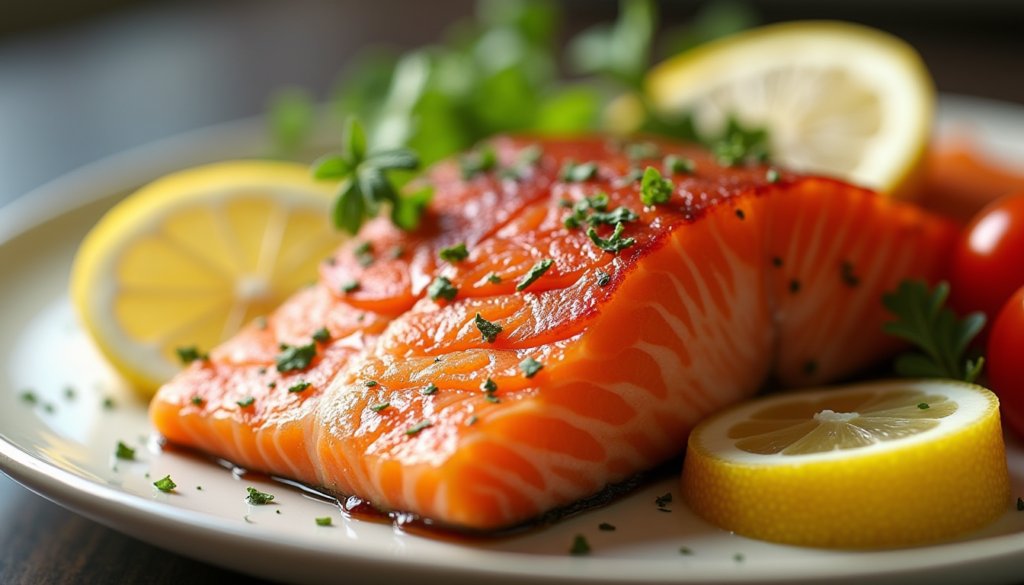
Classic simplicity: Brush with olive oil, season with salt, pepper, and fresh lemon juice. Sometimes the best approach is the simplest.
Garlic herb butter: Mix softened butter with minced garlic, fresh dill or parsley, salt, and pepper. Spread on top of sockeye before or after cooking.
Cajun spice rub: Combine paprika, garlic powder, onion powder, cayenne, oregano, thyme, salt, and pepper. Rub generously on all sides.
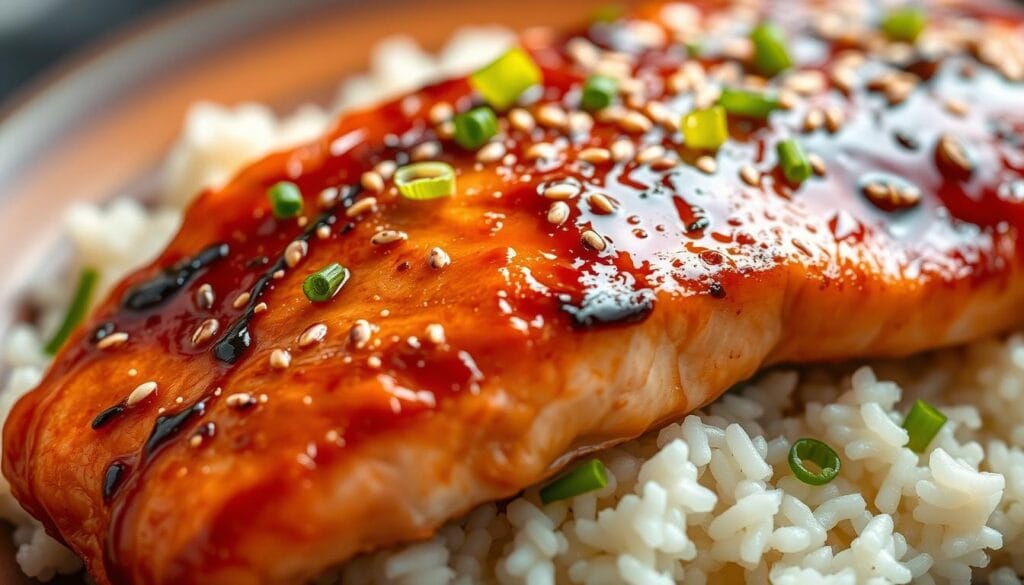
Asian-inspired glaze: Mix equal parts soy sauce and honey with grated ginger and minced garlic. Brush on halfway through cooking.
Mediterranean: Combine olive oil, lemon zest, oregano, garlic, and red pepper flakes. Drizzle over seasoned sockeye.
Maple-mustard: Whisk together Dijon mustard, maple syrup, and a splash of apple cider vinegar. Brush on before cooking.
Pantry Staples for Quick Salmon Meals
Keep these basics stocked for effortless sockeye salmon dinners:
- High-quality olive oil or avocado oil
- Butter (salted and unsalted)
- Fresh lemons and limes
- Garlic (fresh cloves or pre-minced)
- Soy sauce or coconut aminos
- Dijon mustard
- Honey or maple syrup
- Fresh herbs (dill, parsley, cilantro, basil)
- Dried spices (paprika, cumin, oregano, red pepper flakes)
- Capers or olives (for Mediterranean flavors)
- Ginger (fresh or paste)
Step-by-Step Cooking Instructions
Pre-Cooking Prep (5 Minutes)
Step 1: Remove sockeye from refrigerator and packaging. Rinse briefly under cold water and pat completely dry with paper towels.
Step 2: Check for and remove any pin bones using tweezers.
Step 3: If desired, remove skin or score it to prevent curling.
Step 4: Let fish sit at room temperature for 10-15 minutes while you prepare other ingredients.
Step 5: Season right before cooking—salt draws out moisture if applied too early.
Method 1: Pan-Seared Sockeye Salmon (12 Minutes)
The fastest method that delivers crispy skin and tender flesh.
Step 1: Heat a large skillet (cast iron or stainless steel preferred) over medium-high heat. Add 1 tablespoon oil or butter.
Step 2: Pat sockeye dry one final time. Season both sides with salt and pepper.
Step 3: When oil shimmers, place sockeye skin-side down in pan. Press gently with a spatula for the first 30 seconds to ensure even contact.
Step 4: Cook undisturbed for 5-6 minutes. The skin will crisp and release naturally when ready to flip.
Step 5: Flip carefully and cook flesh-side down for 2-4 minutes depending on thickness and desired doneness.
Step 6: Remove when internal temperature reaches 120-125°F for medium-rare (slightly translucent center) or 130-135°F for medium.
Total time: 10-12 minutes
Method 2: Oven-Roasted Sockeye Salmon (15 Minutes)
Perfect for hands-off cooking while you prepare sides.
Step 1: Preheat oven to 425°F. Line a baking sheet with parchment paper.
Step 2: Place sockeye skin-side down on prepared sheet. Brush with oil or melted butter.
Step 3: Season generously with salt, pepper, and any additional seasonings.
Step 4: Roast for 10-12 minutes for 1-inch thick fillets, or until internal temperature reaches desired doneness.
Step 5: Optional: Turn on broiler for the last 2 minutes to caramelize the top.
Total time: 15 minutes
Method 3: Broiled Sockeye Salmon (10 Minutes)
The fastest oven method with beautiful caramelization.
Step 1: Position oven rack 6 inches from broiler element. Preheat broiler to high.
Step 2: Place sockeye on a foil-lined baking sheet. Brush with oil and season.
Step 3: Broil for 6-8 minutes without flipping, watching carefully. Sockeye is done when it flakes easily and reaches desired temperature.
Step 4: For glazed versions, brush with sauce halfway through cooking.
Total time: 10 minutes
Method 4: Grilled Sockeye Salmon (12 Minutes)
Adds smoky flavor perfect for summer dinners.
Step 1: Preheat grill to medium-high (400-450°F). Clean and oil grates thoroughly.
Step 2: Brush sockeye with oil on both sides and season.
Step 3: Place skin-side down on grill (or use a fish basket for skinless fillets).
Step 4: Close lid and cook 5-6 minutes without moving.
Step 5: Flip carefully and cook 2-4 minutes more.
Total time: 12 minutes
Method 5: Air Fryer Sockeye Salmon (12 Minutes)
Crispy exterior with minimal oil and zero smoke.
Step 1: Preheat air fryer to 400°F.
Step 2: Lightly spray basket with oil. Place sockeye skin-side down.
Step 3: Brush top with oil and season.
Step 4: Air fry for 8-10 minutes depending on thickness. No flipping needed.
Total time: 12 minutes
Doneness Guide for Sockeye Salmon
Rare (110-115°F): Translucent center, very soft texture. Not recommended for food safety.
Medium-rare (120-125°F): Slightly translucent in the very center, beginning to flake. This is optimal for sockeye’s flavor and texture.
Medium (130-135°F): Opaque throughout with a moist, tender texture. Still flakes easily.
Medium-well (140°F): Fully cooked, firmer texture but still moist. Safe choice for those who prefer well-done fish.
Well-done (145°F+): Completely opaque, drier texture. USDA recommends 145°F for safety, though many chefs prefer lower temperatures for better texture.
Visual test: Insert a knife into the thickest part. For medium-rare, the center should be slightly darker and more translucent. For medium, mostly opaque with just a hint of translucency.
Resting Sockeye Salmon
Unlike beef, salmon needs minimal resting—just 2-3 minutes. This brief rest allows juices to redistribute and makes the fish easier to serve. The carryover cooking will raise the internal temperature by about 5 degrees, so remove sockeye from heat when it’s 5 degrees below your target.
Pro Tips for Perfect Sockeye Salmon
Avoiding Dry or Overcooked Fish
Use a timer: Set it for the minimum cooking time and check early. Sockeye cooks fast.
Invest in an instant-read thermometer: This $15-20 tool eliminates all guesswork. Check temperature in the thickest part.
Don’t walk away: When cooking sockeye quickly at high heat, stay nearby. A minute or two can mean the difference between perfect and overcooked.
Start checking early: Begin testing for doneness 2 minutes before the recipe suggests. Better to check early than overcook.
Account for carryover cooking: Remove sockeye 5 degrees below your target temperature—it will continue cooking after removal from heat.
Keep skin on when possible: The skin acts as a barrier between heat and delicate flesh, preventing overcooking.
Essential Tools for Quick Salmon Meals
Instant-read digital thermometer: The single most important tool. ThermoWorks ThermoPop or similar models are accurate and fast.
Fish spatula: Thin, flexible, slotted spatulas slide under delicate fish without breaking it. Worth every penny.
Cast iron or stainless steel skillet: Retains heat better than non-stick, creating superior searing and crust.
Rimmed baking sheets: For oven methods, a heavy-duty sheet pan with sides prevents dripping and warping.
Grill basket or cedar planks: Makes grilling skinless sockeye much easier and prevents sticking.
Kitchen timer: Simple but essential for staying on track during fast cooking.
Storage and Meal Prep
Raw sockeye storage: Use within 1-2 days of purchase. Store in the coldest part of refrigerator, loosely wrapped.
Cooked sockeye storage: Refrigerate in airtight containers for 3-4 days. Store separately from sauces or sides when possible.
Freezing cooked sockeye: While texture suffers slightly, you can freeze for up to 2 months. Wrap tightly in plastic wrap, then aluminum foil. Label with date.
Reheating: Gentle heat is key. Use a 275°F oven for 10-12 minutes, covered loosely with foil. Or microwave at 50% power in 30-second intervals. Add a splash of water or broth to prevent drying.
Cold preparations: Leftover sockeye is excellent cold on salads, in grain bowls, or flaked into pasta. No reheating needed.
Batch cooking: Cook multiple portions at once if meal prepping. Slightly undercook (to medium-rare) so reheating doesn’t overcook them.
Flavor Variations
Lemon-Dill Sockeye
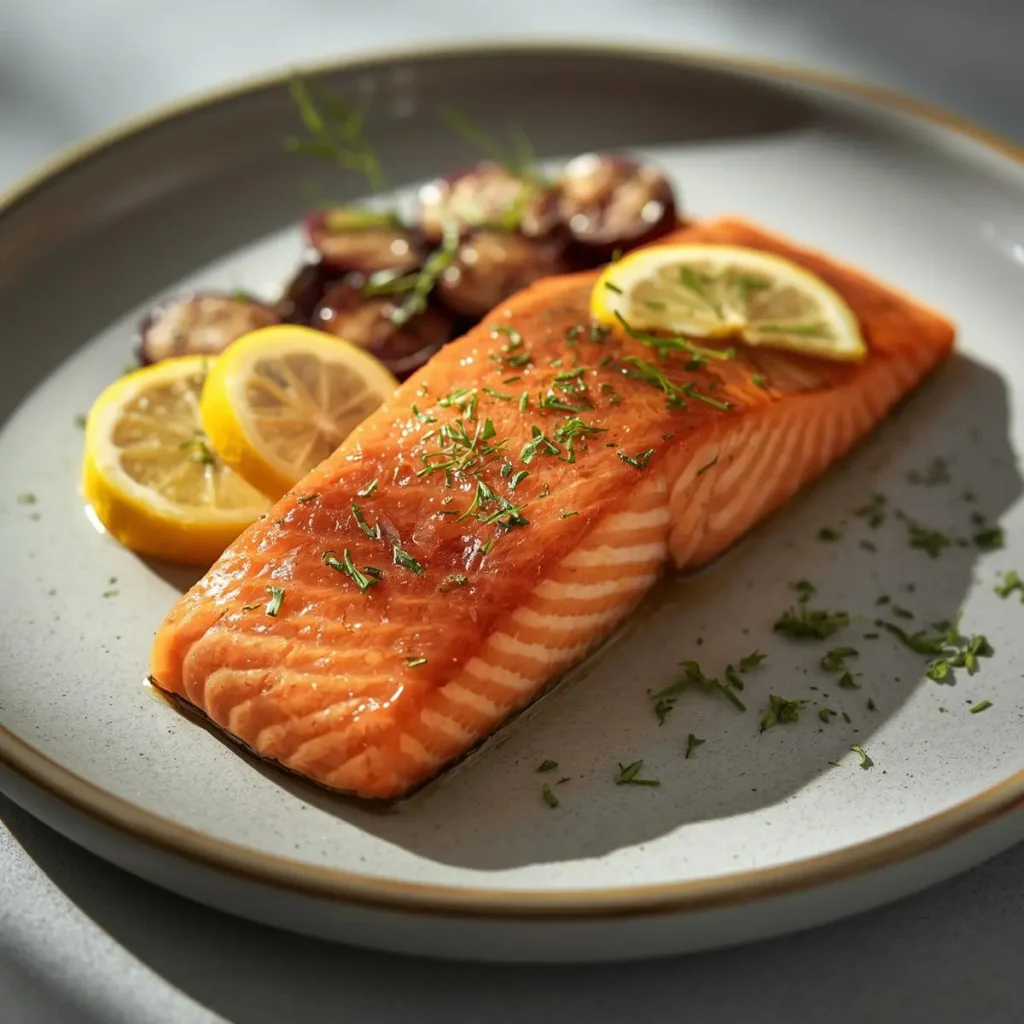
Brush sockeye with melted butter mixed with lemon juice and fresh dill. Season with salt and pepper. Cook using any method. Serve with extra lemon wedges.
Honey-Garlic Glazed Sockeye
Mix honey, minced garlic, soy sauce, and a splash of rice vinegar. Brush on sockeye during the last 3-4 minutes of cooking. The sugars caramelize beautifully.
Blackened Sockeye
Coat sockeye generously with Cajun or blackening spice blend. Pan-sear in a very hot cast iron skillet with minimal oil. Creates a flavorful crust while keeping interior moist.
Pesto-Crusted Sockeye
Spread prepared basil pesto over the top of sockeye fillets. Top with breadcrumbs or crushed nuts. Broil or bake until golden and crispy.
Maple-Mustard Sockeye
Whisk together maple syrup, whole grain mustard, and a touch of apple cider vinegar. Brush on sockeye before cooking for sweet-tangy flavor.
Mediterranean Sockeye
Top cooked sockeye with chopped tomatoes, kalamata olives, capers, red onion, and fresh basil. Drizzle with olive oil and lemon juice.
Asian-Style Ginger-Soy Sockeye
Create a quick glaze with soy sauce, grated ginger, honey, and sesame oil. Brush on during cooking and garnish with scallions and sesame seeds.
Keto/Paleo Herb-Butter Sockeye
Top with compound butter made from grass-fed butter, fresh herbs, garlic, and lemon zest. This adds richness while staying grain-free and low-carb.
Serving Suggestions
Complete your 30-minute sockeye salmon meal with these quick sides:
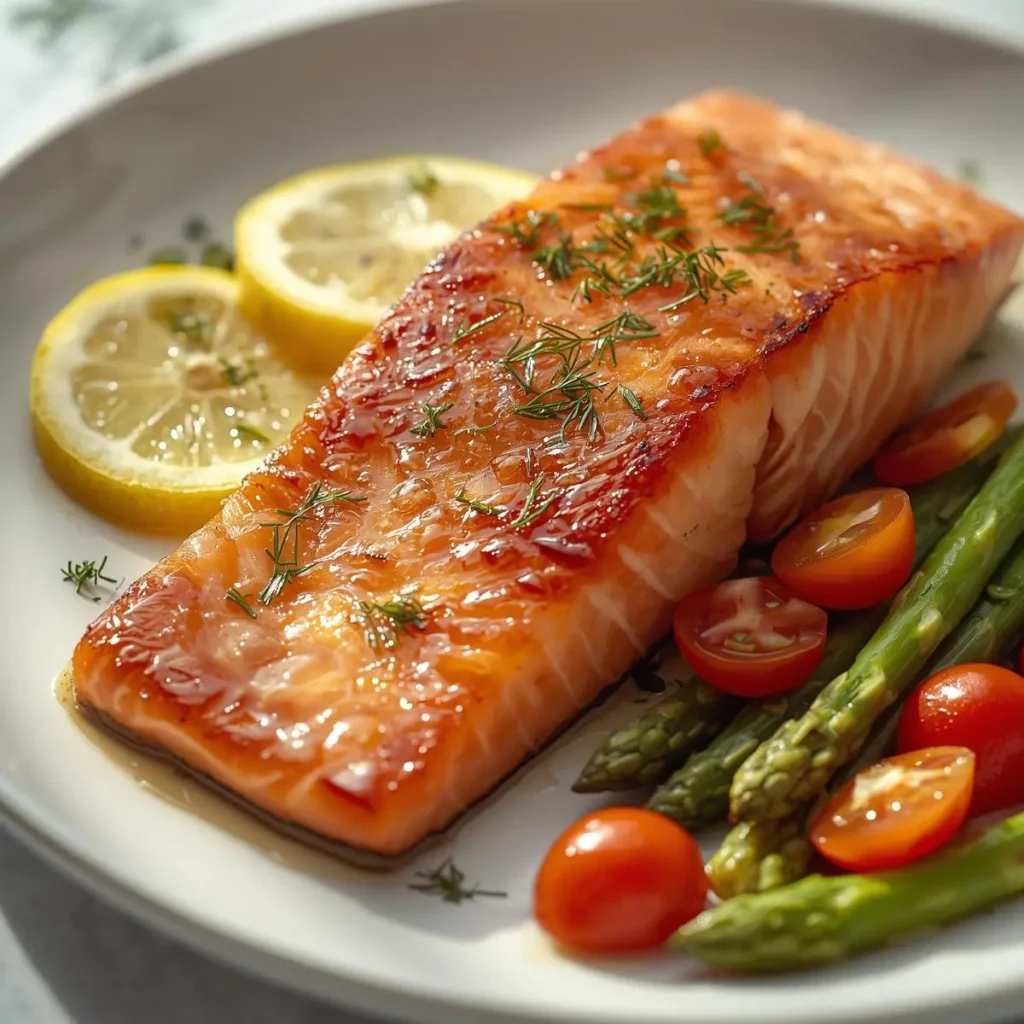
10-Minute Vegetable Sides: Steamed broccoli or green beans, roasted asparagus (cook alongside salmon), sautéed spinach with garlic, roasted Brussels sprouts (if prepped ahead), or cucumber-tomato salad.
Quick Starches: Microwave-steamed baby potatoes, instant brown rice, quinoa (15 minutes), couscous (5 minutes), or cauliflower rice (for low-carb).
Simple Salads: Mixed greens with vinaigrette, arugula with lemon and parmesan, cabbage slaw, or Greek salad.
Grain Bowls: Serve sockeye over quinoa or rice with roasted vegetables, avocado, and your choice of sauce (tahini, pesto, or teriyaki).
Complete One-Pan Meals: Roast sockeye alongside cherry tomatoes, zucchini, and bell peppers on the same baking sheet at 425°F.
Quick Sauce Ideas
- Lemon-butter sauce: Melt butter with lemon juice, garlic, and capers (2 minutes)
- Dill yogurt sauce: Mix Greek yogurt with fresh dill, lemon, and garlic (1 minute)
- Avocado crema: Blend avocado, lime juice, cilantro, and Greek yogurt (2 minutes)
- Balsamic reduction: Simmer balsamic vinegar until thickened (8 minutes)
- Mango salsa: Dice mango with red onion, jalapeño, cilantro, and lime (5 minutes)
Wine and Beverage Pairings
White wines: Pinot Gris, unoaked Chardonnay, Sauvignon Blanc, or dry Riesling complement sockeye’s richness.
Rosé: Dry rosé bridges the gap between white wine’s freshness and red wine’s body.
Light reds: Pinot Noir is the classic salmon pairing—light enough not to overwhelm the fish.
Beer: Wheat beers, pale ales, or pilsners work well. Avoid heavy, bitter IPAs.
Non-alcoholic: Sparkling water with lemon, iced green tea, or lemonade.
FAQs
Can I cook sockeye salmon from frozen?
Not recommended for best results. Frozen sockeye releases excess moisture during cooking, preventing proper browning and making texture mushy. Always thaw completely—either overnight in the refrigerator or using the cold water method (30-60 minutes in a sealed bag submerged in cold water). Pat very dry before cooking.
How do I know when sockeye salmon is done?
The most reliable method is using an instant-read thermometer. For medium-rare (ideal for sockeye), aim for 125°F in the thickest part. Visual cues: the fish should be mostly opaque with a slightly darker center and should flake when gently pressed with a fork. The flesh will be firm but still moist.
Why is my sockeye salmon dry?
Overcooking is the usual culprit. Sockeye is leaner than Atlantic salmon and dries out faster. Remove it from heat at 125-130°F (it will continue cooking while resting). Other causes: cooking at too high heat, not using enough fat (oil/butter), or starting with fish that wasn’t fresh. Always pat dry before cooking but use oil to prevent sticking.
Is sockeye salmon safe during pregnancy?
Yes, sockeye is one of the best fish choices during pregnancy. It’s low in mercury and high in omega-3 fatty acids beneficial for fetal development. Cook to 145°F internal temperature as recommended by the FDA. The American Pregnancy Association recommends 2-3 servings of low-mercury fish per week, and sockeye fits this guideline perfectly.
What’s the white stuff that appears when cooking sockeye?
That’s albumin, a harmless protein that coagulates when heated. While safe to eat, you can minimize it by: not overcooking the fish, brining briefly (10 minutes in salt water) before cooking, or cooking at slightly lower temperatures. It’s more noticeable with frozen-thawed salmon. Simply scrape it off before serving if desired.
Can I use bottled lemon juice instead of fresh?
Fresh lemon juice tastes significantly better and is worth the 30 seconds to squeeze. Bottled lemon juice has a metallic, artificial taste that doesn’t complement sockeye’s natural richness. If you must use bottled, use half the amount the recipe calls for.
How is sockeye different from other salmon?
Sockeye has deeper red color, firmer texture, and more pronounced flavor than pink, chum, or coho salmon. It’s leaner than king salmon but richer than pink. All sockeye is wild-caught (never farmed), which appeals to sustainability-conscious consumers. It holds up better to high-heat cooking methods like grilling and searing.
Do I need to remove the skin?
Not necessarily. Crispy salmon skin is delicious and adds texture. It also makes flipping easier and protects the delicate flesh during cooking. If you dislike the texture or want to use a topping, remove it before or after cooking. For pan-searing or grilling, cook skin-side down first—the skin prevents sticking.
Conclusion
You now have everything you need to prepare delicious sockeye salmon meals in under 30 minutes. No more weeknight dinner stress or disappointing, overcooked fish—just quick, flavorful meals your family will request on repeat.
Stop settling for boring, time-consuming dinners and start enjoying restaurant-quality sockeye salmon tonight. These fast techniques prove that healthy, impressive cooking doesn’t require hours in the kitchen.
Join thousands of busy home cooks who’ve discovered that sockeye salmon is the ultimate weeknight solution. Pick your favorite method from this guide and get cooking—dinner will be ready before you know it!
Ready for more quick seafood inspiration? Check out our 15-Minute Shrimp Recipes for even faster meals, or explore our Complete Guide to Cooking Fish for Beginners to expand your seafood repertoire!
How did you find results our recipes
There are no reviews yet. Be the first one to write one.